


























Views
Downloads
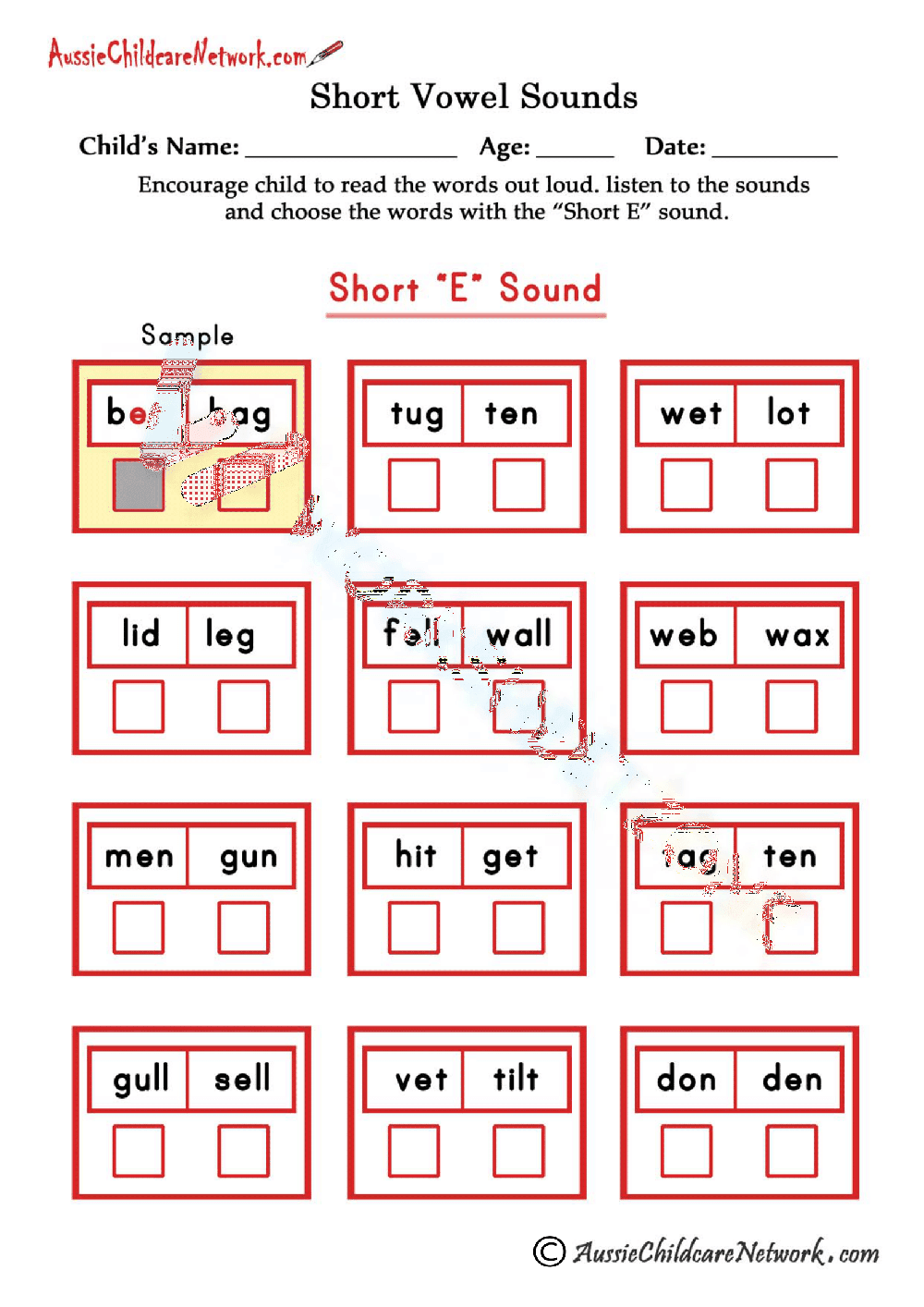

Grade 1 Short E Sounds — Printable No-Prep Worksheet
Paste this activity's link or code into your existing LMS (Google Classroom, Canvas, Teams, Schoology, Moodle, etc.).
Students can open and work on the activity right away, with no student login required.
You'll still be able to track student progress and results from your teacher account.
This ready-to-use phonics worksheet helps early readers master short vowel discrimination by identifying the short "e" sound in common words. Students read word pairs aloud and select the correct target word, building essential phonemic awareness and decoding skills required for fluent reading.
At a Glance
- Grade: 1 · Subject: ELA
- Standard:
CCSS.ELA-LITERACY.RF.1.2.A— Distinguish long from short vowel sounds in words- Skill Focus: Short E Vowel Sounds
- Format: 1 page · 11 problems · Answer key included · PDF
- Best For: Independent practice
- Time: 10–15 minutes
This single-page resource features 11 focused practice problems and one clear worked example to guide students. Each problem presents a pair of decodable words (such as "tug" and "ten" or "web" and "wax"). Students must read both options and check the box under the word containing the short "e" sound. The clean, distraction-free layout supports young learners, and a complete answer key is included for quick grading.
Designed for immediate classroom implementation, this worksheet requires under two minutes of teacher prep time.
- Print (1 minute): Simply download the PDF and print a class set. The black-and-white design saves ink.
- Distribute (1 minute): Hand out to students with minimal instruction needed, thanks to the visual sample provided at the top of the page.
- Review (3 minutes): Use the included answer key to quickly check student work or project it on the board for whole-class self-correction.
Because it is entirely self-explanatory, this activity is an excellent addition to any emergency sub plan.
This activity is directly aligned to CCSS.ELA-LITERACY.RF.1.2.A, which requires students to distinguish long from short vowel sounds in spoken single-syllable words. It also supports foundational phonics skills by requiring students to decode CVC words accurately. Both standard codes can be copied directly into lesson plans, IEP goals, or district curriculum mapping tools.
Deploy this worksheet during independent literacy centers after direct instruction on the short "e" sound. It serves as an effective formative assessment; observe whether students are successfully blending the phonemes or if they are guessing based on initial consonants. Alternatively, use it as a targeted morning work activity to reinforce phonics skills learned the previous day. Most first-grade students will complete the task within 10 to 15 minutes.
This resource is ideal for first-grade students developing their early reading skills, as well as kindergarteners ready for an advanced phonics challenge. It provides excellent reinforcement for English Language Learners (ELLs) who need explicit practice distinguishing English vowel sounds. Pair this worksheet with a short vowel anchor chart or a decodable reader focusing on the "e" sound for a comprehensive literacy lesson.
Mastering vowel sounds is a critical milestone in early literacy development. This resource targets CCSS.ELA-LITERACY.RF.1.2.A, helping students distinguish long from short vowel sounds in words. According to the RAND AIRS 2024 report on early reading interventions, explicit and systematic phonics instruction that includes isolated vowel practice significantly improves decoding fluency in primary grades. By requiring students to vocalize word pairs and actively select the target phoneme, this worksheet reinforces the sound-spelling connections necessary for orthographic mapping. Consistent practice with specific phonemes like the short "e" reduces reading hesitation and builds the automaticity required for reading comprehension. Educators can rely on this targeted, evidence-based activity to provide the structured repetition young readers need to solidify their foundational phonics knowledge, overcome common vowel confusion, and progress confidently toward independent reading.


