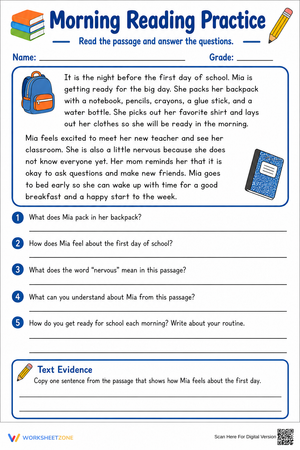
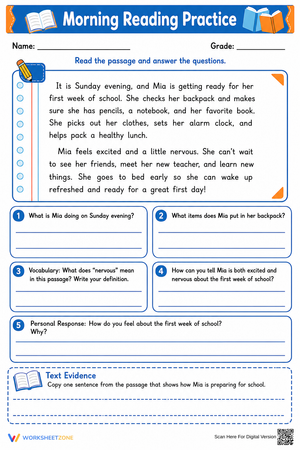
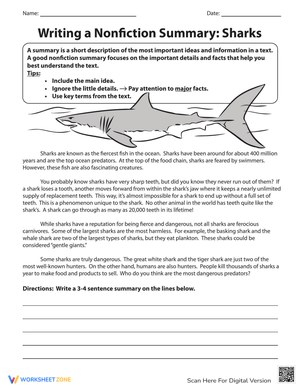
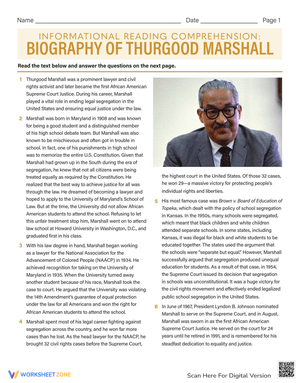
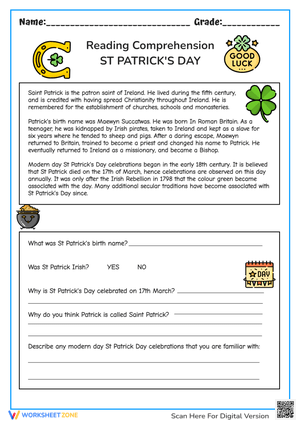
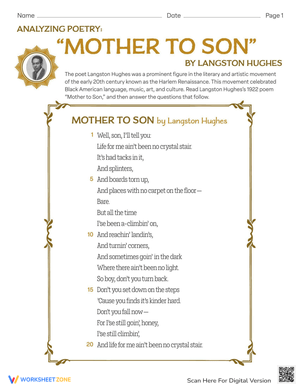
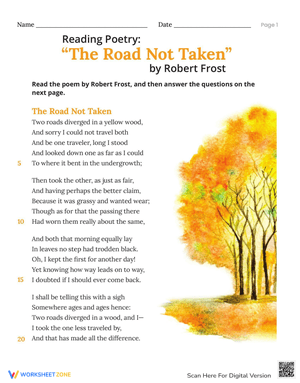
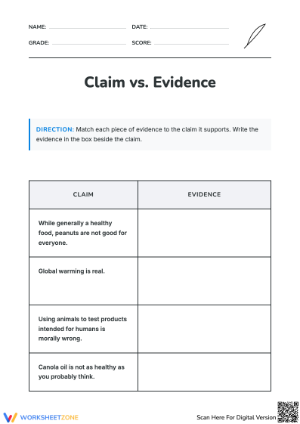
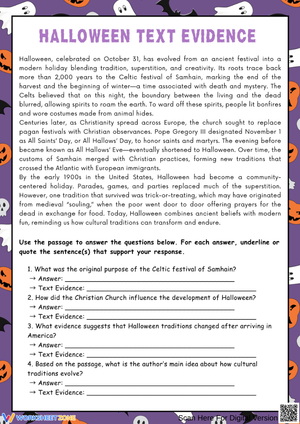
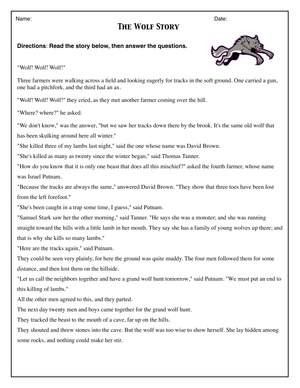
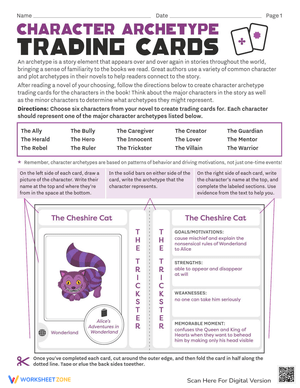
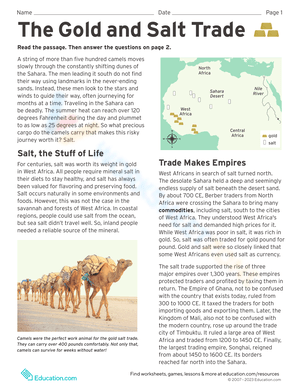
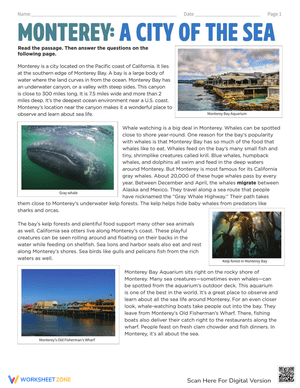
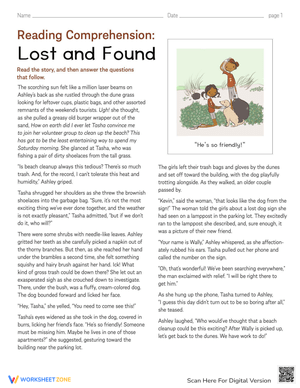
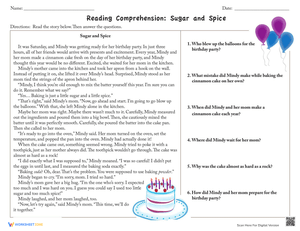
These text evidence worksheets resources give middle school ELA teachers a direct path from teaching claim-making to teaching proof — the exact gap where instruction most often stalls. Each worksheet pairs a short reading passage with structured response tasks that require students to return to the text, locate specific support, and explain why that support actually answers the question. The set covers fiction and nonfiction, addresses both literal and inferential questions, and includes R.A.C.E. framework templates (Restate, Answer, Cite, Explain) for teachers who want a built-in structure for written responses.
What the Set Covers
The foundational distinction the worksheets develop is between explicit and implicit evidence. Explicit evidence — a direct statement of fact or detail — sits on the surface of a text and requires little interpretation. Implicit evidence requires students to add up several details and draw a conclusion the author never states outright. Both types appear in real reading tasks, but middle schoolers consistently treat implicit evidence as guesswork rather than as a reasoned inference grounded in the text. The worksheets address this by asking students to label their evidence type before writing their response, which slows the process enough to make the distinction visible and conscious.
- Locating explicit details and copying the precise sentence that supports a claim
- Identifying implicit evidence and writing out the inference it supports
- Ranking three candidate quotes by usefulness for a specific claim
- Constructing a full R.A.C.E. response from a structured template
- Comparing evidence across a paired fiction and nonfiction text
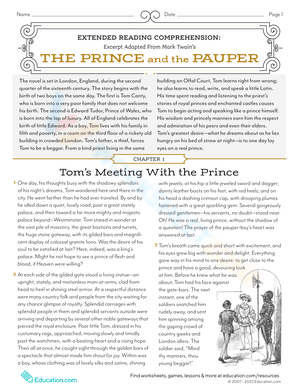
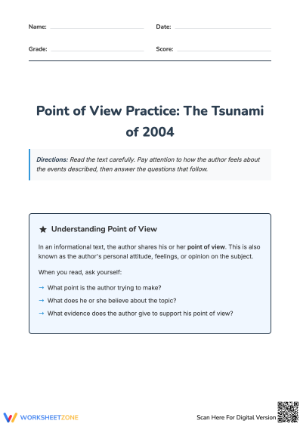
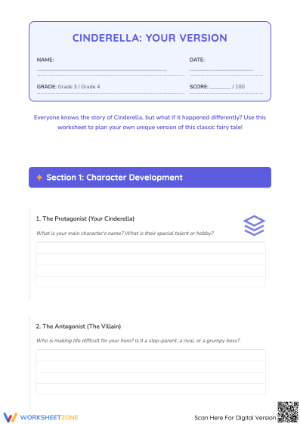
Fiction and nonfiction tasks appear in roughly equal proportion. Fiction exercises ask students to support claims about character motivation, theme, or mood — areas where students instinctively draw on their emotional reactions rather than the text itself. Nonfiction exercises involve author's purpose, central idea, and the use of data within an argument. Practicing both genres in close succession helps students recognize that the citation process stays consistent even when the reading moves differ significantly between a short story and an informational article.
Where Students Go Wrong When Citing Evidence
The most persistent error is substituting personal reaction for textual proof. A student writes, "I think the character was scared because that's how I would feel," instead of pointing to the physical details the author actually described — the cold sweat, the hands that wouldn't stop shaking. This happens even after explicit instruction, because years of "share your feelings about the reading" prompts have conditioned students to treat their own response as valid evidence. These text evidence worksheets tasks surface this pattern quickly because the structured format requires students to write down specific words from the passage. There is no room in the template for a general impression to pass as a quotation.
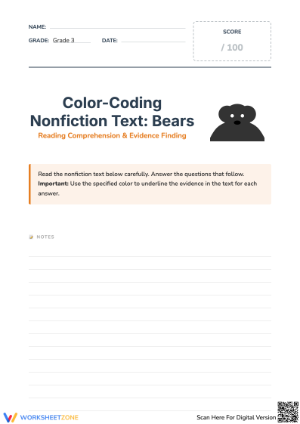
A second error worth anticipating is over-quoting. Students who understand that they need evidence tend to copy long passages — sometimes three or four sentences — rather than selecting the minimum words that actually carry the argument. What looks like thorough citing is usually a way of avoiding the explanation step. If the Explain component of R.A.C.E. is underdeveloped, it shows up in student work as extended block quotations the student has not processed. Requiring students to underline only the essential words — the fewest that still carry the claim — forces the interpretive thinking that the evidence was supposed to generate.
Where These Worksheets Fit in Your Weekly Rotation
The warm-up slot is the most reliable placement. Five to eight minutes at the start of class, before discussion begins, gives students enough time to read a short passage and write one evidence-based response. The text evidence worksheets format works cleanly here because each task is self-contained and students know the expectation before they sit down. Warm-up responses also serve as formative data: if most students in the room are still substituting opinion for evidence on a Thursday morning, that tells you what Wednesday's lesson didn't accomplish.
Exit tickets are the other natural fit. Assign a short passage with one evidence question in the last seven minutes of class, collect responses, and scan for the opinion-substitution error. Pull two or three anonymized examples for discussion the next morning. That feedback loop — same day's work, next day's conversation — closes much faster than waiting until a full essay draft comes back.
For a unit-level instructional sequence, pair each worksheet with direct instruction on one R.A.C.E. component before moving to the next. Teach citation explicitly — what counts as a quote, how to introduce it — then assign the worksheet that isolates citation practice before students attempt a full four-part response. Trying to introduce all four components in a single session overloads working memory before students have processed the first step. Spreading the instruction across several class periods, with a focused worksheet at each stage, produces more durable learning.
Standard Alignment
The worksheets align to CCSS.ELA-LITERACY.RL.6.1 and RI.6.1, which require students to "cite textual evidence to support analysis of what the text says explicitly as well as inferences drawn from the text." The grade 7 and grade 8 parallel standards add requirements for multiple pieces of evidence and for identifying the strongest available support — and the more demanding worksheets in the set reflect that progression directly. Sixth grade is typically when this standard arrives as a graded written expectation, not because the concept is brand new, but because students are now expected to demonstrate it in response to unseen texts under assessment conditions. That shift — from discussion-based comprehension to written proof — is where the worksheets do their most direct instructional work.
Adjusting the Set for a Range of Readers
For students who struggle to initiate a written response, the worksheets that include sentence starters — "The author shows this when..." or "One detail that supports this claim is..." — remove the first-word problem without removing the cognitive work. Once a student can consistently complete the response using the starter, phase it out: tape over it on the printed worksheet or hand the student a version of the same task without the frame. Keeping that support in place past the point where it's needed slows growth rather than protecting it.
Students who are already comfortable with basic citation benefit more from the evidence-ranking worksheets than from additional cite-and-explain practice. Give them two plausible quotes for a single claim and ask which one supports it more precisely — then ask what the weaker quote would be useful for instead. That second question moves students from citation mechanics into evidence evaluation, which is the analytical skill that drives eighth-grade literary analysis and beyond.
Frequently Asked Questions
Do these worksheets work at grade levels below sixth?
Strong fifth-grade readers can handle the shorter fiction worksheets in the set, particularly those focused on explicit evidence. For fourth grade and below, the tasks in a text evidence worksheets typically need shorter texts, simpler vocabulary, and the option for oral rather than written responses — which places them in a different instructional category than what this set addresses. The worksheets here were built around the written-response demands of grades 5 through 8, where students are expected to produce evidence-based answers independently.
What do I do when students answer from memory rather than returning to the text?
Keep the response template face-down until students have read the passage and underlined at least two potential evidence sentences. The physical act of underlining before writing changes the relationship between reading and responding. When underlining is a required first step, returning to the text feels like part of the process rather than an interruption. Students who know they will need to write down specific words also tend to read more carefully the first time through.
Can these be used in a small-group intervention setting?
Yes. The shorter fiction worksheets work well for intervention groups because the evidence tends to sit close to the surface, keeping students from getting lost in a difficult passage before they reach the response task. A useful protocol: read the passage aloud together first, then have each student independently underline their chosen evidence before the group compares selections. The comparison conversation — why you picked that line, why someone else chose a different one, which is stronger and why — often teaches more than the written response does on its own.