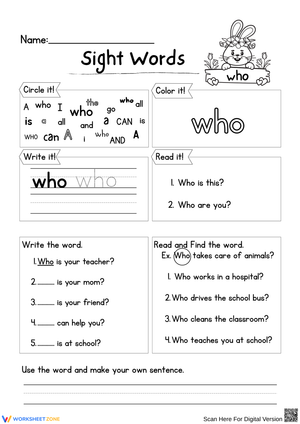
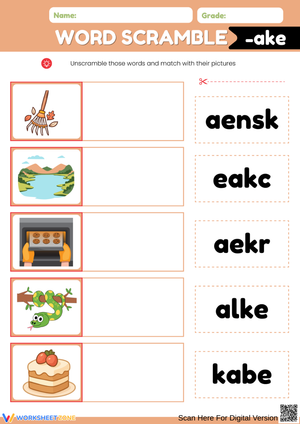
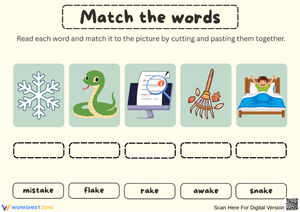
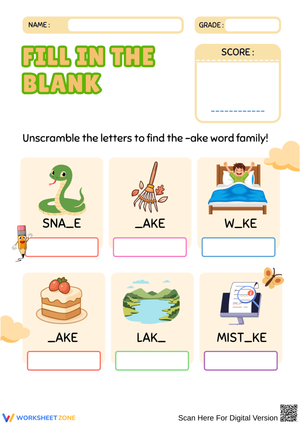
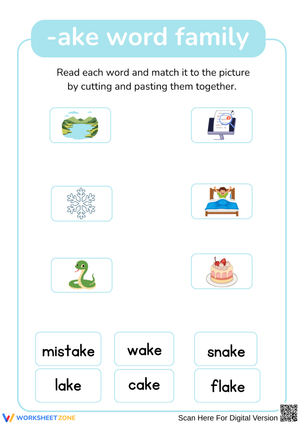
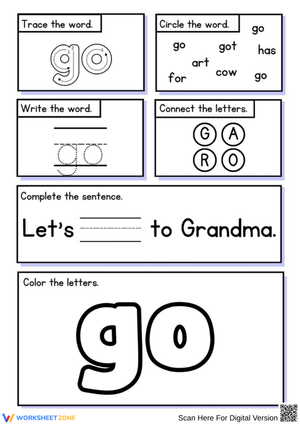
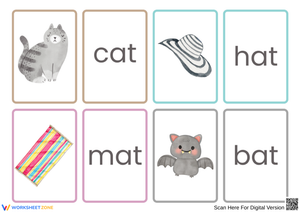
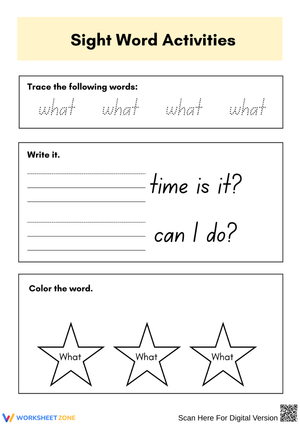
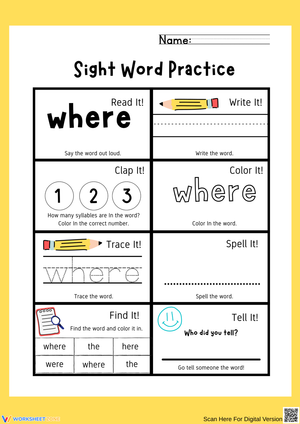
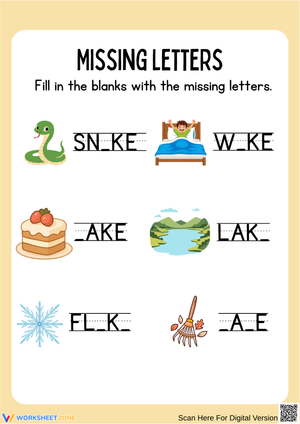
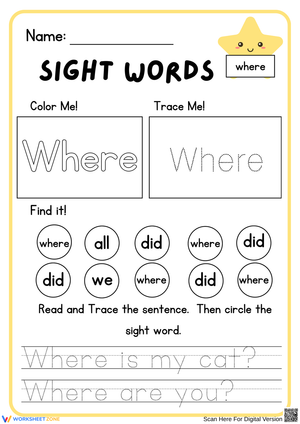
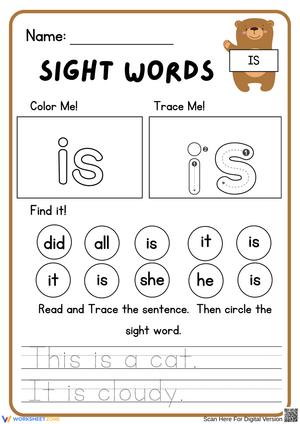
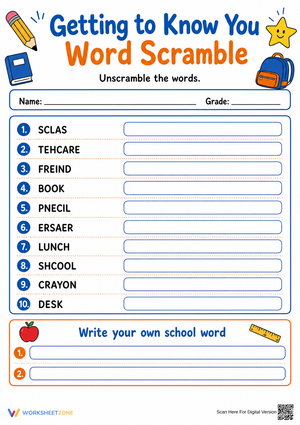
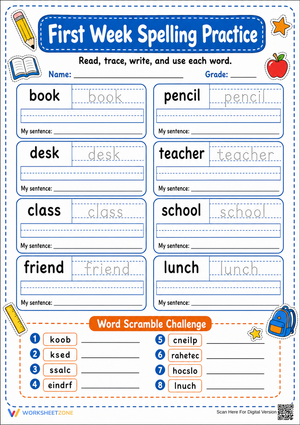
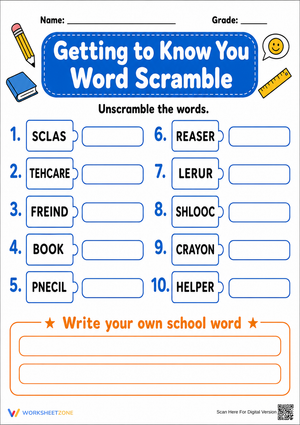
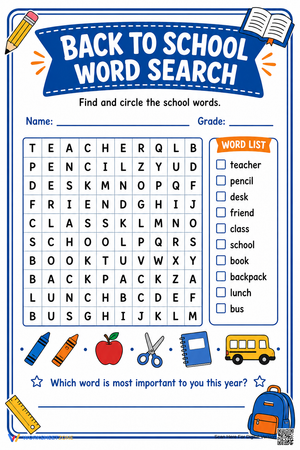
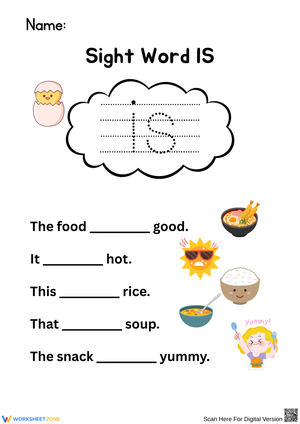
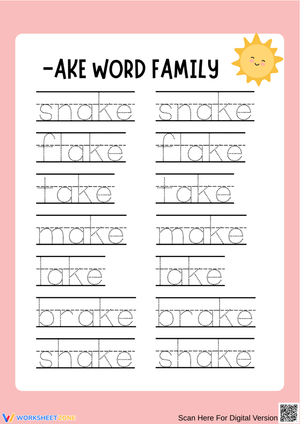
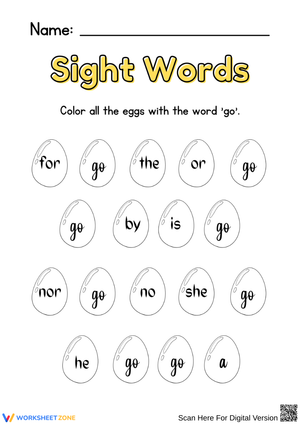
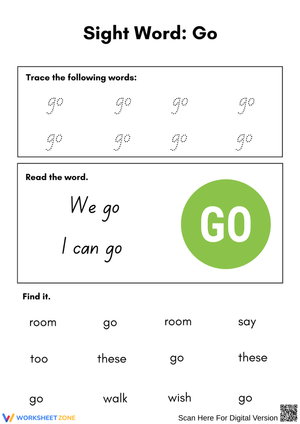
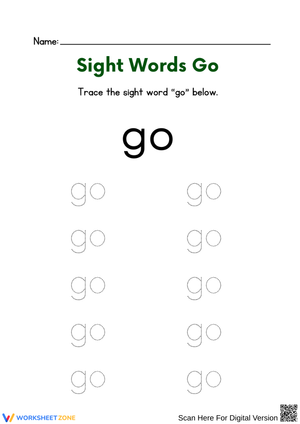
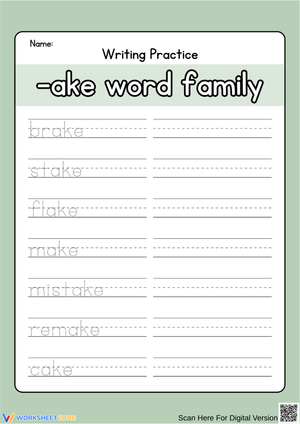
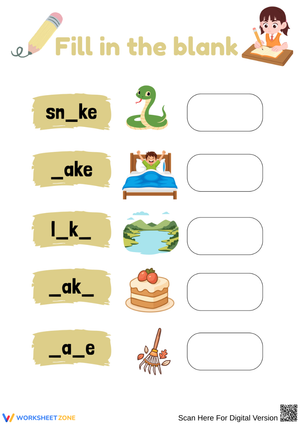
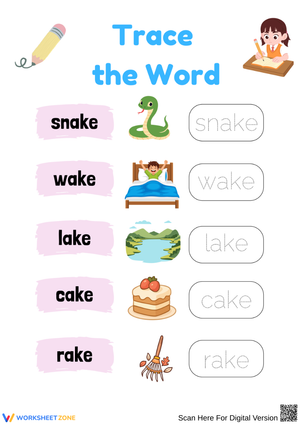
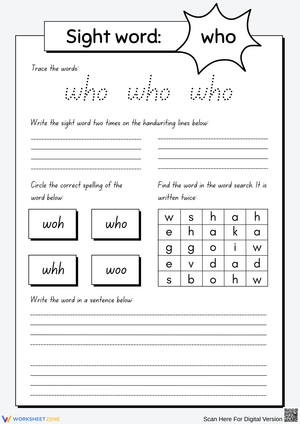
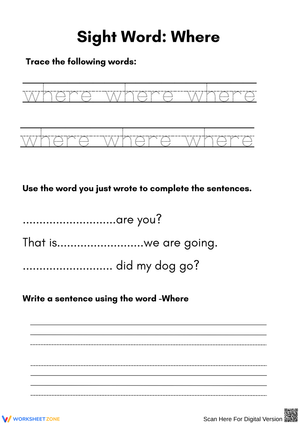
If you teach elementary reading, you already know spelling can get squeezed out. Phonics minutes fill up fast, and spelling often lands as a Friday test with little practice in between. Printable spelling worksheets earn their place when you treat them as the daily practice layer of a structured word study block, not as filler while you pull a small group.
The most useful setup is short and repeatable. Give students a focused worksheet tied to the week's pattern or word list, keep the task to roughly 8 to 12 minutes, and use the rest of the block for dictation, word sorts, or a quick partner check. That rhythm turns a worksheet from a one-off page into a touchpoint you revisit across the week, which is exactly what young spellers need to move a pattern into long-term memory.
Answer-first planning helps here: decide what the worksheet is for before you print it. A pattern-introduction page, a mixed-review page, and a pre-assessment page all look similar but do very different jobs in your week.
Differentiate for small-group intervention and whole-class review
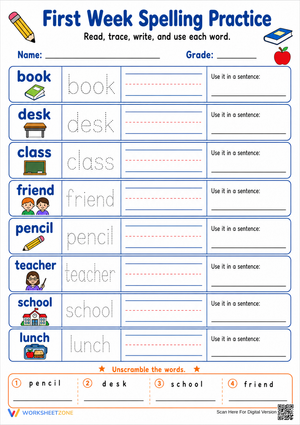
One worksheet rarely fits a whole class of spellers, so plan two or three versions of the same page. For whole-class review, a mixed page pulling from the last three weeks keeps patterns warm. For small-group intervention, shrink the scope: fewer words, one target pattern, and more repetition of the sounds students keep missing.
A few quick moves make differentiation manageable:
- Keep the same visual format across levels so no student can tell which version is "easier."
- For intervention, add a word-building step where students spell the base word, then add an ending, so they practice the pattern more than once per line.
- For advanced spellers, swap in transfer words that use the pattern but weren't on the study list.
- Use the back of the page for a two-minute dictation so you can hear the pattern, not just see the copied word.
Explicit, rule-based practice matters especially for patterns governed by a rule, such as when to double a consonant before adding -ing. Stating the rule directly, then having students apply it on the worksheet, tends to transfer better than hoping students notice the pattern on their own.
Build a weekly formative assessment routine
Spelling worksheets become far more valuable when they double as low-stakes formative data. Instead of only scoring a Friday test, glance at Monday's introduction page and Wednesday's practice page to see which students already have the pattern and which need a pulled group. A quick three-column note, secure, shaky, and not yet, is enough to plan the next day.
The research backs deliberate, frequent practice over occasional heavy doses.
What the research says about frequent spelling practice
A 2024 comprehensive meta-analysis of writing interventions for students in grades K-5, published through the Society for Research on Educational Effectiveness, reported a spelling effect size of 0.41, smaller than the effects found for several other writing outcomes, which signals that spelling responds to instruction but needs more deliberate, frequent, and structured practice to show measurable gains.
That 0.41 figure is a useful planning anchor. It suggests that a single weekly worksheet is unlikely to move the needle much, while short daily encoding practice, repeated across weeks, is the pattern most likely to pay off. It also explains why spelling is so easy to shortchange: the gains are real but gradual, so they are easy to deprioritize when instructional time gets tight.
Teacher Tips for pacing and pairing worksheets
Pacing is where most spelling plans succeed or fail. Aim for short, frequent contact with a pattern rather than one long session. A workable weekly arc looks like this:
- Monday: introduce the pattern with a worksheet that sorts or highlights the target sound-spelling.
- Tuesday and Wednesday: practice pages plus a short dictation so students spell the pattern in a sentence, not just in isolation.
- Thursday: mixed review that folds in prior patterns to protect against forgetting.
- Friday: a brief check that includes two or three transfer words to see if the pattern generalizes.
Pair every worksheet with at least one spoken step. Dictation, partner quizzing, or reading the words aloud before writing keeps the sound-to-print connection active. A worksheet completed in silence can turn into visual copying; a worksheet paired with saying the sounds keeps students encoding.
Finally, watch your instructional-time budget honestly. Because decoding-focused phonics tends to dominate the literacy block, spelling is frequently the piece that gets marginalized even though it feeds writing fluency, vocabulary, and comprehension. Protecting even ten focused minutes a day for structured spelling practice is one of the higher-leverage adjustments an elementary teacher can make.
Frequently Asked Questions
1. How often should teachers assign spelling worksheets for meaningful gains?
Aim for short daily contact rather than a single weekly page. Because the research points to a modest 0.41 effect size for spelling, frequent, structured practice across the week is what tends to produce durable gains, especially when each page is paired with dictation or a word-building step.
2. Are spelling worksheets useful for older elementary and middle school students, or only early grades?
They stay useful well past the early grades. Older students benefit from pattern and rule-based pages, such as adding suffixes, doubling consonants, and spelling multisyllabic words, rather than simple sound-out lists. Match the worksheet to the encoding demand, not just the grade label.
3. How can spelling worksheets be paired with phonics instruction for stronger transfer to writing?
Because spelling is the encoding side of the same skill you teach in phonics, choose worksheets that mirror your current phonics pattern. Have students decode the pattern in reading and encode it on the worksheet in the same week, then push transfer by asking them to use the words in a short written sentence.
4. What does the research say about worksheet-based practice versus other formats?
Structured, explicit practice tends to transfer better than incidental exposure, particularly for rule-based patterns. Worksheets work best as one deliberate practice layer inside a fuller routine that also includes dictation, word sorts, and brief formative checks, rather than as a standalone spelling program.