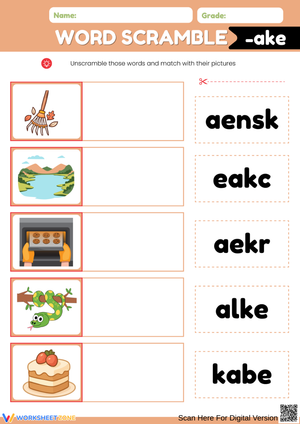
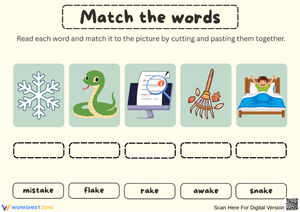
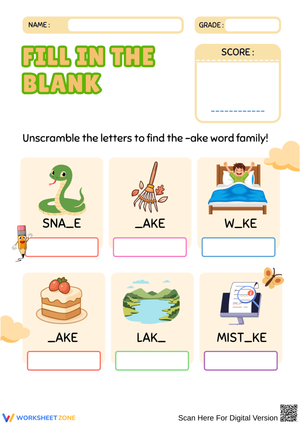
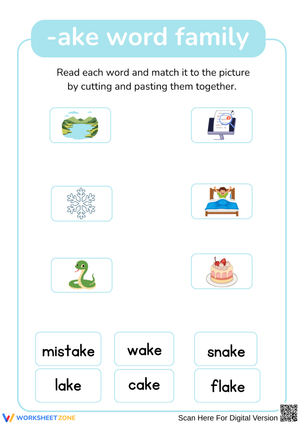
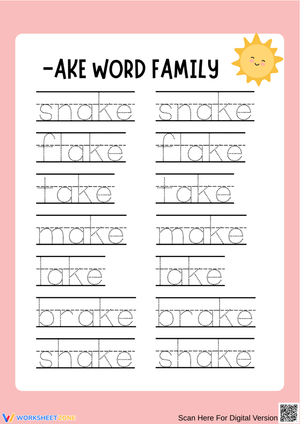
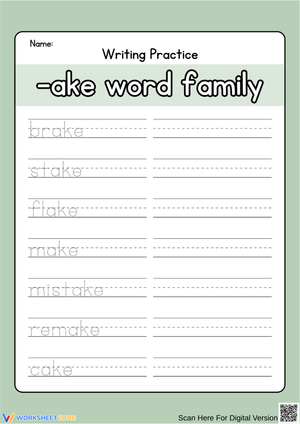
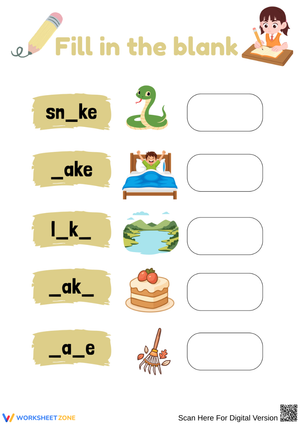
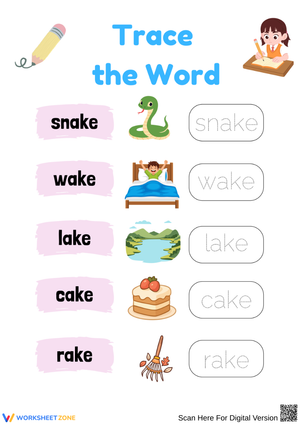
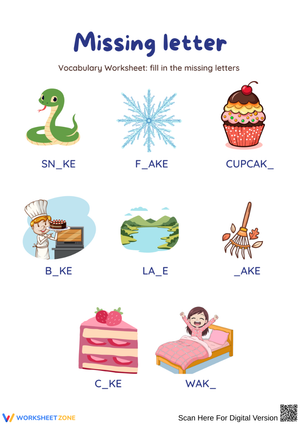
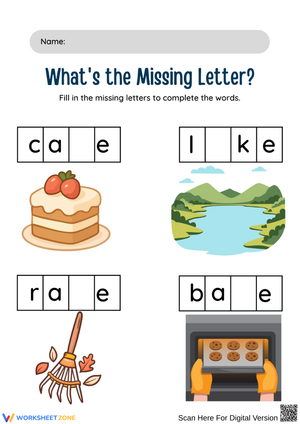
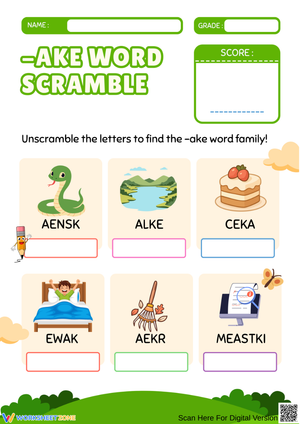
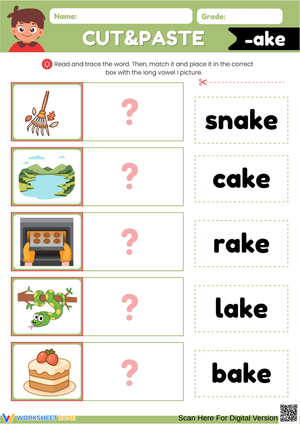
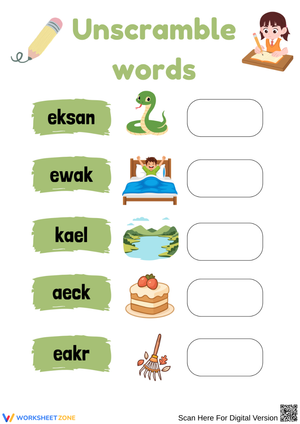
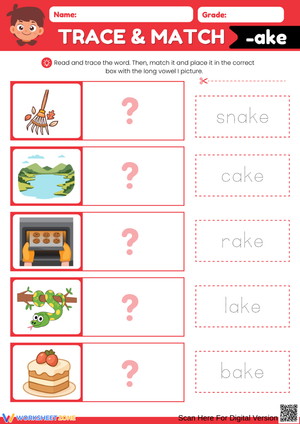
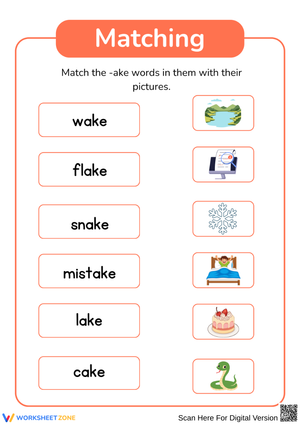
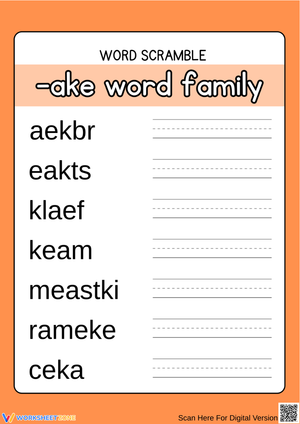
These spelling patterns worksheets resources cover the full phonics sequence K–2 teachers actually need — CVC words, consonant blends and digraphs, silent-e, and vowel teams — with each worksheet targeting one pattern so students aren't switching between rule sets mid-exercise. The set is print-ready, which matters when you're preparing five reading groups and need targeted practice in front of you fast.
What the Set Covers Across the Phonics Sequence
The progression across these worksheets mirrors how spelling development actually unfolds. Students who read CVC words fluently often stall at blends because they're still processing individual letters rather than recognizing chunks. Each worksheet addresses one point in that progression:
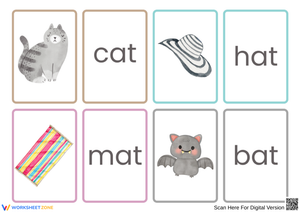
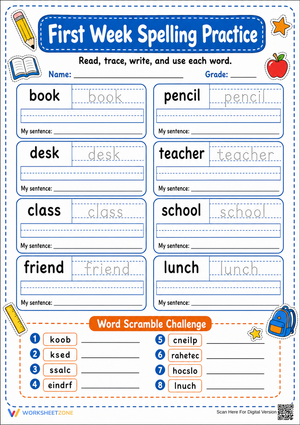
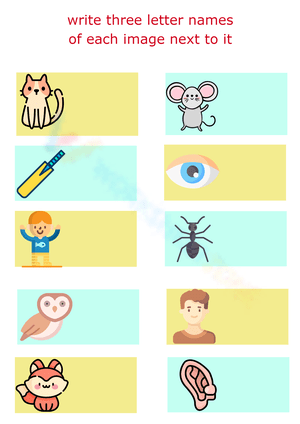
- CVC word families: students identify the medial vowel sound, then rewrite the word in a new context sentence to confirm they can transfer the pattern beyond isolated items
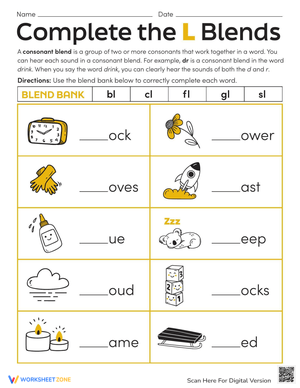
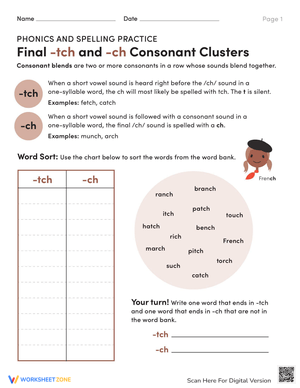
- Consonant blends (initial and final): sorting tasks where students group words under the correct blend header, including final blends like nd and st that tend to disappear from student writing before they disappear from reading
- Digraphs (sh, ch, th, wh, ph): sound-box exercises where students record phonemes rather than letters — "ship" fills three boxes, not four, which is the concept the exercise is built around
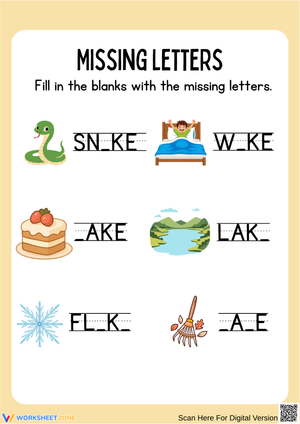
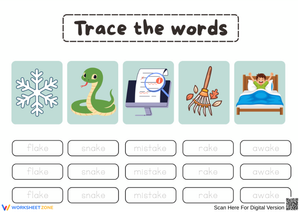
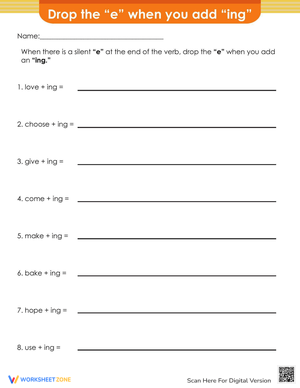
- Silent-e patterns: side-by-side comparison tasks pairing CVC words with their long-vowel counterparts (tap/tape, pin/pine) so students see the structural relationship rather than treating each form as a separate word
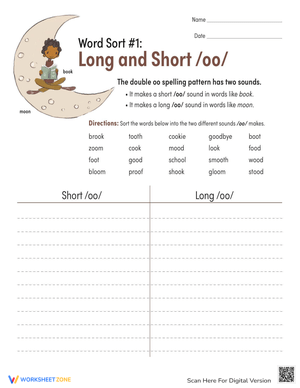
- Vowel teams (ai, ea, oa, oi, ou, ue): cloze sentences requiring students to choose the correct vowel team spelling, placing the discrimination task inside running text rather than isolated word lists
The digraph worksheets build in sound boxes from the first exercise rather than introducing them partway through. That decision is deliberate — when students learn digraphs alongside the phoneme-versus-grapheme distinction from the start, the concept transfers more cleanly into their independent writing.
Mistakes Students Make That These Worksheets Help You Catch
The most consistent error at the blend stage isn't mispronouncing the blend — it's dropping the second consonant in final blends during writing. Students who read "hand" correctly will write "han" in a sentence because the final cluster processes as one sound but feels like more letters than necessary. The blend sorting worksheets make this visible: if a student consistently misfiles words with final nd or st, that's diagnostic information a weekly spelling test won't give you.
Vowel team errors follow a specific pattern worth watching closely. Students learn that "ay" spells the long-a sound in words like "play" — which is correct — and then overapply it to words like "paid," writing "payed." The principle they're missing isn't the sound; it's the positional rule that ai appears in the middle of a syllable while ay appears at the end. The cloze exercises address this directly by placing the discrimination point inside a sentence where word position is visible.
With silent-e, students sometimes reverse the logic entirely. They see a word like "rain" and add a silent-e, producing "raine," reasoning that long vowels require one. These are students who've internalized the rule partially — they understand silent-e signals a long vowel but haven't grasped that a vowel team already carries that signal on its own. The side-by-side comparison format makes that redundancy obvious without requiring an extended explanation.
Building These Worksheets Into Your Lesson Planning
A workable weekly structure is to introduce one pattern on Monday during a five-minute whole-group mini-lesson using shared text, then pull the corresponding worksheet into Tuesday and Wednesday small-group rotations. By Thursday, students who sorted correctly in the group can complete the cloze or sentence-level exercise independently while you bring back the students who struggled for a second look at the same concept. Friday is the right moment for a brief transfer task — ask students to find three examples of the week's pattern in their independent reading book and mark them with a sticky flag.
The word-sort worksheets work well as a warm-up during the eight minutes between morning meeting and the reading block. They take less time than a full station rotation and reactivate the previous day's instruction before you launch something new. The sound-box digraph worksheets, on the other hand, need two or three minutes of teacher modeling before going to independent work — the first time students see them, about a third of the class will default to writing individual letters rather than phonemes, and it's faster to prevent that error than to correct it across thirty papers.
Adjusting the Worksheets for a Range of Readers
For students still consolidating CVC patterns while the rest of the class moves to blends, the word-sort format offers a natural adjustment: limit the sort to two categories instead of three and read the word list aloud with the student before they work independently. That removes the decoding demand from the sorting task and lets you assess pattern knowledge on its own.
At the other end, students who move through vowel team exercises quickly benefit from working with nonsense words. If a student correctly files a made-up word like "feap" under the ea column, that's real evidence they've internalized the rule rather than memorized specific words. Write five or six nonsense words on a sticky note and attach it to any worksheet from the set — students who find real-word sorts easy will treat the nonsense-word version as a genuine challenge rather than repetition.
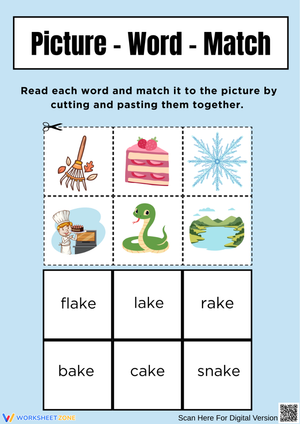
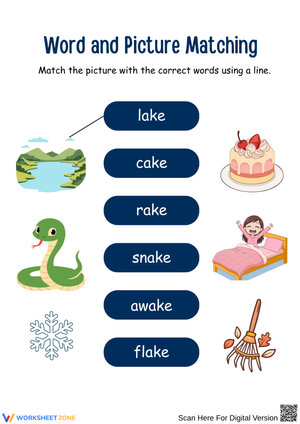
For English language learners, the picture-supported worksheets carry more weight than the text-only versions, particularly during the CVC and blend units when vocabulary is still developing alongside phonics. Pairing each target word with its image reduces the chance that an unfamiliar word — "crib" or "sled," for example — derails a spelling task entirely. Printing the spelling patterns worksheets resources at 125% enlargement also helps students who have difficulty tracking text at standard size, and the format holds cleanly at that scale.
Standard Alignment
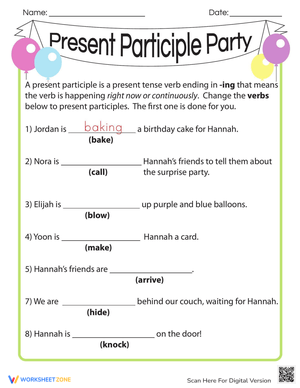
These worksheets align to CCSS.ELA-LITERACY.RF.1.3, which requires first graders to know and apply grade-level phonics and word analysis skills, including consonant blends, digraphs, vowel teams, and the CVCe pattern. The sequence across the set follows the order implied by RF.1.3's sub-standards: simple one-to-one letter-sound correspondences first, then multi-letter units, then long-vowel patterns. For second grade, the relevant standard is RF.2.3, which extends the expectation to distinguishing long and short vowels in one-syllable words and decoding words with common prefixes and suffixes — the advanced vowel team and morphology worksheets in the set address both of those demands directly.
Frequently Asked Questions
How do I know when a student is ready to move to the next pattern?
Accuracy on familiar words isn't enough on its own. Take any word-sort worksheet from the current unit, write two or three nonsense words in the margin, and see if the student places them correctly. Successful categorization of items they've never seen before is the real evidence that the rule is working rather than the specific words being memorized. If they file "drope" correctly under the silent-e column, they're ready to move forward.
Do these work for third graders who missed earlier phonics instruction?
Yes, and without much adjustment. The format isn't visually elementary — it's structured practice — so older students don't typically resist it the way they might resist something covered in cartoon animals. Start with a diagnostic sort at the blend or digraph level to find where the gap begins, then move forward from there. Having the spelling patterns worksheets resources available as individual downloads makes it practical to pull only the unit a student needs rather than working through a bound sequence in fixed order.
What do I do with vowel team words that break the expected pattern, like "said"?
Treat them explicitly as exceptions rather than trying to construct a rule that covers them. When "said" surfaces during a vowel team unit, tell students directly: this word uses the ai letters but makes the short-e sound, and we just have to know it. Adding irregular words to a separate "rule-breakers" section of the word wall — clearly distinct from the pattern words — prevents students from using those outliers as evidence that the pattern itself doesn't hold. The exercises in this set focus on regular, predictable instances precisely so the pattern is clean and consistent when students first encounter it.
How often should I return to earlier patterns once the class has moved on?
Once every two weeks is a reasonable maintenance interval. A five-item review sort at the start of a lesson takes about three minutes and catches drift before it becomes a real regression. The word-sort worksheets from earlier units work well for this: cut them into individual word cards and run a quick whole-group sort rather than having students complete the full exercise again. The physical act of handling and placing cards re-engages the pattern knowledge faster than a written review does.












 Interactive Worksheet Maker
 Quiz Maker
 Word Search Maker
 Crossword Puzzle Maker
 Word Scramble Generator
 Sentence Scramble Generator
 Handwriting Worksheet Generator
 Name Tracing Generator
 Fill In The Blank Generator