The Critical Role of High Frequency Words in Early Literacy
High-frequency words are the building blocks of early reading success. These are the words that appear most often in printed materials, from simple picture books to complex narrative texts. In the initial stages of literacy development, students must recognize these words quickly to build the reading fluency necessary for deeper comprehension. When a student can identify high-frequency words at a glance, they conserve cognitive energy for decoding more challenging vocabulary and processing the meaning of the text. This automaticity is a hallmark of a proficient reader and serves as the foundation for all subsequent academic achievement in language arts. Without this base, students often struggle to keep up with the increasing demands of the primary curriculum.
Research indicates that high-frequency words account for roughly 50% of the words encountered in early reader texts. This means that a student who masters a relatively small set of words can successfully identify half of the vocabulary in their library. This statistical reality highlights why teachers prioritize high-frequency word instruction in the primary grades. By focusing on these high-leverage words, teachers provide students with immediate access to a significant portion of written language, boosting their confidence and independence as they begin their reading journey. This approach is particularly effective for students who may be hesitant or struggling with the initial phases of phonics instruction.
Enhancing Fluency through Orthographic Mapping
Orthographic mapping is the mental process that readers use to store words for immediate retrieval. It is not merely a matter of visual memorization; rather, it involves connecting the sounds of a word (phonemes) to the letters that represent those sounds (graphemes). While some high-frequency words are phonetically irregular, many follow standard spelling patterns. Even for irregular words, most parts of the word often align with typical phonetic rules. Understanding this process helps teachers move beyond simple flashcard drills and toward more integrated instructional methods that build lasting literacy skills. This shift in perspective allows for more effective classroom interventions.
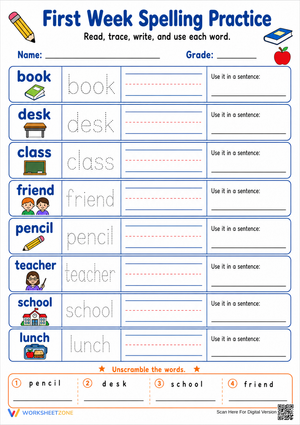
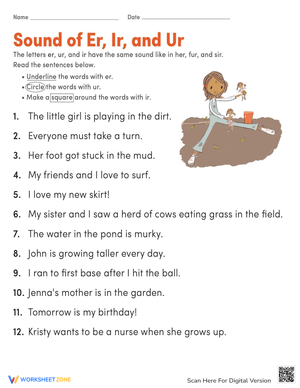
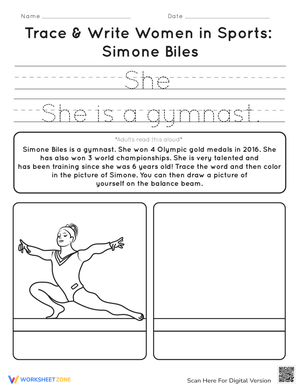
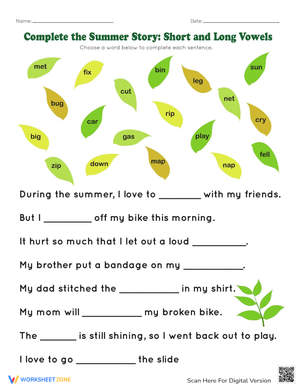
When students engage with high frequency words worksheets, they are participating in the early stages of orthographic mapping. By tracing, writing, and identifying words, students reinforce the connections between the visual symbols and the spoken language. This repetitive practice aids in the permanent storage of the word in the brain's "letter box," where it can be accessed nearly instantaneously during the reading process. The more frequently a student interacts with a word through diverse instructional activities, the more secure that word becomes in their long-term memory. This security is what allows for the rapid recognition required for fluent reading, which is the ultimate goal of early elementary literacy instruction.
The Impact of Repetitive Practice on Sight Word Recognition
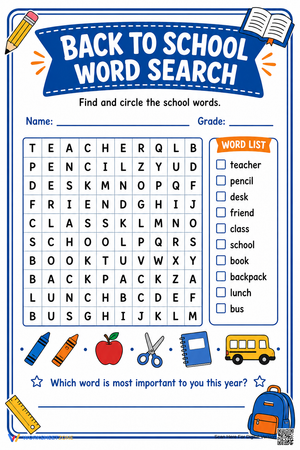
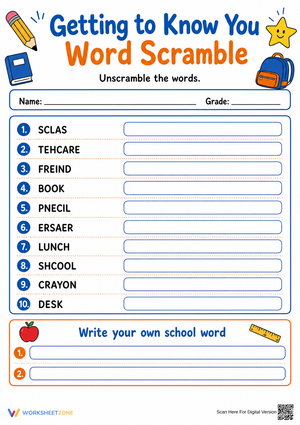
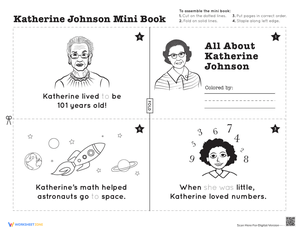
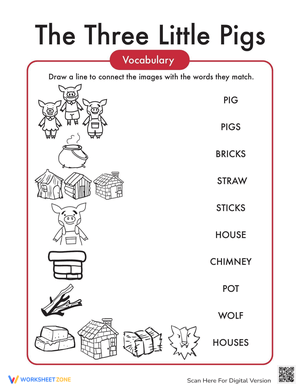
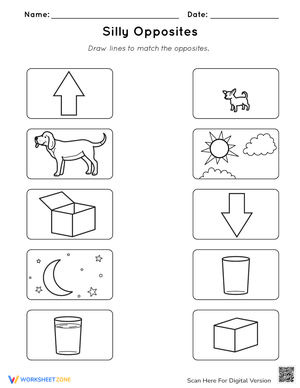
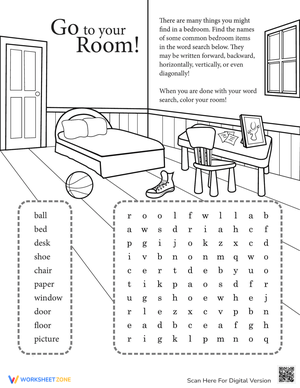
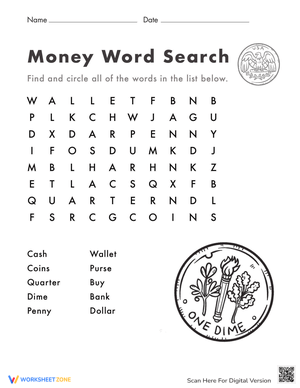
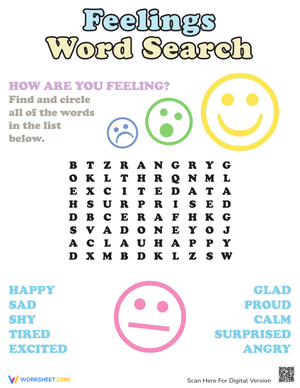
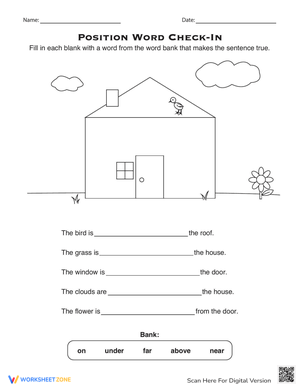
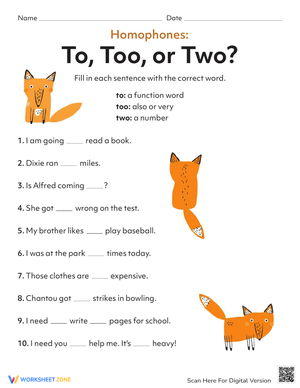
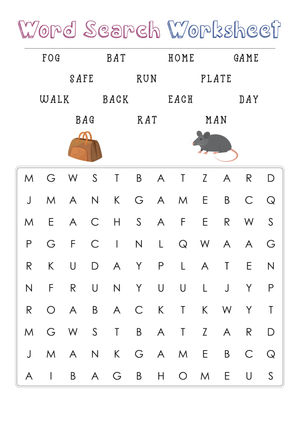
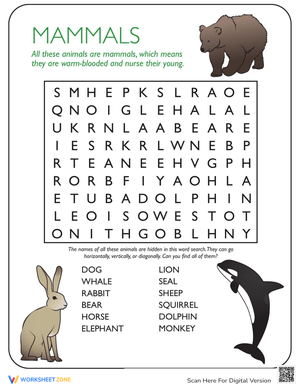
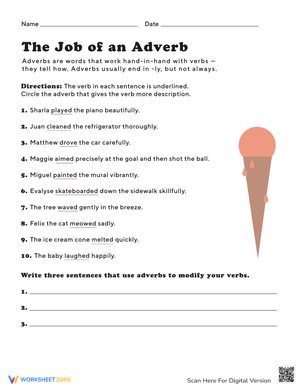
Repetition is essential for the development of sight word recognition. For a word to become part of a student's sight vocabulary, they typically need multiple exposures to it in varied contexts. High frequency words worksheets provide a structured way to achieve this repetition without it becoming monotonous. By offering different types of activities—such as word finds, sentence completion, and matching exercises—these resources keep students engaged while they work toward the same goal of automaticity. This variety is especially important for maintaining the interest of K-3 learners.
The use of printable worksheets also ensures that students have tactile opportunities to work with language. Writing a word by hand is a kinesthetic activity that reinforces learning in a way that digital practice alone sometimes cannot. The act of forming the letters helps to anchor the word in the student's mind, creating a multisensory experience that supports different learning styles. In a busy classroom environment, these worksheets serve as an accessible option for independent work stations, allowing the teacher to focus on small-group interventions while the rest of the class practices their essential word lists.
Citation: Insights on Sight Words from Reading Rockets
According to insights from Reading Rockets, high-frequency words account for approximately 50% of the vocabulary found in early reader texts. This data point underscores why mastering these specific words is a fundamental step for K-3 students building the foundational reading fluency required for complex comprehension later in their academic careers.
Classroom Implementation for K-3 Teachers
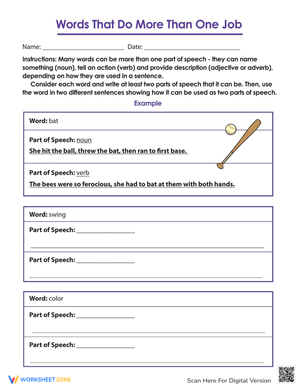
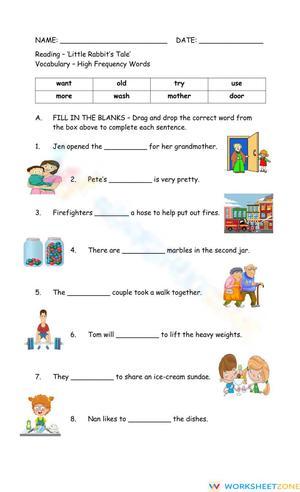
Integrating high frequency words worksheets into a daily literacy block requires a strategic approach to ensure maximum impact. One effective method is to use these resources during the "word work" portion of a balanced literacy program. During this time, students can work through a sequence of worksheets that progress from simple identification to more complex application. For instance, a student might start by coloring a word, then move to writing it in a sentence, and finally identify it within a short paragraph. This scaffolded approach ensures that students are moving through the stages of learning at a pace that is appropriate for their development and classroom needs.
Small-group instruction is another area where these worksheets shine. A teacher might use a specific worksheet to reinforce a word that a particular group of students is struggling with during guided reading. By focusing the practice on the specific needs of the group, the teacher can provide immediate feedback and correction, which is essential for preventing the formation of incorrect reading habits. These focused sessions allow for a high level of differentiation, ensuring that each student is working on the words that will most benefit their individual reading progress. The printable nature of these PDFs makes it easy to print only what is needed for each small group, reducing waste and focusing instructional time.
Frequently Asked Questions
1. What is the difference between high-frequency words and sight words?
While the terms are often used interchangeably, there is a technical difference. High-frequency words are those that appear most often in the English language. Sight words are any words that a reader can recognize instantly without having to decode them. The goal of instruction is to turn high-frequency words into sight words through repetitive practice and orthographic mapping, allowing the reader to access them automatically during the reading process. This transition is essential for developing the speed and accuracy required for fluent reading in early elementary school.
2. How often should students practice high-frequency words for optimal retention?
Consistency is more important than duration. Short, daily practice sessions of 10 to 15 minutes are generally more effective for young learners than longer, infrequent sessions. Using high frequency words worksheets for a few minutes each day provides the repetitive exposure needed to move words from short-term to long-term memory. Over time, these daily sessions build the automaticity required for fluent reading and lasting literacy success. Regular practice helps ensure that students do not forget the words they have previously learned.
3. What makes high-frequency words essential for reading fluency?
Reading fluency is the ability to read text accurately, quickly, and with proper expression. Since high-frequency words make up a significant portion of most texts, being able to recognize them instantly significantly increases a student's reading speed and accuracy. When these common words are mastered, the reader's brain is free to focus on the meaning of the story and on decoding the rarer, more difficult words. This is why these words are considered the foundation of fluent reading and are a primary focus of K-3 literacy instruction.
4. How can PDF worksheets support different learning styles?
PDF worksheets are versatile tools that can be used to support visual, kinesthetic, and even auditory learners. Visual learners benefit from seeing the words in different fonts and contexts. Kinesthetic learners benefit from the act of writing and tracing the words. Auditory learners can be supported by having them say the sounds and the words aloud as they work through the exercises. By incorporating a variety of tasks, these worksheets provide a multisensory learning experience that reaches all students and helps them engage with the material in a way that works best for them.
5. Which lists of high-frequency words are most recommended for K-3?
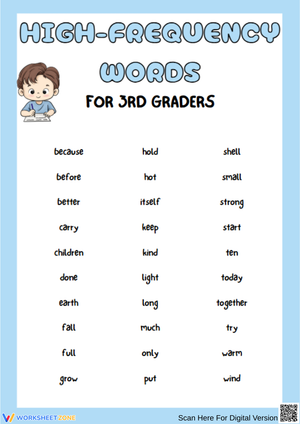
Commonly recommended lists for the K-3 grade levels include the Dolch Sight Word list and the Fry Instant Word list. Both of these lists are based on the frequency of words in children's literature and general English texts. Regardless of the list used, the strategies for instruction remain the same: consistent practice, orthographic mapping, and frequent exposure in various reading and writing contexts. Teachers should choose the list that best aligns with their classroom materials and instructional goals to ensure a cohesive learning experience for their students.












 Interactive Worksheet Maker
 Quiz Maker
 Word Search Maker
 Crossword Puzzle Maker
 Word Scramble Generator
 Sentence Scramble Generator
 Handwriting Worksheet Generator
 Name Tracing Generator
 Fill In The Blank Generator