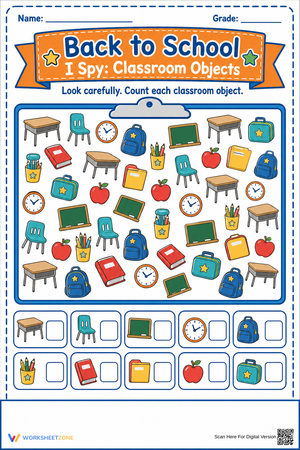
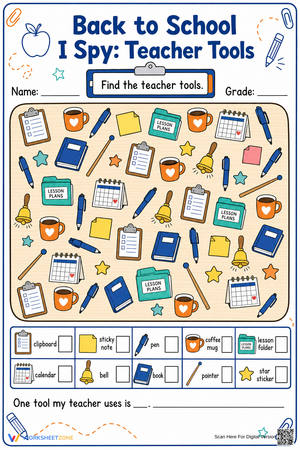
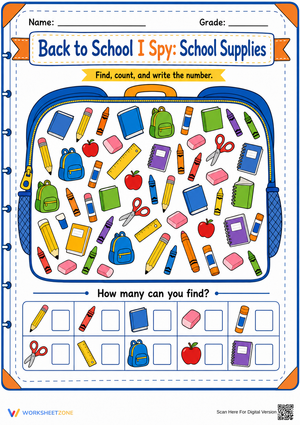
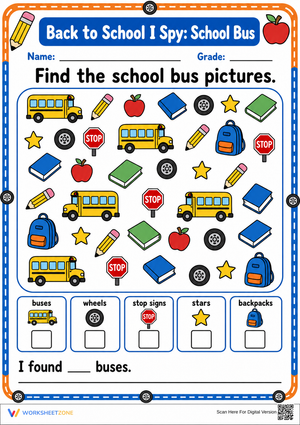
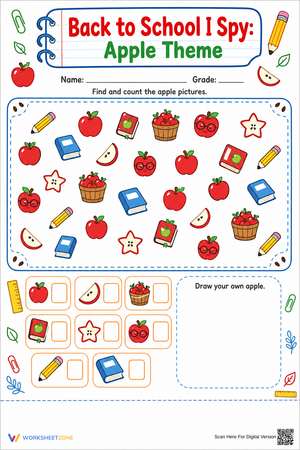
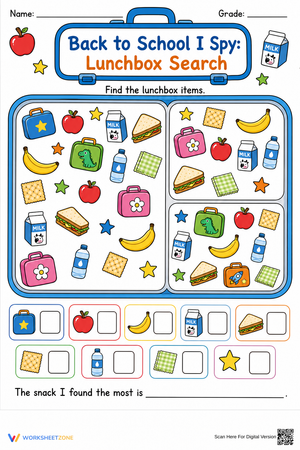
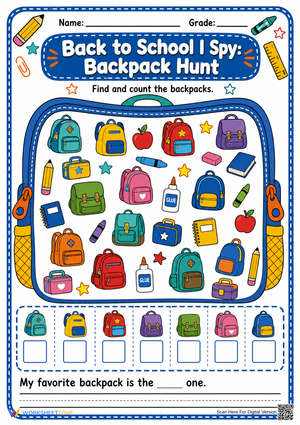
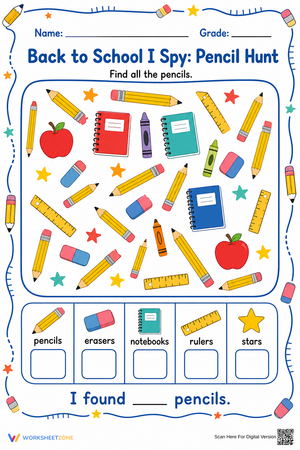
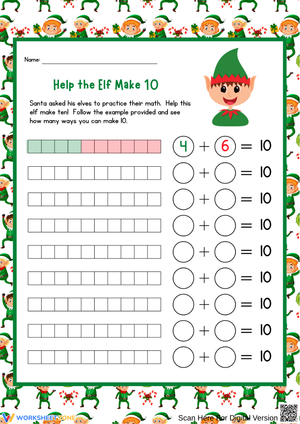
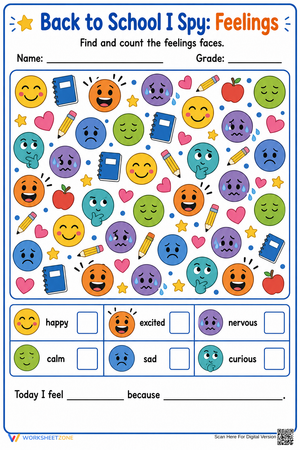
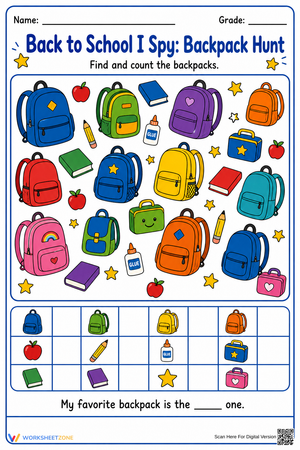
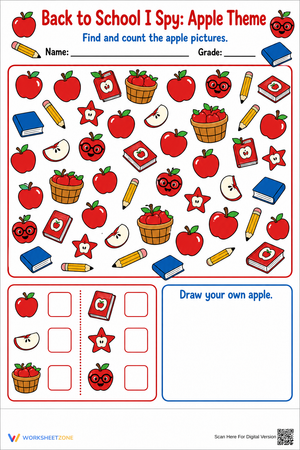
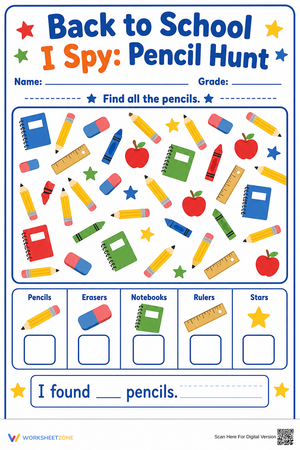
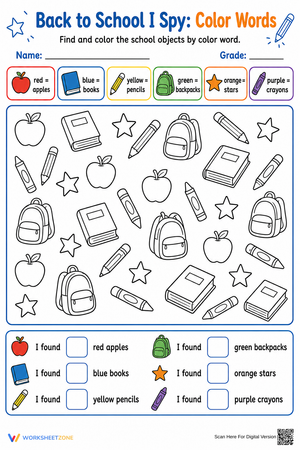
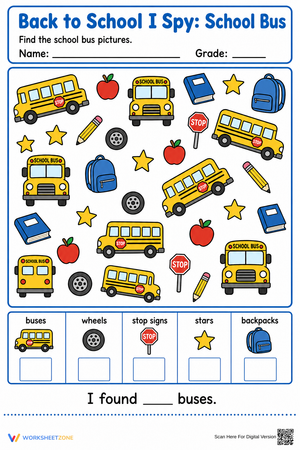
A well-sequenced set of counting worksheets gives you a low-prep way to see exactly where each child sits on that spectrum. Rather than treating worksheets as busywork, use them as a structured practice tool that mirrors the progression laid out in the Counting and Cardinality domain, so every page connects directly to a skill you're already expected to teach.
Sequence Worksheets From 10, to 20, to 100 Across the Year
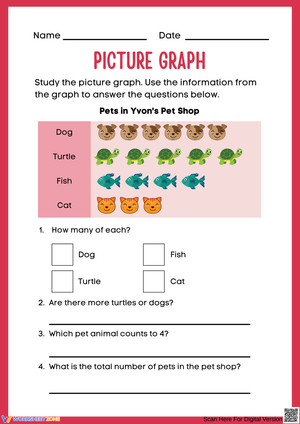
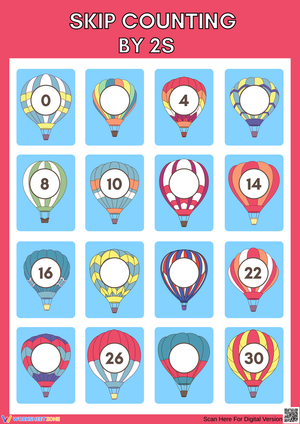
Counting to 100 by ones and by tens, and counting forward from any given number within that range, is a full-year kindergarten expectation, not a single unit. Structure your counting worksheets in three broad phases. Early fall worksheets should stay within 10, focusing on accuracy and one-to-one correspondence with small, organized sets. Winter worksheets can extend to 20, introducing numeral writing 0-20 and asking students to represent a counted group with the matching written numeral. By spring, worksheets should stretch toward 100, practicing skip patterns by tens and forward counting from a given starting number rather than always starting at one.
Use Ten-Frames and Arrays to Support Kindergarten Structured Counting
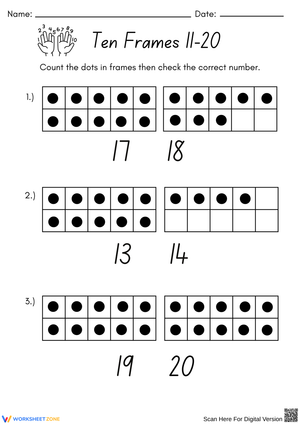
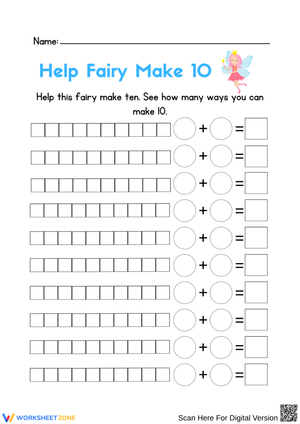
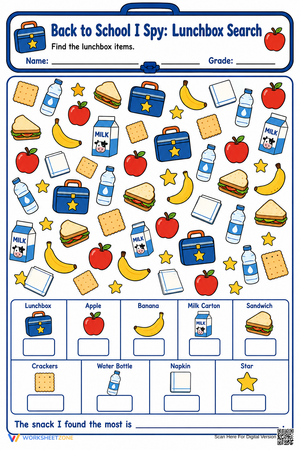
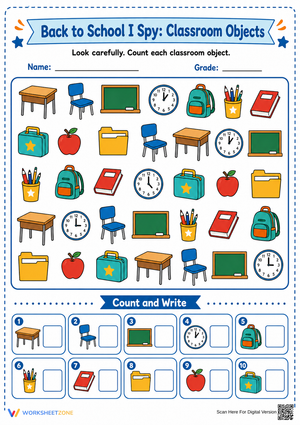
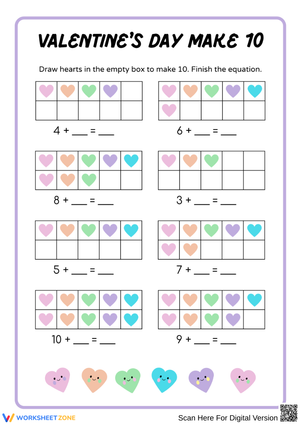
Counting up to 20 objects arranged in a line, array, or circle, and up to 10 objects in a scattered arrangement, is a specific benchmark your worksheets should target directly. Ten-frame worksheets are especially useful here because the fixed grid structure removes some of the visual tracking difficulty that scattered arrangements create, letting you isolate whether a student struggles with the counting sequence itself or with visually tracking which objects they've already counted. Once students count reliably on a ten-frame, shift them to circular and scattered arrangements, which are harder because there's no natural starting or stopping point.
Classroom Implementation
Build a simple rotation so counting worksheets don't become repetitive or disconnected from the rest of your math block. During whole-group instruction, use a worksheet as a shared warm-up projected on the board, counting aloud together before students work independently. During centers, place a stack of worksheets at the range each small group is currently working on, so a table working within 10 isn't handed a worksheet meant for counting to 50. During small-group intervention, use the worksheet as the closing check after a manipulative-based lesson, so you can compare performance with and without physical objects. Keep a simple tracking sheet noting which counting range each student has mastered so you can regroup students as skills shift throughout the year.
Frequently Asked Questions
1. What should a kindergarten counting worksheet cover first: numbers to 10 or to 20?
Start within 10. Counting up to 10 objects, especially in scattered arrangements, is the foundational benchmark, and one-to-one correspondence needs to be solid before extending to numeral writing 0-20 and larger sets.
2. How do counting worksheets support the CCSS Counting and Cardinality domain?
They give students repeated, low-stakes practice with the specific skills named in the domain: counting to 100 by ones and tens, writing numerals 0-20, counting objects in various arrangements, and comparing groups by size.
3. How can teachers use counting worksheets for small-group math intervention?
Pair each worksheet with manipulatives first, having students build the set physically before marking it on paper, then use the worksheet alone afterward as a check for whether the skill has transferred without support.
4. How often should kindergarten teachers assign counting practice worksheets?
Short counting worksheets work well as a daily or near-daily warm-up, since counting fluency depends on frequent, brief practice rather than occasional long sessions, especially early in the year while the sequence is still developing.













 Interactive Worksheet Maker
 Quiz Maker
 Word Search Maker
 Crossword Puzzle Maker
 Word Scramble Generator
 Sentence Scramble Generator
 Handwriting Worksheet Generator
 Name Tracing Generator
 Fill In The Blank Generator