If you teach kindergarten, you already know most of your students cannot decode a full page of text on their own. That does not mean comprehension instruction has to wait. Kindergarten reading comprehension worksheets give you a concrete, repeatable way to build the thinking skills students need long before independent reading takes hold: retelling a story in order, predicting what happens next, and connecting new vocabulary to pictures and read-alouds.
National reading data make the case for starting early. Only about 35 percent of students reach a strong proficiency benchmark on the most recent large-scale reading assessment, and nearly four in ten scored below even a basic level, with state results ranging widely. Those numbers describe students years past kindergarten, but the pattern begins with how early comprehension habits are built, which is exactly the window your worksheets and read-aloud routines are working in.
How the Simple View of Reading Shapes Kindergarten Practice
A useful way to think about comprehension worksheets is through the Simple View of Reading: comprehension is the product of word recognition and language comprehension, and a weakness in either one limits the outcome. Kindergarten students are still building word recognition through phonics and print awareness, so worksheets that focus purely on language comprehension, listening for main idea, sequencing events, identifying characters, let you strengthen that half of the equation without requiring independent decoding.
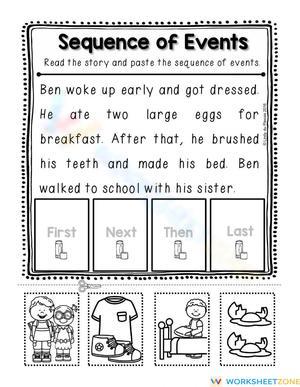
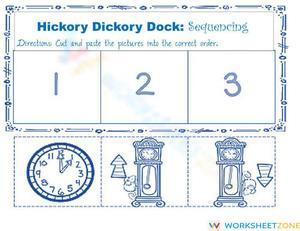
This is why a picture-based sequencing worksheet can be just as valuable as a phonics page in a kindergarten literacy block. It isolates the comprehension skill from the decoding demand, so a student who cannot yet sound out words can still demonstrate that they understood a story structure. Tracking that separately gives you a clearer signal about where a student actually needs support.
Retelling and Sequencing Worksheets Build Narrative Comprehension
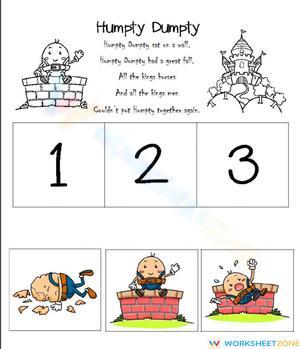
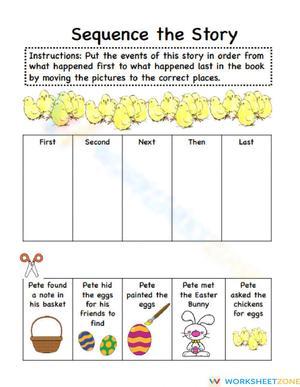
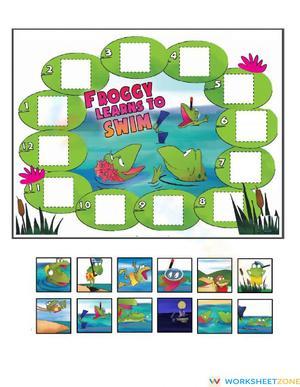
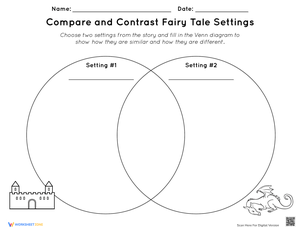
Retelling is one of the first comprehension skills kindergarten students can demonstrate reliably, and worksheets built around it, first, next, then, last boxes, simple story maps, character and setting call-outs, give you a low-prep way to check whether a read-aloud actually landed. Pair a retelling worksheet with a shared text you have already read twice, once for enjoyment and once with a specific comprehension focus, so students are applying a skill rather than guessing at content.
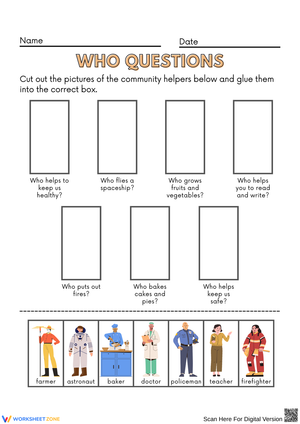
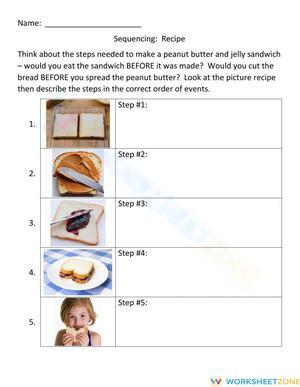
Sequencing worksheets work the same way for procedural texts and simple narratives. When a student can put four picture cards in the correct order, they are showing you they tracked cause and effect, even if they cannot yet write a sentence explaining why. Use these worksheets across a week so the skill becomes routine rather than a one-off activity.
Picture-Supported Worksheets Bridge Read-Alouds and Independent Skills
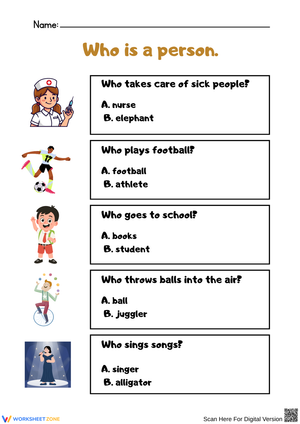
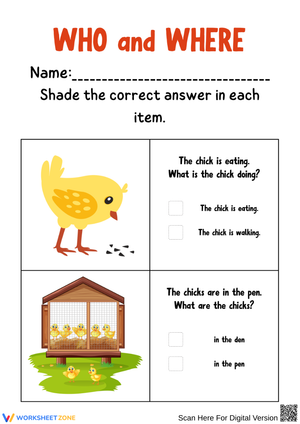
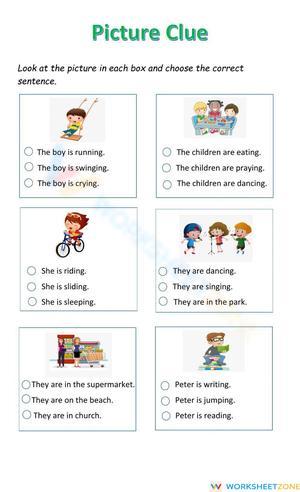
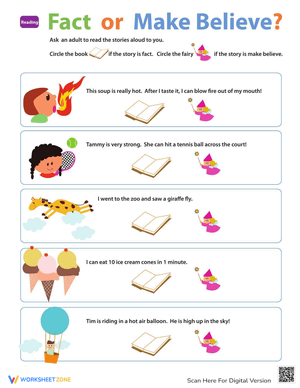
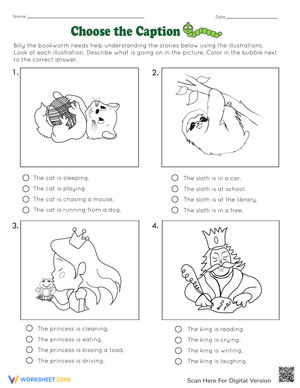
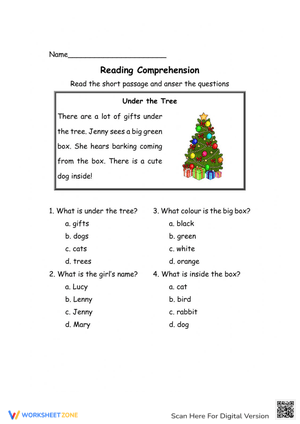
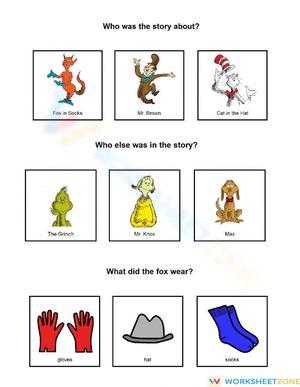
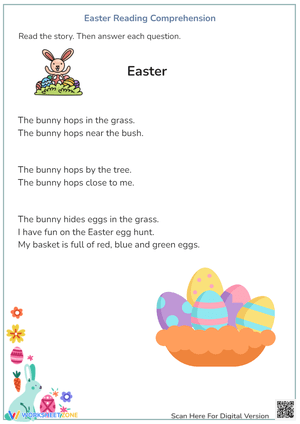
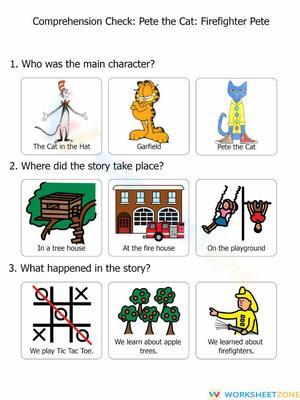
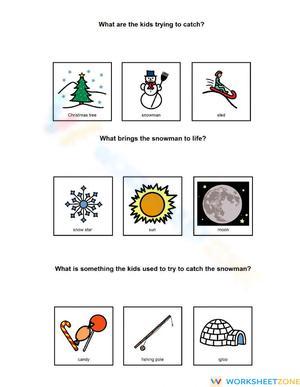
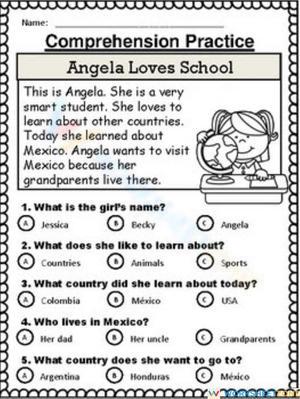
Most kindergarten comprehension worksheets should lean on pictures, not text density, because your students are comprehending through listening far more than through reading at this stage. A worksheet that pairs a short read-aloud with picture-based questions, point to the character who felt scared, circle what happened first, lets every student participate regardless of where they are in decoding development.
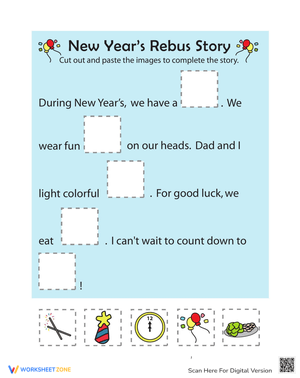
This approach also supports English language learners and students with speech or language delays, since they can respond by pointing or circling rather than producing full sentences. As the year progresses, you can gradually add short word banks or simple sentence starters to the same worksheet formats, building a bridge toward more independent written responses by the end of the year.
Classroom Implementation
Start each week by choosing one comprehension focus, retelling, sequencing, prediction, or vocabulary, and select a worksheet format that matches it rather than rotating formats randomly. Introduce the worksheet immediately after a read-aloud while the story is fresh, and model the first item together as a class before releasing students to complete the rest independently or with a partner.
- Use retelling and sequencing worksheets in whole-group settings right after a shared read-aloud.
- Reserve picture-matching and vocabulary worksheets for centers, since they require less direct teacher support.
- Bring struggling readers into a small group with the same worksheet, but talk through each picture aloud before they mark an answer.
- Keep a simple folder of completed worksheets per student so you can see growth in sequencing and retelling accuracy over the year.
Sustained, well-supported early literacy instruction has been linked to stronger later reading outcomes in states that invested in ongoing teacher development tied to core curricula, which suggests that consistency in how you use these worksheets across the year matters as much as any single activity.
Frequently Asked Questions
1. How should teachers introduce comprehension worksheets to kindergarten students who cannot yet read independently?
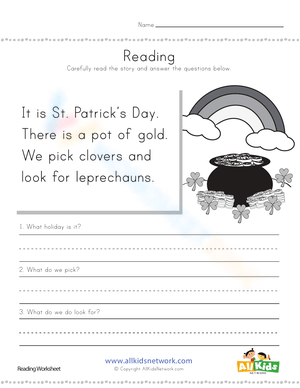
Always pair the worksheet with a read-aloud or verbal instructions rather than expecting students to read the text on their own. Read the prompt aloud, model the first question together, and let students respond by pointing, circling, or drawing before you introduce any written response.
2. What comprehension skills should kindergarten worksheets target first?
Start with retelling and sequencing, since these skills are the easiest to observe and score in young students. Once students are comfortable putting events in order, add prediction worksheets that ask what might happen next, followed by simple vocabulary and character-identification tasks.
3. How often should kindergarten teachers use comprehension worksheets for formative assessment?
A short worksheet two to three times a week, tied to your current read-aloud, gives you enough data to plan small groups without overloading instructional time. Save more detailed worksheets for the end of a unit when you want a fuller picture of retention.
4. How can these worksheets support struggling readers or students needing extra intervention?
Use the same worksheet format in a small group, but slow down the pacing and talk through each picture or line before a student answers. Because the tasks are picture-supported rather than text-heavy, they let you isolate whether the difficulty is comprehension, attention, or language rather than decoding, which helps target the right kind of support.












 Interactive Worksheet Maker
 Quiz Maker
 Word Search Maker
 Crossword Puzzle Maker
 Word Scramble Generator
 Sentence Scramble Generator
 Handwriting Worksheet Generator
 Name Tracing Generator
 Fill In The Blank Generator