Why Holiday Math Worksheets Earn a Spot in December Lesson Plans
Walk into almost any elementary or middle school building in mid-December and you will feel it: the countdown chatter, the field trip buzz, the general drift toward winter break. Teachers describe December as one of the most distraction-heavy stretches of the school year, with students anxious and prone to drift off task well before the first snow flurry. That does not mean instruction stops. It means the format has to work harder to hold attention while still moving students toward grade-level goals.
Holiday math worksheets solve a real scheduling problem. They let a teacher swap a plain fact-fluency page for a candy-cane word problem or a snowflake-themed multiplication grid without changing the underlying skill being practiced. Students see something new and seasonal on the page; the teacher still gets data on whether a student can add within 20 or reduce a fraction. That dual purpose, festive on the surface and standards-driven underneath, is what separates a worksheet worth printing from a worksheet that is only decoration.
Grade-Band Breakdown: K-2 Fact Fluency to Middle School Ratios and Integers
Holiday math worksheets are not one product. What lands on a kindergarten desk looks nothing like what a seventh grader gets, and that gap matters when a school is stocking a shared resource folder for December.
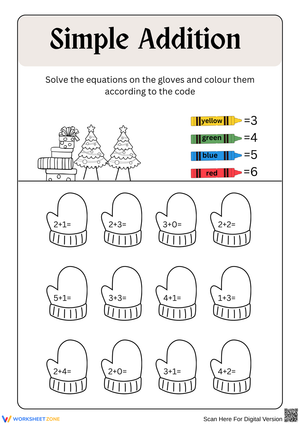
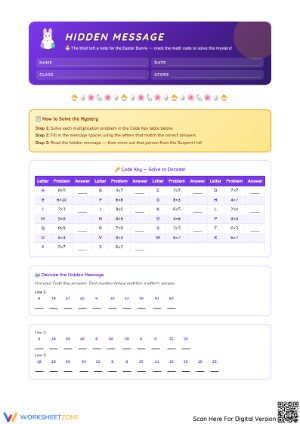
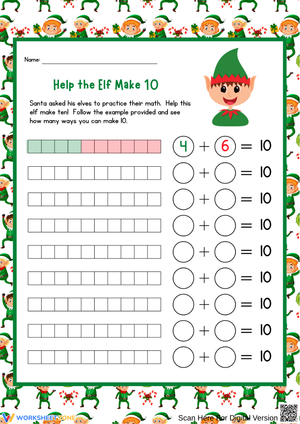
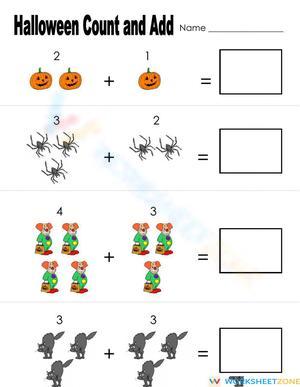
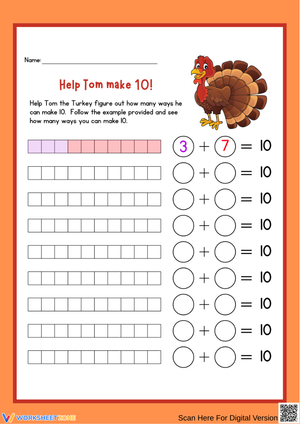
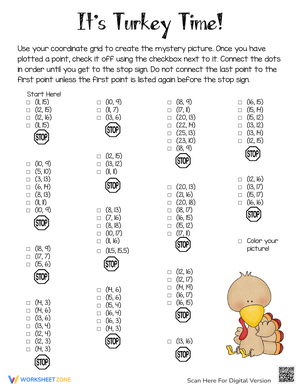
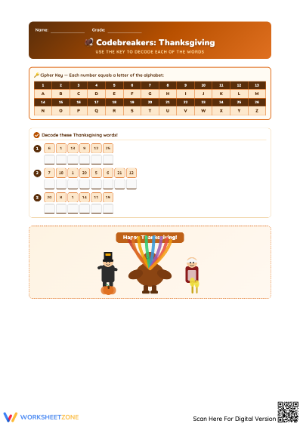
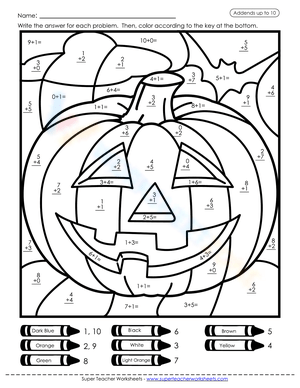
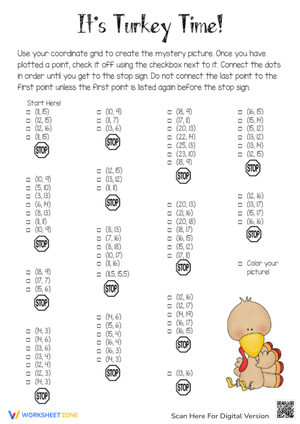
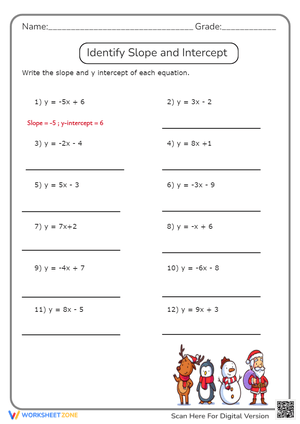
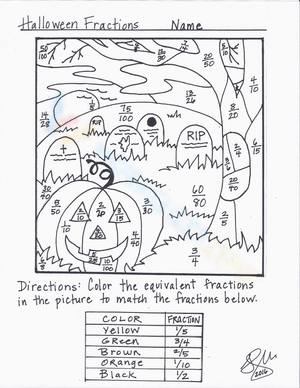
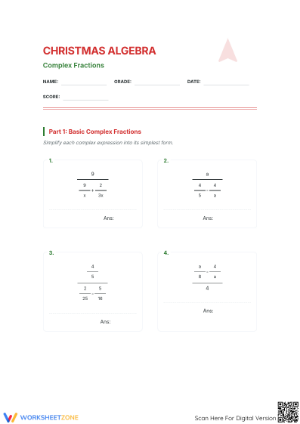
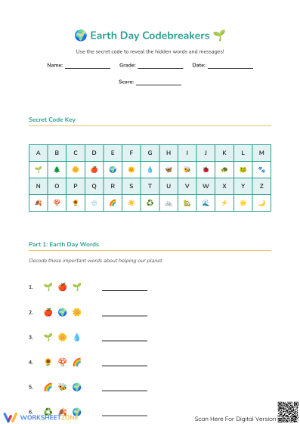
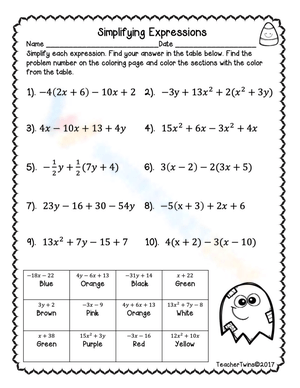
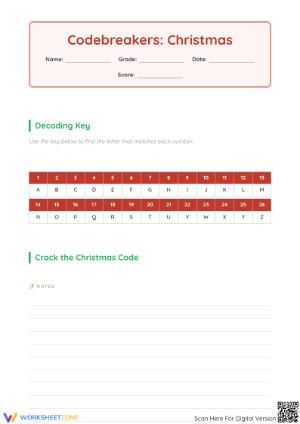
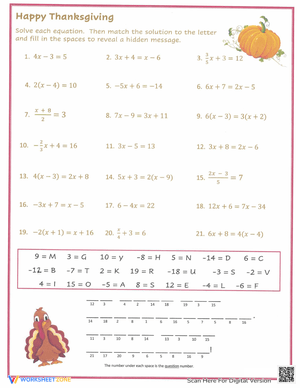
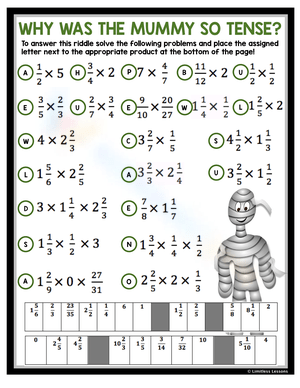
In K-2 classrooms, the priority is fact fluency: addition and subtraction within 10 and within 20, counting sequences, and simple missing-number problems, all wrapped in reindeer, mitten, or gift-box graphics that keep young learners engaged during repetitive practice. In grades 3-5, worksheets shift toward multi-digit addition and subtraction, multiplication facts, early fraction work, and word problems built around holiday shopping lists, cookie recipes, or travel distances to grandparents houses. Middle school pages lean into ratios, percentages, integers, and order of operations, often disguised as puzzles: color-by-answer grids, riddle codes, or budgeting scenarios tied to holiday spending. Matching the worksheet to the grade band is what keeps the practice rigorous instead of merely cute.
Keeping Festive Pages Standards-Aligned Instead of Just Filler
A themed worksheet is only useful if the math underneath still points at something a teacher is accountable for teaching. For early elementary teachers, that reference point is often CCSS.MATH.CONTENT.1.OA.C.6, which sets an expectation that students build fluency with addition and subtraction within 10, and within 20, using a range of strategies rather than memorization alone. Computational fluency under the Common Core framework is defined as efficient, accurate, and flexible computing, not simply fast recall, and holiday worksheets that ask students to show their strategy alongside a decorated border are doing more than filling class time.
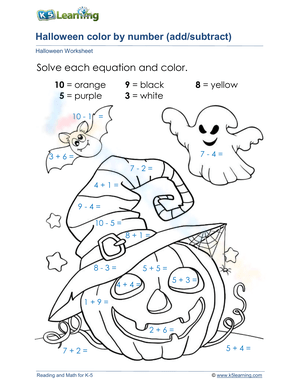
Per CCSS.MATH.CONTENT.1.OA.C.6, first graders must reach fluency in addition and subtraction within 10, and within 20 using strategies, by year's end; Third Space Learning notes themed December practice keeps that fluency work moving without losing focus during the final stretch before winter break.
When a teacher is choosing between two holiday packets, the deciding question should be whether the problems still require the target skill, or whether the seasonal art has replaced actual reasoning. A gingerbread-themed page asking students to add two-digit numbers with regrouping is standards work in costume. A page that only asks students to color a shape by a random number is not.
Using Holiday Math Worksheets for Sub Plans and Low-Prep Days
December is also peak season for teacher absences, professional development days, and half-days before break, which means substitute plans need to be nearly self-explanatory. Holiday math worksheets are well suited to this because the instructions are usually short, the skill is already familiar to students, and the seasonal theme keeps a substitute-led classroom calmer than a cold, unfamiliar assignment might.
A practical sub-plan folder can include a leveled worksheet for the current unit, a review page from a skill taught earlier in the fall, and an enrichment page for students who finish early, all sharing the same holiday theme so the room feels coordinated even without the regular teacher present. Because the content still maps to grade-level standards, a sub day does not have to mean a lost day of math progress.
Morning Work, Centers, and Small-Group Intervention
Beyond whole-class instruction, holiday math worksheets slot naturally into the routines many elementary and early-middle classrooms already run. As morning work, a single page reviewing the prior day's skill gives students something structured to start with while attendance and announcements happen. In math centers, a themed worksheet can serve as the independent station while the teacher pulls a small group for direct instruction.
For small-group intervention specifically, holiday worksheets are useful precisely because they do not look like remediation. A student working below grade level on subtraction within 20 can practice the same skill as classmates, just at a more scaffolded difficulty, without the page looking noticeably different from what peers are doing. That kind of quiet differentiation matters for student confidence during a season already full of social distraction.
Differentiating for Early Finishers and Students Needing Support
One packet rarely fits every student in a room, so many teachers keep two or three versions of the same holiday theme at different difficulty levels. Early finishers can move to a challenge page with multi-step word problems or a logic puzzle built around the same holiday characters, keeping them engaged instead of idle while classmates catch up.
Students who need more support benefit from a version with fewer problems per page, larger visual supports, or a number line built into the worksheet itself. Because the theme stays constant across versions, the room feels unified even when the underlying difficulty is not, which reduces the stigma some students feel around modified work.
Classroom Implementation
Rolling out holiday math worksheets works best with a short plan rather than a last-minute print job. A few practices that hold up across grade bands:
- Pick one skill per worksheet so data stays clean; a page mixing five different objectives is hard to use for grading or reteaching.
- Keep a folder of three difficulty tiers per theme so differentiation takes seconds, not a new prep session.
- Reserve one worksheet per week as a formative check, not just practice, so December does not become a data gap before report cards.
- Pair worksheets with a two-minute strategy share, since fluency standards call for flexible methods, not only correct answers.
- Save a stack in the sub folder before the first snow day request comes in.
None of this requires new curriculum. It is mostly about treating the holiday theme as a wrapper around the same instructional decisions a teacher already makes in any other month.
Balancing Festive Engagement With Real Rigor
It is worth naming the trade-off directly: a worksheet covered in ornaments is not automatically better instruction than a plain one, and a teacher chasing engagement alone can end up with a packet that is fun but light on actual skill demand. The strongest holiday math resources keep the same rigor a teacher would expect in October, just delivered through a seasonal lens that happens to match what students are already talking about in the hallway.
That balance is also why grade-band accuracy matters so much. A third-grade teacher handing out a worksheet built for kindergarten fact fluency, just because it has the right holiday graphics, is trading rigor for theme. Matching both the skill level and the season is what makes the practice worth the class time it takes.
Frequently Asked Questions
1. What grade levels are holiday math worksheets appropriate for?
Holiday math worksheets span K-8. Early elementary versions focus on fact fluency within 10 and within 20, upper elementary pages cover multi-digit operations and fractions, and middle school versions typically involve ratios, integers, and order of operations.
2. Can holiday math worksheets be used as substitute teacher plans?
Yes. Their clear instructions and familiar skill focus make them a low-prep option for sub days, half-days before break, or unplanned absences, especially when paired with an answer key.
3. Do holiday math worksheets align with Common Core standards?
Well-designed versions do. For example, first-grade addition and subtraction worksheets can target CCSS.MATH.CONTENT.1.OA.C.6, which calls for fluency within 10 and within 20 using flexible strategies rather than rote recall.
4. How can teachers use holiday math worksheets for small-group or intervention time?
Teachers can hand a leveled, holiday-themed page to a small group so the practice matches classmates visually while the difficulty is scaffolded to each student's current skill level.
5. Are holiday math worksheets useful for early finishers and morning work?
Yes. A quick review page works well for morning routines, and a challenge version of the same theme keeps early finishers working instead of waiting for the rest of the class.