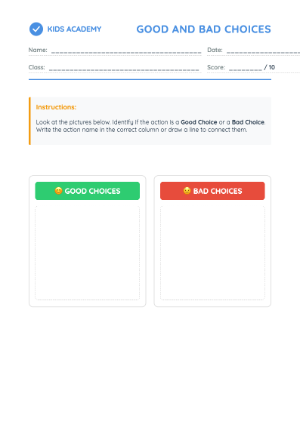
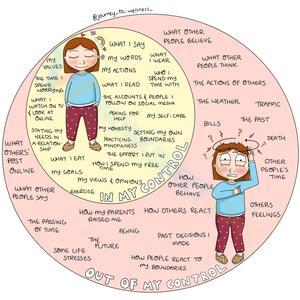
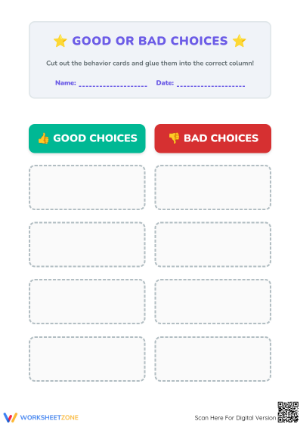
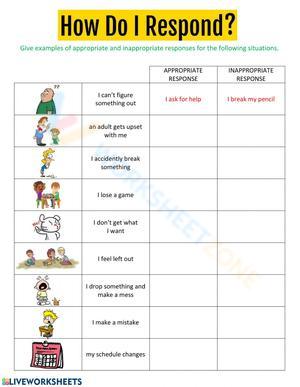
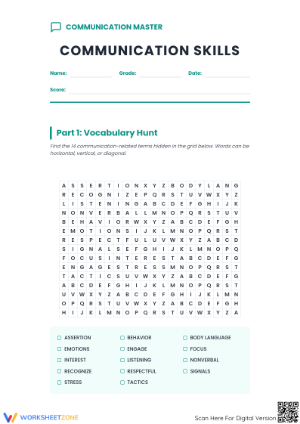
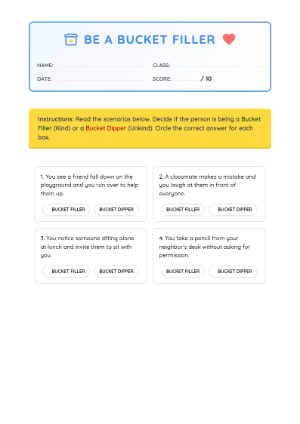
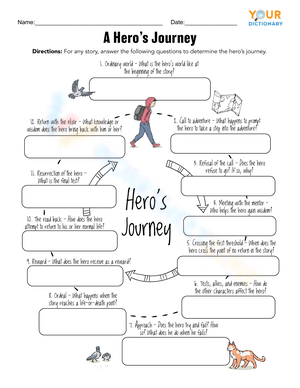
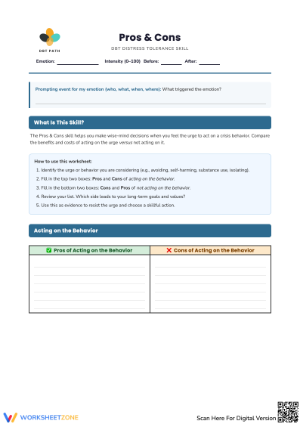
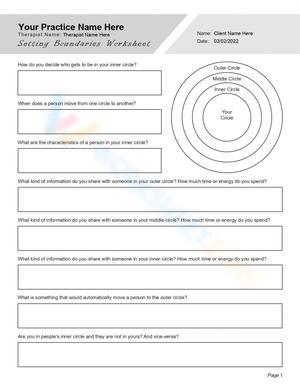
These behavior worksheets pdf for 9th grade give advisory teachers, classroom teachers, and school counselors a set of structured reflection tools built around the decision points that matter most in a high school — what was happening before the disruption, what triggered the response, who was affected, and what one realistic next step looks like. Each worksheet stands alone, so teachers can match the format to the situation rather than walking students through a sequence. The set holds up across homeroom, SEL periods, Tier 2 intervention blocks, and general education content-area classrooms without requiring a separate lesson to introduce the format.
The Specific Skills Each Worksheet Targets
The set contains three distinct formats, each built for a different stage in the behavior-support process:
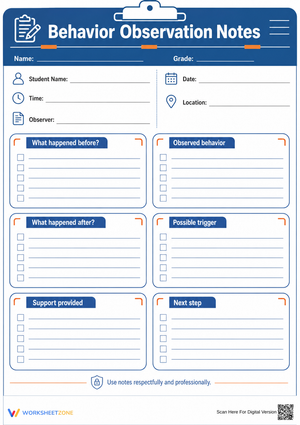
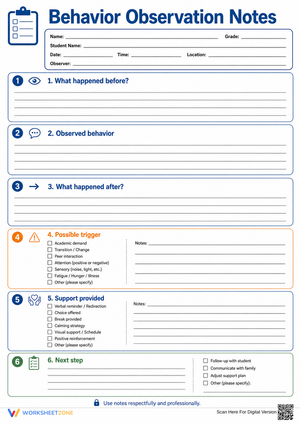
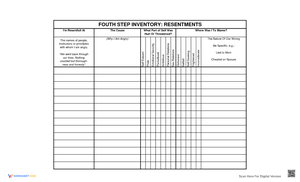
- Reflection worksheets walk students through the sequence of an incident — before, during, after — and ask them to identify at least one point where a different choice was available.
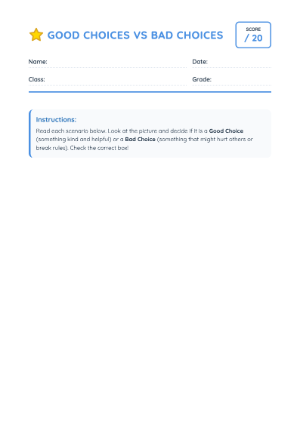
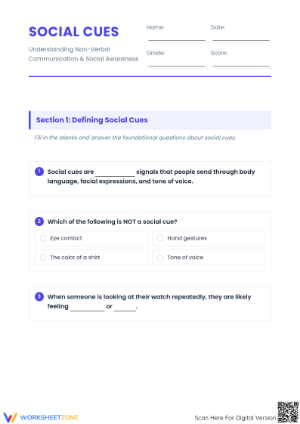
- Self-monitoring checklists ask students to rate their own focus, task completion, and respectful communication across a class period or a set of days, then review the results with a teacher or counselor.
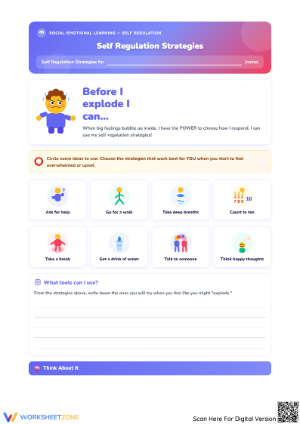
- Goal-setting worksheets ask students to name a repeating pattern and build a plan around two specific, measurable actions — not "I will do better" but something with a named trigger and a named response.
The reflection format deserves the most explanation because it is the one most likely to be rushed. Freshmen involved in a conflict tend to jump straight to justification — explaining what the other person did, why they had no choice, why the outcome was unfair. A structured prompt that starts with "what happened first" slows that process and produces more honest sequencing before the student reaches their own role in the incident. Students annotate the event, label the trigger, describe the effect on their own learning and on nearby peers, and close with one concrete action they can take by next class. The prompt structure pushes students toward specificity — "When I feel ignored during group work, I will ask the teacher for a different role" — rather than accepting broad statements like "I will not get distracted."
Student Response Patterns Teachers Should Watch For and Address
The most predictable pattern on reflection worksheets is the redirect: students describe in careful detail what someone else did and summarize their own role in a single line. This is not defiance — it is a developmentally typical response to social threat, and it signals that the student may not yet be regulated enough for written reflection to be productive. The more effective sequence is a brief verbal check-in first, then the worksheet two to five minutes later, once the student can think about their own choices rather than building a case.
Goal sections produce a second consistent pattern: empty commitments. Students write "I will be respectful" or "I will try harder" — language that sounds cooperative but gives them nothing to execute on. The worksheets address this by placing a trigger-identification prompt immediately above the goal box. When students have just named a specific trigger, their goal language tends to follow the same specificity. The structure does the work of pushing the answer toward something concrete.
A third pattern surfaces with students who have completed multiple reflection forms across the semester. Handwriting gets smaller, answers get shorter, and completion time drops to under two minutes — the student is going through the motions. Rotating formats — reflection one session, checklist the next, goal-setting after a counselor conversation — interrupts that pattern and keeps the process from becoming rote compliance.
Fitting These Resources Into Your Instructional Week
Behavior worksheets pdf for 9th grade work best when teachers decide in advance which format fits which situation, rather than reaching for whatever is available in the middle of a disruption. Three contexts drive most of the decisions:
- Post-incident: A short reflection worksheet handles a single disruption — off-task behavior, a disrespectful exchange, conflict during partner work — and takes three to five minutes when the student is calm enough to think clearly.
- Multi-day monitoring: Self-monitoring checklists work better over three or more class periods for students whose patterns are broader than one event. Students rate themselves; teachers review the results at a brief check-in.
- Advisory or counselor sessions: Goal-setting worksheets belong in a planned meeting, not handed out at the end of a contentious class period when the student has nothing left to give.
Daily timing matters as much as format choice. The last eight to ten minutes of an independent work block — when the rest of the class is finishing up and a teacher can step aside for a private conversation — is a natural slot for a reflection without pulling anyone from direct instruction. Weekly advisory check-ins before morning transition work well for the self-monitoring format. For students receiving Tier 2 MTSS support, a completed worksheet paired with a brief weekly conference gives counselors and teachers a shared record of student thinking without requiring a formal case meeting. A reflection form without a follow-up loses most of its value within a day; paired with even a two-minute check-in, it becomes the starting point of the next conversation.
Tone and Language That Holds Up With High Schoolers
Freshmen read the register of a worksheet within seconds. Clip art, sentence frames borrowed from elementary SEL curricula, and prompts like "When I feel frustrated, I can take a deep breath and count to five" signal immediately that the form was not made for them — and once that signal lands, compliance becomes the ceiling rather than genuine reflection. These worksheets use direct, matter-of-fact language: specific questions about events and choices, prompts grounded in actual freshman situations — technology distractions, hallway escalations, partner work that collapsed, directions ignored because the student had already checked out before the teacher finished speaking.
The opening question on each worksheet is the most consequential design choice in any high school behavior form. "Why did you make that choice?" invites defensiveness. "What was happening right before things got complicated?" invites memory and description — a lower-threat entry point that opens the rest of the form far more reliably. That distinction matters for students who are still activated and for those with a history of adversarial interactions with school discipline. The goal is for the form to feel like a thinking tool, not a confession document.
Adapting the Set Across a Mixed Caseload of Ninth Graders
For students who write slowly, struggle with expressive language, or are at the early stages of a support plan, the checklist worksheets reduce the production demand without lowering what is cognitively required. Students still have to evaluate their own behavior — they are simply marking a rating scale and adding a phrase or two rather than constructing full sentences while still emotionally activated. Teachers can layer in a verbal debrief alongside checklist completion for students who communicate more fluently in conversation than in writing.
Students at the other end — those who complete reflection forms quickly and articulately but show little change in behavior across weeks — are often ready for the goal-setting worksheet, which requires identifying a pattern across multiple incidents and building a strategy rather than narrating one event. That move from event-level reflection to pattern recognition is a real step up in self-management, and it often reveals whether a student has genuine self-awareness or has learned to produce polished answers on autopilot. Behavior worksheets pdf for 9th grade that cover this range let teachers match the tool to where the student actually is in developing self-management, rather than cycling every student through the same format regardless of progress.
Frequently Asked Questions
Which worksheets work best immediately after a classroom incident?
The short reflection worksheets — the before/during/after format — are most useful right after an incident, provided the student is calm. The format completes in about five minutes and generates enough specific information to anchor a brief follow-up conversation. Self-monitoring checklists and goal-setting worksheets are better suited for planned check-ins rather than spontaneous post-incident use.
How do these worksheets fit inside PBIS or MTSS structures?
The reflection and goal-setting formats work naturally at Tier 2 and Tier 3. They document student thinking in a format easy to share across a team, and they use the neutral, choice-focused language that aligns with restorative practices and positive behavior support frameworks. A counselor, case manager, and classroom teacher can all reference the same completed worksheet without needing a separate communication protocol.
What should a teacher do when a student refuses to complete a reflection worksheet?
Refusal is usually a regulation problem, not a defiance problem. If a student pushes back, delay rather than insist — tell the student the worksheet waits until they are ready, then revisit it during a transition or at the start of the next period. Forcing completion in the middle of an escalated moment produces answers that reflect the emotional state, not the student's actual thinking. For students who refuse consistently, the checklist format generates less resistance than open-response prompts.
Are these worksheets usable in co-taught or inclusion settings?
Behavior worksheets pdf for 9th grade that use clear, structured prompts work well in co-taught classrooms because both teachers can reference the same form without coordination overhead. Students with IEP or 504 accommodations for extended time, written expression supports, or reduced-output requirements can use the checklist format in place of or alongside the open-response reflection worksheets. No differentiated copies are needed — the checklist format serves as a built-in accommodation for students who need lower writing demands without a separate version of the tool.