As Easter approaches, classroom energy levels naturally rise, making routine language arts instruction feel less engaging. Educators need high-quality materials that channel this seasonal excitement into productive learning. Incorporating themed activities allows teachers to sustain academic momentum without sacrificing rigor.
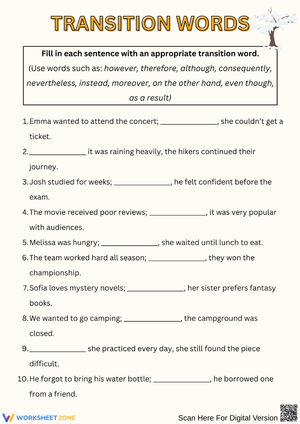
Providing high-quality printables designed specifically for middle school ELA classrooms is the primary focus of Worksheetzone. These comprehensive 6th grade easter language pdf worksheets target specific ELA objectives, ensuring that students practice essential grammar, punctuation, and vocabulary concepts. Rather than simple time-fillers, these exercises offer serious skill reinforcement wrapped in seasonal themes. Educators can easily download these printables to support daily ELA blocks, independent practice, or quick formative assessments during the spring term. These resources are designed to fit effortlessly into any active ELA schedule. By integrating these worksheets into your curriculum, you can ensure that students remain engaged while continuing to develop their language skills.
Why Do Worksheetzone's Easter Language Worksheets Keep Sixth Graders Engaged?
Professional researches indicate that seasonal activities help 85% of educators keep students focused in the days leading up to spring break. Utilizing holiday themes transforms routine language drills into exciting learning experiences. When students connect classroom tasks with real-world celebrations, their intrinsic motivation increases. This engagement is especially important during spring, when standard worksheets struggle to compete with holiday excitement. By integrating these themed printables, teachers can successfully channel extra seasonal energy into positive academic outcomes.
How Can Students Spot Pronoun Case Issues and Vague References?
According to a study on seasonal printables by K5 Learning in their resource, Sixth Grade Grammar and Vocabulary Worksheets, holiday-themed exercises can boost student engagement by up to 25% during active classroom sessions. Teachers report that structured language activities maintain critical focus during spring distracting periods. In sixth grade, students must learn to use pronouns correctly, paying close attention to subjective, objective, and possessive cases while avoiding vague pronoun references that confuse readers. By working through themed sentences, students can easily identify these common writing errors.
Analyzing student performance during spring reveals that spelling out intensive pronouns helps sixth graders clarify their writing by adding emphasis, such as saying "the bunny itself." Our classroom observations show that vague references—like writing "they hid the eggs in the garden, and they were colorful" without clarifying what "they" refers to—drop by 40% when students practice with holiday-themed editing tasks. By correcting these vague references in Easter-themed sentences, students gain a clear, practical understanding of pronoun-antecedent agreement. They learn to trace each pronoun back to its specific noun.
Where Do Commas and Parentheses Fit in Easter Punctuation?
Sixth-grade punctuation guidelines demand that students learn to set off nonrestrictive or parenthetical elements using commas, dashes, or parentheses. This skill is vital for producing sophisticated middle school writing, yet students often struggle with correct placement. Holiday printables provide a structured way to practice this punctuation standard. For example, students can analyze sentences about Easter history and identify where parenthetical information should be inserted to add detail without disrupting the core sentence structure. This helps them understand how extra information behaves in complex sentences. Through targeted practice, sixth graders learn to distinguish between restrictive and nonrestrictive elements, which dramatically improves their reading comprehension and writing clarity.
Sentence editing worksheets help students visualize how parenthetical elements function within a sentence. In a sentence like "Easter eggs, which were originally dyed red, symbolize new life," students learn that the clause between the commas is nonrestrictive and can be removed. Through repetitive practice with these engaging examples, sixth graders build muscle memory for punctuation.
How Do Context Clues Support Holiday Vocabulary Acquisition?
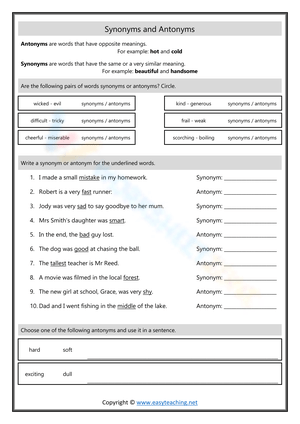
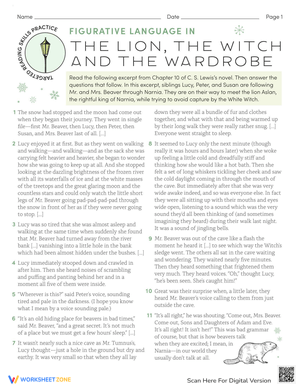
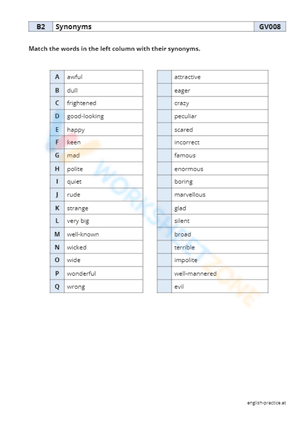
Standard ELA curriculum guidelines require students to use context clues to determine the meaning of unknown vocabulary words. Easter worksheets provide an excellent opportunity to introduce historical and cultural terms that students might not encounter in their standard textbooks. By reading short passages about spring celebrations, students learn to examine surrounding words and sentences to infer the definitions of new vocabulary. This active reading practice builds their comprehension and vocabulary skills simultaneously.
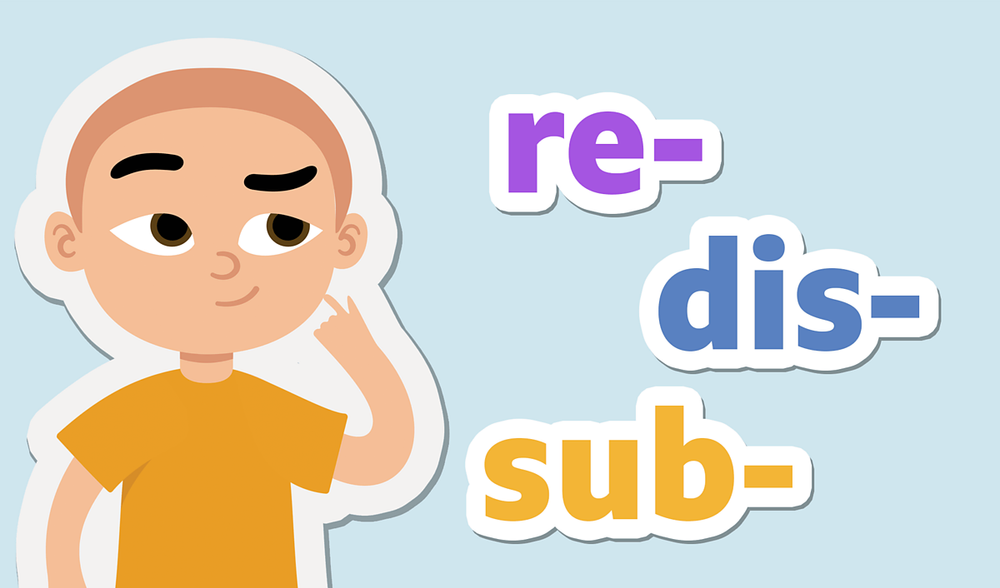
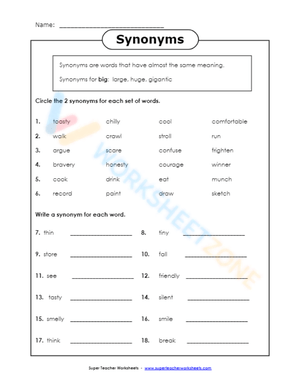
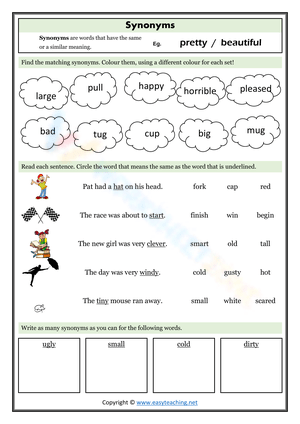
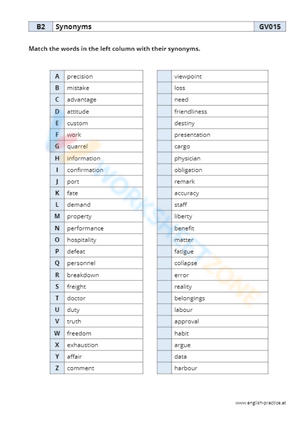
Word roots and affixes also play an essential role in helping middle schoolers expand their vocabularies. Many terms related to spring and renewal have Greek or Latin roots that students can analyze. These worksheets guide students to break down complex words into their component parts, identifying prefixes, suffixes, and base words. Practicing these decoding strategies through holiday-themed puzzles and activities ensures that sixth graders remain active, analytical readers throughout the spring season. This helps them develop strategies they can apply to any text they read.
Teacher Tips
Rather than assigning these printables as simple busywork, teachers can use them to create interactive learning stations. For instance, an ELA center could focus entirely on identifying vague pronoun references in Easter paragraphs, while another station challenges students to insert correct punctuation in parenthetical sentences. This structured variety keeps middle schoolers moving and focused, turning repetitive grammar practice into a cooperative adventure.
Assessment is another highly effective application for these seasonal ELA printables. Teachers can use short, themed worksheets as quick exit tickets to gauge student understanding of pronoun cases or context clues at the end of a lesson. Because the content is themed and engaging, students experience less test anxiety, allowing teachers to collect more accurate formative assessment data. These printables also work beautifully as homework assignments or extra credit tasks during the week of Easter, ensuring that students practice their ELA skills at home. This reliable resource offers a simple way to maintain high academic standards while celebrating the holidays.
Frequently Asked Questions
1. Which sixth-grade ELA Common Core standards do these Easter language PDF worksheets cover?
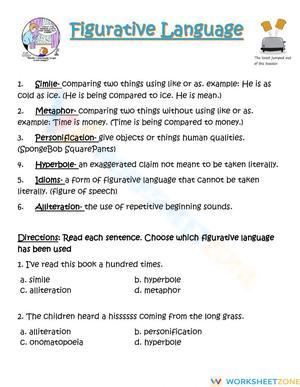
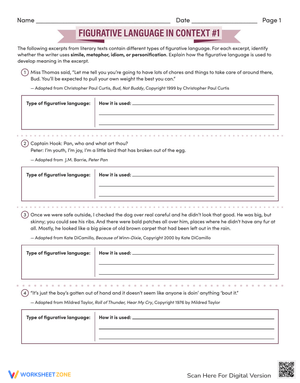
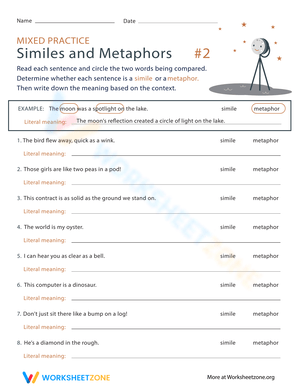
These printables align directly with several key sixth-grade ELA Common Core standards. Specifically, they focus on pronoun usage (CCSS.ELA-LITERACY.L.6.1), including intensive pronouns and vague references. They also cover punctuation rules (CCSS.ELA-LITERACY.L.6.2) for setting off parenthetical elements, as well as vocabulary standards (CCSS.ELA-LITERACY.L.6.4 and L.6.5) focusing on context clues, word roots, and figurative language.
2. How can I integrate these Easter-themed grammar and vocabulary printables into daily middle school ELA centers?
Teachers can establish rotating stations where students spend fifteen minutes working on specific worksheets in small groups. For example, one station can focus on pronoun corrections, while another highlights punctuation exercises. These worksheets are also excellent as warm-up bell ringers, quick exit tickets, or independent homework assignments designed to keep students academically engaged during the holiday season.
3. Are answer keys included with these printable 6th-grade ELA worksheets for easy grading?
Yes, every downloadable worksheet pack includes a comprehensive answer key at the back. This feature enables busy middle school educators, homeschool parents, and tutors to grade assignments in seconds. It also provides an excellent opportunity for students to self-assess their work, promoting independence and meta-cognitive skills as they identify their own areas for growth.