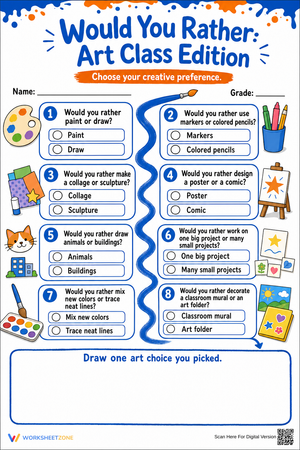
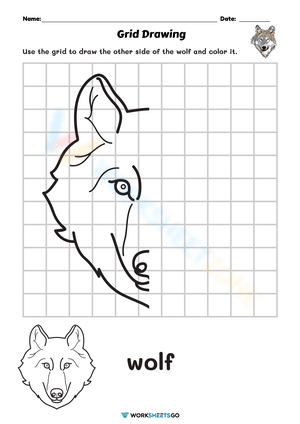
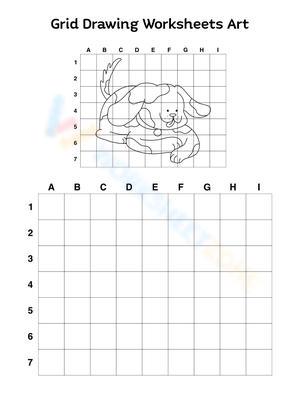
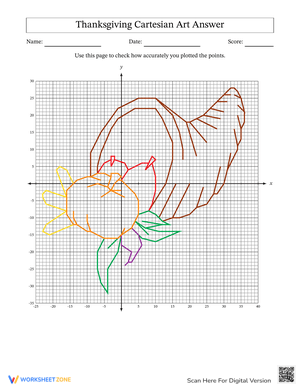
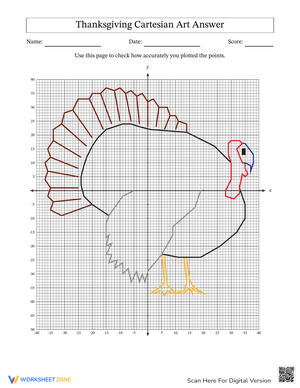
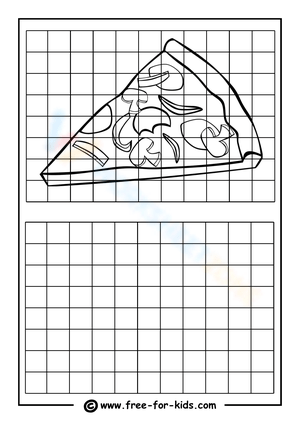
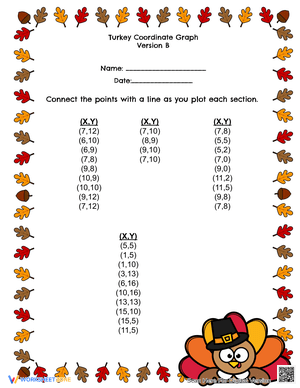
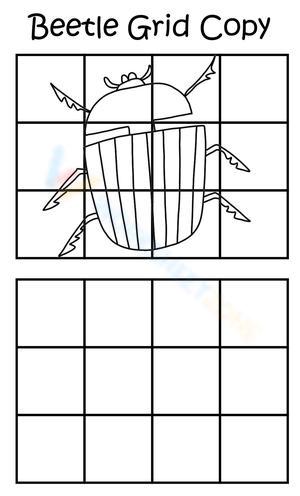
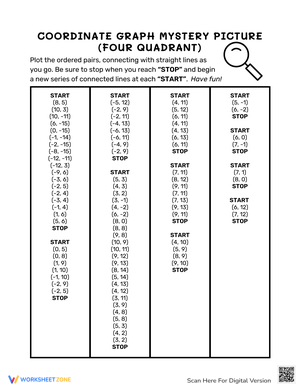
These 5th grade drawing and painting worksheets pdf resources give teachers a print-ready entry point into visual arts instruction that moves past coloring and tracing into actual observational and compositional thinking. Each worksheet asks students to observe, make deliberate decisions, and — in the strongest designs — explain their reasoning in a short written response. That combination of making and reflecting is what separates purposeful art practice from busywork.
The Specific Skills Each Worksheet Targets
At fifth grade, students are ready to work with the elements of art in ways that connect to genuine studio decisions. The worksheets in this set build skills across several areas of visual art practice:
- Line and value: Students shade still-life objects using hatching or blending, identifying where light falls and where form recedes into shadow.
- Color relationships: Tasks include mixing limited palettes, comparing warm and cool color use within the same scene, and planning a color scheme before picking up a brush.
- Composition: Students sketch thumbnail options, practice cropping an object dramatically, and identify focal point placement before committing to a larger piece.
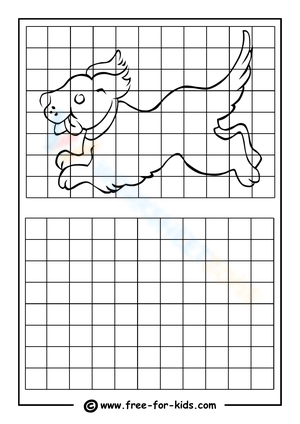
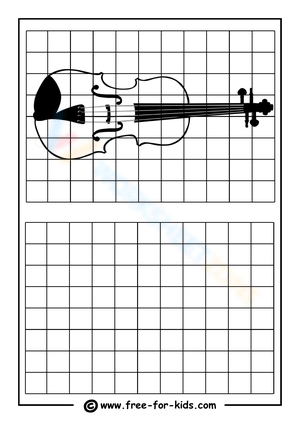
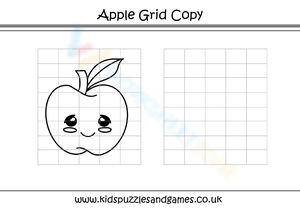
- Observation drawing: Several worksheets ask students to draw from life — a shoe, a piece of fruit, a folded piece of cloth — attending to proportion and negative space.
- Written reflection: Most worksheets include a short response prompt asking students to name a technique they used, explain a revision, or evaluate one specific choice they made.
These aren't abstract exercises. A student who completes a value-shading worksheet and then moves to tempera painting has already made decisions about light direction that show up in the finished piece. The worksheet plants the thinking; the studio session extends it. And because each worksheet holds to one primary cognitive task — if the goal is paint mixing, the subject is pre-drawn so students aren't also solving proportion problems; if the goal is composition, materials stay to pencil so color decisions don't compete — students produce cleaner work and teachers can actually see what a student understands about a specific skill.
How to Build These Worksheets Into Your Lesson Planning
The most productive moment for a planning worksheet is the 10 minutes before materials come out — when students need something focused but studio setup isn't ready. A thumbnail composition sheet works well here. Students sketch three small layout options, choose one, and mark the focal point. When paper and paint are finally distributed, they aren't starting from scratch; they're executing a decision they've already thought through.
After a painting session, when wet work is drying and there's genuine dead time, a reflection worksheet keeps students productively engaged without requiring new materials. They annotate a small sketch of their painting, label where they used contrast or overlapping shapes, and write two sentences about what they'd revise. That's formative data a teacher can read in under a minute per student and use the following class to adjust instruction.
- Centers: Pair an observation drawing worksheet with a painting station — one group draws from life while another works with watercolor.
- Sub plans: Choose worksheets where directions are readable at a glance, materials stay to pencil and classroom color tools, and no specialized vocabulary instruction is required to get started.
- Early finishers: Keep a folder of open-ended color-study and sketch worksheets so students who finish a studio project continue building art skills rather than sitting idle.
- Homework: Send home a worksheet that asks students to observe everyday objects, light sources, or color in their own environment.
Mistakes Students Make That These Worksheets Help You Catch
Value shading is the most consistently misunderstood skill at this grade level. Fifth graders who can describe a "light source" in a class discussion will still shade only the outer edges of a sphere — darkening the contour line rather than building form inward toward the shadow. The shading worksheets address this by asking students to start at the lightest point and gradually build pressure outward. That sequence interrupts the edge-only habit before it calculates into studio practice.
Composition planning produces a different and very predictable error: nearly every student's first thumbnail shows a single centered object, exactly in the middle of the frame. It's not laziness — it's the default visual grammar students carry into fifth grade from years of "draw the thing and show your work." The thumbnail worksheets address this directly by requiring three separate layout options and asking students to identify which one uses a rule of thirds arrangement or leads the eye through the image. The comparison step is what breaks the centering default; without it, most students circle the centered thumbnail and consider the task complete.
Color theory surfaces a third pattern worth watching. Students who correctly sort warm and cool colors on a color wheel will still reach for "realistic" colors when painting — mixing orange into a blue sky because the sunset in their mental image demands it. A pre-painting color-planning worksheet, where students commit to a specific palette on paper before touching a brush, makes those choices visible and discussable before they're locked into wet paint.
Standard Alignment
These 5th grade drawing and painting worksheets pdf align with the National Core Arts Standards (NCAS) for Visual Arts, which organize learning around four artistic processes: creating, presenting, responding, and connecting. The creating anchor standards (VA:Cr1 through VA:Cr3) call for students to generate and develop ideas, refine work through revision, and reflect on process — all of which appear across the set. The responding standards (VA:Re7 through VA:Re9) ask students to analyze and interpret art using relevant vocabulary, which the written reflection prompts address directly. Teachers in states that have adopted NCAS can map individual worksheets to specific anchor standards depending on whether the task centers on planning, execution, evaluation, or personal connection.
Adjusting the Set for a Range of Student Readiness Levels
The core task on each worksheet stays constant across ability levels — every student completes the same observation drawing, the same color-planning chart, the same thumbnail sequence. What changes is the amount of structure surrounding that task. Students who need more support work with a shape-breakdown guide that shows how to see the subject as basic geometric forms before adding detail. Students who are ready for extension answer a second written prompt: not just "what did you do" but "what would you change if you did this again, and why specifically." That layer requires genuine self-evaluation and pushes students who finish early into analytical thinking rather than decoration.
Teachers can also vary the materials paired with the same worksheet. A landscape composition worksheet works with pencil only for students still building hand control, with watercolor pencils for students ready to introduce color decision-making, and with a limited wet watercolor palette for students who've already demonstrated color control in earlier projects. The worksheet anchors the lesson objective; the materials carry the differentiation.
Frequently Asked Questions
Do these worksheets require a dedicated art room, or can a classroom teacher run them?
A classroom teacher can manage most of these without an art room or specialist training. The worksheets are built around materials that typically already live in a fifth-grade classroom — pencils, colored pencils, crayons, and basic watercolor sets. Directions are written so a teacher can read the task, model it in two or three minutes, and step back. That makes the set practical for homeroom teachers, intervention blocks, and substitute folders alike.
How many worksheets make sense within a single unit?
If each worksheet functions as a pre-painting planning tool, one per studio project is a reasonable pace — students don't need a new printable every day, they need one focused planning session before the larger work begins. If you're using them as standalone practice or formative checks, two or three per unit is enough to build a pattern without turning art class into a paper-completing exercise.
Do these art worksheets hold up on tablets and digital devices?
A 5th grade drawing and painting worksheets pdf file holds its layout reliably on tablets and digital displays, so students can annotate digitally if your classroom runs a device-based workflow. The written reflection prompts work especially well as typed responses. That said, observation drawing and value shading benefit most from physical pencil work — the muscle feedback from pressing harder or lighter to build a shadow gradation doesn't translate to a stylus on glass in the same way.
How do these worksheets fit into portfolio-based assessment?
Each completed worksheet captures student thinking at a specific moment in the learning process, which makes them strong portfolio artifacts. A portfolio that includes thumbnail sketches, a color-planning chart, and a final written reflection alongside a finished painting tells a more complete story than the painting alone. A 5th grade drawing and painting worksheets pdf collection gives teachers multi-artifact documentation of planning, revision, and decision-making — evidence that maps directly to NCAS process standards rather than relying solely on product quality.