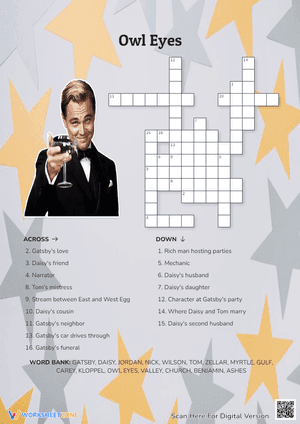
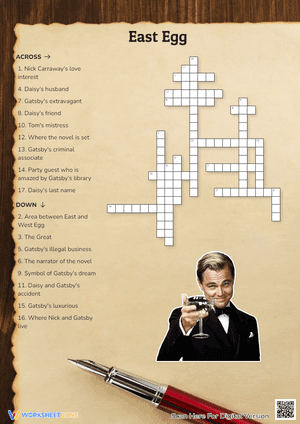
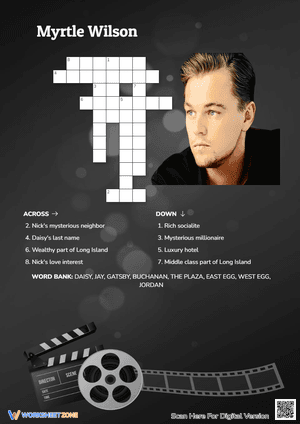
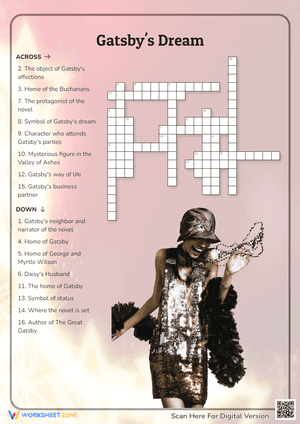
5th grade novel study worksheets solve a specific classroom problem: students at this level often have plenty to say about a chapter but no consistent method for organizing what they noticed, what they inferred, and what in the text actually supports those ideas. This set addresses that directly, building a repeatable response structure that holds up across every chapter of a multiweek unit. The resources span character analysis, text evidence practice, point-of-view response, vocabulary support, and end-of-unit synthesis tasks.
The Specific Skills Each Worksheet Builds
Grade 5 is where reading instruction formally shifts away from recall. Standards at this level ask students to explain how a narrator shapes the telling, compare how different characters respond to the same conflict, and describe how theme develops across a text rather than simply labeling it at the end. That shift is genuine — students who coasted on plot retell in fourth grade often feel the resistance in fifth — and these worksheets address it through repeated, targeted practice rather than one-off assignments.
The set covers the following skill areas:
- Chapter response with text evidence — students quote or paraphrase support before writing any claim, so evidence becomes part of the thinking rather than a decoration added at the end
- Character motivation and change tracking — with space to record shifts across multiple chapters, not just a final-arc summary after the last reading
- Point-of-view analysis — tied to specific passages, asking not just who is narrating but how that narrator's position limits or shapes what the reader is allowed to know
- Vocabulary in context — words drawn from the chapter, with space to use surrounding sentences to work out meaning before checking a definition
- Incremental theme development — students collect thematic evidence across chapters rather than being asked to produce a finished theme statement in the first week of reading
- Discussion preparation — turning reading notes into organized language before partner talk or literature circle begins
- End-of-unit synthesis — asking students to trace a character arc or thematic thread across the full novel rather than just the most recent chapter
The variety keeps the unit from flattening into retell after retell. Chapter response worksheets alone produce thin thinking when students are only summarizing. Paired with evidence practice and character tracking, the depth builds across weeks.
Error Patterns to Watch For in Chapter Response Work
The most persistent pattern in Grade 5 novel response is what might be called the decorative quote problem. A student writes a solid claim — "Marcus finally understands why his father made that choice" — then drops in a quote that sits next to the claim without any explanation of what it shows. Students have learned that evidence belongs in a paragraph; what they haven't learned is that evidence must be unpacked. A class set of chapter response worksheets, looked at together, shows you exactly which students are doing this and tells you where to spend ten minutes the next morning.
Character change is its own trouble spot. When asked to track development, students routinely describe what happened to a character rather than what that character realized or chose. "Esperanza lost her home and her father" is not character development. "Esperanza stopped waiting to be rescued and started making decisions for her family" is. The distinction is teachable, but only if you can see the pattern — and a tracking worksheet that accumulates entries across chapters makes it visible across the whole class at once.
Theme work reveals a third common error: students confuse topic with theme. "The theme is courage" is a topic label. "The author suggests that real courage usually involves letting others see you struggle" is a theme statement. 5th grade novel study worksheets that ask students to accumulate thematic evidence over several chapters — rather than label a theme cold after one reading session — consistently produce more specific and arguable final statements.
Working These Worksheets Into the Reading Block
The routine that holds up best is a simple read-respond-discuss-revise cycle. After a read-aloud or assigned chapter, students complete one response worksheet independently — ten to fifteen minutes of focused work. They bring those notes into partner or small-group discussion. Then the class returns to one key question in writing so students can sharpen their thinking after hearing other perspectives. That sequence prevents any worksheet from functioning as isolated seatwork: the notes feed the discussion, and the discussion feeds a stronger written response.
Not every chapter needs its own worksheet. In a three-week novel unit, using response worksheets every other chapter — with oral discussion, teacher conferences, or quick exit slips on alternate days — tends to produce more purposeful work than assigning a full response daily. When they appear at a lower frequency, students treat them as more significant. Daily repetition trains students to rush through without rereading.
For teachers using 5th grade novel study worksheets in a literature circle model, the discussion preparation worksheets are especially useful: students arrive with evidence already organized and at least two questions written out, which shortens the awkward opening minutes and pushes groups toward real analytical talk faster. They also serve as a quick teacher check on who did the reading.
Standard Alignment
The set directly addresses four Reading Literature standards from the Common Core State Standards for Grade 5. RL.5.1 requires students to quote accurately and explain both explicit meaning and inference — chapter evidence worksheets practice exactly that move, every chapter. RL.5.3 asks students to compare and contrast characters, settings, or events with specific details; the character tracking and comparison worksheets meet this standard across the full arc of the novel rather than at a single point. RL.5.6 requires students to describe how a narrator's point of view influences the telling of events, which the point-of-view analysis worksheets address through passage-level close reading rather than story-level identification. RL.5.2 asks students to determine a theme and explain how it is conveyed through details — the incremental theme-building worksheets are built for this standard specifically, accumulating evidence over time rather than requesting a finished statement before students have read enough to form one.
In classroom terms, these standards don't all activate at once. RL.5.1 work appears earliest in the unit, since text evidence is the foundation everything else rests on. RL.5.6 deepens once students know the characters well enough to think about what the narrator is withholding or emphasizing. RL.5.2 synthesis comes last — the end-of-unit tasks are where students assemble the thematic thinking accumulated across weeks of reading.
Adapting the Set for Mixed-Ability Classrooms
The most workable approach is to hold the skill target constant while varying the amount of built-in support. Every student can analyze character change, but one group might use a structured organizer with sentence starters ("At the beginning, ______ believed ______. By chapter ___, that belief shifted when ______") while another group writes a full analytical paragraph using two pieces of evidence and no frame. The skill being practiced is the same; the entry point is different.
Point-of-view worksheets adapt especially well across ability levels. A baseline version asks students to identify how the narrator describes a key scene and explain which details the narrator emphasizes. An extension version asks how that same scene might read from an opposing character's perspective — and what a reader would miss if only that second account existed. Both versions require thinking about narrator position; the extension version asks students to hold two perspectives simultaneously, which is a genuine cognitive stretch rather than just more writing.
Output format is another adjustment lever. Students who need more processing time can complete a graphic organizer before moving to written response. Students ready for more challenge can move directly into a constructed response or multi-chapter comparison task. Because the skill target stays consistent across versions, class discussion stays coherent even when students completed different versions of the same worksheet.
Frequently Asked Questions
Can these worksheets work with any fifth-grade novel, or are they tied to specific titles?
The worksheets focus on transferable skills — evidence, character, theme, point of view — rather than plot-specific questions, so they work with realistic fiction, historical fiction, and fantasy alike. Teachers regularly reuse the same character tracking and discussion preparation worksheets across two or three novels in the same school year. The main exception is vocabulary work, since those worksheets pull from actual chapter text and need more attention for fit when switching titles.
How long does a typical response worksheet take to complete?
Most chapter response and character analysis worksheets run ten to fifteen minutes for a student working at grade level. Discussion preparation worksheets are closer to eight to ten minutes. End-of-unit synthesis tasks run longer — typically twenty to thirty minutes — since students are drawing from the full novel rather than a single chapter's reading.
Are these worksheets appropriate for homework during a novel unit?
Yes, with one practical note: text evidence worksheets work better as homework when students have already read the chapter in class, not when the reading and the response task are assigned simultaneously. When students read and respond at home at the same time, evidence quality drops — they tend to pull the first somewhat-relevant quote rather than rereading for the strongest support. Using 5th grade novel study worksheets as post-reading practice, with new chapters read in class first, produces noticeably stronger responses.
What is the best way to assess these without creating a large grading burden?
Most teachers find that spotchecking one or two items per worksheet — rather than scoring every question — gives enough information to guide the next day's instruction without adding significant grading time. Character tracking worksheets and chapter evidence worksheets are especially useful for formative reading: scanning for the decorative-quote pattern or the topic-versus-theme confusion takes about two minutes per class set and tells you exactly what to address next.















 Interactive Worksheet Maker
 Quiz Maker
 Word Search Maker
 Crossword Puzzle Maker
 Word Scramble Generator
 Sentence Scramble Generator
 Handwriting Worksheet Generator
 Name Tracing Generator
 Fill In The Blank Generator