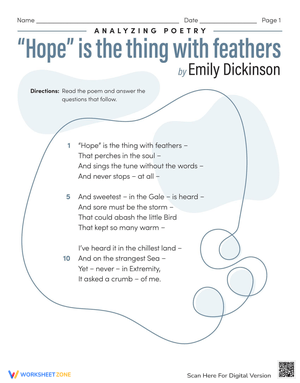
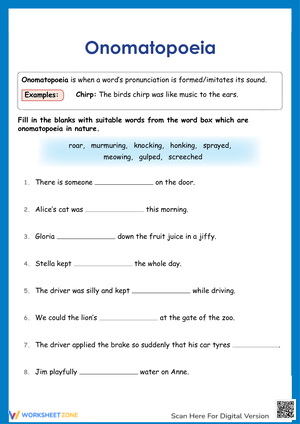
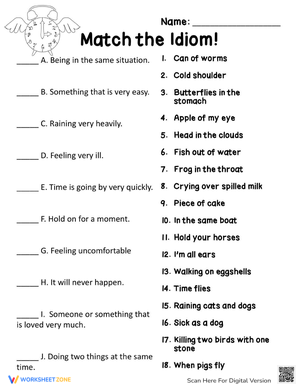
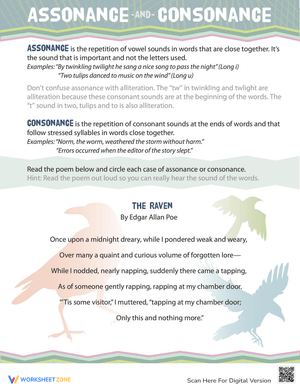
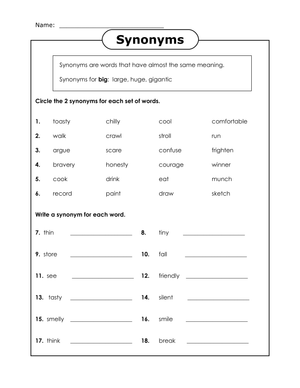
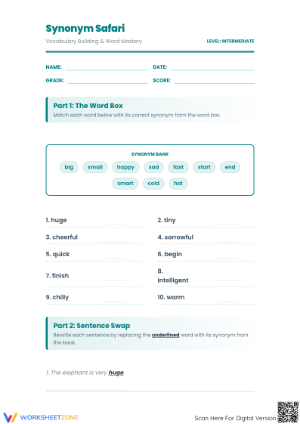
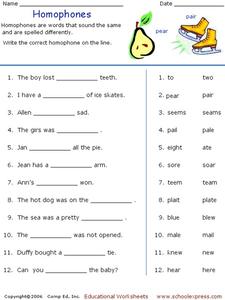
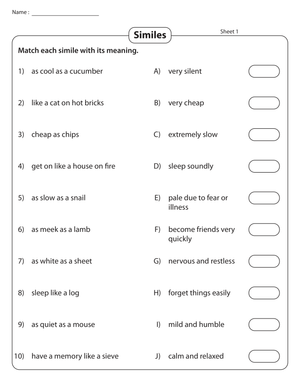
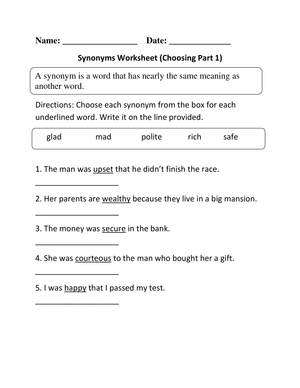
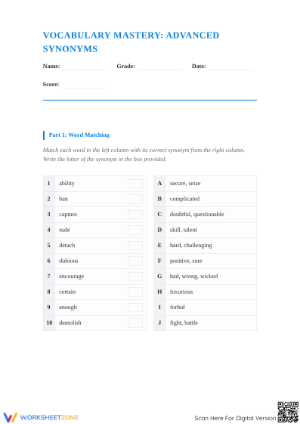
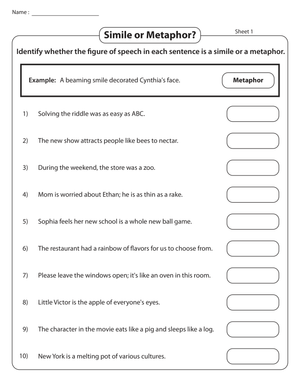
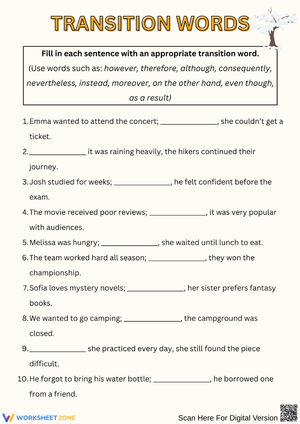
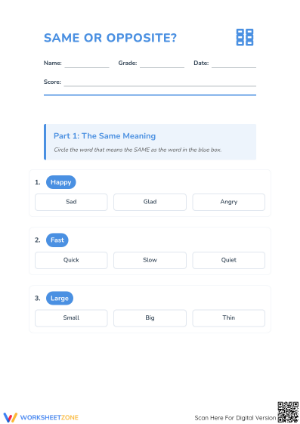
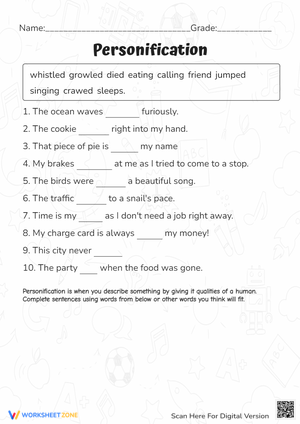
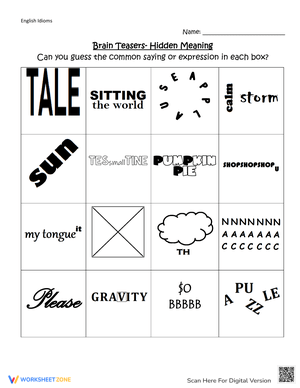
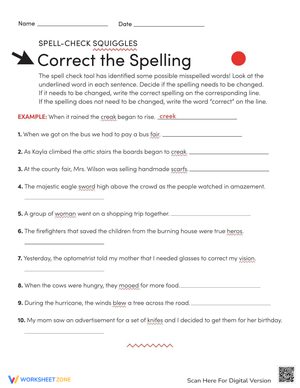
5th grade language printable worksheets fill the gap between whole-class grammar instruction and the quiet realization that half the room still shifts verb tense mid-paragraph without noticing. This set covers the skill areas that appear most consistently in Grade 5 language standards — sentence-level grammar and usage, conventions editing, and vocabulary in context — in formats that drop into almost any part of the school day without added setup.
Skills Built Across the Set
Grade 5 is the year conventions expectations get serious. Students are no longer approximating — they are expected to control verb tense, use conjunctions purposefully, place commas correctly in complex sentences, and interpret unfamiliar words from context clues in academic texts. The worksheets here address all of those demands, broken into targeted tasks so teachers can assign the exact skill a group needs rather than running every student through everything at once.
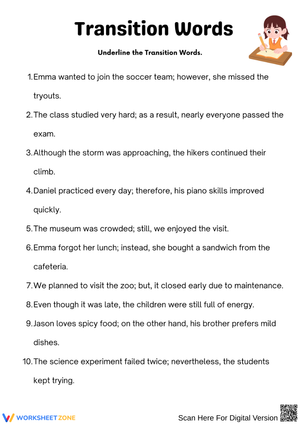
- Grammar and usage: verb tense consistency, coordinating and subordinating conjunctions, pronoun-antecedent agreement
- Sentence revision: combining clauses, correcting fragments and run-ons, editing for style and precision
- Conventions: comma rules, quotation marks, capitalization, grade-level spelling patterns
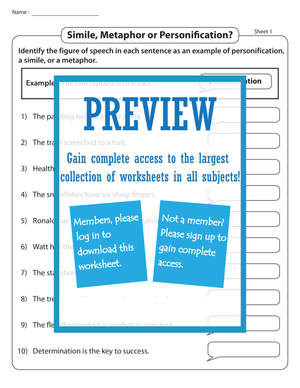
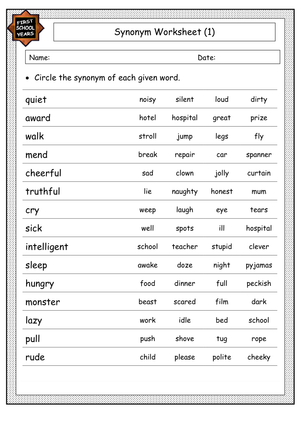
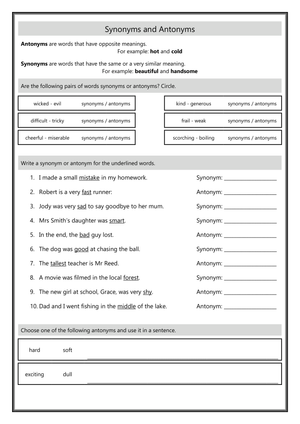
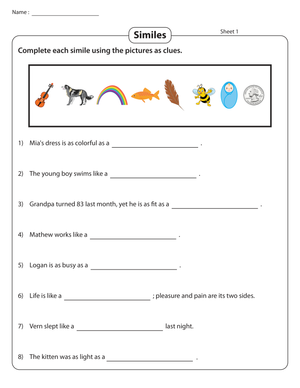
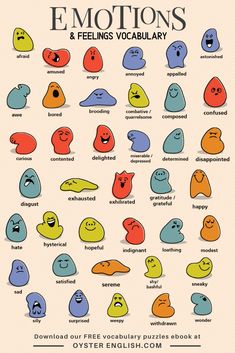
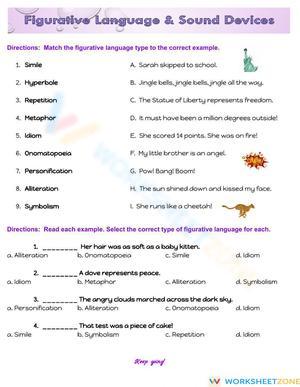
- Vocabulary: context clue strategies, multiple-meaning words, figurative language, academic and domain-specific vocabulary
Errors That Surface Again and Again in Fifth-Grade Writing
Verb tense is the most persistent language problem in Grade 5. Students who write correctly in a controlled exercise still drift between past and present tense within their own drafts. A common example: "She walked into the kitchen and puts the groceries down." The second verb slips to present tense because the student's attention has shifted to the action, not the tense signal already established. Worksheets that ask students to rewrite full passages for tense consistency catch this error more reliably than fill-in-the-blank drills, because maintaining tense across several sentences requires holding it in working memory the whole time — which is exactly where the breakdown happens.
Comma placement after introductory clauses is another place where students apply the rule in controlled practice and then drop it in actual writing. A student who correctly punctuates a series will still write "When the bell rang we packed up our bags" with no comma, because the rule feels different in that context. Capitalization shows a similar gap: students who know the basic rule will still capitalize nouns they consider important — "the Principal," "our Classroom" — because the underlying distinction between proper and common nouns has not fully solidified. These patterns do not resolve on their own; they need repeated, direct practice against the specific error.
Integrating These Worksheets Into the Rhythms of Your Week
Short language practice works best when it connects to something already happening in the room. 5th grade language printable worksheets assigned the morning after students submitted a draft with tense errors land very differently than the same worksheet handed out in isolation — students recognize the skill from their own writing, and the task carries immediate relevance. The same logic applies to vocabulary: pairing a context-clue worksheet with the current social studies or science text reinforces the strategy at a moment when students are already working with academic language.
That said, these worksheets also function well in the standard routines that do not need a narrative hook. They work as morning warm-ups, as the independent task during small-group rotations, and as sub-plan materials — the directions are clear enough that a substitute can run the session without additional notes. In intervention blocks, the single-skill format is the real advantage: a student working on sentence fragments does not need to sit through comma practice at the same time, and a focused ten-minute reteach paired with one worksheet and a quick check is a complete instructional loop.
Standard Alignment
These worksheets address the Grade 5 Language strand of the Common Core State Standards (CCSS.ELA-LITERACY.L.5). Grammar and usage work aligns with L.5.1, which expects command of verb tense, conjunctions, and pronoun agreement. Conventions editing connects to L.5.2, covering comma use, punctuation in titles, and grade-level spelling. Sentence revision tasks address L.5.3, asking students to expand, combine, and reduce sentences for meaning and style. Vocabulary worksheets map to L.5.4 and L.5.6, targeting context clue strategies and the academic and domain-specific vocabulary students encounter in upper-elementary literary and informational texts.
In practical classroom terms, L.5.1 and L.5.2 are the standards that most often need spaced, repeated practice rather than a single lesson and a test. Teachers introduce a convention, see students apply it correctly in a controlled task, and then watch it disappear from student writing two weeks later. The short, single-skill format of these worksheets makes spaced retrieval practical — a rule can be revisited in five minutes of bell work without rescheduling a full mini-lesson.
Tailoring Each Worksheet to Where Students Actually Are
Students who are still building sentence control often freeze when asked to revise an unfamiliar paragraph without any structure to work from. For those students, reading the passage aloud together before independent work — and naming the type of error to look for — reduces the cognitive demand enough that the language task itself stays in focus. Students who are ready for more challenge can extend any worksheet in the set by writing original sentences that apply the targeted rule, or by identifying additional errors that the marked examples did not flag. That extension requires no additional materials, just a verbal prompt before students begin.
For students with IEPs or ELL students at intermediate proficiency, 5th grade language printable worksheets in the conventions category tend to be the most accessible entry point. The task is concrete — find the error, correct it — and the rules are explicit enough to review in under a minute before students work independently. Vocabulary worksheets may need a shared read-through of the passage before students attempt the context clue questions, but the core skill stays grade-appropriate.
Frequently Asked Questions
How are the worksheets in this set organized?
The set is organized by skill area: grammar and usage, conventions editing, sentence revision, and vocabulary. Teachers pull from whichever category matches what students need right now rather than working through the collection in order. Each worksheet targets one main skill so the practice stays focused and the results are easy to read quickly.
Can these worksheets serve as quick assessments as well as practice?
Yes. A short grammar or vocabulary worksheet makes a reliable quick check after direct instruction. Rather than scoring every item individually, most teachers scan for error patterns — if most of the class misses the same two items, that's the instructional signal. 5th grade language printable worksheets work especially well as bell ringers or exit checks at the end of a language block because they take fewer than ten minutes to complete and review.
Are these materials appropriate for 4th or 6th graders?
The core target is Grade 5, aligned to L.5 standards. Some sentence revision and vocabulary worksheets transfer well to advanced 4th graders or to 6th graders revisiting foundational conventions — context clue strategies and clause-combining tasks in particular are not rigidly grade-bound. Grammar and usage worksheets are more closely tied to Grade 5 expectations and are less likely to transfer without adjustment at other grade levels.












 Interactive Worksheet Maker
 Quiz Maker
 Word Search Maker
 Crossword Puzzle Maker
 Word Scramble Generator
 Sentence Scramble Generator
 Handwriting Worksheet Generator
 Name Tracing Generator
 Fill In The Blank Generator