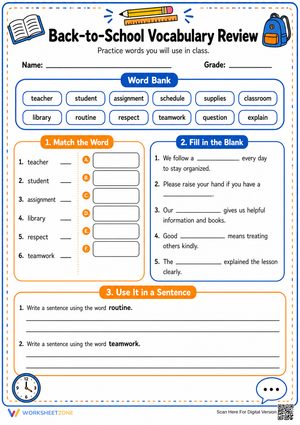
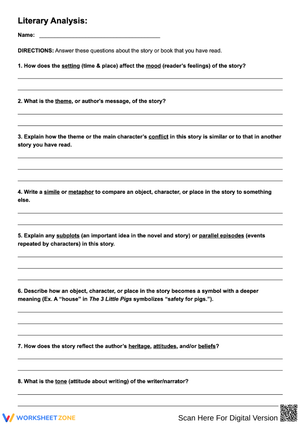
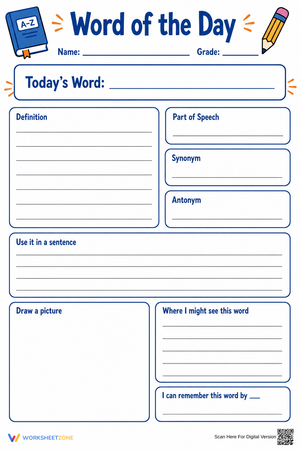
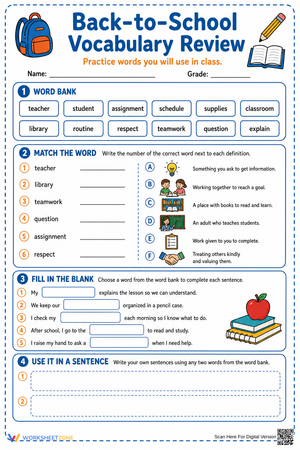
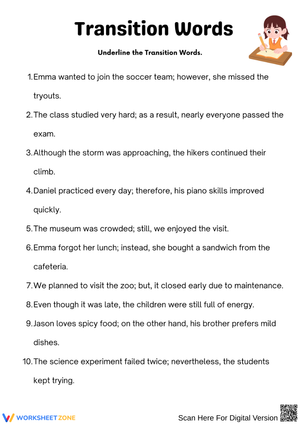
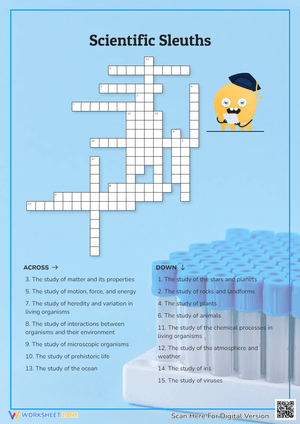
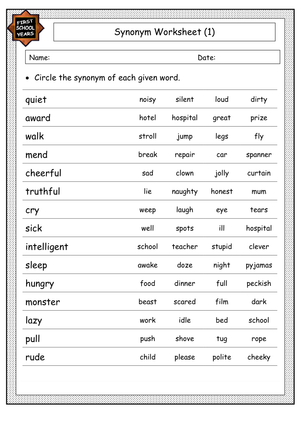
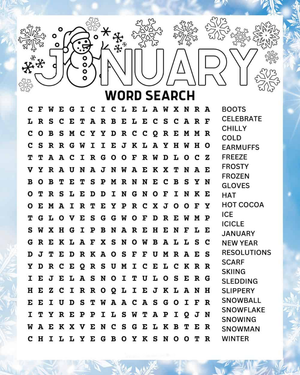
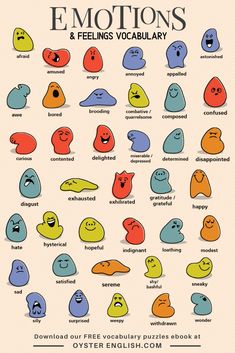
These 5th grade language and vocabulary printable worksheets resources give ELA teachers targeted, skill-specific practice that fits inside an existing block without setup — morning warm-up, a small-group reteach, or the sub folder that needs filling before 7 a.m. Each worksheet isolates one language move, which matters because when students miss items, the error pattern points immediately to a teachable gap rather than disappearing into a mixed-skill score.
The Specific Skills These Worksheets Build
Grade 5 is the year vocabulary work stops being about memorizing definitions and starts demanding that students do actual language analysis. The skills covered here reflect that shift.
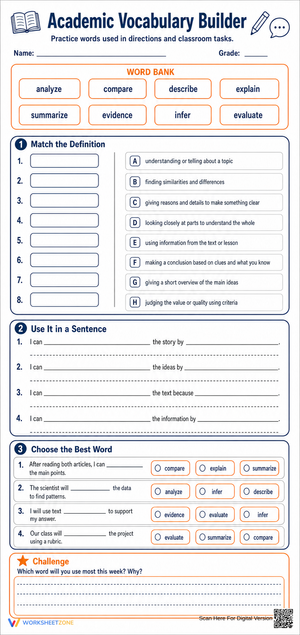
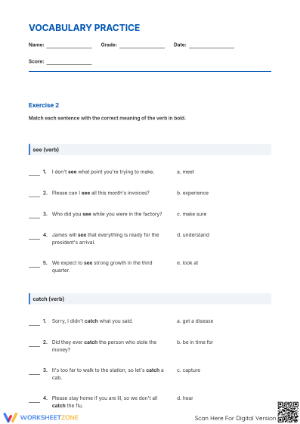
- Context clues: Students read a sentence or short passage and infer the meaning of an underlined word from surrounding language — not from prior knowledge alone.
- Greek and Latin roots and affixes: Students break a word into parts, identify the meaning of each component, and connect that analysis to the full word's meaning.
- Idioms, adages, and proverbs: Students explain what a figurative expression means in plain language and articulate why the literal reading misses the point.
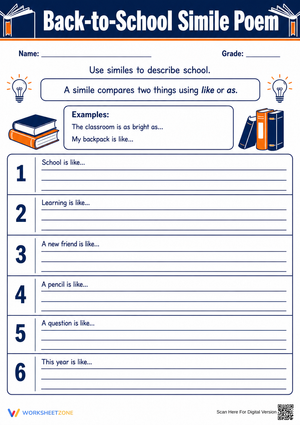
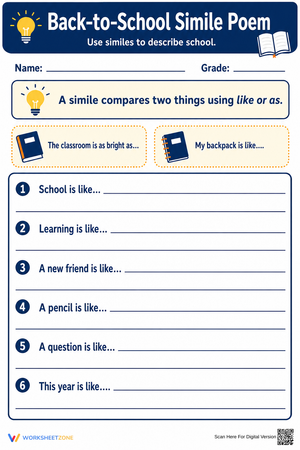
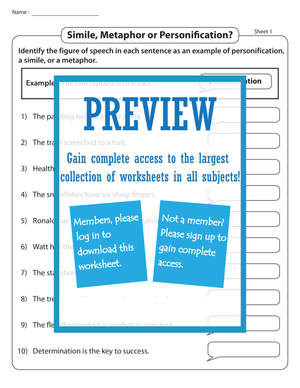
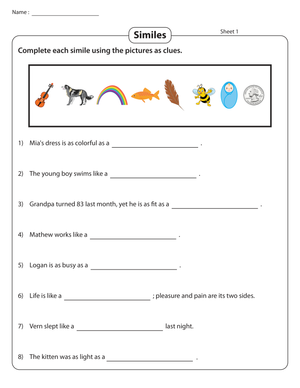
- Similes and metaphors: Students identify the comparison and explain what it tells the reader about the subject — not just label the device.
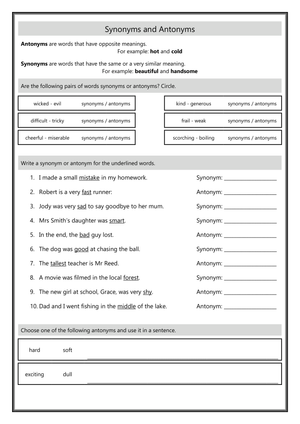
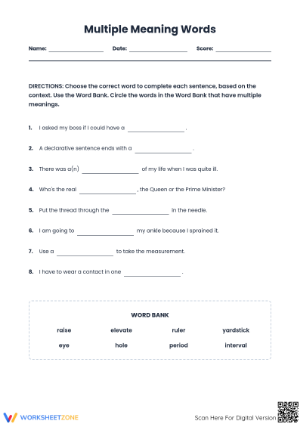
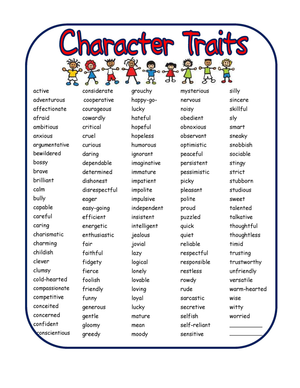
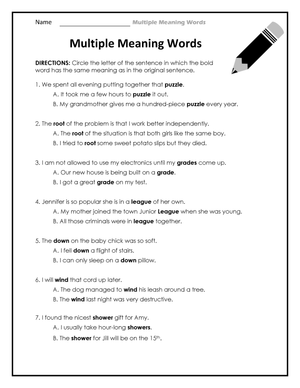
- Synonyms, antonyms, and homographs: Students match words by meaning relationship and recognize how context shifts meaning for words with multiple definitions.
Each worksheet in the set stays inside one of these skill categories, so teachers can build a review sequence with a clear purpose rather than handing students a worksheet that mixes context clues, roots, and figurative language without explanation.
Student Mistakes Worth Watching For in This Skill Set
Context clues produce the most consistent error pattern at this grade level: students find the word closest to the unfamiliar term and assume it is a synonym. A student working on the sentence "The arid landscape, with its cracked earth and sparse vegetation, stretched for miles" will often write that "arid" means "landscape" or "cracked" — not because they lack vocabulary but because they stopped reading at the nearest noun. These worksheets make that error visible because the answer choices include plausible nearby-word traps alongside the correct inference.
Roots work surfaces a different problem. Students who correctly identify "anti-" as meaning "against" in "antibacterial" will sometimes write that "antipathy" means "against a path" — they know the prefix functions but treat the remaining letters as a literal second word. Practice that requires students to write the full word meaning, not just the prefix gloss, catches this faster than a multiple-choice check.
Figurative language errors tend to cluster around explanation rather than identification. By fifth grade, most students can label a simile. What stalls them is the follow-up: explaining what the comparison actually reveals. A student who writes "it means she ran fast" for the simile "she moved like smoke through the crowd" has identified motion but missed the connotations of silence, invisibility, and elusiveness that the comparison builds. Explanation prompts in these worksheets push past the label directly into that interpretive step.
How to Build These Worksheets Into Your Weekly ELA Routine
Short cycles work better than large packets. A practical five-day rhythm: introduce the language move on day one during the mini-lesson, use a brief worksheet on day two as independent follow-up, return student work on day three and address the two or three most common errors aloud, then pull a second worksheet at the end of the week to check whether students apply the skill without fresh instructional context. That structure keeps practice connected to teaching rather than turning worksheet time into quiet seat work with no feedback loop.
For centers, choose worksheets with clean, familiar directions that students can work through independently before discussing with a partner. The discussion step matters — students who get the right answer for the wrong reason show up in partner talk. For small-group intervention, shorter worksheets targeting one sub-skill (just prefix work, just idiom explanation, just synonym shades of meaning) give teachers a cleaner read on exactly where instruction needs to go next. The 5th grade language and vocabulary printable worksheets set supports that kind of triage because the skill labels are specific enough to match a gap rather than a general category.
Standard Alignment
These worksheets target the Grade 5 Language strand of the Common Core State Standards for ELA. The relevant codes and their classroom meaning:
- CCSS.ELA-LITERACY.L.5.4a — Use context as a clue to the meaning of a word or phrase. Applies directly to context-clue worksheets.
- CCSS.ELA-LITERACY.L.5.4b — Use common Greek and Latin affixes and roots as clues to word meaning. Applies to roots and affixes worksheets.
- CCSS.ELA-LITERACY.L.5.5a — Interpret figurative language, including similes and metaphors, in context. Applies to figurative language and comparison worksheets.
- CCSS.ELA-LITERACY.L.5.5b — Recognize and explain the meaning of common idioms, adages, and proverbs. Applies to idioms and adages worksheets.
- CCSS.ELA-LITERACY.L.5.5c — Use the relationship between particular words to better understand each word. Applies to synonym, antonym, and homograph worksheets.
These standards sit in the Language strand but operate across the reading and writing blocks — context clue work shows up during close reading, roots work during content-area vocabulary, figurative language during literary response. Consistent 5th grade language and vocabulary printable worksheets practice keeps that application visible and repeatable throughout the year rather than confined to a single unit.
Adjusting the Worksheets for a Range of Learners
Students who struggle with these tasks usually need a concrete intermediate step before working independently. For roots work, that means providing a reference card listing common prefixes, suffixes, and roots with their meanings before asking students to analyze unfamiliar words. The card does not reduce the cognitive demand — students still apply the parts — but it removes the memory load that blocks access to the actual skill. Pull the card away once a student consistently gets roots items right without checking it.
For students who move through the worksheets quickly and accurately, push the explanation layer harder. Any worksheet that asks students to identify a simile can be extended by asking them to rewrite the sentence using a different comparison and explain why the meaning shifts. That extension requires the same analytical move at a higher level of precision, and it produces writing worth discussing as a class. Students who are ready for 5th grade language and vocabulary printable worksheets material at an advanced level often stall only at this explanation step — they can label every device but struggle to put the "so what" into words, which is exactly the gap worth targeting.
Frequently Asked Questions
Which skills should teachers prioritize first?
Context clues and Greek and Latin roots return the highest instructional value early in the year because both transfer directly into reading comprehension and content-area vocabulary work. Figurative language is worth front-loading if students are about to encounter poetry or literary fiction. Synonyms, antonyms, and homographs work well as ongoing mixed review once students have a strong base in the other categories.
Can these worksheets replace vocabulary instruction?
No. These worksheets serve as practice and formative check — not initial instruction. Students who have never had explicit teaching on Greek and Latin roots will not internalize the system from a worksheet alone. Use them after the mini-lesson, not instead of it.
How do teachers use these for intervention without re-teaching everything?
Sort student errors by skill type first. If three students miss every context-clue item but do well on roots, pull context-clue worksheets for a focused small-group session rather than re-covering the whole language unit. The targeted format of each worksheet makes that kind of sorting straightforward — there is no need to sift through mixed content to find the items that reveal the specific gap.
Are these worksheets useful for standardized test review?
Grade 5 ELA assessments regularly include items asking students to determine word meaning from context, interpret figurative expressions, and analyze word parts. Consistent practice with these worksheets throughout the year outperforms a last-minute review packet — students who have worked with these skill types repeatedly perform better on novel test items than students who encounter the format for the first time during test prep.












 Interactive Worksheet Maker
 Quiz Maker
 Word Search Maker
 Crossword Puzzle Maker
 Word Scramble Generator
 Sentence Scramble Generator
 Handwriting Worksheet Generator
 Name Tracing Generator
 Fill In The Blank Generator