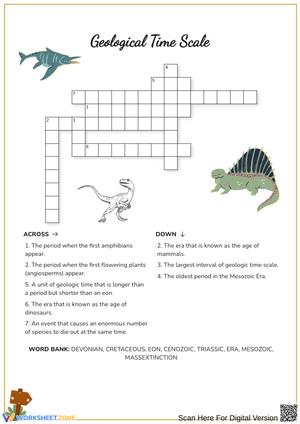
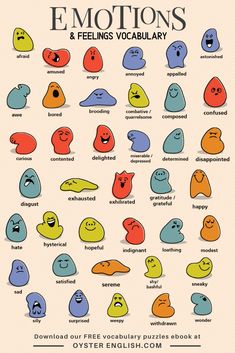
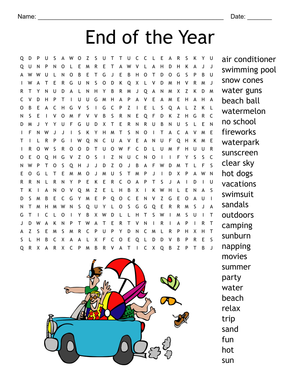
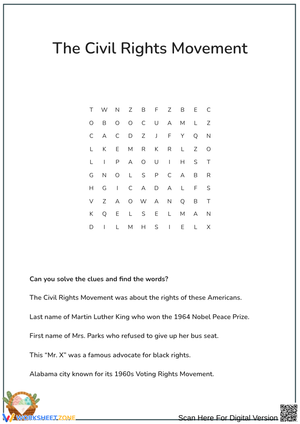
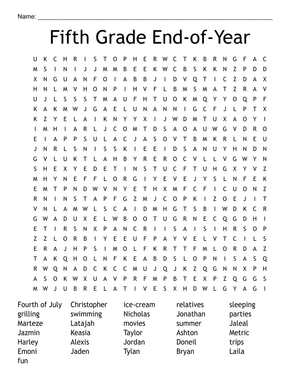
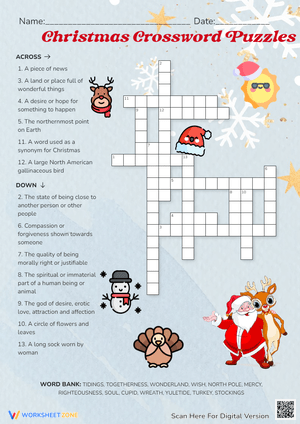
Grade 5 students are expected to determine word meanings using context clues, break apart unfamiliar words using Greek and Latin roots, and apply reference materials when both strategies fall short. Worksheets built for this grade band should reflect that layered expectation rather than isolating one narrow skill per page. When a worksheet asks students to find a root, apply an affix, and then confirm the meaning using surrounding context, it mirrors the actual decoding process students use during independent reading.
This matters most for teachers planning whole-class instruction with limited minutes. A well-structured vocabulary set lets you cover more than one CCSS Language standard in a single sitting instead of running three separate activities across the week.
Targeting CCSS L.5.4 Through Context Clues and Word Parts
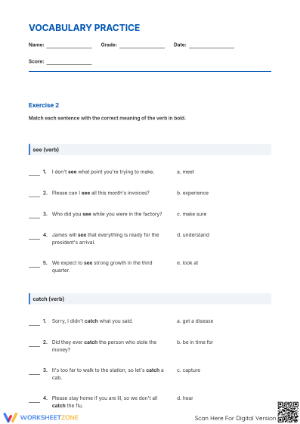
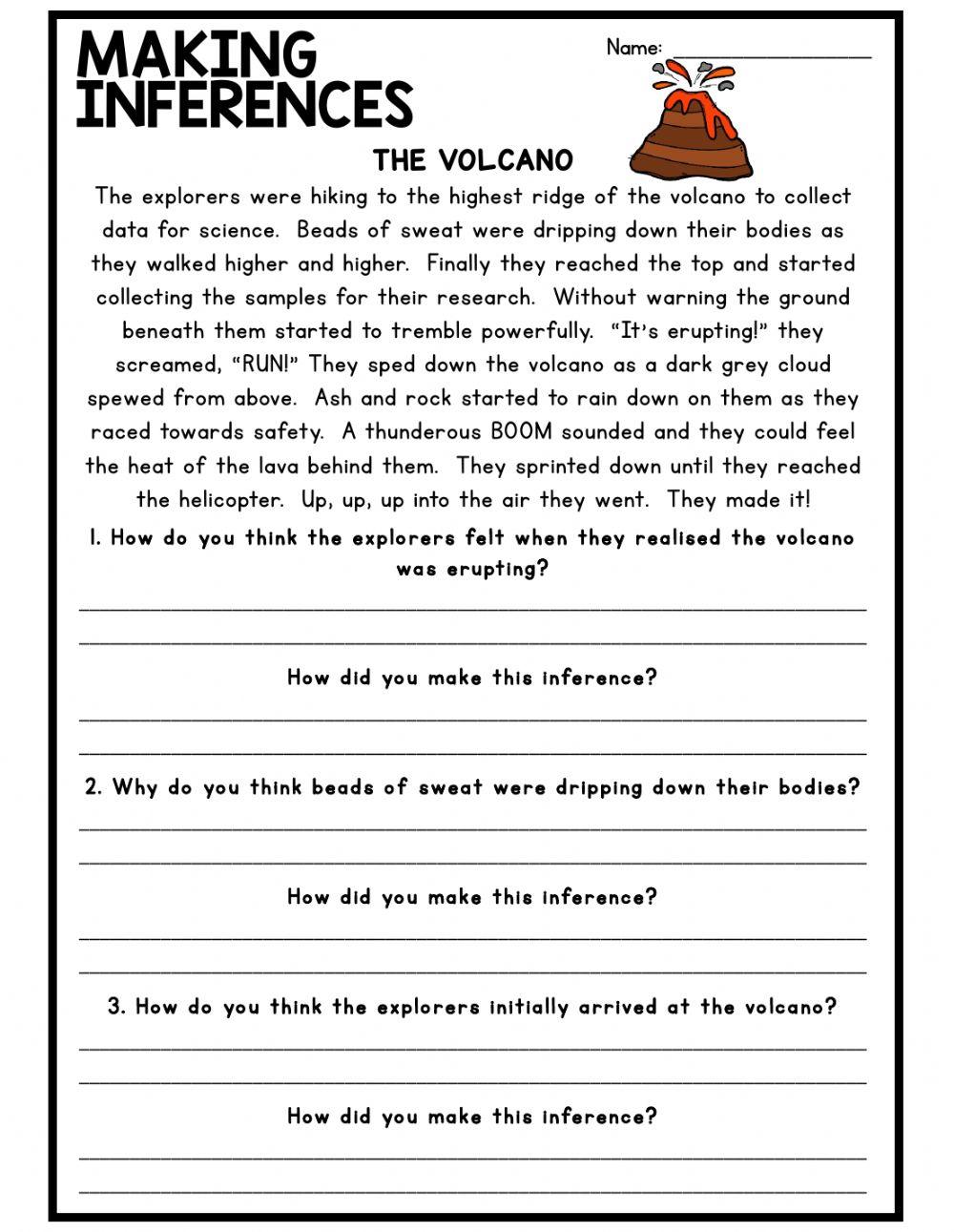
CCSS L.5.4 asks students to determine or clarify the meaning of unknown and multiple-meaning words using context clues, Greek and Latin affixes and roots, and reference materials such as dictionaries and glossaries. Worksheets aligned to this standard typically present short passages with an unfamiliar word bolded or underlined, then ask students to infer meaning before checking their answer against a root or affix bank.
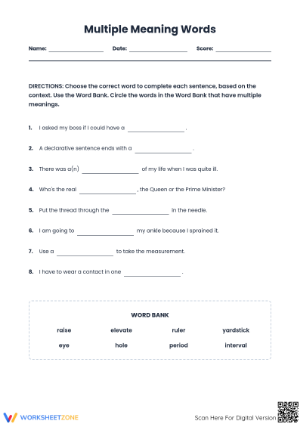
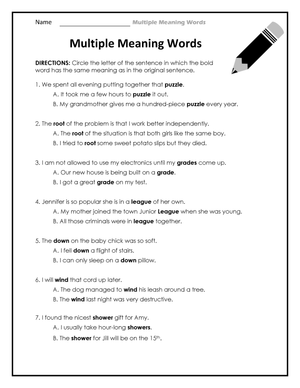
Multiple-meaning words deserve their own attention here too. A word like table or fine changes meaning depending on sentence context, and 5th graders often default to the first meaning they learned rather than testing alternatives. Worksheets that pair the same word across two different sentences train students to pause and re-evaluate, which is a habit that transfers directly to reading comprehension tasks later in the year.
Greek and Latin Roots as a Decoding Tool, Not Just a Vocabulary List
Root and affix worksheets work best when framed as decoding tools rather than memorization exercises. Once a student knows that bio means life and graph means to write, they can reasonably guess at biography without ever seeing the word before. This is especially useful in content-area reading, where science and social studies texts introduce dozens of unfamiliar academic terms built from a relatively small set of recurring roots.
A practical classroom habit is grouping roots by content area rather than presenting them alphabetically. Roots like hydro, therm, and geo show up repeatedly in science units, while roots like dict, spect, and struct appear across social studies and general academic text. Sorting worksheet practice this way means students reinforce the same roots they will meet again that same week in a different subject, rather than treating vocabulary as a standalone period disconnected from the rest of the day.
Figurative Language, Idioms, and Word Relationships Under L.5.5
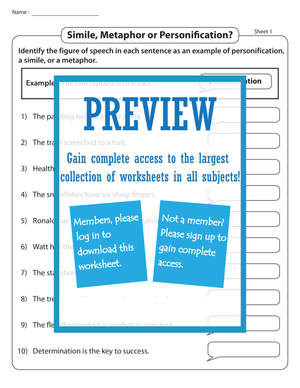
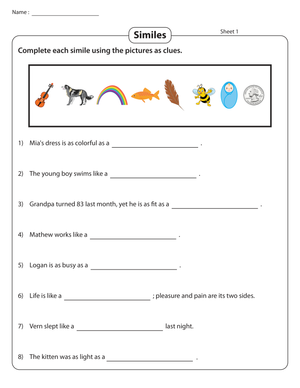
CCSS L.5.5 covers a wide net: similes, metaphors, idioms, adages, proverbs, and word relationships including synonyms, antonyms, and homographs. Worksheets targeting this standard often ask students to identify the figurative device in a sentence, explain its literal versus intended meaning, or sort word pairs by relationship type. Idioms and adages in particular can be tricky for English learners and students with limited background exposure to common sayings, so worksheets that pair the phrase with a short explanatory context sentence tend to support comprehension better than a bare definition list.
- Simile and metaphor identification within short passages, followed by a rewrite in literal language
- Idiom and adage matching activities paired with situational context
- Synonym and antonym sorting to build word relationship awareness
- Homograph practice using sentence pairs that shift pronunciation or meaning
Rotating through these four formats across a unit keeps figurative language practice varied instead of repetitive, which helps sustain engagement during a skill area that can otherwise feel abstract to 10 and 11 year olds.
Academic Vocabulary and Transition Words Under L.5.6
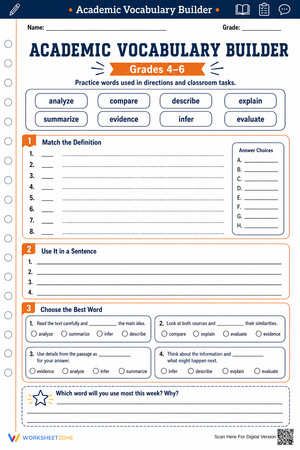
CCSS L.5.6 shifts focus toward general academic and domain-specific vocabulary, including words that signal contrast and logical relationships such as however, although, similarly, and moreover. These transition words rarely get dedicated practice time, yet they carry significant weight in both reading comprehension and student writing. A worksheet that asks students to select the correct transition word to complete a sentence, or to combine two related sentences using a logical connector, builds a skill that shows up directly in argumentative and informative writing rubrics.
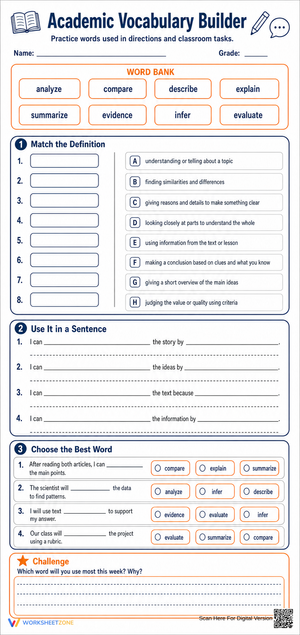
Academic vocabulary worksheets work well as a bridge between ELA and content-area instruction. Words like analyze, evidence, and conclude appear in reading response prompts as often as they appear in science lab writeups, so reinforcing them in a vocabulary worksheet pays off across the school day rather than in one subject alone.
Teacher Tips for Building a Vocabulary Worksheet Routine
A consistent weekly rhythm makes vocabulary instruction feel less like an add-on and more like a built-in part of the ELA block. Consider a structure like this:
- Monday: introduce new roots, affixes, or academic vocabulary words with a short context-clue worksheet
- Wednesday: practice figurative language or word relationships tied to the same word set where possible
- Friday: quick formative check combining context clues, roots, and one transition-word application in writing
Keeping the same word set active across the week, rather than introducing a new list daily, gives students repeated exposure in different formats, which research on vocabulary retention consistently favors over one-time exposure. It also makes small-group differentiation easier, since you are adjusting the format of practice rather than building new content for each group from scratch.
Frequently Asked Questions
1. What vocabulary skills should 5th grade worksheets target according to Common Core?
Grade 5 vocabulary worksheets should target CCSS L.5.4 through L.5.6, which cover context clues and Greek or Latin roots for unknown words, figurative language and word relationships like synonyms and antonyms, and academic or domain-specific vocabulary including transition words that signal contrast or logical relationships.
2. How can teachers use vocabulary worksheets for small-group intervention?
Teachers can use tiered versions of the same worksheet, such as one with a word bank and one without, so struggling students get extra scaffolding while others work more independently, all while the group focuses on the same target skill.
3. What is the difference between direct vocabulary instruction and incidental word learning, and how do worksheets support both?
Direct instruction accounts for only about 300 to 400 of the 2,000 to 3,000 words students learn each year, with the rest learned incidentally through reading. Worksheets that embed target words in authentic passages reinforce the explicit strategy while modeling how it applies during independent reading.
4. How often should 5th graders practice vocabulary skills like context clues and root words?
A weekly routine that introduces a word set early in the week and revisits it in different formats, such as context clues, figurative language, and writing application, supports stronger retention than a single one-time worksheet per topic.
5. How can teachers use vocabulary worksheets to support both reading and writing instruction?
Worksheets that pair academic vocabulary and transition words with sentence-combining or short-response tasks help students carry the same words from a reading passage into their own argumentative or informative writing.












 Interactive Worksheet Maker
 Quiz Maker
 Word Search Maker
 Crossword Puzzle Maker
 Word Scramble Generator
 Sentence Scramble Generator
 Handwriting Worksheet Generator
 Name Tracing Generator
 Fill In The Blank Generator