Why 5th Grade Students Need Emotional Regulation Practice That Feels Age Appropriate
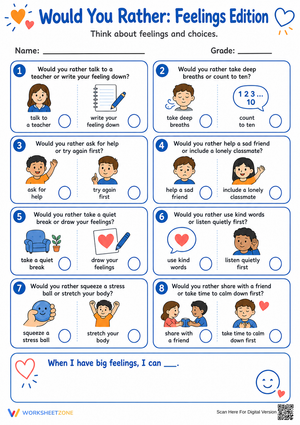
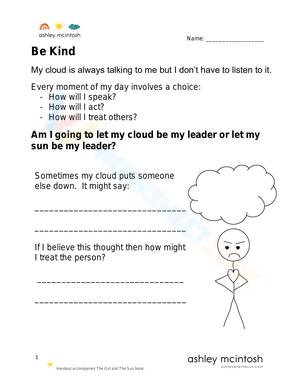
5th graders are old enough to talk about stress, disappointment, peer conflict, and test pressure, but they still need concrete tools when emotions rise quickly. That is why many teachers look for 5th grade emotional regulation worksheets printable enough for daily use, not just one-off lessons. In upper elementary classrooms, students are expected to shift between academic tasks, partner work, transitions, and independent problem solving. A printable that helps them identify a feeling, pause, and choose a next step can support behavior, participation, and readiness to learn.
At this grade level, the best materials do not feel babyish. Students usually respond better to reflection prompts, quick rating scales, coping menus, and realistic school scenarios than to overly simple pages. Teachers can use those formats during morning meeting, after recess, before a test, or as part of a behavior reset. The goal is not to eliminate every hard feeling. The goal is to help students notice what is happening internally and practice a response they can repeat in real classroom moments.
What Good Emotional Regulation Worksheets Should Include
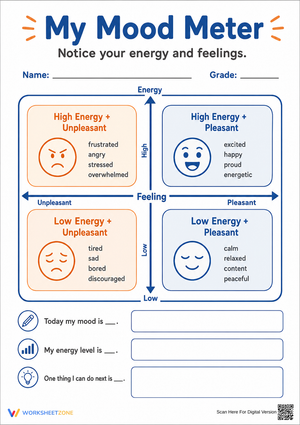
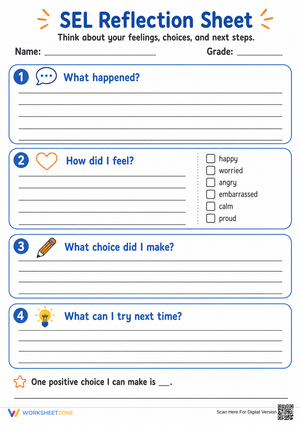
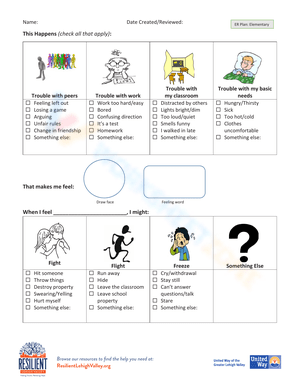
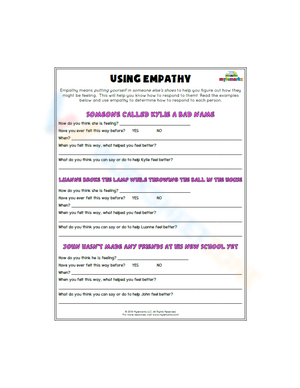
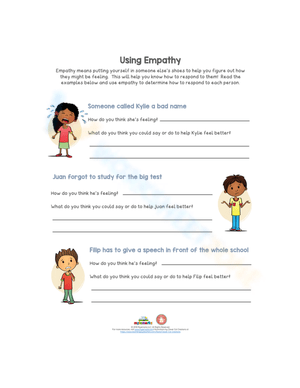
For 5th grade, the best worksheets usually combine self-awareness with an action step. Students should have space to name an emotion, connect it to a trigger, and choose a coping strategy that fits the situation. That structure keeps the page practical instead of vague.
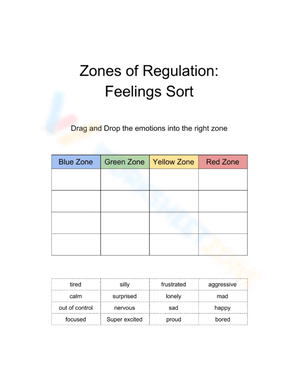
- Feeling vocabulary that goes beyond happy, sad, and mad
- Prompts for identifying triggers such as peer conflict, frustration, or worry
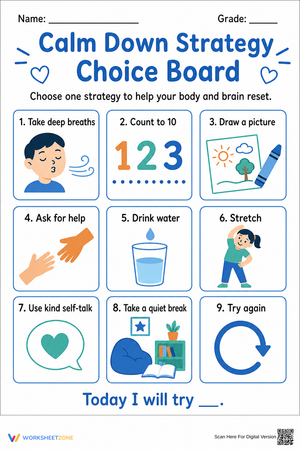
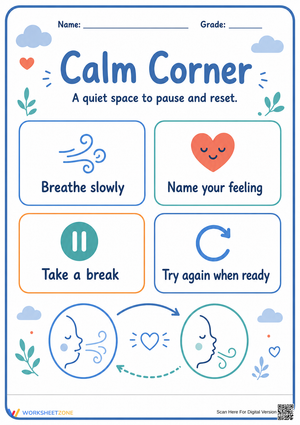
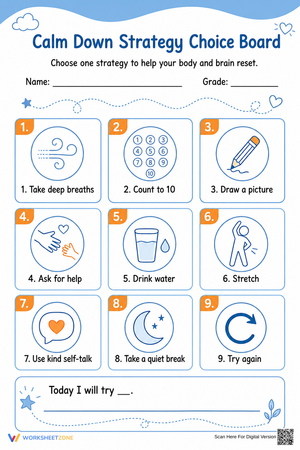
- Simple coping choices like breathing, counting, reframing, movement, or asking for help
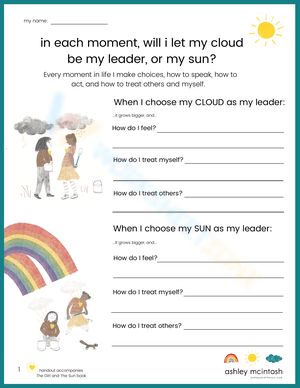
- Reflection questions that help students think about what worked
- Layouts that can be completed in 5 to 10 minutes during the school day
Classroom Implementation
Printable emotional regulation pages work best when they are used predictably. In many classrooms, the most effective pattern is short, repeated practice rather than occasional long lessons. A two-page packet that sits untouched in a binder is less useful than one half-sheet students see every week.
- Use a quick check-in page during morning meeting to help students name their starting emotion and set a regulation goal for the day.
- Place a calm-down reflection sheet in a reset area so students can return to learning with a plan.
- Add one printable to counseling groups or SEL centers for guided discussion.
- Leave sub plans with a neutral coping routine page that can support the class during schedule changes.
- Send home one reflection sheet for families when you want school language and home language to match.
It also helps to teach the routine when students are calm. If the first time a child sees a worksheet is during a meltdown, the page may feel like a consequence instead of a support. Model how to complete it, think aloud through sample situations, and keep the language consistent across staff when possible. By the time a hard moment happens, students should already know the purpose of the tool and how it helps them reset.
Using Worksheets for Counseling, SPED, and Behavior Support
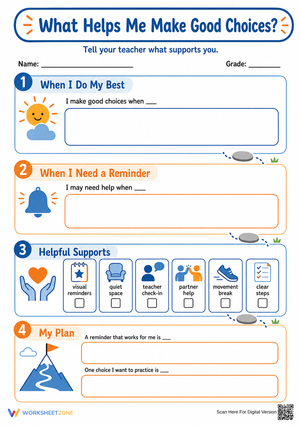
These printables fit well beyond the general education classroom. School counselors can use them to anchor conversations about anger, worry, grief, or friendship problems. SPED teachers can pair them with visual supports, sentence frames, or repeated practice for students who need more structure. Behavior intervention staff can use them during check-in and check-out routines to help students reflect on patterns over time.
The key is matching the worksheet to the level of support a student needs. Some 5th graders can independently circle a feeling, choose a strategy, and return to work. Others need an adult to read prompts aloud, offer two choices, or connect the page to a co-regulation routine first. That does not make the printable less useful. It just changes how it is delivered.
In mixed-support settings, teachers often do well with a small set of formats rather than dozens of unrelated pages. A feelings-and-triggers sheet, a coping-plan sheet, and a reflection-after-conflict sheet can cover a lot of ground. When the structure stays familiar, students spend less energy decoding the page and more energy thinking about their response.
Frequently Asked Questions
1. What should an emotional regulation worksheet for 5th graders include?
It should include feeling identification, likely triggers, and at least one action step. For grade 5, reflection prompts should sound mature enough for older elementary students and connect to common school situations such as group work, tests, transitions, or friendship issues.
2. How can teachers use emotional regulation printables during the school day?
They work well in morning meeting, calm-down corners, counseling groups, behavior check-ins, SEL centers, and short independent reflection routines. The most effective use is brief and predictable, so students learn the process before they need it in a high-stress moment.
3. Are emotional regulation worksheets appropriate for counseling, SPED, or behavior intervention support?
Yes. They are often helpful in all three settings because they provide a shared structure for naming emotions and choosing coping strategies. The main adjustment is the level of adult support, prompting, or visual scaffolding a student may need while using the page.
4. How do printables help students manage anger, anxiety, or frustration at school?
They slow the moment down. A worksheet gives students a repeatable sequence: notice the feeling, identify the trigger, select a coping strategy, and reflect on what helps them rejoin learning. That sequence can support safer behavior and stronger self-management across the school day.












 Interactive Worksheet Maker
 Quiz Maker
 Word Search Maker
 Crossword Puzzle Maker
 Word Scramble Generator
 Sentence Scramble Generator
 Handwriting Worksheet Generator
 Name Tracing Generator
 Fill In The Blank Generator