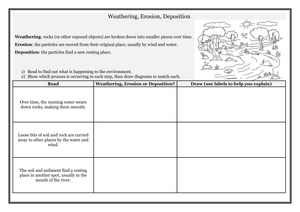
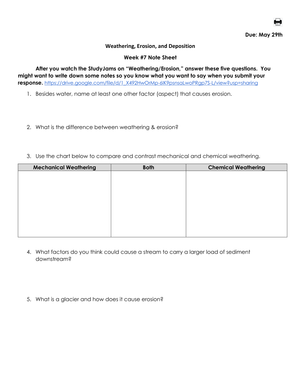
Weather and climate practice that matches grade 4 science
Teachers looking for weather and climate pdf worksheets for 4th grade usually need pages that fit an actual Earth science block, support clear vocabulary work, and give students practice with patterns they can observe, discuss, and explain. In grade 4, students are ready to compare evidence, read simple charts, and connect daily conditions to larger regional patterns. That makes printable worksheet sets especially useful when you want a low-prep way to reinforce science ideas without losing instructional focus.
A strong worksheet collection helps students separate two ideas that are often mixed together. Weather is what is happening over a short period of time, such as a rainy afternoon or a windy morning. Climate is the long-term pattern a place tends to have across seasons and years. When students sort examples, label visuals, and explain their thinking in writing, they move beyond memorizing terms and start using science language more accurately.
What students should practice in a weather and climate set
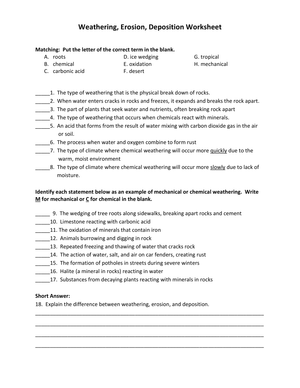
The most effective grade 4 worksheets focus on a manageable group of skills. Students should identify common weather conditions, read visual data such as simple forecasts or precipitation charts, and explain whether an example shows daily weather or long-term climate. They should also connect the water cycle to weather events by tracing how evaporation, condensation, precipitation, and collection work together.
- Sorting examples into weather or climate
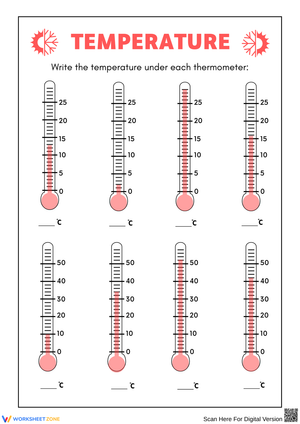
- Reading charts, symbols, and short observation notes
- Using science vocabulary in complete sentences
- Labeling and sequencing the water cycle
- Looking for patterns across days, weeks, or seasons
That skill mix matters in real classrooms. One page might ask students to read a weekly forecast and describe a pattern. Another might ask them to decide whether “snowy today” is weather or climate and explain why. A third might connect cloud formation and precipitation to the water cycle. Together, those tasks build the repeated exposure that helps grade 4 students retain the differences between key Earth systems terms.
Classroom Implementation
In a grade 4 science unit, these worksheets fit best when they are tied to a clear instructional purpose. Early in the unit, use them to build vocabulary and sort examples of weather versus climate. Midway through the unit, assign pages that ask students to interpret observations and connect them to the water cycle. Near the end, use mixed-review pages to help students explain patterns and show what they understand independently.
Teachers can also match worksheet use to different parts of the school day. A short page with four or five prompts makes a solid exit ticket or warm-up. A multi-step page with charts and written responses works better during centers or guided science time. For homework, the strongest tasks are straightforward and readable without extra materials, such as labeling the water cycle or comparing two statements to decide which one describes climate.
- Use one-page printables for exit tickets and quick checks
- Use mixed-skill pages during centers and partner review
- Use targeted sheets for reteaching weather versus climate
- Use independent practice pages for substitute plans or homework
When teachers sequence the pages this way, the worksheet set supports instruction instead of interrupting it. Students see the same key ideas repeatedly, but each task asks them to apply those ideas in a slightly different way. That repetition is especially helpful in elementary science, where precision with vocabulary and observations develops over time.
The water cycle connection gives students a reason for the weather
Weather worksheets are stronger when they move past naming sunny, rainy, or windy conditions and help students explain where those conditions come from. The water cycle gives grade 4 students that explanation. If students understand that water evaporates, condenses into clouds, falls as precipitation, and collects again, they have a clearer foundation for discussing rain, snow, clouds, and changing conditions.
According to NASA Climate Kids in “What Is the Water Cycle?”, water moves through four key stages: evaporation, condensation, precipitation, and collection. That four-part sequence gives elementary students a concrete framework for explaining how many everyday weather events begin and why clouds and rain are connected instead of separate topics.
A useful instructional shift is to treat the water cycle as the reason behind many weather observations rather than as a separate diagram students memorize once. When a worksheet asks students to label the cycle and then explain a rainy-day forecast using the same vocabulary, it strengthens transfer. That matters in grade 4 because students often know the terms first and only later connect them to patterns they can observe on a forecast chart or in a seasonal comparison activity.
Frequently Asked Questions
1. What is the difference between weather and climate for 4th graders?
Weather is what the atmosphere is like over a short time, such as today’s temperature, wind, or rain. Climate is the long-term pattern of weather in a place over many years. Grade 4 worksheets help students practice that difference by sorting examples, reading simple data, and explaining their thinking.
2. How can teachers use weather and climate worksheets in a grade 4 science unit?
Teachers can use them for warm-ups, science centers, independent practice, homework, exit tickets, and end-of-unit review. The strongest use is to match each page to a specific lesson goal, such as introducing vocabulary, reviewing the water cycle, or interpreting patterns in observed weather data.
3. Do these printable PDFs support water cycle and weather pattern practice?
Yes. A well-designed set should include labeling or sequencing the water cycle and applying those stages to common weather events. That combination helps students explain why clouds, rain, and other conditions happen instead of only naming what they see.
4. Are weather and climate worksheets useful for homework or science centers?
Yes. PDF worksheets work well in both settings because they are easy to print and assign. In homework, they provide clear, independent review. In science centers, they can anchor a short task focused on charts, vocabulary, sorting, or written explanations tied to grade 4 Earth science.












 Interactive Worksheet Maker
 Quiz Maker
 Word Search Maker
 Crossword Puzzle Maker
 Word Scramble Generator
 Sentence Scramble Generator
 Handwriting Worksheet Generator
 Name Tracing Generator
 Fill In The Blank Generator