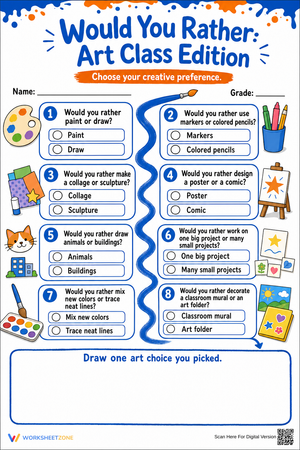
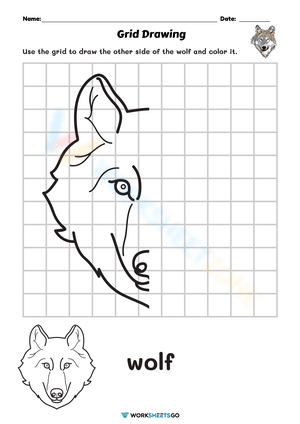
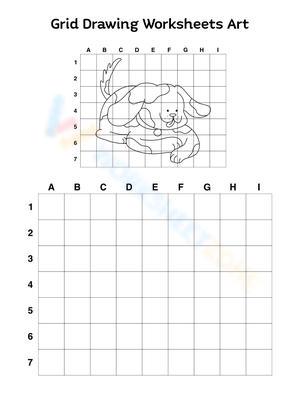
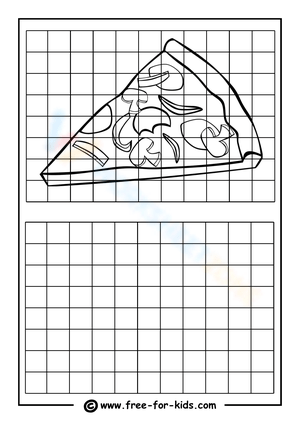
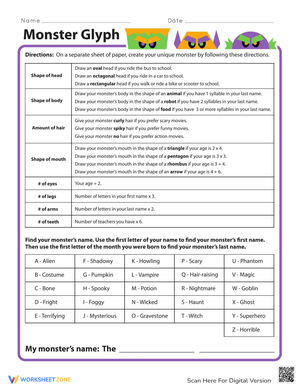
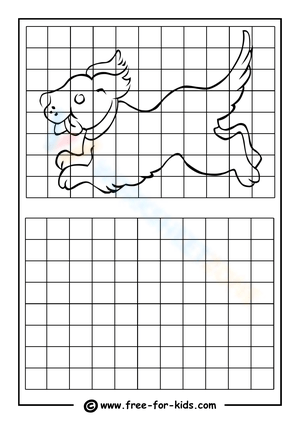
These drawing and painting printable worksheets for 4th grade are built around a specific developmental reality: nine- and ten-year-olds are entering what art educators call the dawning realism stage, when students start noticing — and minding — that their drawings don't look the way they meant them to. That shift in self-awareness either becomes the engine for genuine skill-building or it stalls into "I just can't draw." A well-chosen worksheet channels it in the right direction.
Skills Built Across the Set
Each worksheet targets a single skill area rather than asking students to manage everything at once. The range covers the core technical and conceptual territory that Grade 4 students are ready to work on with real independence:
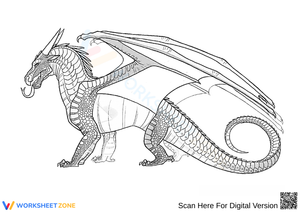
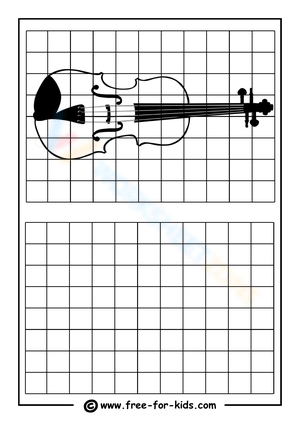
- Observational drawing: sketching from actual objects, reference images, or classroom still life setups, with attention to proportion, edge, and specific detail rather than the generic mental symbol students default to.
- Mark-making and texture: varying pencil pressure, line direction, and mark density to show the surface difference between rough bark, smooth glass, and woven cloth.
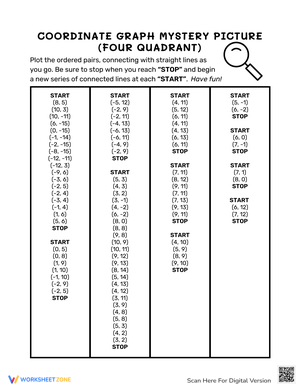
- Spatial composition: placing a subject, establishing a horizon line, and building foreground and background relationships before adding any color.
- Color theory in practice: sorting warm and cool colors, mixing tints by adding small amounts of pigment to white, and building a light-to-dark value scale.
- Brush-stroke control: practicing thin lines, wide strokes, wet-on-wet blending, and dry-brush texture before those techniques appear in a longer project.
- Visual planning: using thumbnail sketches or labeled diagrams to commit to a composition and palette before working on a final surface.
Art vocabulary develops through use across each worksheet rather than through memorization. When students label tint boxes or mark where the foreground sits in a thumbnail sketch, the terms attach to a visual referent — which is what makes vocabulary stick past the current unit.
Errors That Surface Repeatedly in Fourth-Grade Art Work
The most persistent drawing problem at this grade level is schema drawing — students produce the mental symbol they've been carrying for an object since early childhood rather than looking at what's actually in front of them. Ask a student to sketch the shoe sitting on their desk and most will draw the same simple side-view profile they've used since first grade, regardless of whether the actual shoe is a boot, a high-top, or seen from a three-quarter angle. The same pattern shows up with faces (dot-dot-arc shorthand for expression), trees (lollipop or triangle shapes), and hands (mitten outline with lines added). Worksheets that ask students to observe an actual object, make a first-attempt sketch, then revise one specific area — just the outline, or just the shading on one side — break that reliance on symbol more effectively than open-ended prompts can.
In color and painting work, the most common error is a reversed tint-mixing sequence: students almost universally add color paint to a puddle of white rather than starting with the color and working white in gradually. The result is a clumpy, inconsistent mixture that rarely produces the clean tint they're after. A tint-and-shade worksheet that models the physical sequence — start with white, add a small stroke of the hue, observe the value shift, add a little more — gives students the kinesthetic experience of controlling value before they face that decision mid-project. The students who muddy their colors during a painting session are almost always the ones who skipped any deliberate mixing practice beforehand.
Where These Worksheets Land in Your Teaching Week
Drawing and painting printable worksheets for 4th grade fit more instructional slots than most teachers initially use them for. Art center rotations and early-finisher folders are obvious homes, but these worksheets also hold up as 10-minute Monday warm-ups after a weekend away from visual work, as the last 12 minutes before a school-wide assembly when starting anything new would be the wrong call, and as sub-plan material that a non-specialist can run without prep. For sub days, choose a worksheet with a clear visual example printed directly on it and a short three-step checklist — that combination travels well without you in the room.
One move that consistently raises the quality of student output: after students complete the structured portion of a worksheet, add a single "artist's decision" requirement. Ask them to choose a limited palette of three colors, redraw one element from a different angle, or add a texture they haven't used in the main work. This keeps each worksheet tight enough for classroom management while building the habit of intentional choice — which is the actual gap between rote copying and meaningful art practice.
When paint isn't available, painting-focused worksheets don't have to sit unused. Students can map planned color placement with colored pencils, annotate where tints and shades should appear, or work through brush-stroke motion with a pencil tip on a dry surface. That planning-first sequence also reduces cognitive load on actual paint days: students who've already resolved composition and color decisions on paper can put their full attention on handling materials rather than making every choice at once.
Standard Alignment
The set aligns with the National Core Arts Standards for Visual Arts at the grades 3–5 band. VA:Cr2.1 asks students to "experiment and develop skills in multiple art-making techniques and approaches" — the brush-stroke practice, texture mark-making, and tint-and-shade worksheets address this directly, before students attempt those same techniques in a longer project. VA:Cr1.2, which targets the use of observation, imagination, and prior knowledge to generate ideas, maps to the observational drawing and visual planning worksheets. Teachers managing standards-based art portfolios or report cards will find that completed worksheets produce concrete, reviewable evidence of skill development that whole-class observation alone doesn't capture well.
Modifications for Students at Both Ends of the Skill Range
Drawing and painting printable worksheets for 4th grade lend themselves to adjustment without requiring entirely separate materials for each ability group. For students who freeze in front of too many open decisions, reduce the variables: pre-select the reference image, limit the palette to one color plus white, or circle the single section of the worksheet they must complete before anything else. That reduction addresses decision paralysis — it doesn't lower the cognitive demand of the thinking itself, it removes the obstacle to starting.
For students who finish the structured portion quickly, add constraints rather than additional worksheets. Ask them to redo the value scale using only pencil pressure — no added white — which pushes toward a deeper understanding of value than the original task required. A completed landscape sketch can become a more demanding task by asking the student to redraw the same scene from a higher angle, forcing spatial reasoning the first attempt didn't require.
Students with fine motor challenges work more successfully when the worksheet provides larger practice areas and fewer small-detail sections. A tint-and-shade exercise with four value steps transfers the same skill as one with eight steps while reducing the physical frustration of working small. The learning is equivalent; the access is better.
Frequently Asked Questions
Can these worksheets be used outside a dedicated art period?
Most of the drawing worksheets need only pencils or colored pencils, which makes them realistic for morning routines, indoor recess, or brief transition blocks. Painting-focused worksheets that require water and paint are better suited to planned art time, but those same worksheets function as pre-planning tools using dry materials on any other day — students annotate color plans, label value areas, and sketch compositional thumbnails without needing a full supply setup.
How do these worksheets fit into a project sequence?
Each worksheet works best when it precedes the project skill it targets by one to three class sessions — close enough that students carry the practice into the project, but with enough distance that the repetition feels purposeful rather than redundant. A brush-stroke worksheet used the session before a watercolor project serves as both skill rehearsal and project preview, which reduces confusion when students sit down with actual paint on the project day.
What if students rush through and produce low-effort work?
That's a management and expectation issue as much as a materials issue. Building a brief class share into the end of the session — two minutes where three students show one choice they made and explain why — raises the overall quality because students know the work will be seen. Adding a short reflection prompt ("What would you change if you did this again?") shifts students from compliance into actual thinking. Drawing and painting printable worksheets for 4th grade work best when students treat them as practice that matters, not tasks to get through — and that expectation is set by the teacher before the worksheet is handed out.