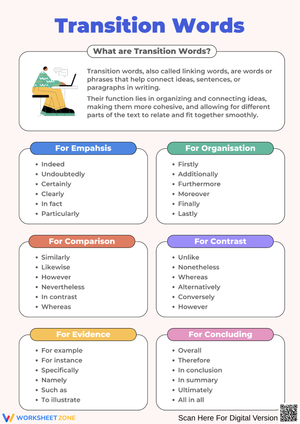
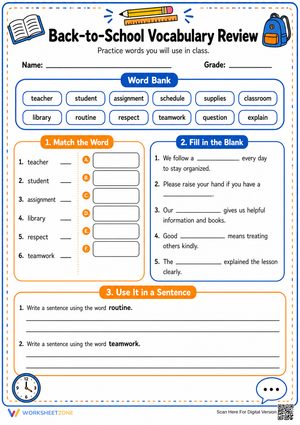
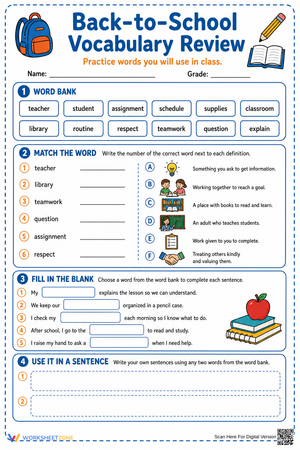
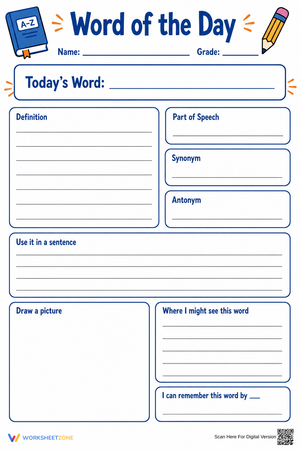
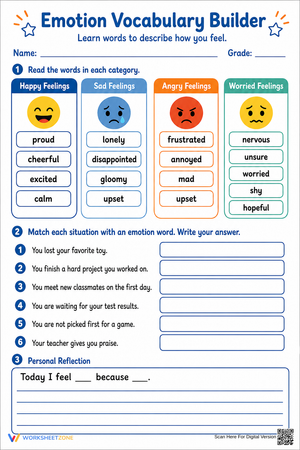
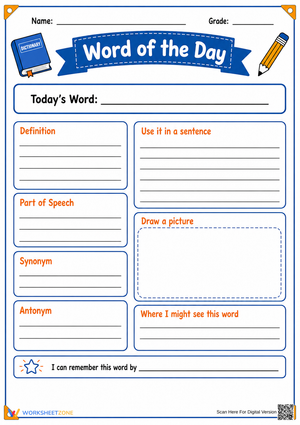
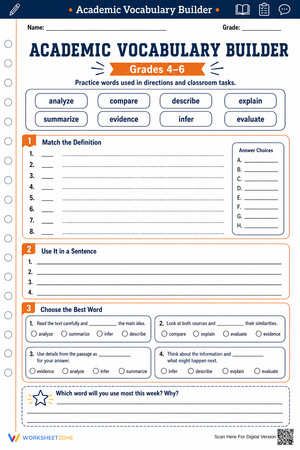
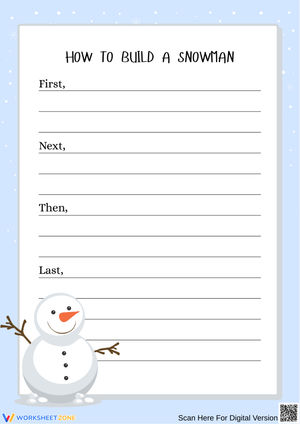
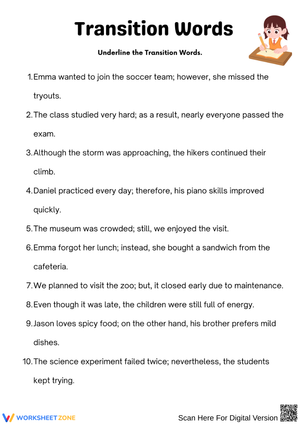
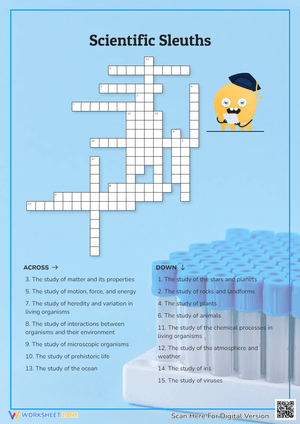
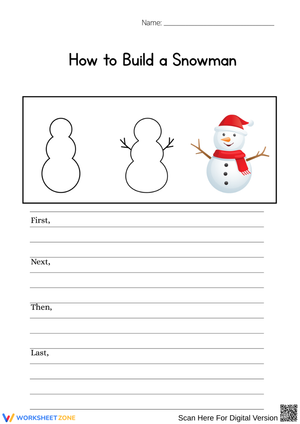
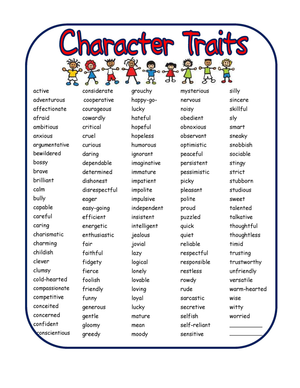
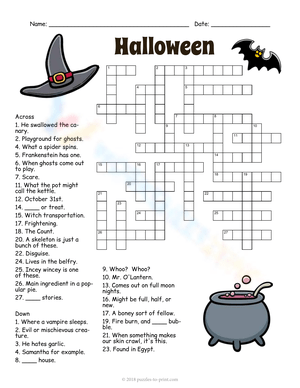
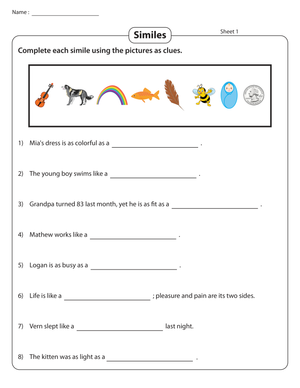
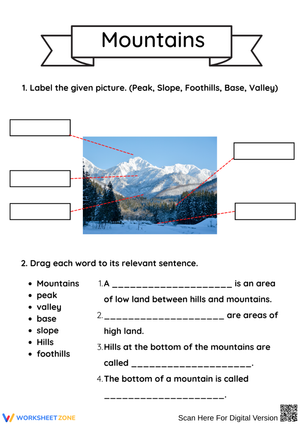
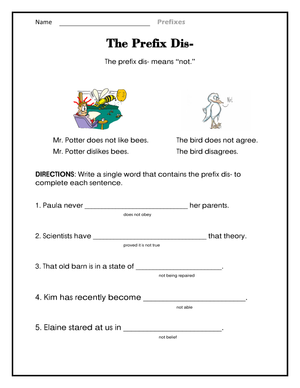
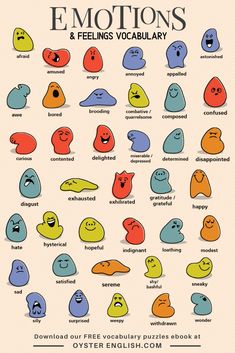
These language and vocabulary worksheets for 4th grade give teachers a focused set of resources targeting the word knowledge skills that matter most as reading demands intensify through the upper elementary years. Each worksheet addresses one skill area — context clues, Greek and Latin word parts, figurative language, or word relationships — so teachers can drop a relevant worksheet into any lesson without rebuilding their plan around it. The format suits whole-group instruction, small-group follow-up, and independent practice at a literacy center.
The Specific Skills Targeted
Fourth grade is where the "learning to read / reading to learn" shift arrives in full. Students move from decodable texts into informational and literary passages that carry dense academic language — the kind of vocabulary that doesn't show up in conversation. These worksheets address the word-level gaps that show up most often at this stage:
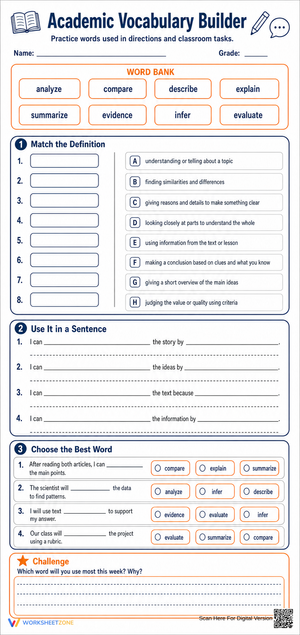
- Context clues: Students read sentences and short passages, then determine word meaning from definition clues, synonym clues, antonym clues, and inference clues. The progression moves from highly explicit clues to clues that require drawing on surrounding paragraph tone.
- Greek and Latin word parts: Each worksheet targets a cluster of roots and affixes — port, dict, bio, graph, tele — and asks students to apply them across multiple unfamiliar words. The goal is transfer, not memorization of one word at a time.
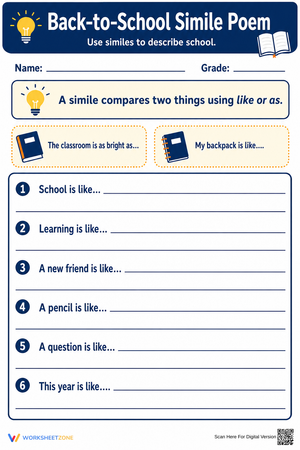
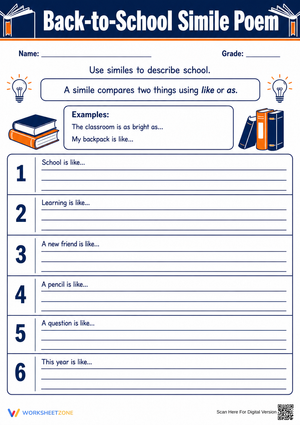
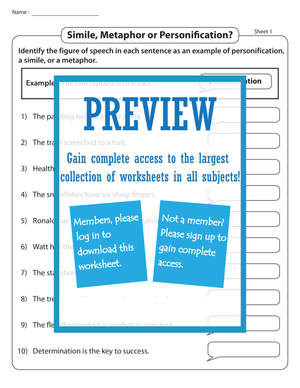
- Figurative language: Worksheets present similes, metaphors, and idioms in authentic sentence contexts. Students identify the type, explain the intended meaning, and in some tasks distinguish the literal image from what the writer actually means.
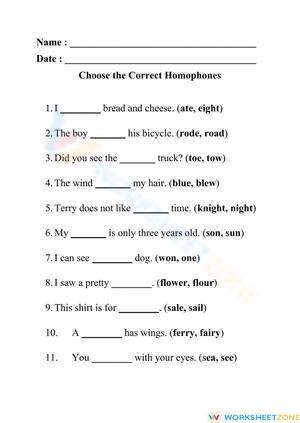
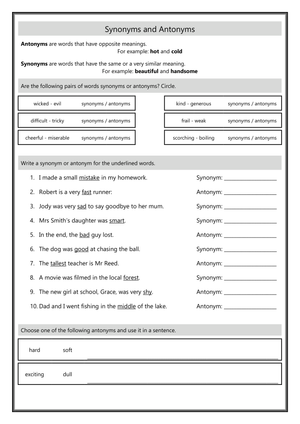
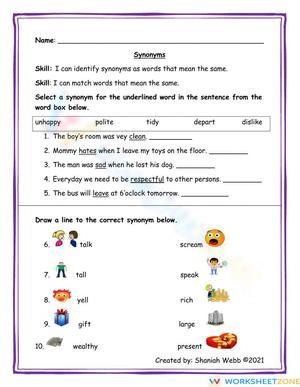
- Synonyms, antonyms, and homographs: Students select precise synonyms to replace vague words in sentences, sort antonym pairs, and use context to determine which meaning of a homograph applies — skills that feed directly into revision and editing work in writing.
Student Error Patterns Worth Anticipating
The homograph worksheets produce a consistent error worth watching: students frequently pick the most familiar meaning of a word rather than reading the sentence closely. A student who knows "bark" as a dog sound will choose that meaning even when the sentence clearly describes a tree. The antidote isn't a hint or a reminder — it's asking them to underline the specific words in the sentence that rule out the other meanings. That act of marking forces the re-read that guessing bypasses.
With figurative language, the mistake runs in the opposite direction. Students who understand that idioms are not literal will sometimes over-apply that knowledge to similes, reading "she ran like the wind" as a statement that requires finding a hidden meaning rather than a comparison. A brief sorting task — literal or figurative, followed by "how do you know?" — surfaces this confusion quickly. The context clue worksheets reveal a different pattern: students working on inference clues often pull the nearest noun or adjective from the sentence and report it as the definition, producing an answer that is grammatically adjacent but semantically wrong. Asking them to paraphrase the meaning in their own words before writing the definition catches this more reliably than any multiple-choice option.
How to Work These Worksheets Into Your Lesson Plans
These worksheets fit most naturally at the end of a direct-instruction segment, after you've introduced the skill and worked through examples together. A 10–12 minute independent practice window is enough time for most fourth graders to complete one worksheet while the instruction is still fresh — and that timing leaves space for a brief whole-group debrief before transition.
Monday warm-ups and the language and vocabulary worksheets for 4th grade are a natural pairing. A context clue or word parts worksheet takes about the same time as morning meeting wrap-up, gives students something to think about before the day's reading block, and produces a quick check of where the class stands after a weekend away from academic vocabulary. Teachers running literacy centers can rotate one worksheet per center rotation and collect completed work as a snapshot of each student's current skill level — more efficient than a dedicated assessment day and easier to annotate for small-group planning.
Standard Alignment
The worksheets target CCSS.ELA-LITERACY.L.4.4, which requires students to determine or clarify the meaning of unknown words and phrases using context clues, affixes, roots, and reference materials. Context clue worksheets address L.4.4a directly; word parts worksheets address L.4.4b. Figurative language worksheets align with L.4.5, covering similes, metaphors, and idioms as part of understanding word relationships. L.4.6 — the expectation that students acquire and accurately use grade-appropriate academic and domain-specific vocabulary — sits behind the entire set, since repeated practice with unfamiliar words in varied sentence contexts is what moves a word from recognized to usable. These standards appear on state reading assessments in most Common Core-aligned states, typically embedded in reading comprehension passages rather than isolated vocabulary questions, which means the transfer from worksheet practice to passage-level reading matters more than worksheet completion rates alone.
Adjusting the Worksheets for a Range of Learners
The language and vocabulary worksheets for 4th grade work across a wider skill range than the grade label suggests. For students reading below grade level, pair the context clue worksheets with sentence strips cut from the worksheet so students work on one sentence at a time rather than a full paragraph — this reduces visual load without changing the skill demand. For students who finish early, extend the homograph and synonym worksheets by asking them to write their own sentences that make the correct meaning unmistakable. That task requires students to think about which context clues they would plant for a reader, reversing the usual direction in a way that deepens understanding considerably.
The figurative language worksheets also lend themselves to an oral extension: ask advanced students to explain each idiom to a partner as if that partner has never heard it spoken, then have the partner paraphrase back. Students who can do that are demonstrating a level of word knowledge that the written worksheet alone won't show you.
Frequently Asked Questions
Do these worksheets work for students who are strong decoders but weak in vocabulary?
Yes, and this is actually the most common fourth-grade profile these worksheets address. Strong decoders can read the words on the page fluently but stall on meaning when Tier 2 academic vocabulary appears. The context clue and word parts worksheets give those students strategies for working through unfamiliar words independently rather than defaulting to skipping them. The format rewards thinking through the sentence rather than reading speed, which is a productive shift for that learner profile.
How often should I use these worksheets during the week?
Two to three times per week works without crowding out other language instruction. Each worksheet takes 10–15 minutes for most students, so daily use can feel repetitive unless you are cycling through skill types — a context clue worksheet Monday, a word parts worksheet Wednesday, a figurative language worksheet Friday. That spaced-out rotation gives students repeated contact with all four skill areas across a two-week period, which is closer to how vocabulary actually moves into long-term memory than massed practice on a single skill type.
Can these worksheets double as assessment tools?
They function better as formative checkpoints than as summative assessments. Looking at a completed context clue worksheet tells you which strategy a student used — definition clue, inference clue, or outright guessing — and that process information is harder to get from a test score. The language and vocabulary worksheets for 4th grade give you something to annotate and discuss with students directly, which makes them more useful for instructional decisions than for grade-book documentation. If you need a formal grade, pair them with a short discussion or exit ticket rather than scoring the worksheet alone.












 Interactive Worksheet Maker
 Quiz Maker
 Word Search Maker
 Crossword Puzzle Maker
 Word Scramble Generator
 Sentence Scramble Generator
 Handwriting Worksheet Generator
 Name Tracing Generator
 Fill In The Blank Generator




 BACK TOSCHOOL