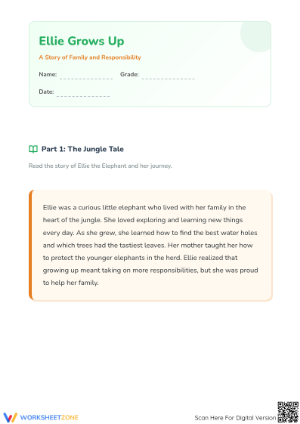
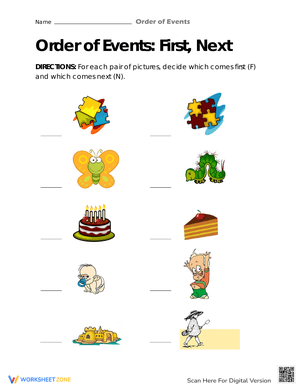
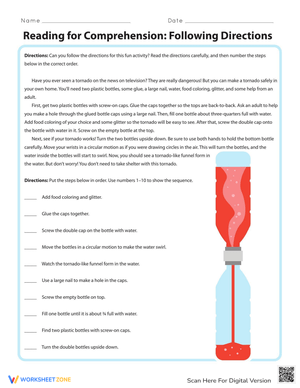
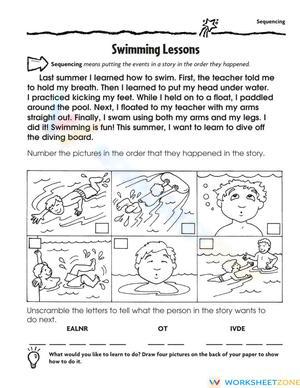
These sequencing events in nonfiction printable worksheets for 3rd grade give teachers a focused set of resources for one of the trickiest reading shifts of the elementary years: helping students track how information unfolds across an informational text, not just what the text says. The set covers three main text types—life cycles, historical timelines, and procedural guides—so students practice the skill across the genres they encounter most often in Grade 3 nonfiction reading.
The Specific Skills These Worksheets Target
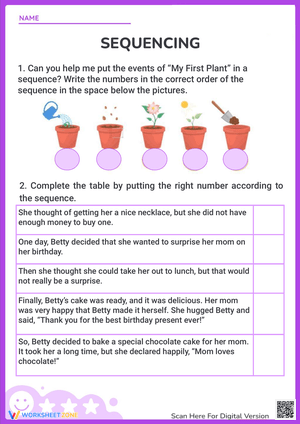
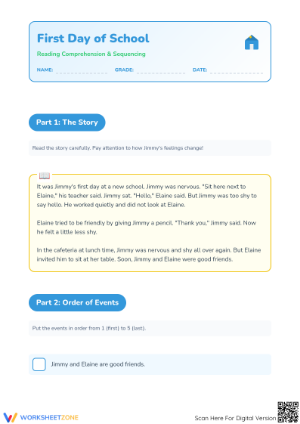
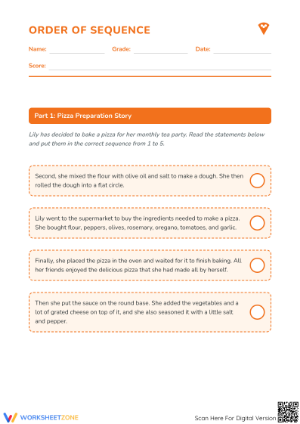
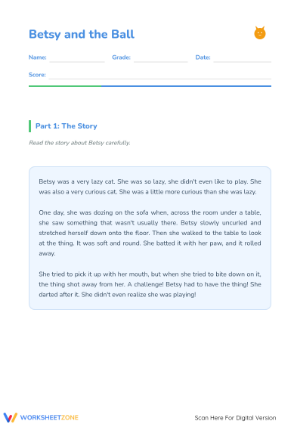
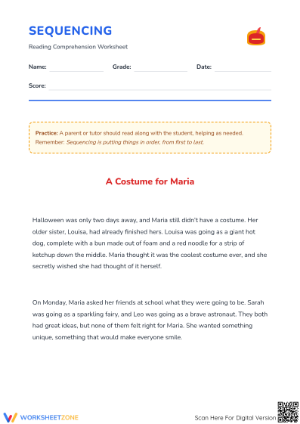
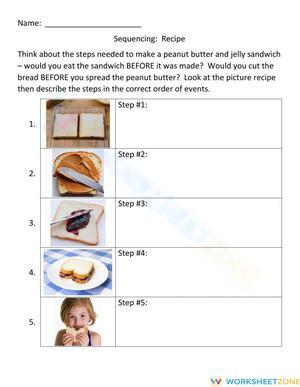
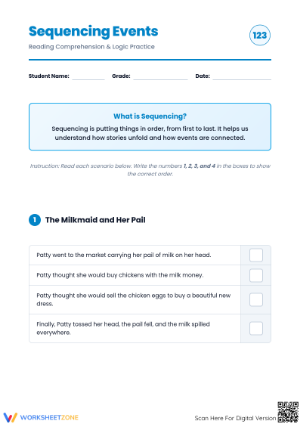
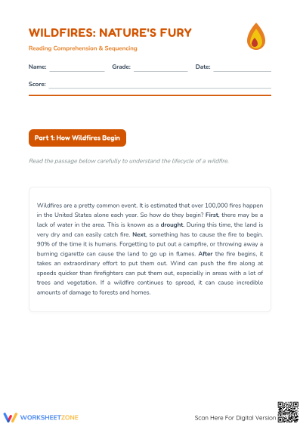
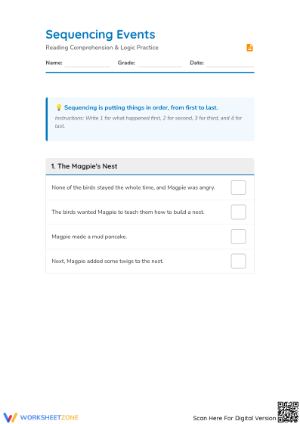
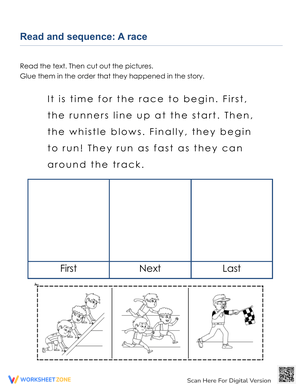
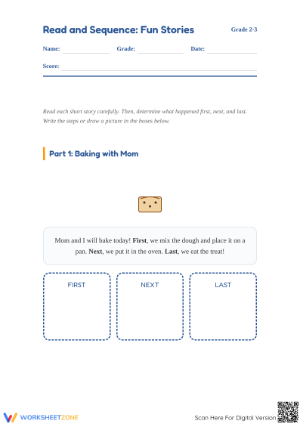
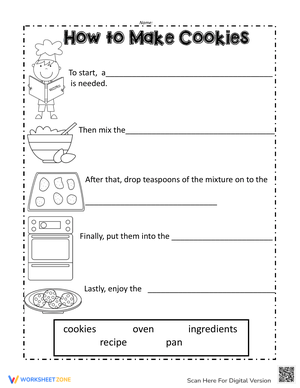
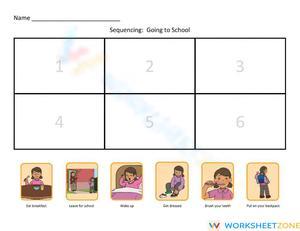
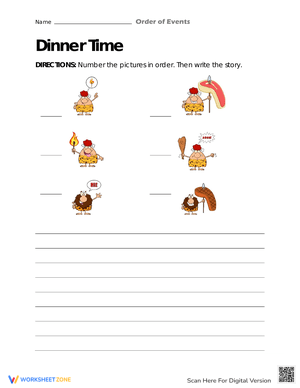
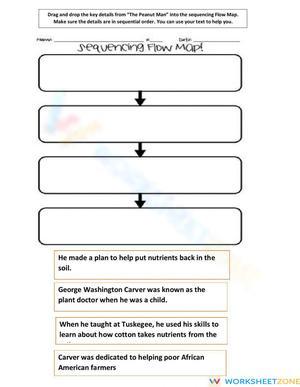
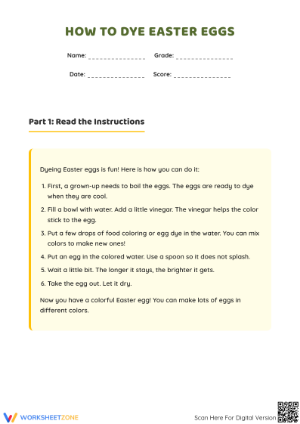
Each worksheet asks students to do something concrete with sequence: number a scrambled list of events in chronological order, complete a sequence chain using details drawn from a short passage, or cut out and reorder sentence strips that describe the stages of a process. The work stays close to text evidence throughout. Students are not paraphrasing or summarizing—they return to the passage to confirm ordering decisions before committing to an answer, which builds the habit of grounding claims in the text itself.
Beyond simple ordering, several worksheets in the set ask students to identify the signal words that pointed them toward a particular order—first, then, after three days, by the end of the season. Labeling those words explicitly trains students to notice how writers telegraph transitions rather than absorbing content passively. The sequencing events in nonfiction printable worksheets for 3rd grade set also includes one worksheet per text type where signal words have been removed entirely, shifting the task toward context and logic rather than explicit markers.
Why Signal Words Are the Center of This Skill
Third graders who struggle with sequencing are usually not struggling with comprehension—they are struggling with attention to language. A student can read a passage about the water cycle, recall all five stages, and still place "condensation" before "evaporation" on the graphic organizer because she ordered events by how she remembered them, not by the sequence the text established. Signal words pull students back to the actual text as their source of information.
The most teachable moment in a sequencing unit tends to come when students encounter a passage with no signal words at all—a paragraph describing the construction of the Hoover Dam, for instance, that moves through time without a single first or next. That discovery raises the stakes of the broader skill. The worksheets that strip signal words from procedural passages are worth holding until the end of a unit, specifically to surface this gap before it appears on a formal assessment.
Standard Alignment
These worksheets address CCSS.ELA-LITERACY.RI.3.3, which requires students to describe the relationship between a series of historical events, scientific ideas, or steps in a technical procedure using language that pertains to time, sequence, and cause and effect. They also support CCSS.ELA-LITERACY.RI.3.8, which asks students to describe the logical connection between particular sentences and paragraphs in a text—including connections of the first/second/third-in-a-sequence variety. In most Grade 3 pacing calendars, RI.3.3 falls in the opening nonfiction unit of the year, which makes this set a natural fit for the September–October window before students move into longer inquiry-based reading projects.
Working These Worksheets Into Your Lesson Plans
The cut-and-sort worksheets work best in a small-group setting where you can watch students physically handle the sentence strips. The moment worth watching for: a student picks up two strips, compares them, and hesitates—that decision point is where the sequencing thinking actually happens, and it disappears in whole-class use when students rush to finish. Running the cut-and-sort format in a guided group of four or five students gives you eight to ten minutes of observable thinking per session.
The numbered-list and graphic organizer worksheets hold up as independent practice, Monday morning warm-ups, or the short review block before a reading unit assessment. They take roughly eight to twelve minutes to complete, which fits the transition window between morning meeting and the formal reading block without eating into instruction time. Pairing the sequencing events in nonfiction printable worksheets for 3rd grade set with a brief read-aloud at the unit's start—before students touch the first worksheet—establishes a shared reference experience they can draw on when a passage topic feels unfamiliar.
Student Errors Worth Watching For and Addressing
The most consistent sequencing error in Grade 3 is what might be called the passage-order trap: students number events in the order they appear in the text rather than in the actual chronological or logical sequence. This shows up clearly in biography worksheets. A passage about a scientist might describe her childhood last—as background context for a later discovery—and a significant portion of students will rank that childhood paragraph as event three rather than event one. Catching that error early tells you whether a student is tracking the argument or simply following the text's surface layout.
A second consistent problem is over-identifying signal words. Students taught to circle first, next, and then will also circle however, although, and on the other hand—words that signal contrast or qualification, not temporal movement. The worksheets that ask students to sort signal words by type (sequence versus contrast versus cause-and-effect) surface this directly and reveal whether students understand the function of transition language or have simply memorized a list.
Adapting These Worksheets for a Range of Learners
For students reading below grade level, the cut-and-sort format reduces the writing demand while keeping the thinking intact. If physical manipulation of all the strips at once is still too much, try a modified version: print the strips in correct sequence with one strip removed, and ask the student to identify where the missing strip belongs. That lower entry point preserves the sequencing task without removing it. Pairing a below-level student with a passage already heard in a read-aloud also removes the decoding obstacle so the sequencing work stays the focus of the lesson.
Above-level readers benefit most from the worksheets where signal words have been stripped out, and they can go further: after completing the ordering task, ask them to write transition words back into the passage in ways that fit the logic. That writing extension reveals whether they genuinely understand sequence structure or are relying on content knowledge to fill in the gaps. The sequencing events in nonfiction printable worksheets for 3rd grade resources are organized by text type, so selecting a science worksheet for a student who reads social studies material fluently—but struggles with process-based scientific passages—adds productive challenge without changing the format.
Frequently Asked Questions
Which worksheets work best as a starting point for students new to nonfiction sequencing?
Life cycle worksheets are the smoothest entry point. The stages of a butterfly's development or a seed becoming a plant carry a visual logic students already know from science class, which reduces cognitive pressure and lets students focus on the reading strategy rather than decoding unfamiliar content. Save the historical biography worksheets for after students are comfortable—those passages require students to hold dates and names in working memory while also tracking sequence, which is a heavier cognitive load for early-unit practice.
How many worksheets should a teacher use before moving to a formal assessment?
Three to four worksheets across at least two different text types gives a reliable read on whether a student has internalized the skill or is applying it inconsistently. One worksheet is not enough to distinguish a correct answer from a lucky guess, particularly on a numbered-list format where the answer choices are constrained. Looking specifically for the passage-order trap error—rather than simply marking the final answer right or wrong—gives more actionable information than a score alone.
Do these worksheets work for students reading at a late second-grade level?
The shorter passages in the set—most of the life cycle and procedural worksheets—are accessible for students not yet reading independently at grade level, and in many cases no modification is needed. The historical biography passages assume a higher Lexile and work better when read aloud first for students who would otherwise spend most of their effort on decoding rather than sequencing. None of the worksheets in this set require writing beyond a phrase or a sentence, which keeps the task reachable even for students with limited writing stamina.












 Interactive Worksheet Maker
 Quiz Maker
 Word Search Maker
 Crossword Puzzle Maker
 Word Scramble Generator
 Sentence Scramble Generator
 Handwriting Worksheet Generator
 Name Tracing Generator
 Fill In The Blank Generator