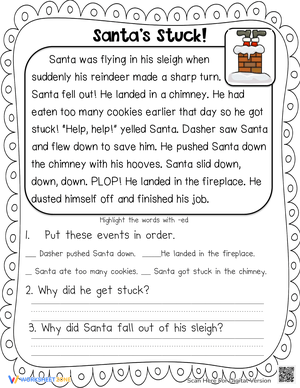
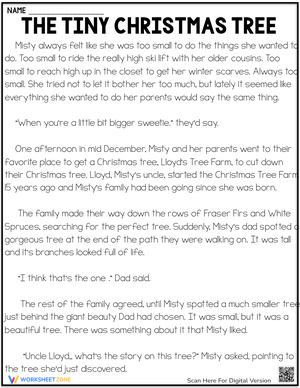
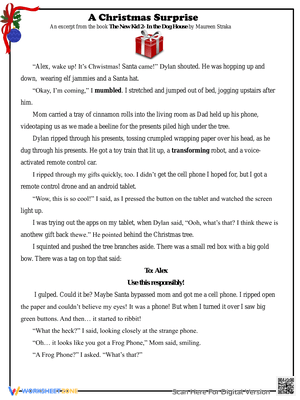
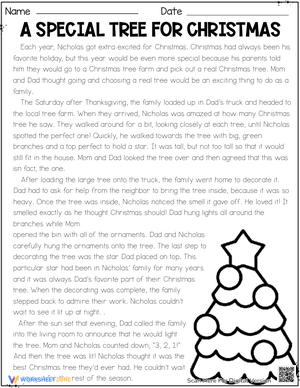
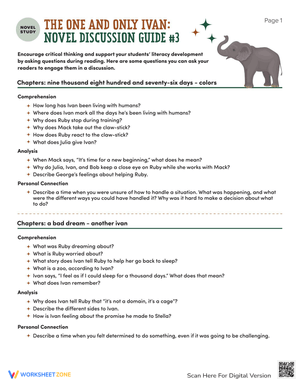
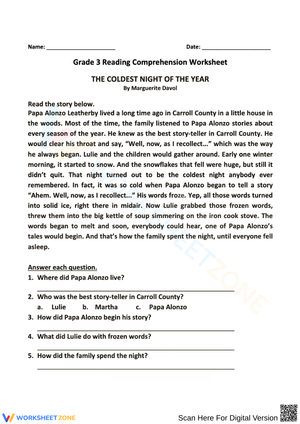
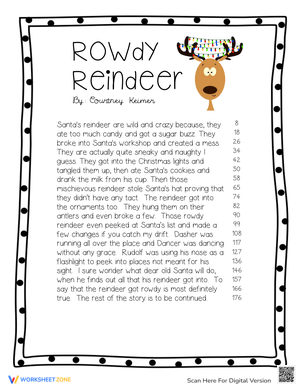
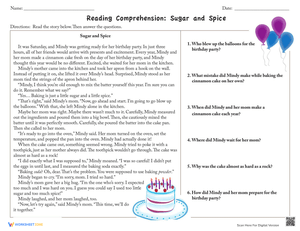
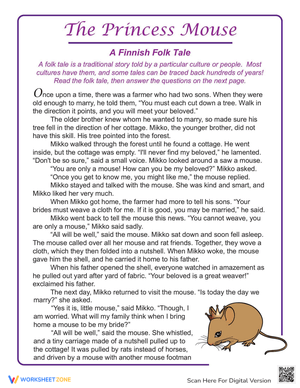
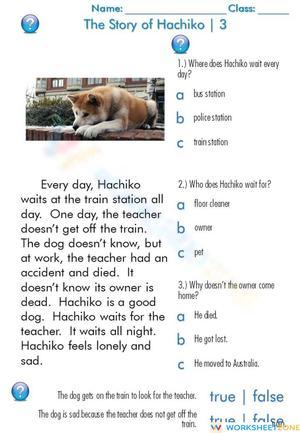
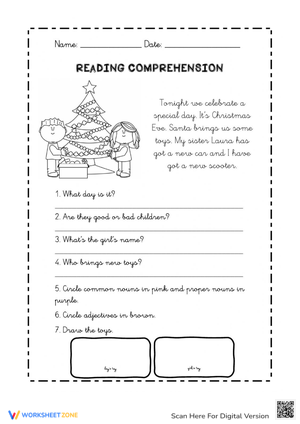
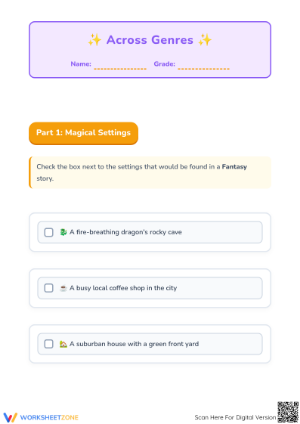
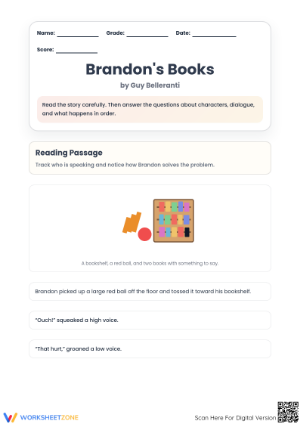
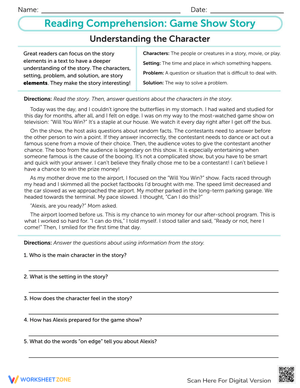
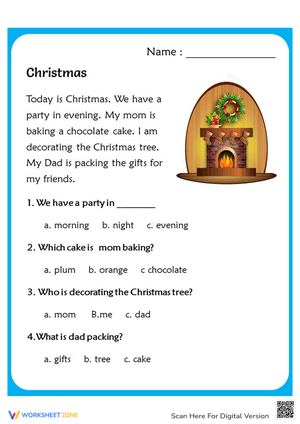
These 3rd grade fiction comprehension questions worksheets give teachers a print-ready set of narrative passages and targeted questions built for the grade when reading instruction changes direction. Third grade is when the expectation shifts from decoding to analysis — students can no longer just retell a story; they have to point to the page and prove it. The set covers the full range of fiction comprehension skills that RL.3 demands, from identifying character motivation to distinguishing theme from plot summary to citing specific text evidence.
What Students Practice Across the Set
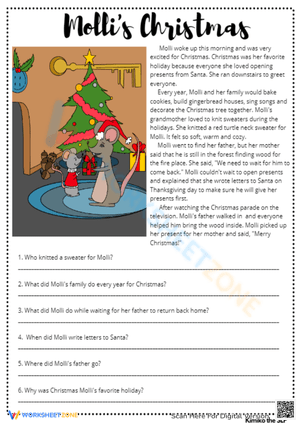
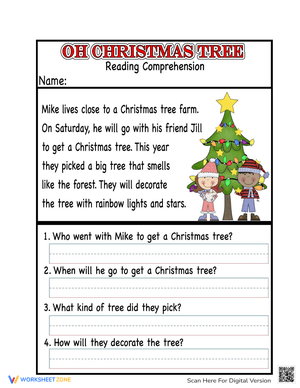
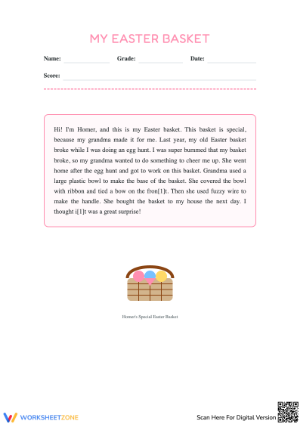
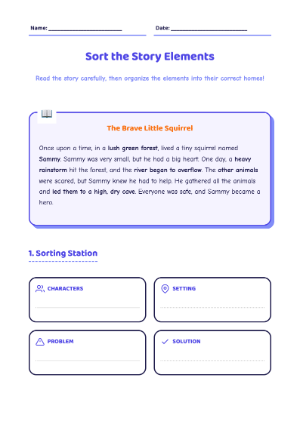
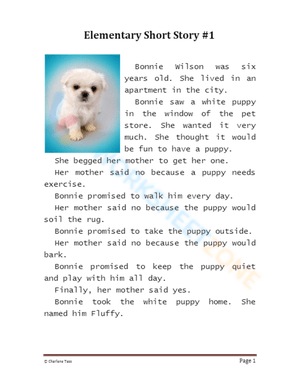
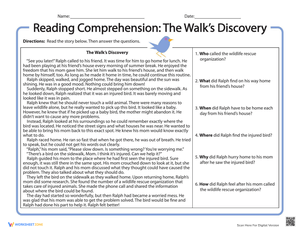
Each worksheet pairs a short fiction passage — fables, realistic stories, folktales — with questions that push beyond surface-level plot recall. Genres vary deliberately because the skills look slightly different depending on text type: identifying the lesson in a fable requires different thinking than inferring a character's motivation in a realistic story.
- Character traits and motivation: Students identify what a character is like and trace that trait to a specific moment in the text, not just a general impression of the character.
- Plot structure: Questions ask students to sequence events and name the central conflict and its resolution — not simply retell the beginning, middle, and end as a list.
- Theme: Students distinguish between what happened (plot) and what the story means (lesson or central message), a separation that trips up many third graders on the first pass.
- Text evidence: Students underline or quote the exact sentence that supports their answer, the core move required by RL.3.1.
- Context clues: At least one vocabulary question per worksheet asks students to determine word meaning from surrounding sentences, building that habit across the set.
- Inference: Several questions require students to read between the lines — to draw a conclusion the author implies but never states outright.
Error Patterns That Show Up Reliably in Student Work
The most persistent error in third-grade fiction comprehension is what we might call the "true but untethered" answer. A student writes "Maya was scared" — which is accurate — but when asked to show where the text says so, highlights the entire opening paragraph because they haven't yet learned to isolate a single piece of evidence. They understand the story; they just haven't connected their understanding to a specific sentence. That gap shows up visibly on evidence-citing questions and is more useful diagnostic information than any holistic reading score.
Theme questions surface a different confusion. Students who correctly retell the plot will still write "the lesson was that the dog ran away from home" instead of something like "the lesson was that staying loyal means showing up even when it's hard." They are summarizing when the question asks them to interpret. Modeling this distinction explicitly — before students encounter it independently — saves a significant amount of corrective feedback afterward.
Context clue questions expose a third pattern: students who skip unfamiliar words rather than reading surrounding sentences to figure them out. This habit carries over from early decoding instruction, where the instinct was to sound out or move on. Structured practice with context clue questions interrupts that avoidance by making the surrounding text the expected tool rather than an optional one.
Standard Alignment
The set aligns to three CCSS ELA standards for third grade. RL.3.1 — asking and answering questions with explicit text reference — underpins every worksheet; evidence-citing questions are not an add-on but the structural core of each one. RL.3.3 addresses character traits and motivations, and several worksheets build questions around character decision points where students must explain not just what a character did but why. RL.3.2 targets recount, central message, and theme, which appear most directly in the fable and folktale passages. In classroom sequence terms, these worksheets fit into the first and second quarters of third grade — early enough to establish the text-evidence habit before informational reading instruction intensifies in the second half of the year.
Where These Worksheets Fit in the Teaching Week
Monday morning is a practical placement for a short fiction comprehension worksheet. Students settle in from the weekend, a passage with three or four questions gives you 10–12 minutes of focused independent reading, and the evidence-citing answers show you immediately who retained the skill from last week and who needs a quick reteach before new instruction begins.
During guided reading groups, these worksheets work best as shared reading tools rather than silent independent work. Read the passage together first, then release students to answer the questions on their own copy. You see in real time who marks evidence with confidence and who scans the page looking for something that isn't quite there — that's more diagnostic than any end-of-week comprehension quiz.
A 3rd grade fiction comprehension questions worksheets also works as a low-prep formative checkpoint mid-unit. When you're ready to move from RL.3.3 into RL.3.2, send one worksheet home and review the character and evidence answers the next morning. You'll know exactly who needs a small-group conversation before the theme unit starts. The questions surface gaps that whole-class discussion tends to hide.
Tiering the Worksheets for Your Full Range of Readers
This 3rd grade fiction comprehension questions worksheets set includes passages that vary enough in length and complexity to support tiered use without requiring separate preparation. Below-grade readers benefit most from shorter passages with primarily literal questions. Adding a sentence frame for the evidence response — "The text says ___ which tells me ___" — removes the written-output barrier and keeps the focus on the comprehension skill itself. Many of these students understand more than their independent written responses show; the frame surfaces that understanding.
On-grade readers work through the materials as written. The mix of literal, inferential, and theme questions provides enough variety to maintain engagement without hitting a frustration ceiling.
Advanced readers can extend the work beyond the printed questions: write a paragraph from a secondary character's point of view, or identify where the author could have developed the central theme more fully. That keeps each worksheet as a launching point rather than an endpoint for students who finish ahead of their peers.
One limitation worth naming honestly: students who struggle with written expression — not reading comprehension — will sometimes appear weaker on these worksheets than they actually are. The bottleneck is sentence production, not understanding. A brief oral follow-up gives you a more accurate picture of where those students actually stand.
Frequently Asked Questions
Do these worksheets include both literal and inferential questions?
Yes. Each worksheet spans the comprehension spectrum, from literal plot recall to inference and theme interpretation. The balance tilts toward inferential and evidence-based work because that's where RL.3 expectations concentrate, but literal questions anchor each worksheet before the harder items appear — students need a foothold in the text before they're asked to read beyond it.
How long does a typical worksheet take to complete?
Most students finish in 15–20 minutes during independent work time. Students who reread sections or write more slowly may need closer to 25 minutes. That runtime fits a morning work block, a reading station rotation, or a homework assignment without significant schedule adjustment.
Can these be used alongside a class novel or basal reader?
A 3rd grade fiction comprehension questions worksheets works alongside any fiction unit as a parallel practice tool — students read a chapter book in class, and these passage-based worksheets give them a separate space to practice text evidence and inference on shorter, self-contained texts. The skills transfer directly: a student who learns to isolate and cite evidence on a two-paragraph passage carries that habit into chapter-length reading. Short passages also let you practice theme and character analysis at a lower cognitive load than a full novel chapter, which makes this set a practical bridge between guided instruction and independent novel work.












 Interactive Worksheet Maker
 Quiz Maker
 Word Search Maker
 Crossword Puzzle Maker
 Word Scramble Generator
 Sentence Scramble Generator
 Handwriting Worksheet Generator
 Name Tracing Generator
 Fill In The Blank Generator