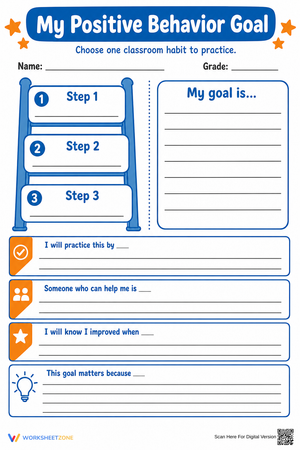
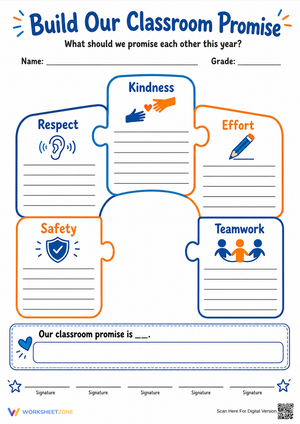
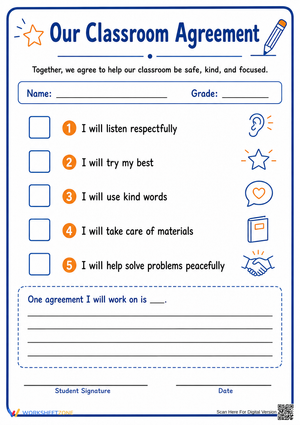
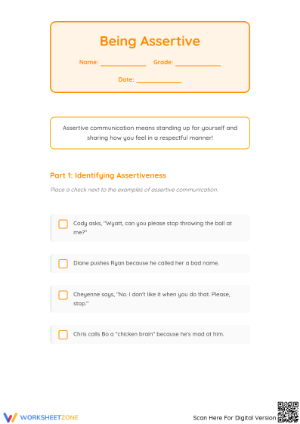
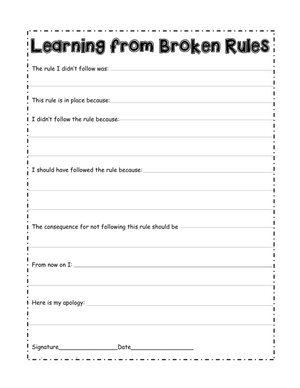
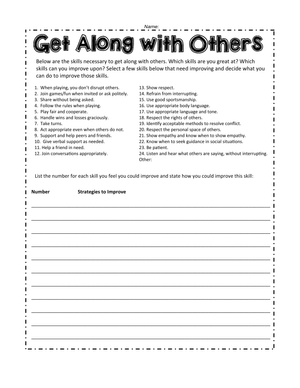
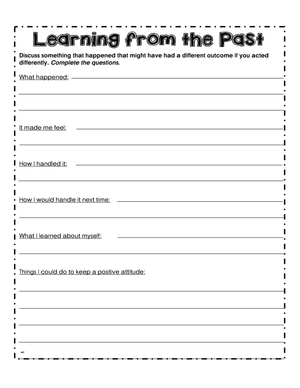
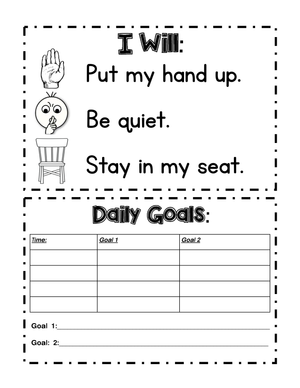
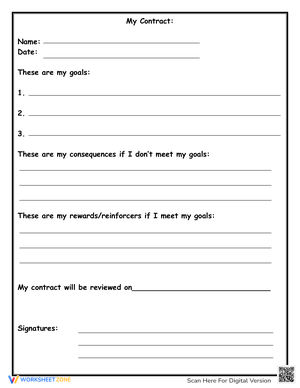
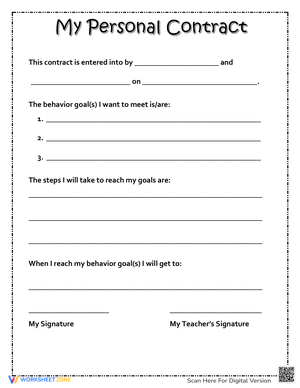
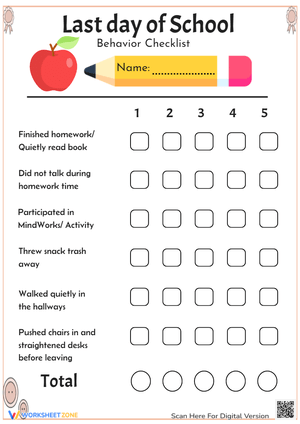
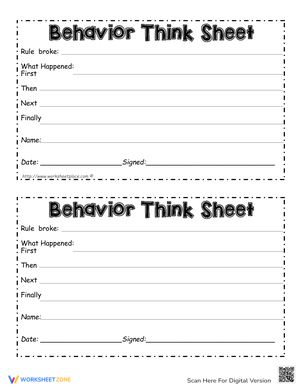
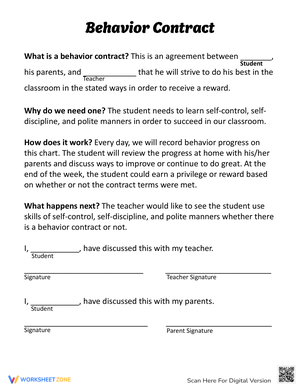
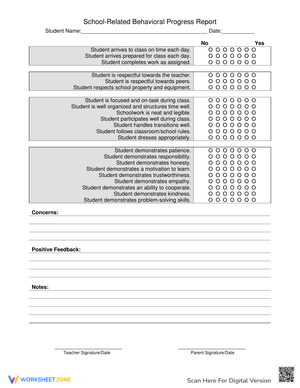
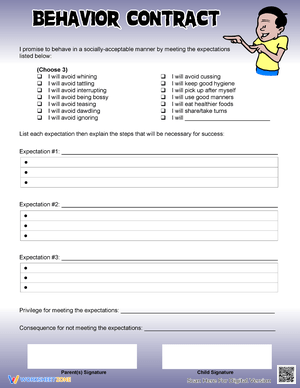
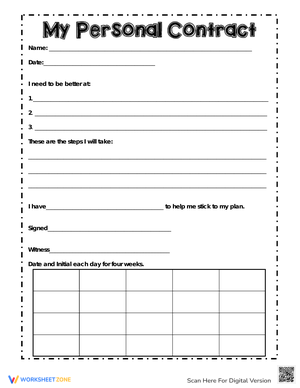
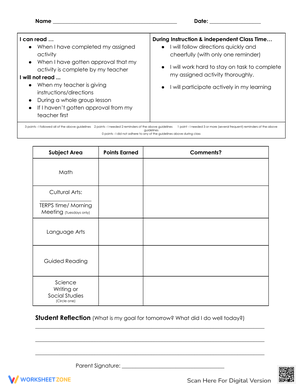
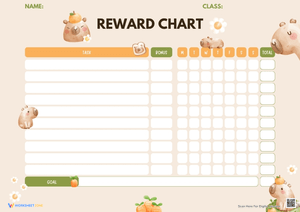
These behavior contracts printable worksheets for 3rd grade give teachers a ready structure for sitting down with a student, naming the exact behavior that needs to shift, and formalizing a shared agreement in writing. Each worksheet covers the core components of a workable contract — target behavior, reward, consequence, and review timeline — without requiring teachers to build the format from scratch. The set fits the profile of a Tier 2 classroom intervention: something more deliberate than a posted class rule, and lighter than a formal behavioral support plan.
What Each Worksheet Covers
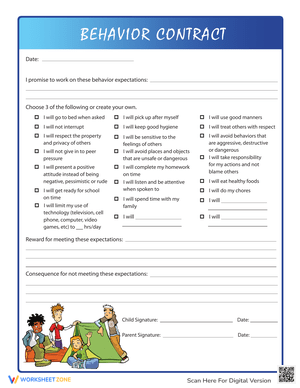
The resources in this set address the full structure of a behavioral agreement, broken into sections a third grader can understand and act on. Students work through each part during an initial meeting with the teacher rather than receiving a completed form to sign. That distinction matters — a child who fills in the blanks is making a decision, not receiving a directive.
- A single, observable target behavior written in concrete terms — "raise my hand before I speak" rather than "be more respectful"
- The specific times or settings where the behavior applies: morning work block, transitions, small-group time
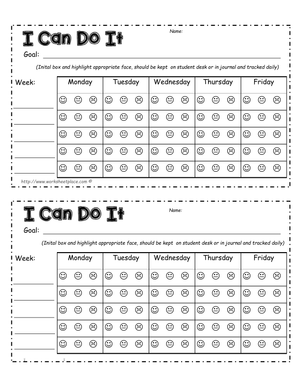
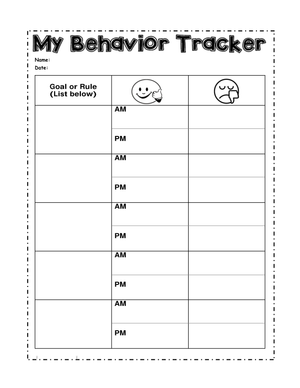
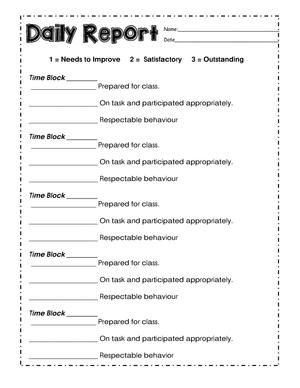
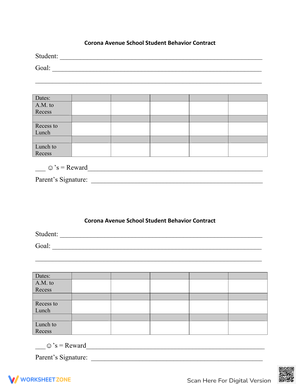
- A self-monitoring check-in section divided into three daily windows, so the student tracks their own performance before the teacher confirms it
- A clearly named reward, who delivers it, and how often
- Signature lines for the student, teacher, and parent or guardian
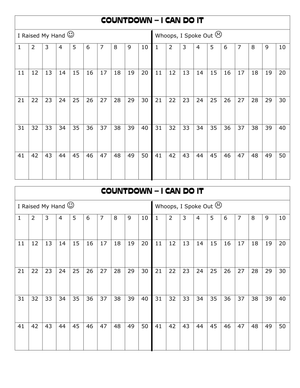
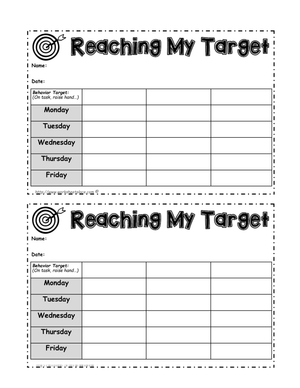
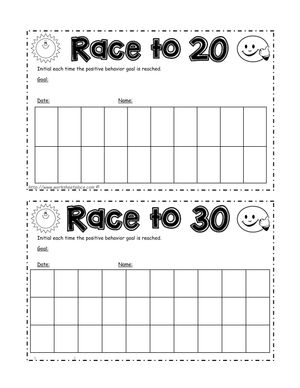
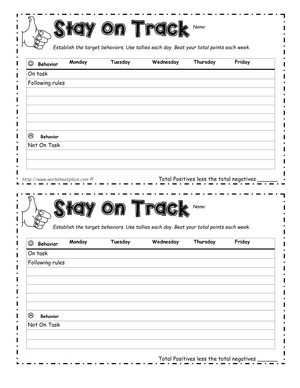
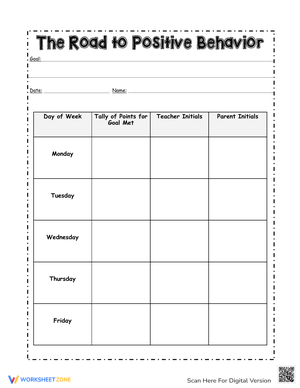
Several worksheets in the set include a weekly tracking chart built directly into the agreement. Students mark or color each successful block, which means the progress record and the contract live on the same worksheet — no separate tracking sheet to lose in a desk.
Mistakes Students Make That These Worksheets Help You Catch
The most consistent pattern in student work with behavior contracts is the vague-goal problem. A third grader will sign a contract that says "make good choices" and genuinely believe they are succeeding — because they interpreted the phrase as not getting in trouble, while the teacher meant completing transitions without wandering. The worksheets address this directly by requiring a specific, written behavior statement, which forces the teacher-student conversation that actually produces a usable goal. Without that conversation, the contract is just a piece of paper with a signature.
A second error appears at the reward stage. Eight-year-olds regularly overestimate how motivating an abstract or delayed reward will feel mid-week. A student might enthusiastically agree to work toward a Friday prize on Monday morning, then find it holds almost no pull on Thursday afternoon when impulse control is at its lowest. Scheduling a brief mid-week reconnect — not to renegotiate, but to remind the student why they signed on — prevents a lot of unnecessary contract failures.
Third: students who don't fully understand the consequence section behave as if it doesn't exist until it's applied. Before closing the initial meeting, ask the student to explain the consequence back to you in their own words. Confirm they understand it is already agreed to — not a new punishment being invented in the moment. That conversation takes 90 seconds and prevents a great deal of conflict later.
Building These Worksheets Into a Real School Week
The initial contract meeting works best in the first 15 minutes of the school day, before the behavioral flashpoints of a typical morning have occurred. Sitting down with a student during morning work — when the class is settled and the room is quiet — keeps the conversation private and free from peer audience pressure. That first meeting rarely runs longer than 10 minutes when a worksheet is in front of both of you, because the blanks and the signature line give the conversation a natural shape and a clear finish line. The behavior contracts printable worksheets for 3rd grade format moves students through that meeting efficiently, which matters when a teacher also has 22 other students writing in their journals across the room.
After the first day, the check-in costs almost nothing. A two-minute conversation at the end of the afternoon — or a quiet exchange during a transition — is enough to review the three daily tracking windows together. Keep the worksheet inside the student's desk rather than in a class binder. A child who can glance at their goals during a moment of impulse has a better chance of catching themselves than one who needs to retrieve the document from somewhere else.
One real limitation worth naming: students who struggle with reading get less out of a written check-in and more out of the verbal conversation. For those students, treat the visual tracking chart as the anchor and the written sections as secondary. The habit of self-reflection is the outcome — the worksheet is just a tool for getting there.
Standard Alignment
These worksheets align with the CASEL Social and Emotional Learning framework, specifically the self-management and responsible decision-making competency domains. Self-management at the third-grade level includes impulse control, personal goal-setting, and monitoring one's own behavior over time — all three of which are practiced directly through the contract process. The resources also reflect the structure of a PBIS Tier 2 behavioral intervention, targeting students who need individualized attention beyond universal classroom expectations but do not yet require intensive one-on-one programming. Schools using either framework will find that these worksheets produce a paper record useful in student support conversations, not just a classroom management tool.
Adjusting the Worksheets for a Range of Learners
The behavior contracts printable worksheets for 3rd grade work as-is for most students in the grade band, but students at the edges need adjustments. For a student reading below a second-grade level, read each section aloud during the initial meeting and allow the student to draw or dictate their goal rather than write it independently. The act of forming the commitment matters more than the written product. For students with IEPs that include formal behavioral goals, align the contract's target behavior directly with the IEP language — using the same wording removes any ambiguity between classroom expectations and what the support team has already identified as the priority.
For students who move through the early weeks of a contract quickly and consistently meet their goals, extend the challenge rather than ending the agreement abruptly. If the original goal was to raise a hand before speaking three times per morning, a revised goal might require five times, or shift the setting from structured whole-class instruction to less predictable moments like partner work or hallway transitions. Phasing out the tangible reward in favor of verbal recognition — and eventually removing the contract altogether — is the actual target outcome. Name each step in that direction explicitly with the student; they've earned the acknowledgment.
Frequently Asked Questions
What should I do when a student keeps missing their contract goals?
Persistent failure almost always means the goal is too broad or the reward isn't genuinely motivating. Return to the worksheet and narrow the target behavior: if "stay in my seat during reading" isn't working, try "stay in my seat for the first ten minutes of reading block." Also ask the student directly what they'd actually work for — the answer is frequently not what a teacher would predict. If adjusting both the goal and the reward still doesn't produce movement, the behavior likely has a function (avoiding academic tasks, seeking sensory input, accessing peer attention) that a contract alone won't address, and a school counselor or behavioral specialist should be brought in.
How long should a behavior contract run for a third grader?
One to two weeks is the right starting length. Longer and a third grader loses the sense that an endpoint is close enough to work toward; shorter and there isn't enough data to see whether behavior is actually shifting or just varying by day. When the first period ends, review the tracking chart together before deciding whether to renew the contract, revise the goal, or begin stepping down the formality of the check-in. A student who met goals consistently for 10 school days has demonstrated something real — mark that finish line explicitly before moving on.
How do I bring parents into this process without creating extra work for myself?
Send a copy of the behavior contracts printable worksheets for 3rd grade home on day one with a two-sentence note: what the student is working on, and what you are doing at school to support it. Ask parents to reinforce the same target behavior at home if they can, and to send a quick note if they notice anything relevant. That is the whole communication loop. The contract itself is the document — parents having a copy means the student hears a consistent message from both sides, which is the part that actually helps.












 Interactive Worksheet Maker
 Quiz Maker
 Word Search Maker
 Crossword Puzzle Maker
 Word Scramble Generator
 Sentence Scramble Generator
 Handwriting Worksheet Generator
 Name Tracing Generator
 Fill In The Blank Generator