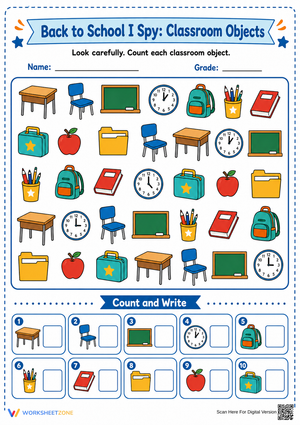
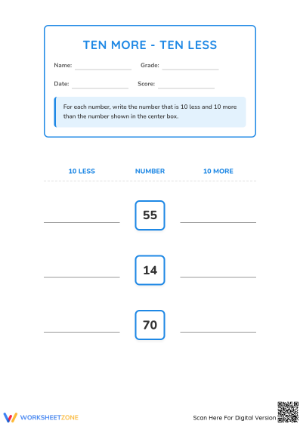
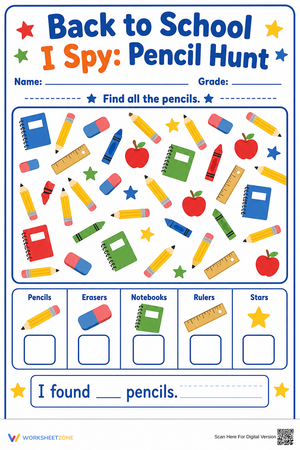
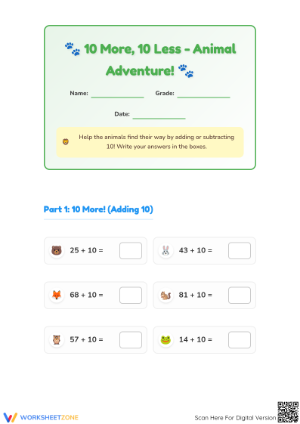
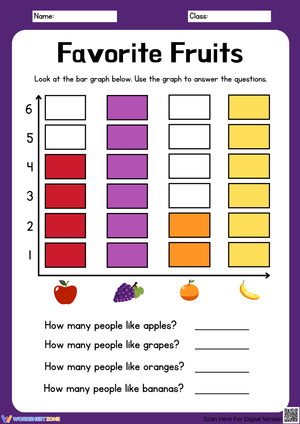
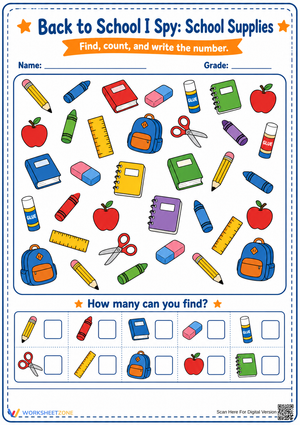
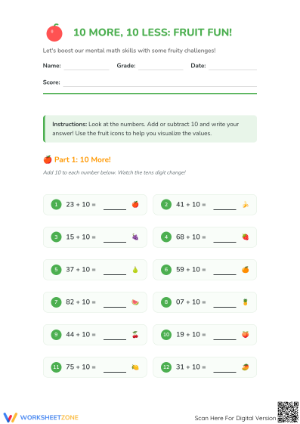
Counting worksheets for 2nd grade give students structured, repeated practice with sequencing, skip counting, and place value all at once, which is exactly what the year's number sense goals demand. Rather than treating counting as a warm-up activity, teachers can use these worksheets as a deliberate on-ramp to the base-ten thinking that carries into addition, subtraction, and comparison work later in the year.
When you're planning a unit on numbers within 1000, counting worksheets let you sequence practice from simple forward counting to skip counting by 5s, 10s, and 100s. That progression mirrors how the standards themselves are structured, so the worksheets double as a built-in scope and sequence for your math block.
Aligning Counting Practice to CCSS 2.NBT.A.2
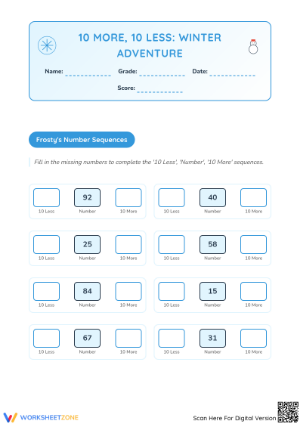
CCSS.Math.Content.2.NBT.A.2 asks students to count within 1000 and skip-count by 5s, 10s, and 100s. Counting worksheets built around this standard typically move through three tiers: sequential counting to fill in missing numbers, skip counting by a single interval, and mixed skip-counting sets that require students to identify the pattern before continuing it. One detail worth teaching explicitly is that skip counting by 5s produces an alternating ones digit, moving between 5 and 0 at every step, which gives students a concrete pattern to check their own work against rather than just trusting rote memorization.
Worksheets that isolate one skip-counting interval per page are useful for initial teaching, but mixed-interval pages are what actually test whether a student has internalized the pattern versus memorized a specific sequence. Plan for both types across a week of practice.
Skip Counting as a Model for Grouping In Second Grade Counting Classes
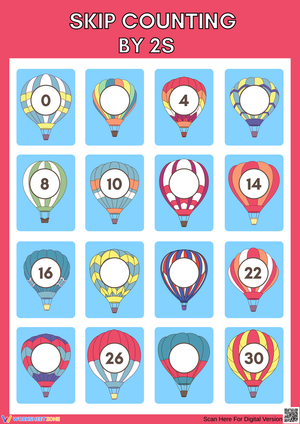
Skip counting by 2s, 5s, and 10s is more than a memorized sequence; it represents counting groups of items by that amount. Worksheets that pair a skip-counting sequence with a visual grouping task, such as counting objects arranged in rows of five, help students see the connection between the abstract number pattern and the concrete act of grouping. This link matters because it sets up the reasoning students will need later for multiplication, where skip counting becomes repeated addition.
When you introduce a new skip-counting interval, consider starting with a worksheet that includes the grouped visual, then moving to a numbers-only version once students can explain why the pattern works. That sequencing keeps the practice meaningful instead of purely procedural.
Classroom Implementation
To get the most out of counting worksheets for 2nd grade, sequence them deliberately across the year rather than assigning them at random. Start the term with counting within 1000 by ones, including sequences that cross hundreds boundaries, since that transition point is where errors cluster. Move into skip counting by 10s next, since it is the most intuitive interval, then 5s, then 100s, and finally 2s if even/odd reasoning is part of your unit.
Keep a running folder of completed counting worksheets for each student. A quick glance across several weeks shows growth patterns more clearly than any single worksheet can, and it gives you concrete evidence to share at parent conferences or intervention team meetings. Pair worksheet practice with a two-minute verbal counting check for students who struggle with written sequences but count accurately aloud; this helps you distinguish between a counting gap and a writing or transcription gap.
Frequently Asked Questions
1. What counting skills should 2nd graders master by end of year?
By the end of 2nd grade, students should be able to count within 1000, skip-count by 5s, 10s, and 100s, read and write numbers to 1000 in multiple forms, and compare three-digit numbers using greater than, equal to, and less than symbols.
2. How do counting worksheets align to CCSS 2.NBT.A.2?
CCSS.Math.Content.2.NBT.A.2 specifically requires counting within 1000 and skip counting by 5s, 10s, and 100s. Worksheets built around missing-number sequences and skip-counting patterns give students direct, repeated practice with exactly this standard.
3. How can teachers use counting worksheets for intervention or enrichment?
For intervention, use worksheets with smaller number ranges and a single skip-counting interval at a time. For enrichment, use worksheets that mix intervals, include backward counting, or require students to explain the pattern in writing.
4. What is the difference between counting and skip counting practice at this grade level?
Counting practice focuses on sequencing numbers one at a time within 1000, while skip counting practice focuses on recognizing and continuing patterns at fixed intervals, such as 5s or 10s, which also models counting by groups.













 Interactive Worksheet Maker
 Quiz Maker
 Word Search Maker
 Crossword Puzzle Maker
 Word Scramble Generator
 Sentence Scramble Generator
 Handwriting Worksheet Generator
 Name Tracing Generator
 Fill In The Blank Generator