These english printable worksheets for 11th grade target the three skill areas that define junior-year English: close reading of American literary texts, rhetorical analysis of seminal non-fiction, and multi-source synthesis writing. The set gives teachers a flexible bank of structured practice they can drop into any lesson sequence — bell-ringer, independent work station, or end-of-unit review — without building materials from scratch.
What Students Do on the Page
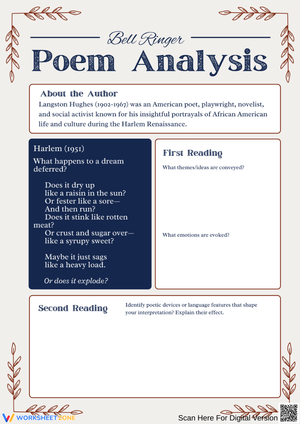
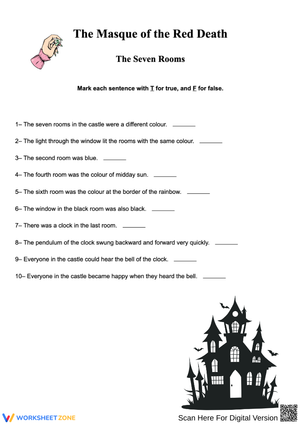
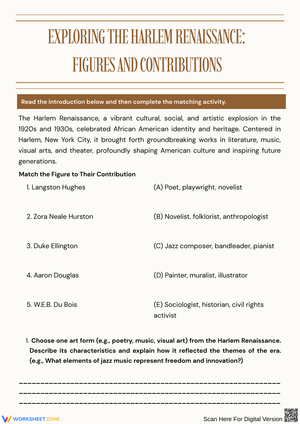
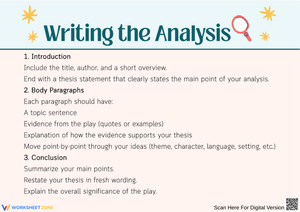
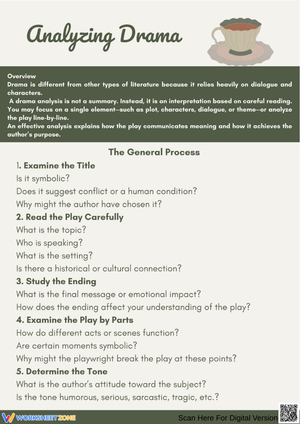
The literary analysis worksheets ask students to do specific work: marking evidence of irony in The Crucible, tracking how characters embody or betray the American Dream across chapters of The Great Gatsby, or annotating a Puritan sermon to identify the assumptions embedded in the diction. These are not generic "find a theme" exercises. Each worksheet gives students a narrow analytical task, which keeps the work honest — students cannot coast on vague summary when the prompt asks them to identify three moments of dramatic irony and explain what each reveals about Miller's argument.
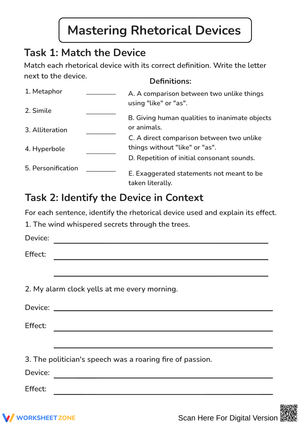
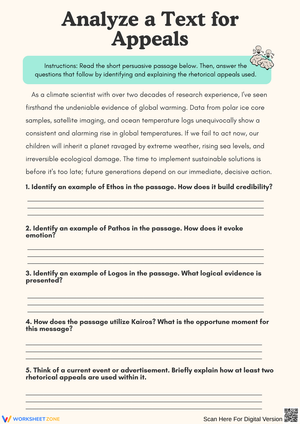
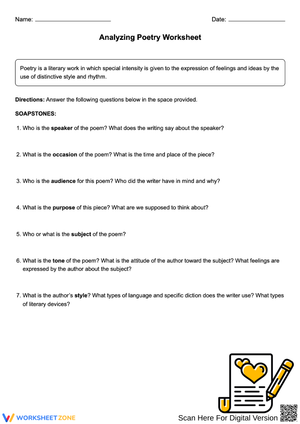
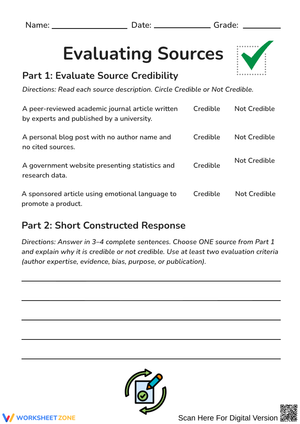
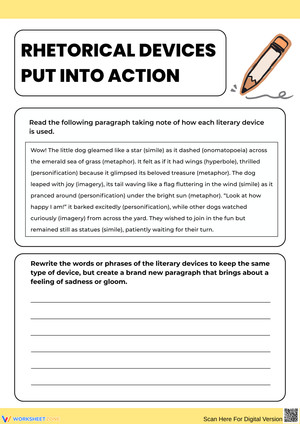
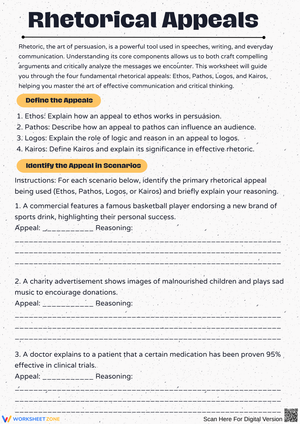
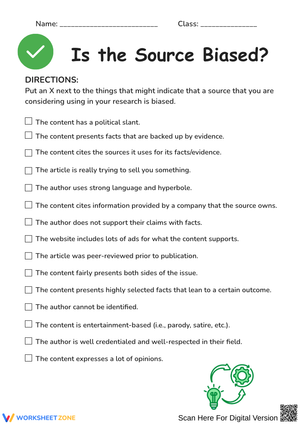
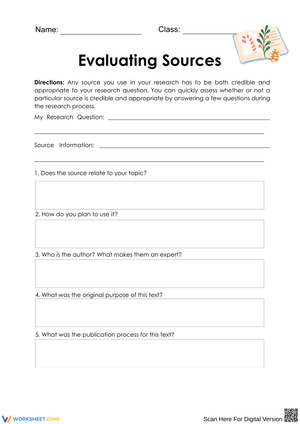
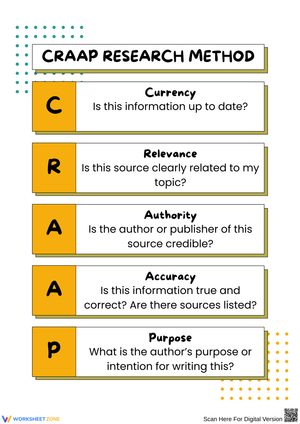
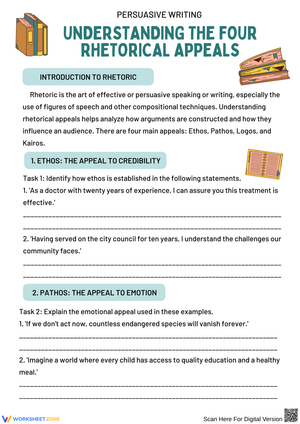
The rhetorical analysis worksheets focus on non-fiction: historical speeches, op-eds, Supreme Court opinions, and contemporary editorials. Students underline appeals to ethos, label specific devices like anaphora and antithesis, and write a short evaluation of whether the author's rhetorical choices actually strengthen the argument. The vocabulary and grammar worksheets round out the set, building academic register, parallel structure, and sentence variety — skills that appear directly on SAT and ACT writing sections.
Persistent Analytical Errors Worth Watching For
The most persistent error at this grade level is treating theme as topic. A student will write that the theme of The Great Gatsby is "the American Dream" — and stop there — when the actual analytical work is articulating what Fitzgerald argues about the American Dream through Gatsby's failure. These worksheets push back on that habit by asking students to complete a sentence frame early in the analysis: "The author uses [specific element] to suggest that [claim about the text]." Students who complete that frame honestly cannot stay in topic mode.
A second pattern shows up in rhetorical analysis: students identify a device but stop before explaining its function. They write "the author uses repetition" without connecting that repetition to any effect on the audience. The worksheets require students to link every labeled device to a specific rhetorical purpose — not as a mechanical checkbox, but because without that link the analysis stalls at cataloging rather than interpretation. Watching students work through these prompts in small groups makes it easy to see who still treats annotation as a labeling task.
Standard Alignment
These worksheets address CCSS.ELA-LITERACY.RL.11-12.1 (citing strong and thorough textual evidence), CCSS.ELA-LITERACY.RI.11-12.6 (analyzing point of view and rhetoric in seminal texts), and CCSS.ELA-LITERACY.W.11-12.1 (writing arguments that introduce precise claims and use valid reasoning). The literary analysis materials also address RL.11-12.3, which asks students to analyze how an author's structural choices shape meaning. In terms of placement, these worksheets work best after students have had initial exposure to a text — they pull close reading into a written, accountable form that whole-class discussion alone tends not to produce.
Working These Worksheets Into the Lesson Sequence
The most effective use is running the bell-ringer version at the start of class when students have just finished a reading overnight. Six to eight minutes of written response before discussion means students arrive at the conversation with a position to defend, not a vague memory of the text. Exit ticket worksheets serve a different function — they surface the students who tracked the discussion but did not absorb the central analytical move you were modeling.
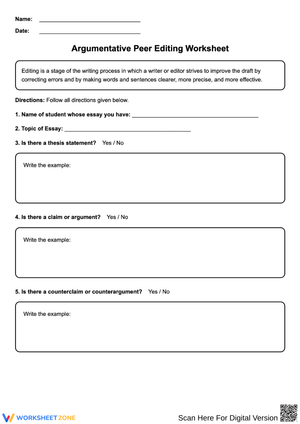
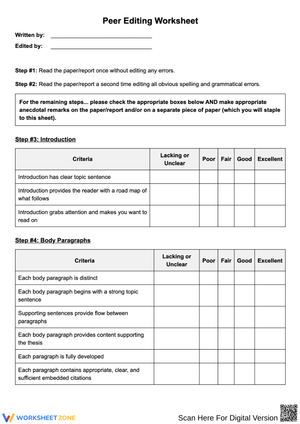
The reverse outlining worksheets belong in any revision unit. Students take a peer draft or a published model essay and reconstruct it into an outline on the worksheet: one sentence per paragraph identifying the claim, the evidence used, and the connection between them. When that outline looks thin or repetitive, students can see the structural problem in a way they rarely detect by re-reading their own prose. Used consistently, english printable worksheets for 11th grade that build this reverse outlining habit before the first major research paper is due reduce the back-and-forth of individual drafting conferences significantly.
Calibrating These Worksheets Across Ability Levels
For students still building close reading fluency, use the same literary analysis worksheet with a pre-selected passage rather than asking them to locate their own evidence. Narrowing the search field reduces cognitive load without changing what the student actually practices: forming a claim and grounding it in the text. That adjustment keeps these students in the same intellectual territory as the rest of the class rather than routing them to an entirely different task.
Advanced students benefit from removing the sentence-level support and opening up the prompt. Where a standard worksheet might ask students to identify three uses of a specific device, an open version asks them to choose the rhetorical strategy they find most significant and build a sustained argument around it. The english printable worksheets for 11th grade in this set include both versions for the most commonly taught units, so the planning work is mostly matching the right version to the right student group rather than generating new materials.
Frequently Asked Questions
Do these worksheets work with texts outside the standard American Literature canon?
Yes. The literary analysis worksheets use general analytical frames — tracking character motivation, identifying structural choices, locating thematic development — that apply to any text. Teachers who work with multicultural American literature or contemporary YA alongside canonical texts find the same prompts hold up across those materials. The rhetorical analysis worksheets are equally text-agnostic: the device identification and effectiveness evaluation framework applies whether students are reading Frederick Douglass or a current newspaper editorial.
How long does a typical worksheet take to complete?
Most fall in the fifteen to twenty-five minute range for on-grade-level students, which makes them practical for independent work blocks, homework, or the second half of a class period after direct instruction. A few of the synthesis writing worksheets — particularly those asking students to pull from three or more sources — run closer to thirty-five minutes and work better as extended in-class writing sessions or take-home assignments than as quick practice.
Can these materials support SAT and ACT preparation?
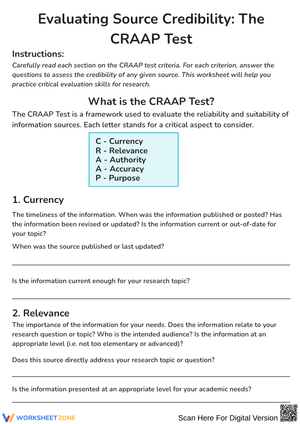
The overlap is substantial. The rhetorical analysis and synthesis work in english printable worksheets for 11th grade mirrors the reasoning that SAT and ACT reading sections actually test: author's purpose, tone, the function of specific evidence choices, and the overall structure of an argument. Students who work through these materials regularly arrive at the exam having already practiced that kind of analytical thinking in a low-stakes context — which is more durable test preparation than drilling released items in isolation.