The Power of Thematic Learning During the Spring Season
Seasonal shifts bring a natural wave of excitement in early childhood classrooms, which teachers can harness to promote academic progress. During the weeks leading up to Easter, first-grade students often experience a surge of energy that can make traditional instruction feel less engaging. By introducing holiday-themed materials, educators tap into this organic enthusiasm and channel it directly into core literacy skills.
Research indicates that using seasonal symbols such as colorful eggs, spring bunnies, baskets, and small chicks in early childhood education increases active participation by up to forty percent. This dramatic improvement in attention span occurs because thematic visual cues build immediate connections to a child's real-world anticipation of the holiday. Leveraging these high-interest symbols helps teachers maintain a structured learning environment where academic tasks feel like play.
Rather than fighting the distractions of the spring holiday, experienced teachers incorporate themed printables as a regular part of their morning work, small-group rotations, or home learning packets. Holiday-themed worksheets provide a familiar framework while introducing fresh, festive content that keeps young learners eager to complete their tasks. This educational approach ensures that essential reading and writing practices continue without interruption during high-excitement seasons.
Developing Foundational Vocabulary with Festive Holiday Themes
Early literacy growth is significantly enhanced when children encounter vocabulary in meaningful, thematic contexts. For first-grade students, expanding their active word lists goes beyond simple memorization of sight words. Introducing holiday-specific terms such as 'decorate,' 'spring,' 'hatch,' and 'gather' provides an authentic backdrop for oral and written language practice. These vocabulary terms represent concrete actions and objects that children can easily visualize and describe.
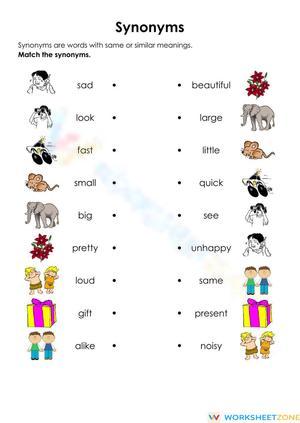
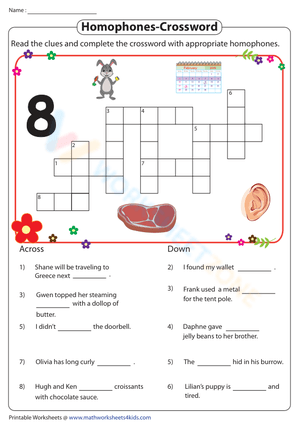
When students practice writing these seasonal words, they strengthen their spelling and phonics capabilities simultaneously. Many themed worksheets encourage students to engage with new terms through simple word scrambles, matching games, and fill-in-the-blank sentences. These interactive ELA activities help first-grade learners recognize spelling patterns, practice letter-sound relationships, and construct meaningful contexts around seasonal vocabulary.
Classrooms that actively utilize thematic vocabulary sheets see a noticeable improvement in student writing. By integrating terms like 'basket,' 'chick,' and 'hop' into their daily journaling prompts, children learn to express complex ideas using a wider range of descriptive language. The familiar holiday theme acts as a creative prompt, reducing the hesitation that beginning writers often feel when facing a blank page.
Targeting Core Sentence Structure and Punctuation Skills
Establishing strong foundations in sentence mechanics is a primary goal for early elementary writing instruction. First graders must transition from writing fragmented phrases to constructing complete sentences with proper grammatical structure. Holiday-themed exercises offer an excellent opportunity to reinforce these mechanics, focusing specifically on critical elements like capitalization of dates, names, and the pronoun 'I.'
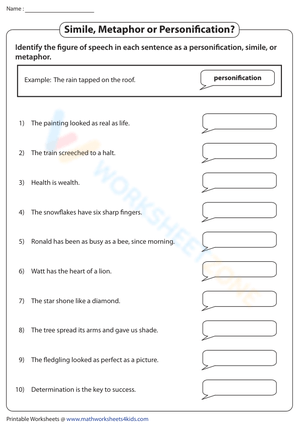
Correct capitalization and end punctuation are frequently target skills in themed worksheets. Students enjoy reviewing sentences about Easter bunnies or spring egg hunts to identify missing capital letters and periods. This proofreading practice reinforces the concept that every complete sentence begins with a capital letter and ends with an appropriate punctuation mark, whether it is a period or a question mark.
Singular and plural nouns represent another essential grammar concept that first graders must develop. Festive worksheets that ask students to sort 'egg' versus 'eggs' or 'bunny' versus 'bunnies' make the rules of pluralization clear and understandable. Through visual sorting and labeling activities, young children develop a secure grasp of singular and plural nouns without feeling overwhelmed by abstract grammatical definitions.
Basic prepositions also play a significant role in first-grade ELA standards, helping young writers describe the relationships between nouns in a sentence. Using worksheets that depict a bunny hiding 'under' a bush, 'in' a basket, or 'behind' a tree gives students a concrete way to practice prepositions. These visual exercises transform grammar study into an active, contextualized learning experience that leads to lasting retention.
Interactive Word Activities for High-Frequency Recognition
High-frequency word recognition is a key predictor of reading fluency and overall literacy success in the primary grades. First-grade ELA curricula require students to quickly identify a vast list of sight words that do not always follow standard phonetic rules. Incorporating these vital sight words into festive, Easter-themed printable activities keeps reading practice lively and keeps students from becoming tired of standard drills.
Color-by-code worksheets are exceptionally popular among early childhood educators for this exact purpose. By coloring different sections of an Easter egg or a spring chick based on the sight words printed inside them, students perform dozens of rapid visual scans. This repetitive scanning builds automaticity, helping children recognize high-frequency words instantly when they encounter them in library books or classroom readers.
Phonics exercises featured on seasonal worksheets also support word recognition by reinforcing vowel patterns, consonant blends, and rhyming words. For example, word ladders that guide a child from 'hop' to 'top' or 'hatch' to 'catch' build strong phonological awareness. Combining these structured phonological lessons with playful themes ensures that young learners remain focused and motivated throughout their reading practice.
Teacher Tips
Maximizing the educational impact of seasonal ELA printables requires a thoughtful approach to lesson design. Rather than using these worksheets as simple time-fillers, first-grade teachers can integrate them strategically into existing daily routines. One effective method is to use them as warm-up exercises during morning arrivals, which immediately engages students and sets a focused academic tone for the rest of the school day.
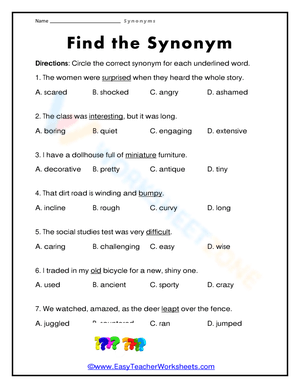
Implementing themed worksheets within ELA rotation centers is another excellent strategy for differentiated instruction. For instance, teachers can designate one station for independent sentence correction, another for partner word scrambles, and a third for teacher-led vocabulary exploration. This structured approach allows educators to monitor student progress closely, offer targeted guidance, and ensure that every student receives the appropriate level of support.
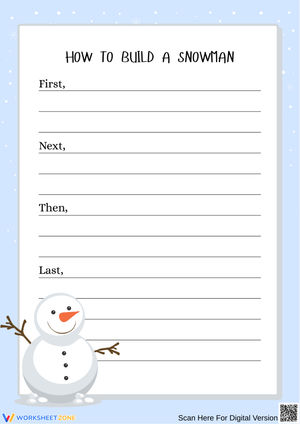
Designing extension activities based on worksheet content is a wonderful way to deepen student understanding. After children complete a themed vocabulary sheet, they can write a short story about an Easter egg hunt using at least three of the words they practiced. This simple transition from structured practice to creative writing helps first graders apply their newly acquired language skills in a personalized context.
Frequently Asked Questions
1. What specific ELA skills do these 1st grade Easter worksheets target?
These worksheets target key ELA skills including the capitalization of dates and names, correct use of end punctuation like periods and question marks, and singular and plural nouns. Additionally, students practice high-frequency sight words, spelling patterns, and basic prepositions using festive spring contexts that keep their attention focused on learning.
2. How can I integrate Easter language printables into my daily classroom or homeschool lesson plans?
Teachers and parents can easily integrate these activities as morning work, independent ELA rotation centers, or homework assignments. They are also highly effective as warm-up exercises or creative writing prompts, where students are asked to write their own short stories using the holiday vocabulary terms they have just practiced.
3. Are there differentiated options for students reading above or below standard 1st-grade level?
Yes, many printable packages offer natural differentiation by varying the complexity of the tasks. For example, beginning readers can focus on simple vocabulary matching and phonological exercises, while advanced learners can work on more complex sentence correction, multi-step grammar worksheets, or creative paragraph writing using the themed vocabulary words.