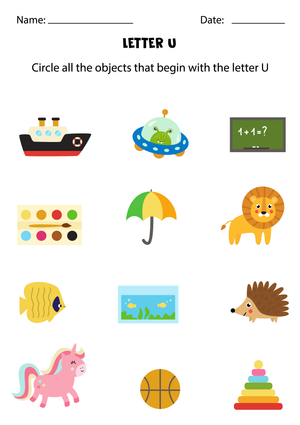
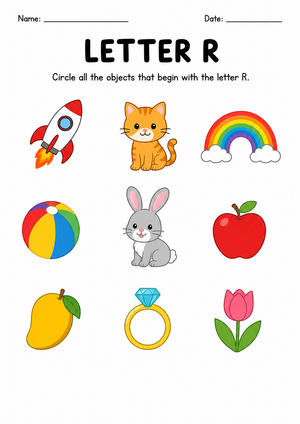
These beginning sounds printable worksheets for 1st grade give teachers a targeted phonics set spanning single consonants, initial blends, and digraphs — the full arc of beginning-sound instruction across the first-grade year. Each worksheet isolates one phonetic pattern, keeping cognitive demand focused enough that students practice the target skill without distraction. The sequence runs from single-consonant review in early fall through L-, R-, and S-blends, then into the digraphs /sh/, /ch/, /th/, and /wh/ as the year's scope deepens.
The Specific Skills Targeted Across the Set
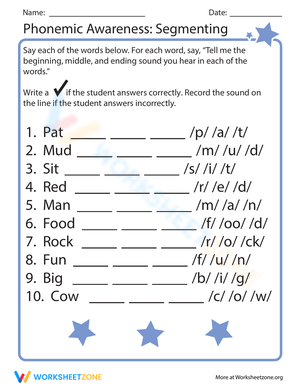
Six worksheet formats make up the collection, each addressing a distinct layer of beginning-sound work.
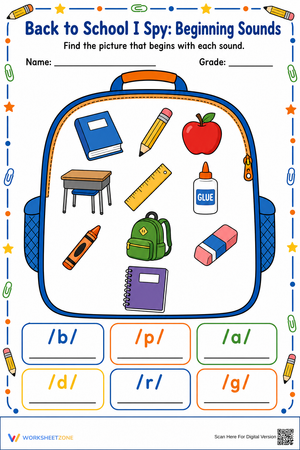
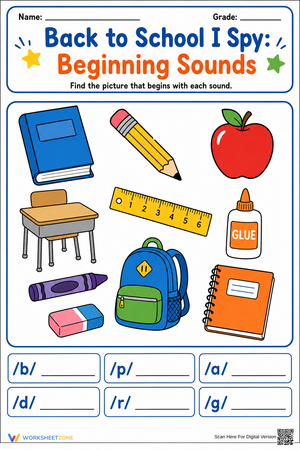
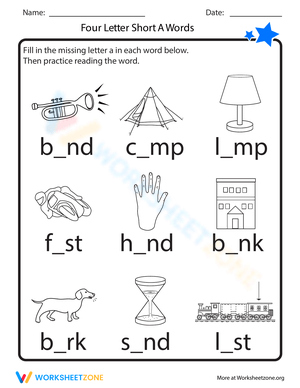
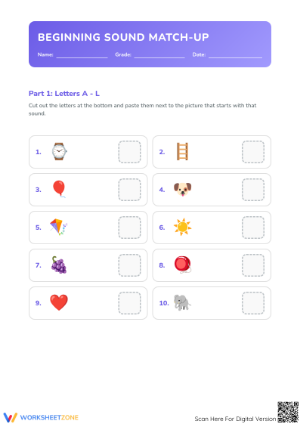
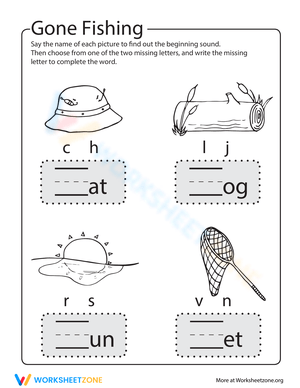
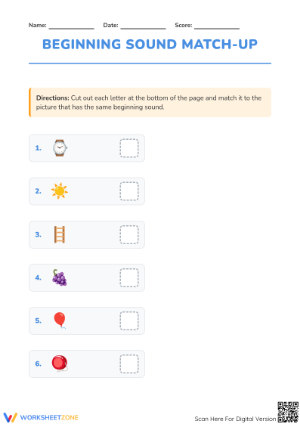
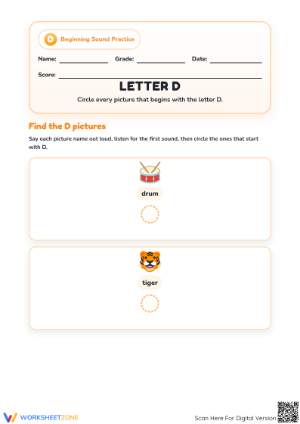
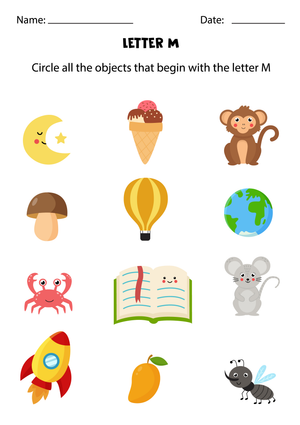
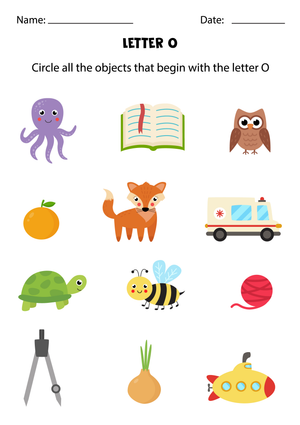
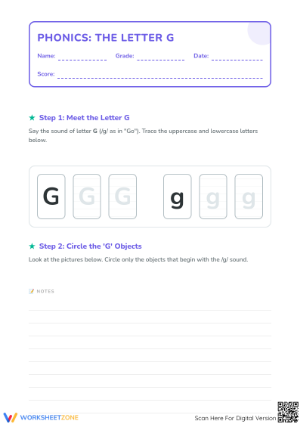
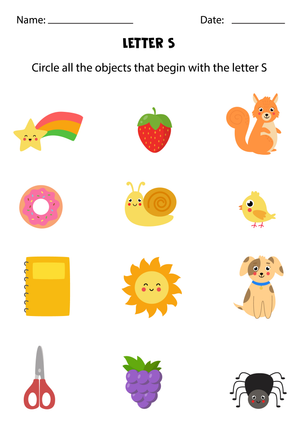
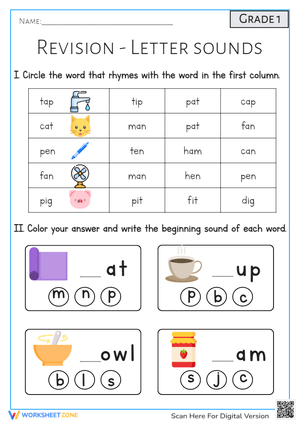
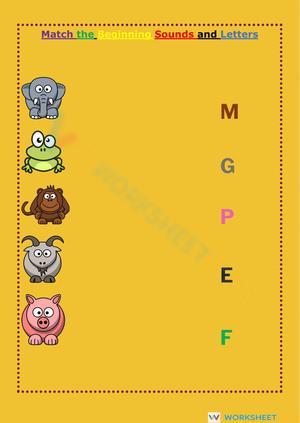
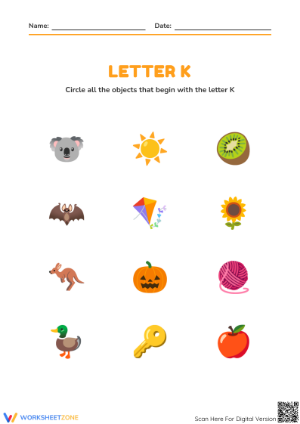
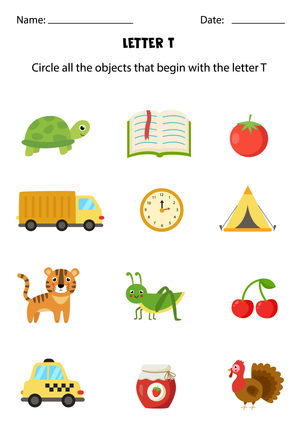
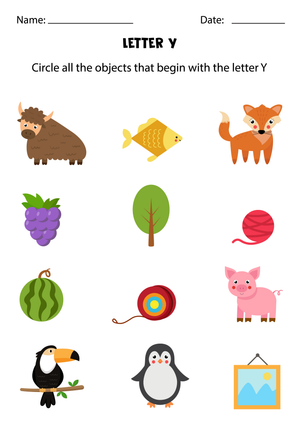
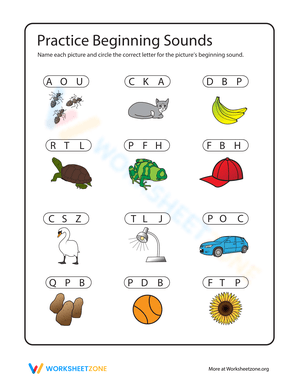
- Picture-to-letter matching: Students look at an image, isolate the initial phoneme, and write or circle the letter or blend that represents it. The deliberate absence of printed words prevents students from skipping the auditory processing step and reading the answer off the page.
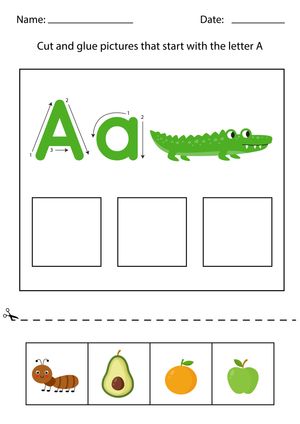
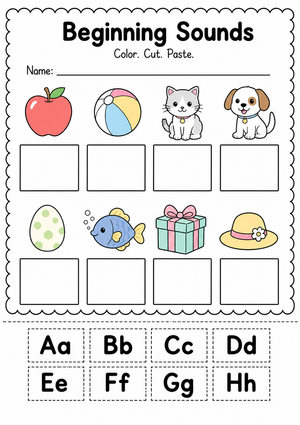
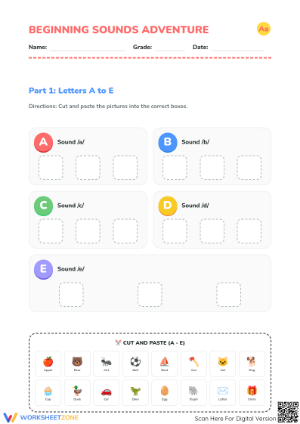
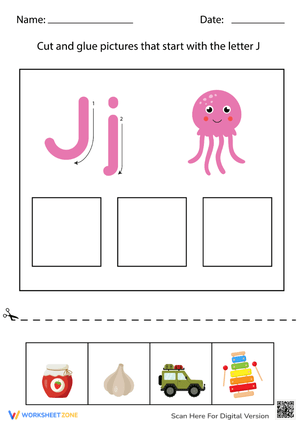
- Cut-and-paste sorting: Students sort image cards into columns labeled by digraph or blend. The physical manipulation — cutting, placing, gluing — reinforces the sound-to-spelling connection through a different sensory channel than standard pencil-and-paper tasks.
- Consonant blend practice: Separate worksheets address L-blends (fl, bl, cl), R-blends (br, cr, tr), and S-blends (sn, sl, sw) so students work on one cluster at a time before encountering mixed practice.
- Digraph identification: These worksheets contrast digraphs — two letters that produce a single new sound — against single-letter consonants, a distinction that trips up many first graders well into spring.
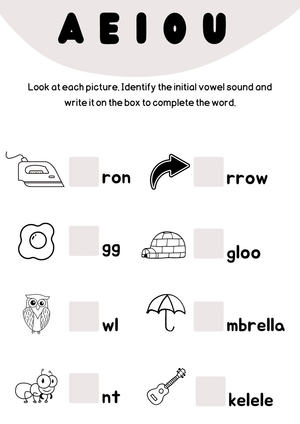
- Vowel-initial sorting: Students categorize pictures by whether the word begins with a short vowel or a consonant, reinforcing the structural difference between onset-initial and vowel-initial words.
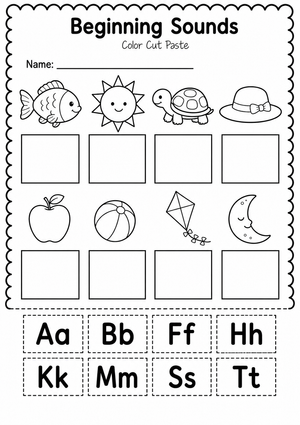
- Color-by-sound: Students color picture sections according to the beginning sound labeled in each space, making it a productive low-stakes review during the 12 minutes before a specials rotation without requiring direct teacher oversight.
Why Picture-Based Formats Match How First Graders Learn Phonics
First grade sits at the exact developmental moment when phonemic awareness — purely auditory — must connect to print. Students arrive already able to hear that "bus" and "bear" start the same way; what they are still building is the reliable mapping from that sound to a written letter or letter pair. A picture of a ship does not contain the letters S-H-I-P anywhere on the worksheet. The student must retrieve the word, isolate /sh/, and match it to the digraph — the full cognitive sequence phonics instruction is trying to automate.
This format also functions as informal assessment. When a student circles the wrong letter on a picture-matching worksheet, the error usually tells you exactly what the student heard. A child who marks S for the picture of a shoe heard the first letter rather than the complete digraph. That is diagnostic information a fill-in-the-blank format often masks entirely.
Frequent Errors Worth Watching For and Correcting
The most persistent mistake first graders make with beginning sounds is collapsing a blend to its first element. A student who reads "bl" correctly on a flashcard will still write just B when asked to record the beginning sound of "blanket" in a sentence journal. The blend fluency they show in isolated drills does not always transfer to production tasks, and these worksheets create the paper record that makes that gap visible before it becomes a writing problem.
Digraphs generate a different category of error. Many students know the sound /ch/ makes — they produce it correctly in speech — but when they see the picture of a chain, they write C alone. They hear one sound and reach for the most familiar single letter rather than the two-letter pattern. A second common digraph substitution involves /th/: students frequently write D for voiced /th/ words like "the" or "this" because the tongue placement produces a sensation close to /d/. Watching for those specific substitutions — D for TH, S for SH, C for CH — tells you whether the underlying issue is auditory discrimination or letter-sound mapping, and that distinction changes what small-group follow-up should look like.
Fitting These Worksheets Into Your Weekly Literacy Plans
The most effective placement for beginning sounds printable worksheets for 1st grade is inside a literacy center rotation, where students work through an activity independently during the 15- to 20-minute block while the teacher runs a small group. Because each worksheet targets a single phonetic element, center management stays simple — the skill on the worksheet matches the skill the current rotation is practicing, so there is no disconnect between center work and guided instruction.
A smaller use case worth keeping in mind: stack a few color-by-sound and matching worksheets near the meeting area for the stretch of time after morning meeting and before whole-group instruction begins. That window — usually five to eight minutes — is long enough for a focused review worksheet but too short for a full center activity. Students who finish early can turn the worksheet over and generate their own list of words that match the target sound, a writing extension requiring no extra materials.
Standard Alignment
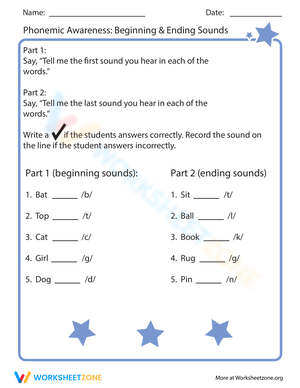
These worksheets address CCSS.ELA-LITERACY.RF.1.2.C, which requires first-grade students to isolate and produce initial, medial vowel, and final phonemes in spoken single-syllable words. In classroom terms, RF.1.2.C is the standard driving most beginning-of-year phonics assessment — it is what teachers measure when they ask a student to identify the first sound in "map" or point to the letter that starts "ship." The picture-matching and sorting activities produce written student responses that document progress toward RF.1.2.C in a format usable in portfolios and at parent-teacher conferences.
Adjusting the Set for Mixed-Ability Classrooms
Students still working on single initial consonants — common in fall, and not unusual through winter for first graders with limited phonological exposure before they arrived — can use the picture-to-letter matching worksheets alongside a reduced alphabet reference card taped to their desk. This removes the letter-retrieval barrier and keeps the instructional focus on auditory isolation rather than letter-naming. For those students, getting the phoneme right is the goal; independent letter production is a separate instructional sequence.
For students who have already consolidated single consonants and basic blends, the digraph worksheets offer a genuine stretch: ask them to generate two additional picture examples for each digraph header before they glue anything down, turning the sorting task into a production activity that requires both vocabulary knowledge and phonics accuracy. Beginning sounds printable worksheets for 1st grade used this way function less as repetitive drill and more as a categorization and pattern-recognition exercise. Students who handle that task reliably are ready for medial vowel work, which the same instructional sequence picks up in the following unit.
Frequently Asked Questions
What is the difference between a blend and a digraph, and do these worksheets address both?
A blend is two consonants where both individual sounds remain audible — in "blue," you hear both /b/ and /l/. A digraph fuses two letters into a single new sound — in "ship," neither S nor H alone produces /sh/. The set of beginning sounds printable worksheets for 1st grade includes dedicated worksheets for both, and the two types are kept separate by design. Mixing blend and digraph practice before students have consolidated each type individually is a reliable source of first-grade confusion.
Can these worksheets replace direct phonics instruction, or do they work best as follow-up practice?
These are practice tools, not instructional ones. A student who has never been taught that /sh/ is spelled with two letters will not learn that from a worksheet alone. The worksheets reinforce and help assess what has already been introduced through direct instruction, shared reading, or word-building work. Used after the concept is introduced rather than before, they build the automaticity that fluent reading requires.
How do I use these worksheets with students who may not recognize all the pictured vocabulary?
Before distributing any picture-based worksheet to students with limited English vocabulary, preview the images together and say each word clearly while students repeat it. If the picture of a whale is unfamiliar, the student is stuck at vocabulary retrieval rather than phonics work — and completing the worksheet produces errors rooted in word-knowledge gaps, not phonics misunderstanding. A two-minute oral preview of the eight to ten images on a given worksheet resolves most of this before the first pencil touches paper.