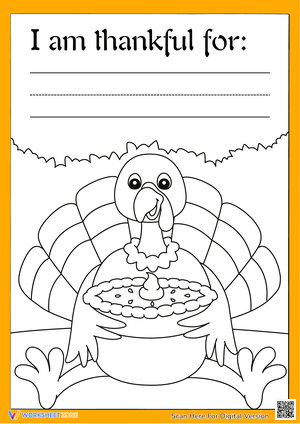
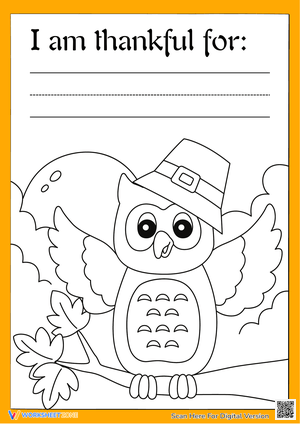
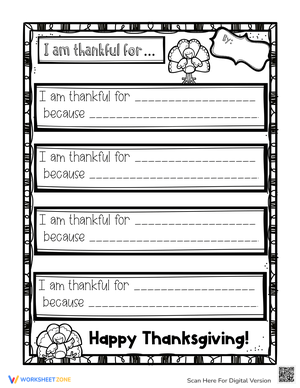
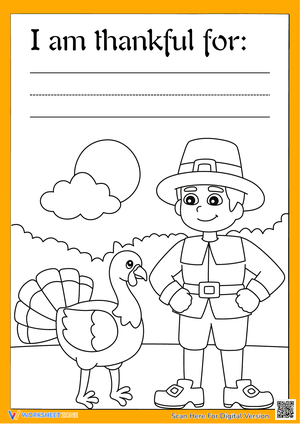
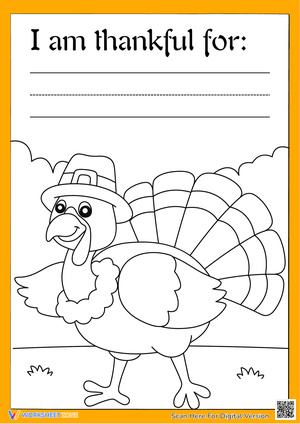
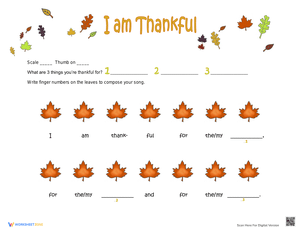
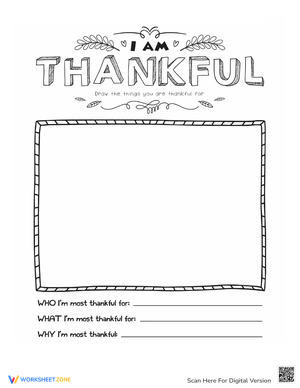
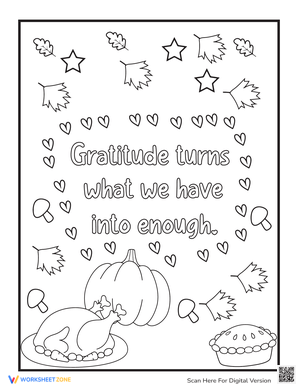
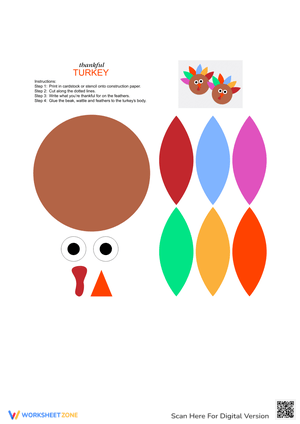
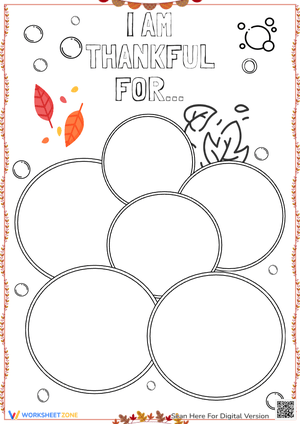
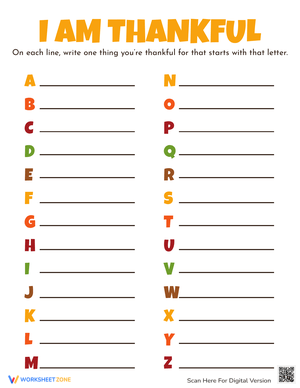
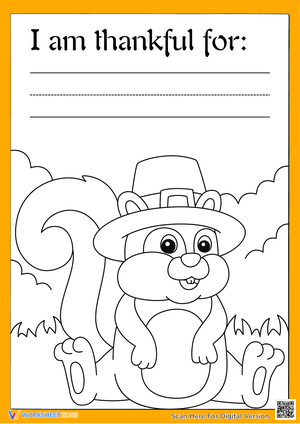
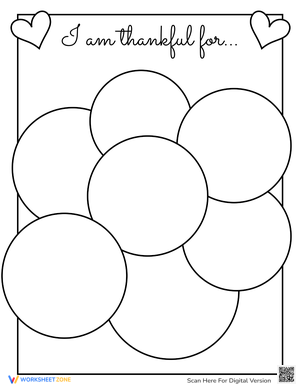
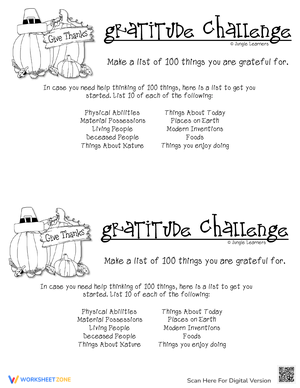
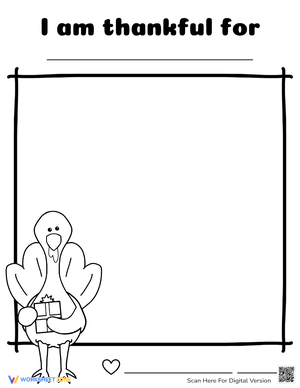
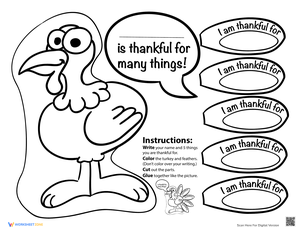
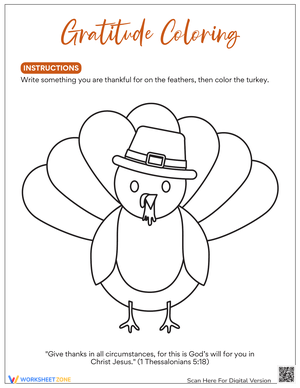
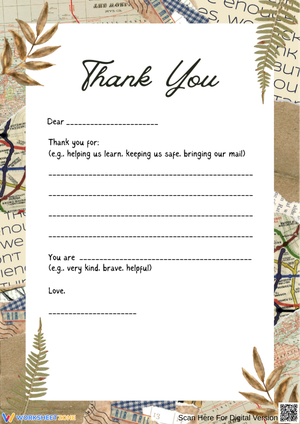
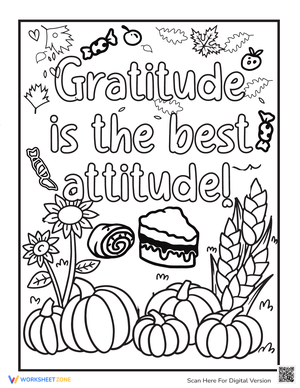
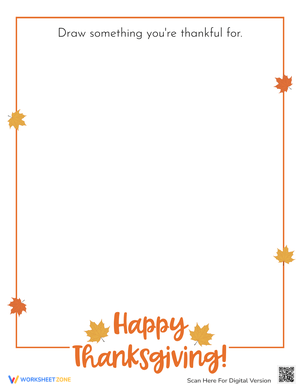
These i am thankful for worksheets printable for 1st grade give teachers a concrete, repeatable format for bringing gratitude work into the classroom without a unit plan or a holiday hook. The set covers draw-and-label prompts, sentence-starter frames, sensory reflection activities, and thematic category work — all built for students who are still developing the capacity to distinguish an emotion from a preference. Each worksheet takes 10–15 minutes and fits naturally into morning meeting, literacy centers, or the quiet transition after recess.
What Each Worksheet Asks Students to Do
The core challenge first graders face with gratitude practice is that they conflate appreciation with desire. A student who draws her dog on a "things I'm grateful for" prompt often writes I like my dog because he plays with me — which expresses enjoyment, not appreciation for something received. These worksheets address that directly by pairing each prompt with a frame that shifts the orientation: Someone helped me when... or I have [blank] and not everyone does. That reframe moves students from listing what they enjoy toward recognizing what others have done for them or what exists in their lives that they might otherwise overlook.
Across the set, students work with these specific skill areas:
- Identifying concrete sources of gratitude — family members, teachers, community helpers, school materials, and features of the natural world
- Drawing with purposeful detail: not just a recognizable image, but one that shows action or relationship
- Completing sentence frames using phonetic or conventional spelling
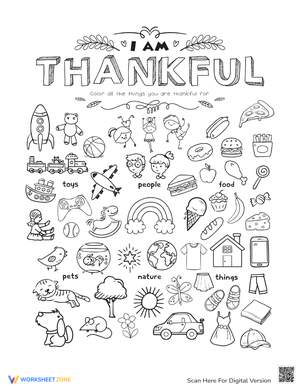
- Sorting gratitude items into categories — people, places, things, experiences
- Connecting sensory observations to emotional awareness through a five-senses reflection format
Why Gratitude Work Takes This Form at This Grade Level
First grade sits at an important turn in social cognition. Students this age are beginning to hold two perspectives at once — they can recognize that another person has a different internal experience than their own. Gratitude practice exercises that capacity directly. When a student writes "I am thankful for my teacher because she explains things I don't understand," she is naming someone else's effort as distinct from her own need. That is a genuine cognitive and emotional move for a six-year-old, and the worksheet creates the occasion for it.
The draw-first format respects where most first graders actually are as learners. Drawing activates a concrete memory before abstract labeling begins, which reduces the freeze response that appears when a student sees a blank writing line with no visual anchor to pull from. Students who cannot produce a written sentence from a prompt alone almost always produce a detailed drawing first, then narrate what they drew — and the sentence follows the narration. Every worksheet in this set places the image space above the writing line, not below it, because that sequence matters.
Working These Worksheets Into Your Week Without Losing Instructional Time
Morning meeting is the most natural entry point. A single worksheet completed in the first 8–10 minutes, followed by two or three students sharing with the group, takes less time than a second read-aloud and sets a noticeably different tone for the rest of the morning. Teachers who return to the i am thankful for worksheets printable for 1st grade set on Mondays report that it also surfaces weekend experiences students are still processing — which reduces the scattered energy that Monday mornings routinely carry into the first lesson block.
A second strong placement is the transition after lunch or recess, when students need a quiet, low-stakes task before academic instruction resumes. The drawing component works particularly well here because it channels physical energy into fine motor work without requiring immediate verbal or written output. Most students settle within five minutes of drawing and are ready to attempt the sentence frame independently after that.
For literacy centers, the worksheets run well as partner activities. One student draws while the other watches, then tries to guess the person or object before the label is written. That guessing structure pushes the drawing toward precision and stretches the writing toward specificity — a student who knows her partner must identify the subject will draw a bowl of soup with steam rising rather than a vague oval, and she will write chicken soup rather than food.
Mistakes Students Make That These Worksheets Help You Catch
The most consistent error is circular or abstract writing: I am thankful for happiness or I am thankful for good things. These responses sound emotionally appropriate, but they signal that the student has not connected the concept to a real experience or person. When this appears on a worksheet, the correction is a single follow-up question: "What happened this week that felt like a good thing?" A specific memory surfaces almost immediately. The worksheet functions as the diagnostic; the brief conversation that follows is the actual instruction.
A second pattern worth tracking: students who are in the middle of a difficult situation at home often produce minimal or blank responses regardless of their writing ability. That is not a literacy gap — it is a signal that a student is not currently connecting to positive experiences with any ease. Gratitude work creates a consistent, low-pressure window to notice which students are struggling to access that register, and that information has real value for a classroom teacher watching for social-emotional warning signs.
In the category-sorting worksheet, students routinely place experiences — a birthday party, a day at the beach — in the "things" column. This is worth a brief direct correction, because the distinction between an object and a moment is conceptually meaningful and opens a productive discussion that most first graders are developmentally ready to have.
Adjusting the Worksheets for a Spectrum of Early Writers
For pre-emergent writers, remove the writing expectation entirely for the first several uses. A completed drawing with one dictated sentence written by the teacher is full participation, not a modified version of participation. Introduce a word bank near the writing line after a few sessions — not a list of definitions, but illustrated labels: a small drawing of a house labeled home, a face labeled friend. Students copy or approximate those words before moving to original writing.
For students working above grade level, the five-senses format and the category sort offer the most productive extension. Ask those students to write two reasons rather than one and to connect them with because. That single requirement shifts the task from labeling to explaining, which is the beginning of persuasive reasoning. The i am thankful for worksheets printable for 1st grade set includes open-ended response pages that accommodate this extension without requiring a separate handout or a rewritten version of the activity.
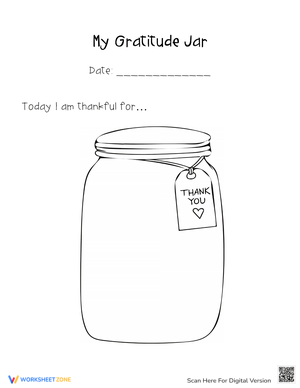
Students who receive occupational therapy support for fine motor delays benefit most from the Gratitude Jar format, which provides a large printed boundary for drawing and does not require precise illustration within small spaces. Printing at 115–125% also helps these students work more comfortably without meaningfully changing the activity structure.
Standard Alignment
These worksheets connect most directly to the CASEL social-emotional learning framework under Self-Awareness — specifically the competency of identifying emotions and linking them to concrete personal experiences. Within Common Core ELA standards, the writing prompts align with W.1.8, which asks students to recall information from personal experience and write a short response, and with SL.1.4, which requires students to describe familiar people, places, and things with relevant detail. The sentence-frame work supports L.1.1 conventions practice without positioning conventions as the primary goal of the activity. In TEKS classrooms, the draw-and-label activities map to the Grade 1 oral and written communication strand, particularly the expectation that students respond in writing to topics drawn from their immediate environment.
Frequently Asked Questions
How do I introduce gratitude to first graders who think being thankful means getting what they want?
Start with a story rather than a definition. Tell students about a time someone helped you when you were stuck — something physical and specific, not an abstract example of kindness. Then ask students to think about the last time someone did something for them without being asked. That question surfaces real memories and shifts the frame toward noticing rather than receiving. Reading aloud a picture book whose main character recognizes another person's effort — not a character who receives a gift — reinforces the distinction before students begin writing.
Can these worksheets work outside of November?
The i am thankful for worksheets printable for 1st grade set is not built around the fall season. The most durable results come from using one worksheet every week or two throughout the year — gratitude practiced as a routine rather than a November unit. Teachers who run a brief Monday gratitude activity from September through May consistently note that by late winter, students begin making unprompted observations about things they appreciate. That transfer — from prompted to spontaneous noticing — is the actual long-term goal of this kind of practice.
What should I do when a student says they cannot think of anything to be thankful for?
Resist the impulse to redirect or reassure immediately. Instead, sit beside the student and walk through a sensory narrowing: "Did you eat something this morning? Are you wearing shoes right now? Did anyone say your name today?" Most students find a genuine response within about 60 seconds of that kind of concrete prompting. The blank response is almost never defiant — it is nearly always a reaction to the abstract scope of the original question. Narrowing the frame to the last two hours removes the paralysis.