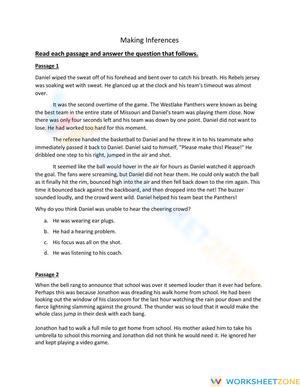
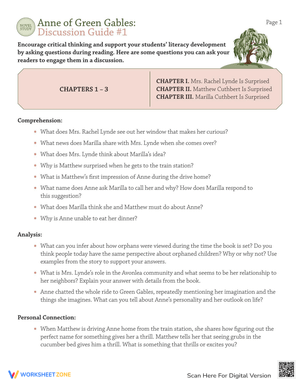
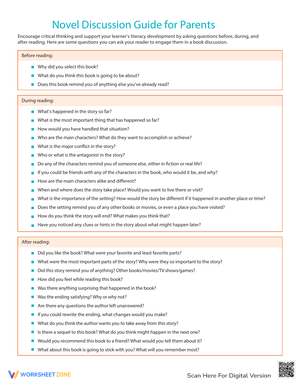
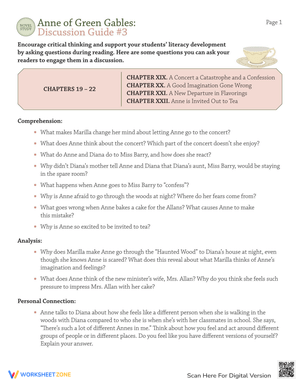
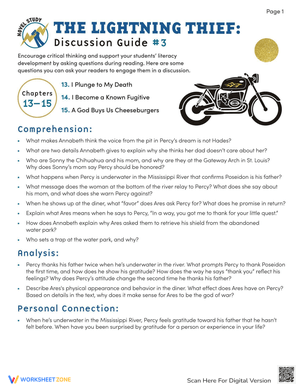
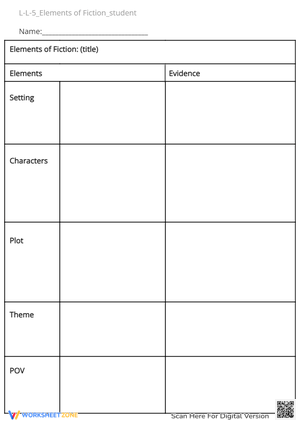
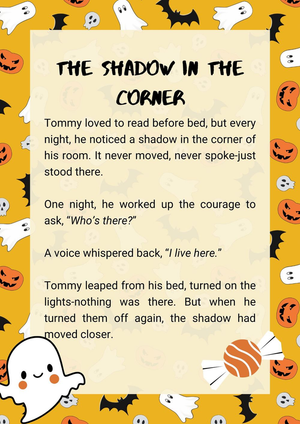
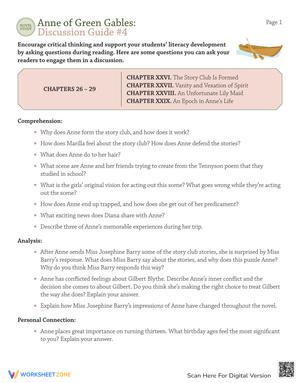
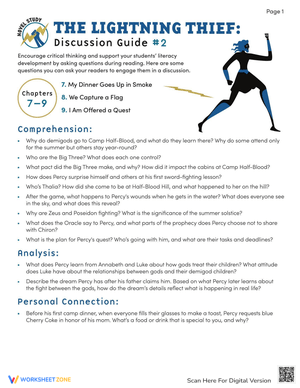
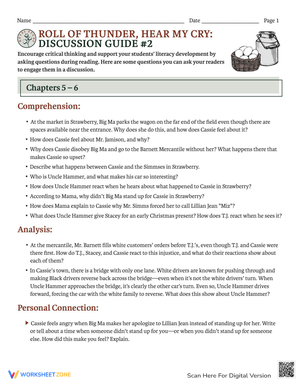
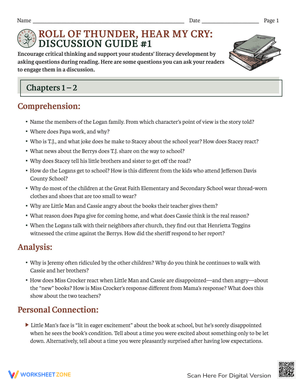
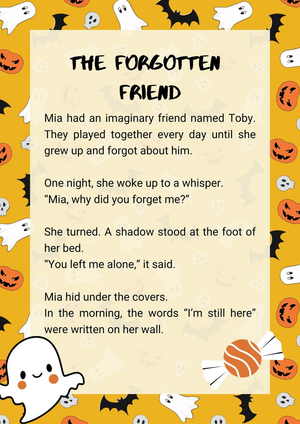
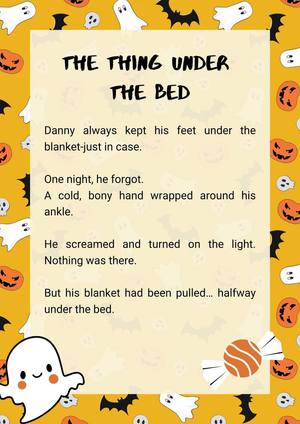
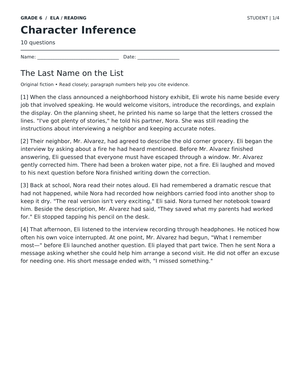
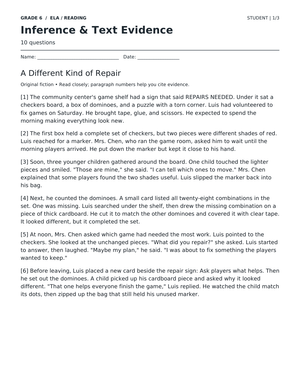
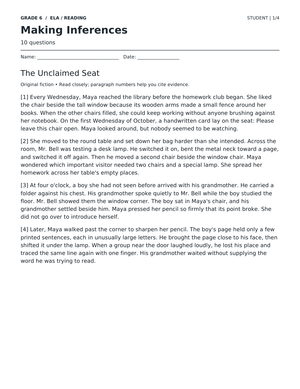
These making inferences in fiction printable worksheets give teachers a repeatable structure for moving students past surface-level recall and into the kind of reading that catches what an author implies but doesn't say outright. Each worksheet centers on a short fictional passage followed by questions that ask students to name their evidence, connect it to what they already know, and then explain their conclusion — not just guess at meaning.
Skills These Worksheets Build
The set targets a cluster of related abilities that build toward fluent analytical reading. Students work through tasks that require them to:
- Identify a character's emotional state from action and dialogue rather than stated feeling
- Determine character motivation by connecting behavior to the specific details a passage provides
- Draw conclusions about setting and explain how it contributes to mood or tension
- Distinguish between a text-supported inference and an unsupported leap
- Cite specific lines when explaining their reasoning, rather than restating the conclusion in different words
The progression matters. Earlier worksheets in the set offer passages where the inference sits close to the surface — a character's clenched jaw and silence point clearly to anger. Later worksheets ask students to track clues across longer passages and weigh competing possibilities before settling on the best-supported reading.
Frequent Student Errors Worth Watching For
The most persistent mistake is treating any plausible-sounding idea as a valid inference. A student reads that a character slams a door and concludes "she had a fight with her best friend." That might be imaginable, but if nothing in the passage points to friendship conflict, it's a leap powered by personal experience rather than text evidence. Students pick up the shorthand "reading between the lines" and then fill the gap with whatever their own life suggests instead of following the specific clues the author left behind.
A second problem surfaces in written responses. Students who can name the correct inference verbally often cannot explain it in writing. They write "I know she was nervous because she seemed scared" — which restates the conclusion rather than naming the clue that caused it. Questions that require students to quote or closely paraphrase the text before explaining their thinking catch this gap quickly and give teachers a precise target for reteaching.
How to Build These Worksheets Into Your Lesson Plans
Making inferences in fiction printable worksheets work best as the structured practice that follows a whole-class think-aloud, not as an introduction to the skill. Spend ten to fifteen minutes modeling with a shared passage — reading aloud, naming the clue, naming what you already know, stating the inference — before students move to independent work. That sequence follows gradual release: the worksheet becomes the "you do" phase, not the entry point into the strategy.
For the Monday morning warm-up block or the ten minutes before students transition to specials, one worksheet with a single focused passage keeps the routine tight and keeps inference visible throughout the week without eating into core instruction. Teachers running guided reading groups can assign different passages from the set based on reading level, then bring the whole class back together to compare how the inference process — evidence plus prior knowledge — stayed constant even as text difficulty shifted.
Standard Alignment
These worksheets address CCSS.ELA-LITERACY.RL.4.1 and RL.5.1, both of which require students to refer to explicit details and inferences when explaining what a text says directly and what it implies. At the fourth-grade level, this standard asks students to support every inference with a direct quote or paraphrase — a habit the written-evidence format of each worksheet reinforces consistently. By fifth grade, the expectation extends to explaining how multiple details work together to support a single inference, which is where the longer-passage worksheets in the set become especially useful for demonstrating mastery.
Adjusting the Set for a Range of Learners
For students who are still building reading fluency, the challenge is often decoding the passage itself rather than the inference task. Pairing those students with a partner to read the passage aloud before working independently reduces that load without lowering the intellectual demand of the questions. Students who are English Language Learners may also need brief context notes before a passage — a sentence explaining an unfamiliar cultural reference or a setting detail — so a gap in background knowledge doesn't block the inference entirely.
Advanced readers who find the shorter passages straightforward can extend their work by drafting a follow-up question of their own: one that requires an inference, which they then answer and defend. This pushes them to think about what an author chose to leave unstated, which is a harder cognitive move than responding to a given prompt. The making inferences in fiction printable worksheets in the set include open-ended response space that supports this kind of extension without requiring separate materials.
Frequently Asked Questions
What's the difference between an inference and a prediction?
A prediction concerns the future of the story — what will happen next. An inference concerns what is already true but unstated — what a character is feeling right now, or why they made a particular choice. Students confuse the two because both involve going beyond what's written, but the direction is different: backward and inward for inference, forward for prediction. Keeping that distinction explicit during instruction saves a lot of confusion on the worksheets.
How do I handle students who insist their inference is correct when the evidence doesn't support it?
Ask them to read their supporting quote aloud and then explain, step by step, how that quote leads to their conclusion. Often the student cannot make the logical connection once it's spoken rather than assumed. Framing the conversation around the quality of the evidence chain rather than right-or-wrong keeps the exchange productive and keeps the student engaged rather than defensive.
Can these worksheets be used across multiple grade levels?
The inference process itself stays constant — text clue plus prior knowledge yields a conclusion — but the complexity of the passages and the subtlety of the clues change considerably between grades. Making inferences in fiction printable worksheets written for third grade typically feature dialogue that signals emotion fairly directly; those aimed at sixth grade may ask students to navigate an unreliable narrator or trace a symbol through a full passage. Matching the worksheet to the reader matters more than matching it to a grade-level label.












 Interactive Worksheet Maker
 Quiz Maker
 Word Search Maker
 Crossword Puzzle Maker
 Word Scramble Generator
 Sentence Scramble Generator
 Handwriting Worksheet Generator
 Name Tracing Generator
 Fill In The Blank Generator