Building the Foundation of Early Literacy
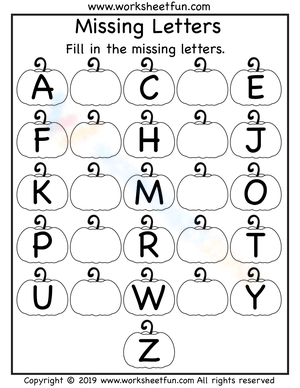
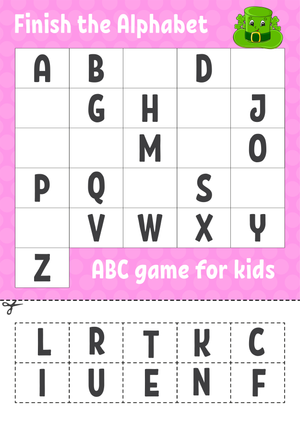
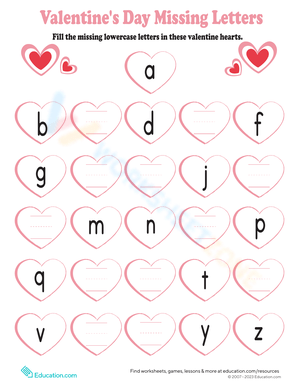
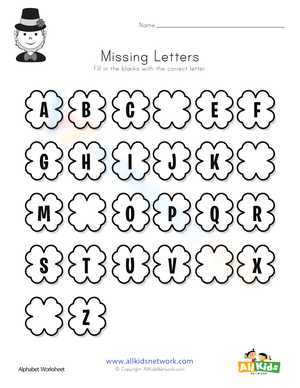
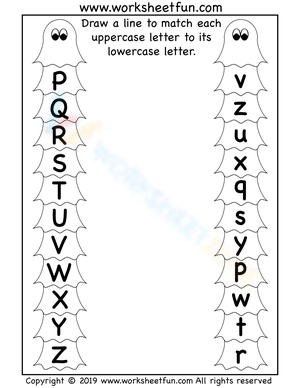
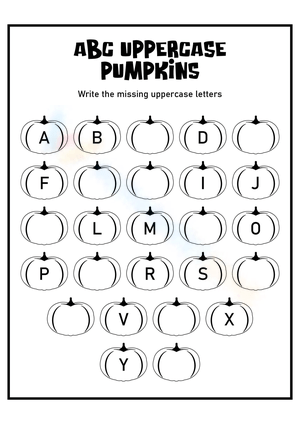
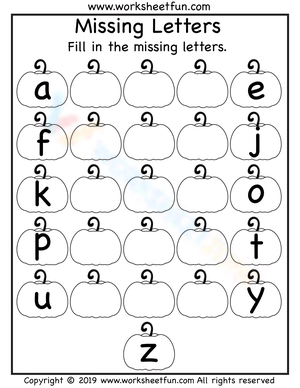
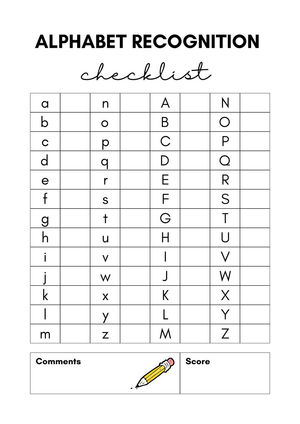
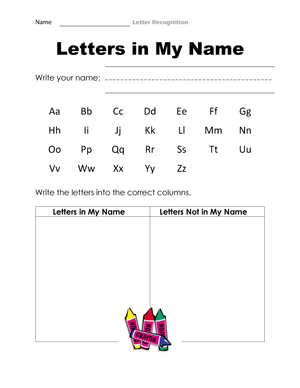
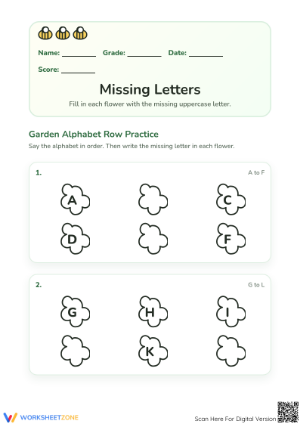
Early literacy instruction relies heavily on a student's ability to accurately and rapidly identify letters. Letter recognition forms the bedrock upon which all subsequent phonological awareness and decoding skills are built. When teachers introduce young learners to the alphabet, they are doing much more than teaching them to sing a song. They are guiding them through complex visual processing tasks where slight variations in lines and curves dictate entirely different sounds. Our curated letter recognition PDF worksheets provide targeted practice designed to move students from hesitant identification to automaticity. Teachers rely on these structured materials to support daily instruction, whether introducing new letters or reviewing previous lessons. Mastery of uppercase and lowercase forms is an essential milestone in the preschool and kindergarten curriculum, laying the groundwork for fluent reading later in their educational journey. Without a strong grasp of the alphabet, students inevitably struggle to map sounds to print. By providing consistent, high-quality practice materials, teachers can confidently ensure that every child develops the visual discrimination skills necessary to succeed in early elementary classrooms.
Connecting Visual Recognition to Phonological Awareness
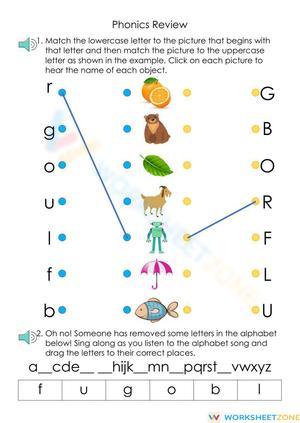
The relationship between seeing a letter and knowing its corresponding sound is the core of early phonics instruction. Letter recognition is the first essential step in this chain of cognitive events. Before students can map phonemes to graphemes effectively, they must be able to visually discriminate one letter from another without hesitation. Education experts consistently emphasize that integrating visual identification with auditory processing accelerates reading readiness significantly. When utilizing letter recognition PDF worksheets, teachers can readily pair visual matching exercises with verbal prompts. For instance, while a child traces or colors the letter 'M', the teacher reinforces the /m/ sound, asking the student to repeat it. This dual-coding approach ensures that students are not merely memorizing meaningless shapes, but are building deep cognitive connections between print and spoken language. Consistent practice with high-quality printables allows teachers to track how well students are transferring these visual skills into phonemic awareness activities during small group interventions. Ultimately, these worksheets serve as a bridge between abstract symbols and meaningful language development.
Targeting Frequently Confused Letter Pairs
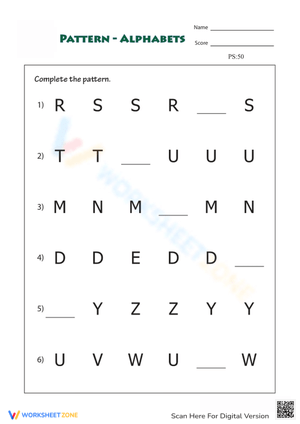
One of the most common hurdles in early childhood education is the confusion of visually similar letters. Students frequently struggle with distinguishing between mirror-image pairs such as 'b' and 'd', or 'p' and 'q', as well as letters with subtle structural differences like 'm' and 'n'. This confusion is a normal developmental phase for emerging readers, but it requires explicit, targeted instruction to overcome effectively.
Research indicates that students who engage in targeted discrimination tasks for visually similar letters reduce mirror-image confusion errors by up to 40 percent within six weeks. Providing explicit contrast exercises rather than isolated letter practice forces the brain to attend to the specific directional features of the graphemes.
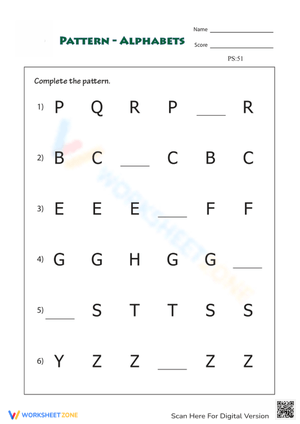
By utilizing specialized letter recognition PDF worksheets, teachers can provide isolated practice focusing specifically on these tricky pairs. Activities that require students to sort, highlight, or trace these letters side-by-side help train their visual processing systems to notice the directional and structural nuances. Repeated exposure through varied worksheet formats ensures that students internalize the correct orientations and shapes, preventing these common errors from becoming ingrained habits that hinder future reading fluency.
Multisensory Approaches to Print Concepts
While printable resources are highly effective on their own, they reach their maximum potential when combined with multisensory learning experiences. Early learners thrive when they can engage with new content using multiple senses simultaneously, bridging the gap between abstract concepts and physical reality. Teachers can integrate letter recognition PDF worksheets into learning centers that also feature tactile elements. For example, students might complete a worksheet and then recreate the target letter using playdough, kinetic sand, or wiki sticks on top of the printed page.
According to Education.com, students who utilize letter recognition worksheets in tandem with tactile activities demonstrate a 35% improvement in long-term retention. Their analysis shows that engaging both fine motor skills and visual processing simultaneously accelerates a child's ability to confidently identify uppercase and lowercase letters across various contexts.
This powerful combination of two-dimensional printable practice and three-dimensional tactile reinforcement solidifies the child's understanding of letter formation. The worksheets serve as the structural guide, while the hands-on activities provide the necessary sensory input for deeper cognitive processing. This strategy is particularly effective for students requiring Tier 2 interventions or those who struggle with traditional paper-and-pencil tasks alone.
Integrating Letter Recognition PDF Worksheets into Daily Centers
Classroom organization and instructional flow depend heavily on reliable, independent activities that keep students purposefully engaged while the teacher conducts focused small group instruction. Letter recognition PDF worksheets are ideal for literacy centers precisely because they require minimal explanation once the classroom routine is established. Teachers can easily create differentiated folders containing worksheets tailored to each student's specific academic needs.
Consider incorporating these variations to maintain high levels of engagement:
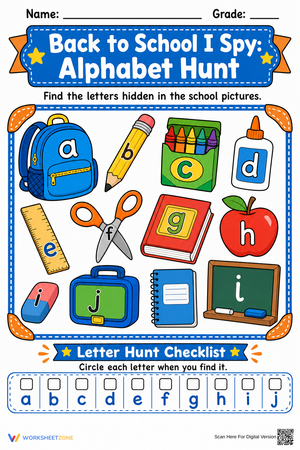
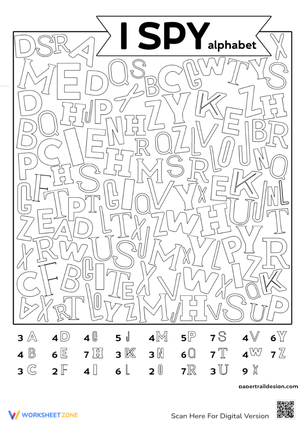
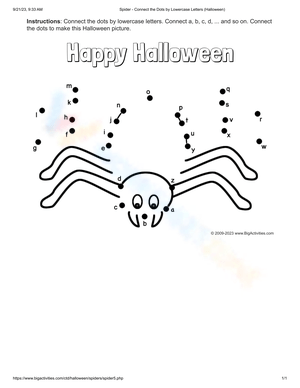
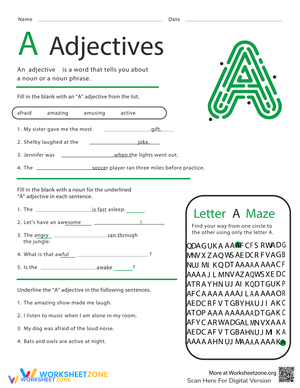
- I Spy Letter Hunts: Students search for and circle specific target letters hidden within complex visual scenes.
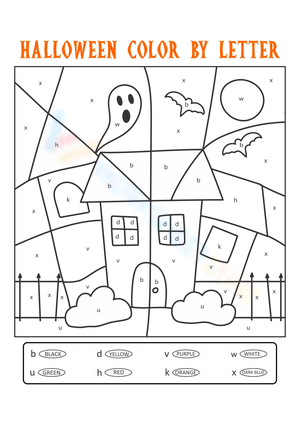
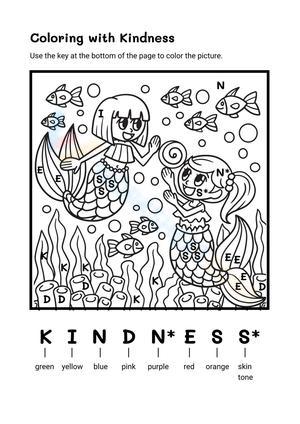
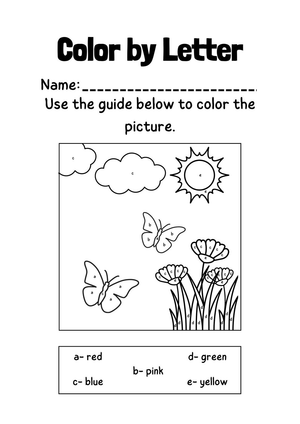
- Color-by-Letter Pages: These activities reinforce visual discrimination while allowing students to reveal a hidden picture.
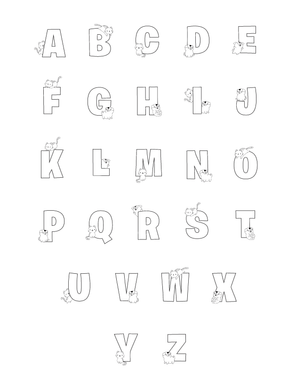
- Traditional Tracing Sheets: Essential for building the muscle memory required for correct letter formation and stroke order.
Whether used as a morning work activity, a dedicated literacy station during guided reading blocks, or a quiet time task, these resources offer unparalleled flexibility. By strategically rotating different styles of worksheets from week to week, teachers prevent academic fatigue while ensuring sustained, rigorous focus on foundational alphabet skills.
Teacher Tips
Effective implementation of letter recognition PDF worksheets requires strategic instructional planning. First and foremost, always introduce new letters using explicit, teacher-led instruction before assigning any worksheet as independent practice. Worksheets should serve as targeted reinforcement, not the primary method of initial teaching. Second, actively monitor students as they complete tracing activities to ensure they are utilizing the correct stroke order. Unlearning poor letter formation habits is significantly more difficult than teaching them correctly from the start.
Third, leverage the worksheets continuously for formative assessment. A quick review of a student's completed page can immediately highlight whether they are struggling with specific letter forms, allowing for immediate instructional adjustments. Finally, incorporate physical movement whenever possible. Have students air-write the letter using large arm movements before completing the fine-motor paper task, bridging gross motor and fine motor skill development.
Assessing Alphabet Mastery Progress
Continuous, accurate assessment is vital in early literacy instruction to ensure that no student falls behind during these critical foundational years. Letter recognition PDF worksheets serve as excellent, tangible artifacts for student portfolios, providing concrete evidence of academic progress over time. Teachers can methodically track improvements in fine motor control, accuracy in letter identification, and overall speed of recognition.
By periodically administering timed letter naming exercises alongside regular worksheet completion, teachers gain a highly comprehensive view of a student's developing automaticity. Furthermore, these printable resources facilitate easy, transparent communication with parents regarding their child's educational development. Sending completed worksheets home attached to specific, encouraging notes helps caregivers understand exactly which letters require additional practice outside of school hours. Establishing a clear, data-driven baseline early in the academic year allows teachers to celebrate student growth effectively and quickly identify individuals who may require more intensive, specialized support interventions before moving on to complex phonics instruction.
Frequently Asked Questions
1. What is the best age to start teaching letter recognition?
Most early childhood teachers recommend introducing basic letter recognition concepts between the ages of 3 and 4, depending on the child's individual developmental readiness. During this initial period, exposure should be playful and exploratory. Formal, structured practice with letter recognition PDF worksheets typically begins in pre-kindergarten and intensifies during the kindergarten year as students prepare for decoding and formal reading fluency instruction.
2. Should children learn uppercase or lowercase letters first?
While instructional opinions vary, many early childhood experts suggest introducing uppercase letters first because their distinct, straight lines are often easier for young children to distinguish visually and write. However, since lowercase letters make up the vast majority of printed text in books, transitioning to lowercase recognition as quickly as possible is essential. Many effective teachers introduce both forms simultaneously to build immediate visual associations.
3. How do I help my child avoid confusing mirror-image letters like 'b' and 'd'?
Consistency and highly targeted practice are the keys to resolving common mirror-image confusion. Utilizing letter recognition PDF worksheets that focus exclusively on these tricky pairs can significantly help. Teachers often use physical cues, such as the 'bed' hand trick, or explicit verbal prompts emphasizing stroke order. Repeated, guided practice with contrasting visual stimuli is necessary to retrain the brain's visual processing pathways.












 Interactive Worksheet Maker
 Quiz Maker
 Word Search Maker
 Crossword Puzzle Maker
 Word Scramble Generator
 Sentence Scramble Generator
 Handwriting Worksheet Generator
 Name Tracing Generator
 Fill In The Blank Generator