The Role of Alphabetical Order in Early Literacy Instruction
Teaching alphabetical order is a fundamental component of early elementary literacy programs. While it may seem like a simple mechanical task, alphabetizing is actually a sophisticated cognitive exercise that bridges the gap between basic letter recognition and advanced organizational skills. Teachers recognize that when students master the sequence of the alphabet, they are better prepared to handle a wide range of academic tasks, from finding their names on a classroom chart to locating specific topics in an index or entries in a dictionary. Using a well-structured alphabetical order worksheets allows teachers to provide consistent practice that reinforces these essential skills through repetitive yet engaging activities. In the primary grades, alphabetical order serves as an introductory framework for categorization and data management, helping students understand that information can be arranged in a logical, predictable sequence.
Scaffolding Letter Sequencing for Kindergarten and First Grade
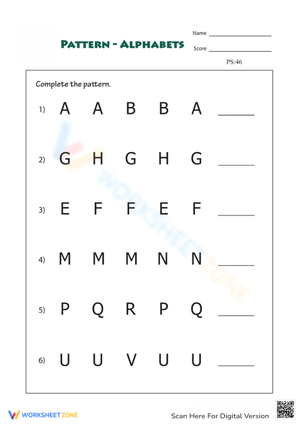
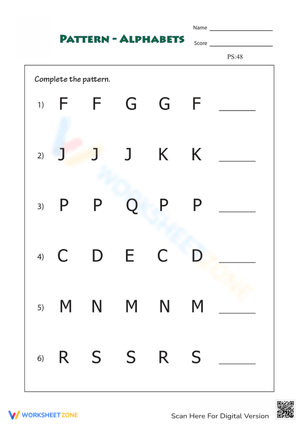
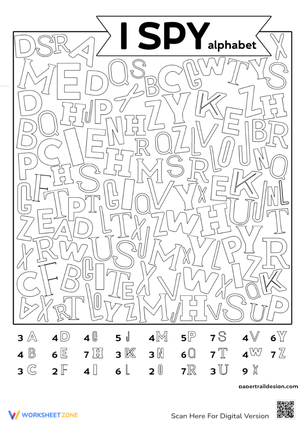
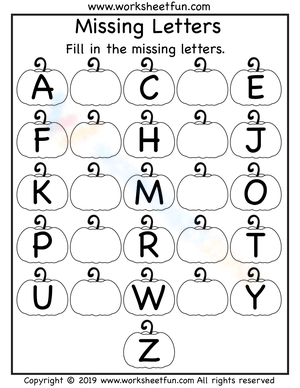
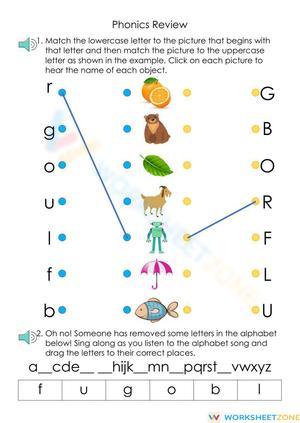
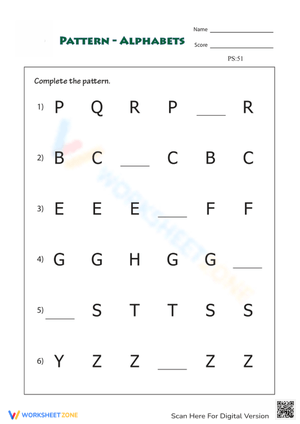
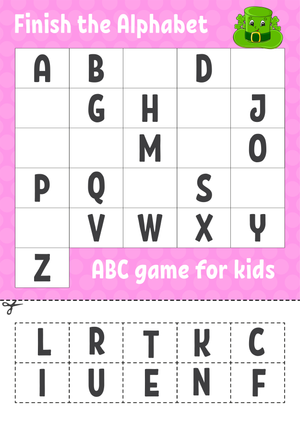
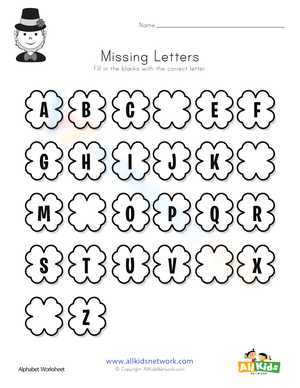
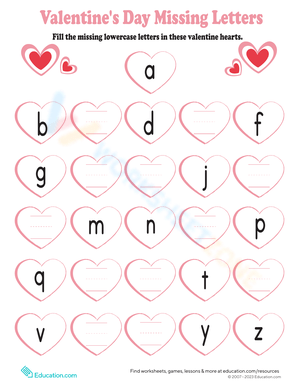
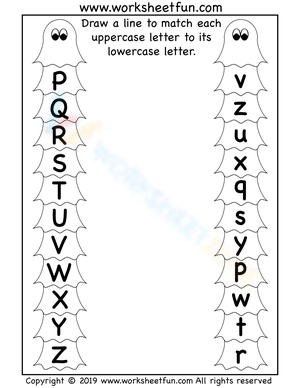
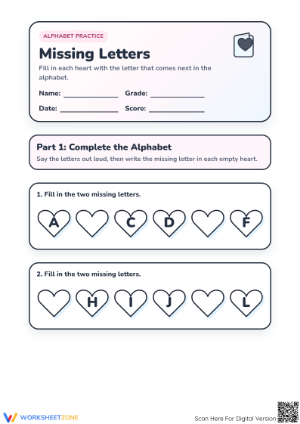
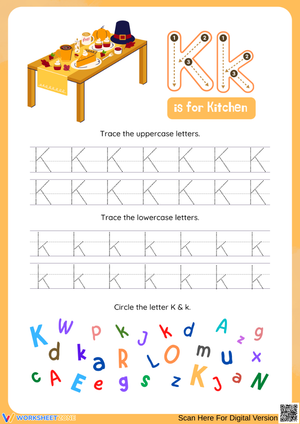
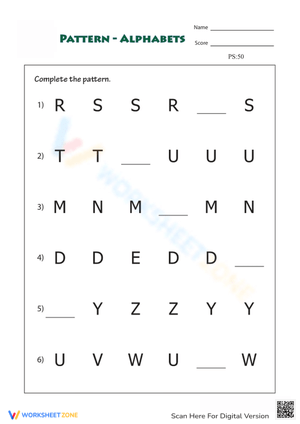
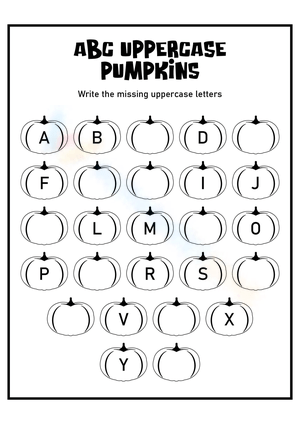
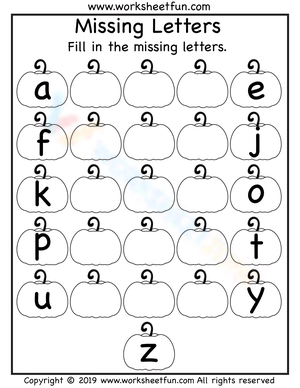
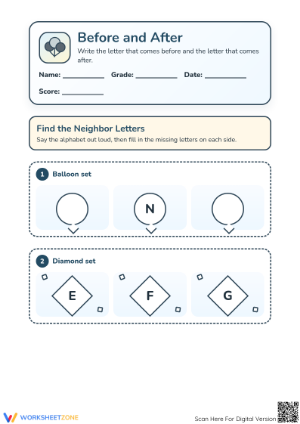
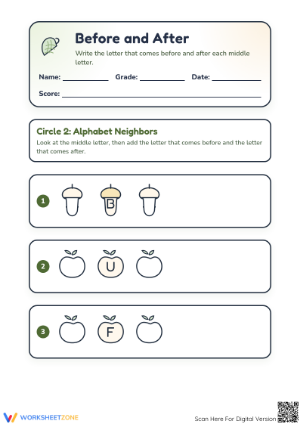
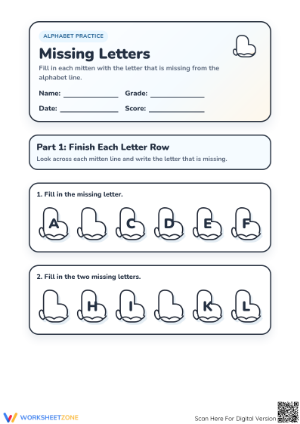
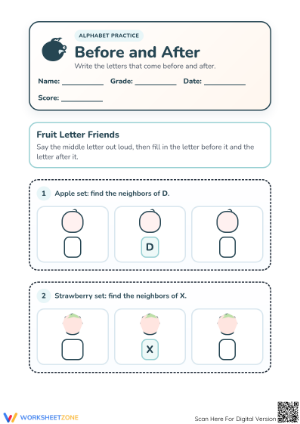
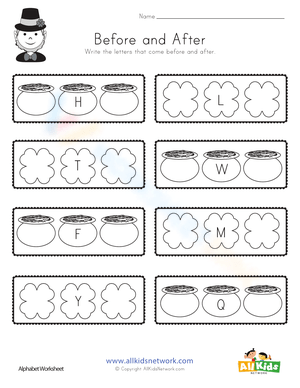
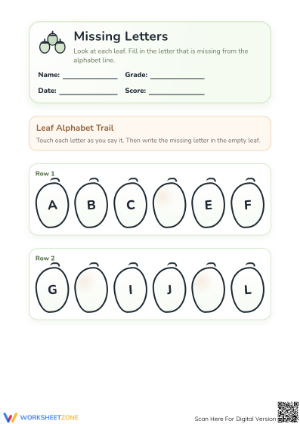
For Kindergarten and early first-grade students, the focus of alphabetical order instruction is typically on the sequence of individual letters. At this stage, learners are often still solidifying their letter-sound correspondences and learning the difference between uppercase and lowercase forms. Alphabetical order worksheets collections designed for this level often include missing letter exercises and cut-and-paste activities to make alphabetizing more tactile. By physically moving letter tiles into the correct order, children engage multiple senses, which is helpful for kinesthetic learners. These tasks allow teachers to observe a student's thought process in real-time, identifying exactly where the sequence breaks down and providing immediate corrective feedback. This targeted approach prevents the formation of misconceptions and ensures a solid foundation for more complex sorting tasks as students progress through the early literacy curriculum.
Transitioning to First-Letter Word Sorting
Once students are comfortable with the sequence of individual letters, the next logical step is alphabetizing words based on their initial letter. This transition requires students to shift their focus from the letter as a standalone unit to the letter as the starting point of a larger word. Alphabetical order worksheets sets often begin this process with short lists of words that have clearly different starting letters, such as 'apple,' 'bear,' and 'cat.' This simplicity allows students to practice the sorting logic without the distraction of identical prefixes. According to the Common Core Standard L.2.2.E (Beginning Dictionaries), second-grade students are expected to use alphabetical order to consult beginning dictionaries to determine or clarify the meaning of words. This standard emphasizes that alphabetizing is not just an isolated skill but a functional tool for academic independence. Consistent use of Worksheetzone materials ensures that students meet these standards through structured practice.
Advanced Techniques: Alphabetizing by Second and Third Letters
As students move into late second grade and third grade, the complexity of alphabetical order tasks increases. They must now learn to analyze the word deeper when the initial letters are the same. This requires a much higher level of attention to detail and a more sophisticated understanding of word structure. Alphabetical order worksheets resources for advanced learners focus on words where the first two or even three letters match, such as 'apple,' 'apricot,' and 'apply.' To support this transition, teachers can use worksheets that explicitly break down the process using columns for side-by-side comparison. Mastering this skill is a prerequisite for using a wide range of reference materials, including traditional encyclopedias and library catalogs. It is a key component of information literacy, equipping students to handle the large volumes of information they will encounter throughout their academic journey.
Teacher Tips
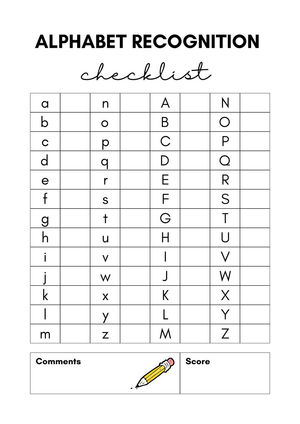
Integrating alphabetical order practice into the daily classroom routine can be highly effective through short, focused activities. Using alphabetical order worksheets resources as 'morning work' or 'bell-ringers' helps students settle into a productive mindset while reinforcing vital skills. Another strategy is to use alphabetical order as a way to organize the classroom environment. Assigning students to alphabetize the classroom library or supply bins provides practical, real-world experience. Small group intervention is also a prime opportunity for using these resources. For students who are struggling, a teacher can provide a scaffolded alphabetical order worksheets that includes a printed alphabet at the top of the page for quick reference. This reduces the cognitive load on the student's working memory, allowing them to focus entirely on the sorting logic. Worksheetzone materials allow for this kind of differentiated instruction, ensuring that every student receives the appropriate level of challenge.
Assessing Alphabetical Order Proficiency
Assessment is an essential part of the instructional cycle, and alphabetical order worksheets tools serve as both formative and summative evaluations. Formative assessment happens during the learning process, allowing teachers to adjust their instruction based on student performance. By reviewing a student's completed worksheet, a teacher can quickly see if they are consistently making mistakes with certain letter sequences. Summative assessments evaluate student learning at the end of a unit and may include a variety of task types, from simple letter sequencing to complex word sorting. Research into cognitive development suggests that mastering alphabetical order requires strong working memory and visual-spatial processing. Teachers should observe whether students struggle more with the sequence itself or the physical act of organizing items, as this distinction often dictates whether intervention should focus on rote memorization or executive functioning support. Worksheetzone provides the tools necessary for this detailed analysis.
Practical Applications and Dictionary Readiness
The ultimate goal of teaching alphabetical order is to prepare students for practical tasks in the real world, most notably the use of a dictionary. Students who have worked with alphabetical order worksheets resources are much better prepared to use dictionary guide words and navigate complex entries. They understand how the alphabet acts as an index for the entire English language, providing a systematic way to explore new vocabulary. Beyond the dictionary, alphabetical order is used in everything from phone contacts to filing systems. By framing alphabetical order worksheets practice as a 'life skill,' teachers can increase student engagement. In higher elementary grades, this skill becomes the foundation for advanced research and information literacy. Worksheetzone is proud to support this journey from early letter recognition to sophisticated information management, providing the high-quality resources that make a difference in the classroom every day.
Frequently Asked Questions
1. At what age should a child learn alphabetical order?
Most children begin learning the basic sequence of the alphabet in Kindergarten. However, the formal skill of alphabetizing words usually begins in late first grade and becomes a major focus in second and third grade. It is a developmental process that starts with letter recognition and progresses to complex word sorting as students build their literacy skills.
2. What's the easiest way to teach alphabetizing words with the same first letter?
The most effective method is to have students write the words one above the other and draw a line through matching first letters. This forces them to look at the second letter. You can find many alphabetical order worksheets resources on Worksheetzone that use this visual strategy to help students manage the cognitive load of multi-letter sorting.
3. How does learning alphabetical order help my child?
Beyond the benefit of being able to use a dictionary or index, alphabetizing develops critical thinking and organizational skills. It encourages students to look closely at word structure, which can improve both spelling and reading accuracy. It is a foundational skill for information literacy and academic independence throughout their schooling.
4. Are there fun games to practice alphabetical order besides worksheets?
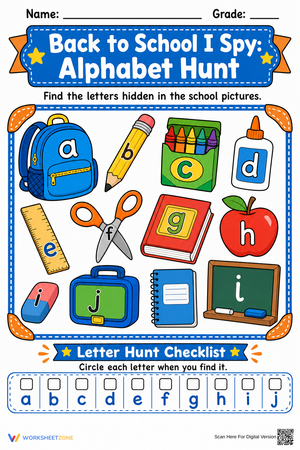
Yes, teachers often use games like 'Alphabet Scavenger Hunt' or physical card sorts. You can also use an alphabetical order worksheets as the basis for a timed classroom challenge or partner activity. Combining paper-and-pencil tasks with active games ensures that students remain engaged and motivated while they master the alphabet sequence.
5. How can I differentiate alphabetizing practice for my students?
Teachers can differentiate by varying word list complexity or providing different levels of support. Some students might work on an alphabetical order worksheets with simple three-letter words, while others tackle complex vocabulary. Providing a printed alphabet as a reference is a simple way to support students who are still building their confidence in the classroom.












 Interactive Worksheet Maker
 Quiz Maker
 Word Search Maker
 Crossword Puzzle Maker
 Word Scramble Generator
 Sentence Scramble Generator
 Handwriting Worksheet Generator
 Name Tracing Generator
 Fill In The Blank Generator