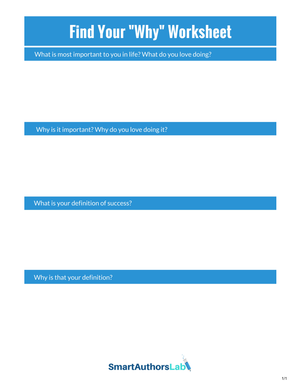
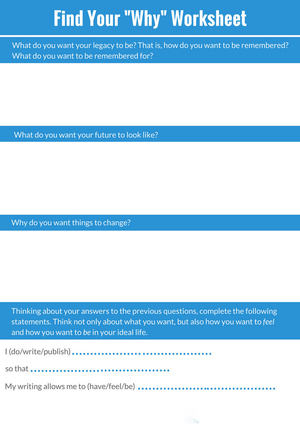
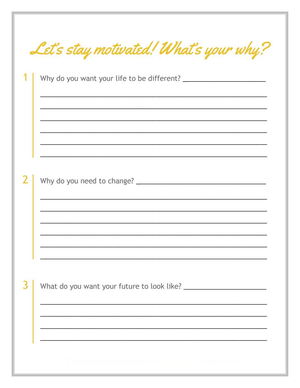
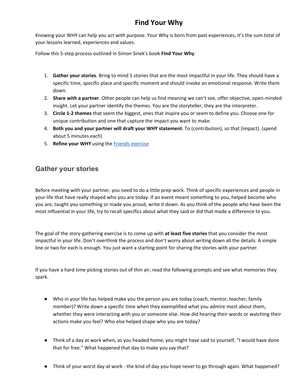
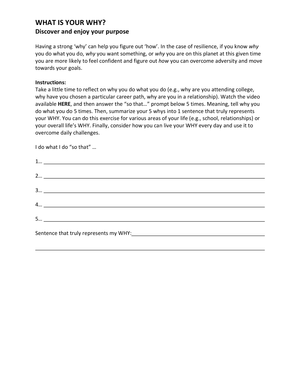
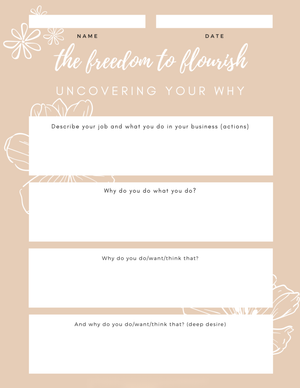
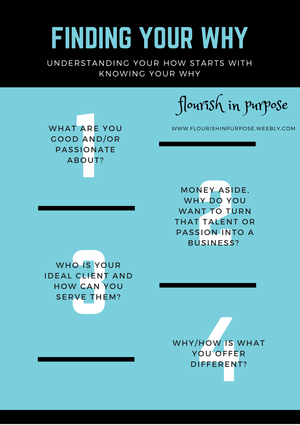
A find your why worksheet gives students a structured way to name what motivates them before a school year, semester, or unit begins. Instead of asking students to write a vague statement about their goals, the worksheet walks them through specific memories, then asks them to notice what those memories have in common. That pattern becomes the raw material for a personal why statement students can return to during advisory check-ins, goal-setting conferences, or project-based learning launches.
For US classrooms, this kind of activity works best when it is short, concrete, and paired with a partner conversation rather than left as a solo journaling task. Students are more likely to produce an honest why statement when someone else reflects back what they are hearing.
The Three Question Types Behind an Effective Why Worksheet
Strong find your why worksheets are not open-ended prompts. They rely on three question types that move students from memory to meaning.
- Fulfillment moments: times a student felt proud, useful, or fully engaged
- Contribution patterns: what the student was doing for someone else in those moments
- Values clarification: what those patterns reveal about what the student cares about most
This structure is drawn from Simon Sinek's Find Your Why method, in which participants gather 5-10 meaningful personal stories, share them with a partner who listens for recurring themes, and then craft a why statement in the format To [contribution] so that [impact]. Adapting this format for a classroom worksheet keeps the reflection grounded instead of abstract.
Running the Activity as an Advisory or SEL Block Routine
The worksheet fits naturally into a single advisory or SEL block period. Students spend the first 10-15 minutes writing 3-5 short stories in response to the fulfillment prompts, then pair up for a 10-minute partner share where the listener notes recurring words or themes out loud. The final 10 minutes are for drafting a one-sentence why statement using the contribution and impact structure.
Because the routine has clear timing and a partner-share checkpoint, it works well as a recurring start-of-unit or start-of-semester ritual rather than a one-time handout. Teachers can keep completed why statements in student portfolios and revisit them before major projects or transitions.
Adapting the Reflection Questions by Grade Band
The core structure holds across grade levels, but the language and depth of the prompts should shift.
- Elementary: simple self-awareness prompts, such as naming a time a student felt proud and describing who else was there
- Middle school: contribution-focused prompts that connect helping others to a feeling of purpose
- High school: full why-statement drafting tied to college, career, or capstone planning
Elementary versions of the worksheet can swap the written why statement for a simple sentence starter, such as I feel proud when I help with ___. Middle and high school versions can keep Sinek's full To/so that structure intact.
How This Activity Builds CASEL Self-Awareness Skills
Find your why worksheets map directly onto the self-awareness competency that anchors most SEL frameworks used in US schools. The reflection questions ask students to notice their own emotions and values, then connect those patterns to behavior and choices, which is the core skill teachers are trying to build during SEL block time.
According to CASEL, self-awareness includes the ability to understand ones own emotions, thoughts, and values and how they influence behavior across contexts, including the capacity to recognize personal strengths and limitations with a well-grounded sense of purpose, a competency this worksheet activity directly practices through guided reflection.
Teens who score high in emotional intelligence show greater academic success, fewer mental health issues, and better attitudes toward teachers and school, which gives self-awareness activities like this one a measurable payoff beyond the single class period they take to complete.
Frequently Asked Questions
1. What grade levels are find your why worksheets appropriate for
The core activity works from upper elementary through high school when the prompts are adjusted for reading level and depth, with younger students using simpler sentence starters and older students drafting a full why statement.
2. How long does a find your why activity take in a typical class period
Most versions fit into a single 30-40 minute advisory or SEL block, split roughly into writing time, a partner share, and a short drafting step for the final statement.
3. How does this worksheet connect to social-emotional learning standards
The reflection questions target the self-awareness competency common to SEL frameworks used in US schools, since students are asked to identify their own values and see how those values shape their choices.
4. Can this worksheet be used for career readiness or college and career planning lessons
Yes. Completed why statements give students a personal starting point for exploring career pathways or college majors that connect to patterns they already recognize in themselves.
5. How should teachers debrief the worksheet with students after they complete it
Ask students to read their why statement aloud to a partner or small group and explain one story behind it, then revisit the statement later in the year to see whether it still feels accurate.












 Interactive Worksheet Maker
 Quiz Maker
 Word Search Maker
 Crossword Puzzle Maker
 Word Scramble Generator
 Sentence Scramble Generator
 Handwriting Worksheet Generator
 Name Tracing Generator
 Fill In The Blank Generator