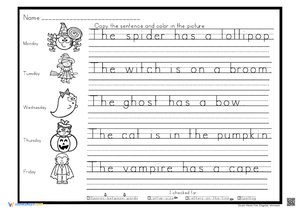
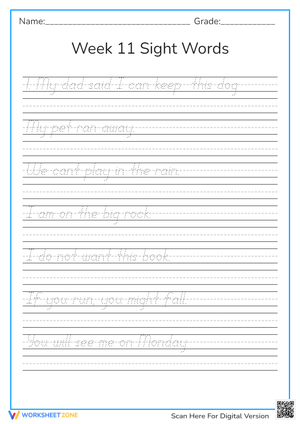
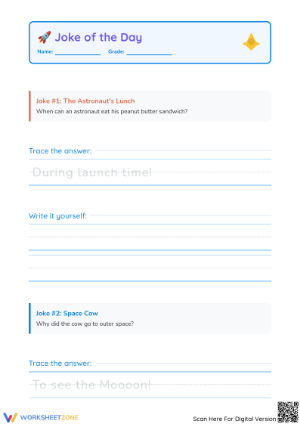
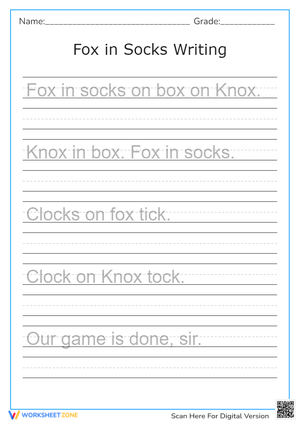
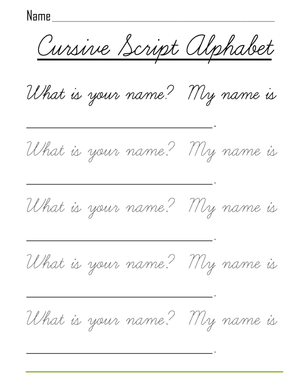
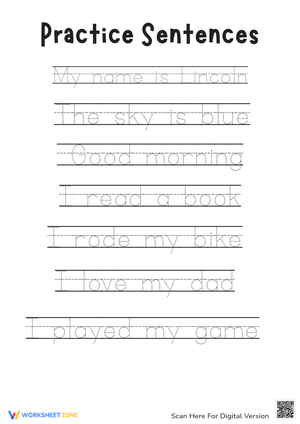
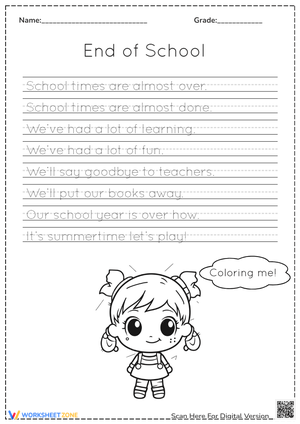
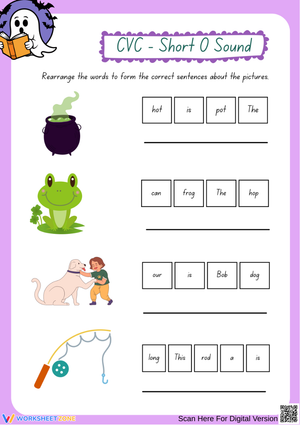
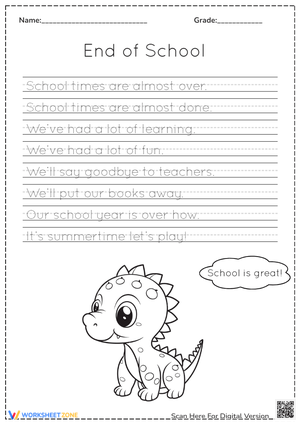
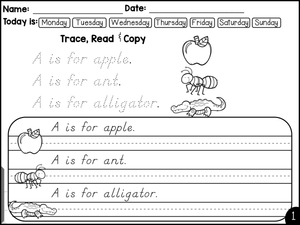
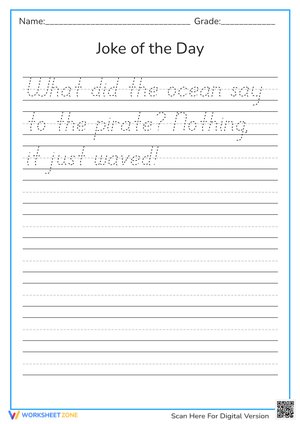
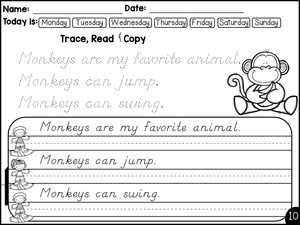
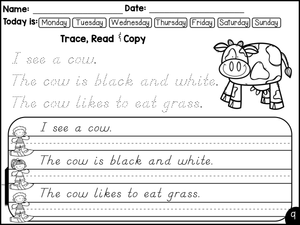
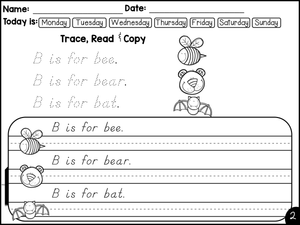
First grade sits at a hinge point in literacy development. Students arrive knowing many letter shapes, but they still need repeated practice turning those shapes into legible, evenly spaced words that sit correctly on a line. Sentence handwriting worksheets give teachers a single tool that targets both goals at once: correct letter formation and the mechanics of a complete sentence. Rather than treating penmanship and sentence writing as separate lessons, these worksheets let students copy or complete simple sentences while attending to spacing, capitalization, and end punctuation in one sitting.
For a 1st grade classroom, this matters because handwriting fluency directly affects how much attention a child has left for composing ideas. When letter formation is still effortful, students spend their working memory on shaping letters instead of thinking about what to say. Structured sentence practice reduces that load over time, freeing students to write with more independence later in the year.
Building Sentence Mechanics Through Copy Work
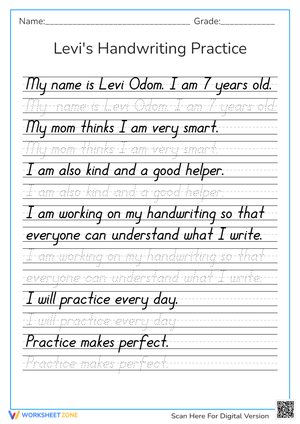
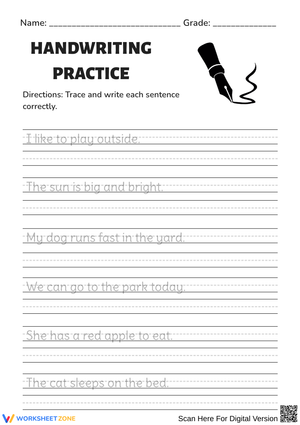
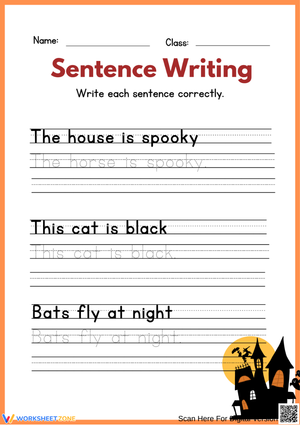
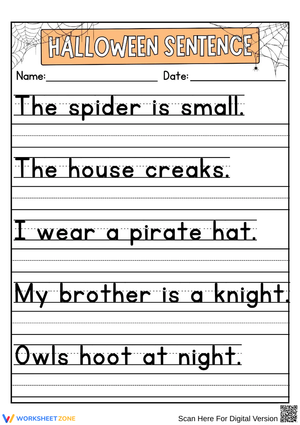
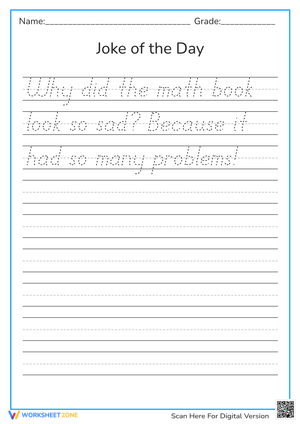
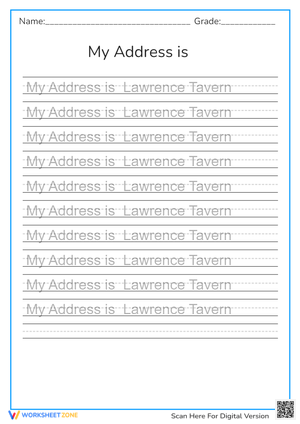
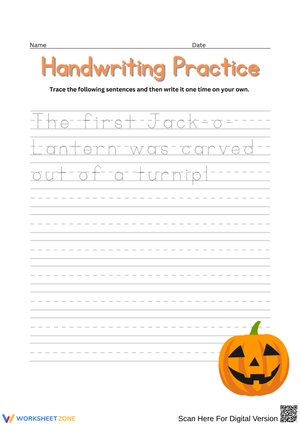
Copying a model sentence is more than a handwriting drill. It teaches students to notice capitalization at the start of a sentence, spacing between words, and a period or question mark at the end. First-grade writers are actively developing their use of capital letters, commas, and periods while composing simple, complete sentences, and copy work gives them a correct model to internalize before they attempt these choices independently.
A useful classroom pattern is to track how quickly a student moves from needing a full model sentence to needing only a sentence starter. Teachers who track this shift across a grading period often notice that students who practice five or more model sentences per week reach independent sentence composition roughly a month earlier than peers who only complete isolated letter worksheets.
Daily Handwriting Routines That Build Fluency
Short, consistent practice beats occasional long sessions for building automaticity. A ten-minute daily routine using a themed sentence set works well in most first-grade schedules. Consider structuring the week like this:
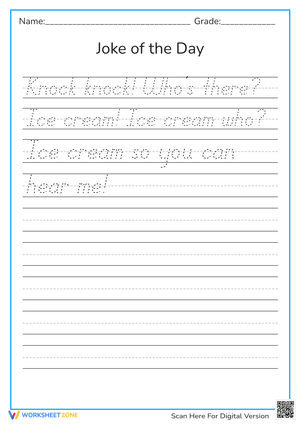
- Monday: trace and copy a seasonal or classroom-life sentence
- Tuesday: copy the same sentence type with a new subject or verb
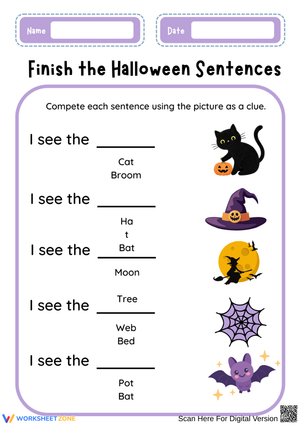
- Wednesday: fill in a missing word within a partially completed sentence
- Thursday: write a sentence from a picture prompt using a word bank
- Friday: write a short sentence independently as a quick check
This kind of gradual release, from full copying to independent writing, mirrors how first graders naturally build confidence. It also gives teachers five small data points a week instead of one large assignment to grade.
Cross-Curricular Sentence Practice
Handwriting sentence worksheets do not have to live only in the literacy block. Pairing penmanship practice with science or social studies vocabulary reinforces content knowledge while students practice letter formation. A sentence like The caterpillar turns into a butterfly gives a student handwriting repetition and a science concept in the same line. Content-area sentences also tend to hold student interest better than generic filler sentences, which can make the ten-minute routine feel more purposeful.
When choosing cross-curricular sentences, keep vocabulary within a students current reading level so the handwriting task does not become a decoding task as well. The goal is fluent, legible writing, not new vocabulary acquisition, during this particular practice window.
Classroom Implementation
Getting the most out of these worksheets depends less on the worksheet itself and more on how it fits into the daily schedule. A few practical steps help:
- Keep handwriting sentence practice to a consistent time each day so it becomes routine rather than a special event
- Model the sentence out loud while writing it on the board, naming each punctuation and spacing decision
- Rotate sentence themes weekly so practice stays fresh without changing the skill being targeted
- Use completed worksheets as quick exit tickets to decide who needs a brief one-on-one check the next day
- Save a folder of samples across the year so growth in letter formation and sentence length is easy to show at conferences
Some classrooms also use these worksheets during small-group rotations or a short pull-out check-in, which works well since the sentences are brief and self-contained, though the core routine above works fine as a whole-class activity too.
Frequently Asked Questions
1. How many sentences should a first grader be able to handwrite independently?
Many first graders progress toward writing short paragraphs of about four or more connected sentences by the end of the year, though this varies by student and by how much daily practice they receive.
2. What handwriting skills should be mastered before starting sentence-level practice?
Students should be able to form most upper and lowercase letters from memory with reasonably consistent sizing and spacing. Perfect mastery is not required, since sentence practice itself reinforces letter formation.
3. How often should first-grade teachers schedule handwriting practice each week?
A short daily routine, around ten minutes, tends to build more fluency than occasional longer sessions, since repetition supports automatic letter formation.
4. What are signs a student needs extra handwriting support versus general review?
Frequent letter reversals, very inconsistent letter sizing, or difficulty staying on the line across several weeks of samples are signs a student may need targeted support rather than general class review.
5. How can these worksheets be used for both whole-class instruction and quick formative checks?
The same sentence worksheet can be modeled together as a class, then collected individually so the teacher can scan for letter formation, spacing, and punctuation issues in a matter of minutes.












 Interactive Worksheet Maker
 Quiz Maker
 Word Search Maker
 Crossword Puzzle Maker
 Word Scramble Generator
 Sentence Scramble Generator
 Handwriting Worksheet Generator
 Name Tracing Generator
 Fill In The Blank Generator