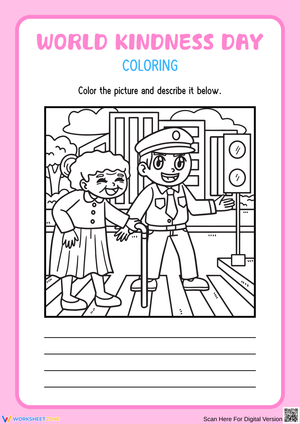
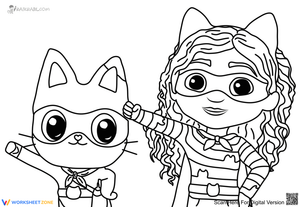
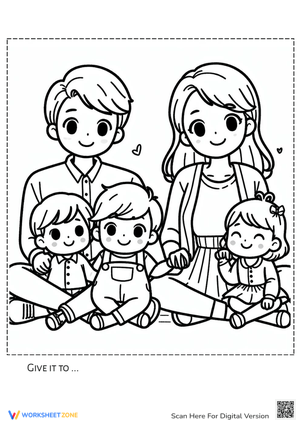
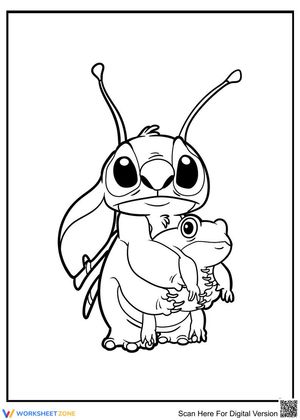
As students transition into first grade, the physical demands of the classroom increase significantly. In 2025, research confirmed that students who engage in regular art-based activities outperform their peers in Math and English by an average of 15–20%. Grade 1 coloring pages provide the necessary transition from 'play-based' learning to 'task-based' stamina, helping children develop the focus required for longer reading and writing sessions.
Current 2026 educational trends highlight a 'creative crisis,' where 77% of teachers report a decline in fine motor skills among elementary students. By integrating Grade 1 Coloring Pages into your child's routine, you are providing a physical intervention that strengthens the small muscles in the hand. This prevents 'writing fatigue,' a common issue in first grade where students' ideas outpace their physical ability to record them on paper.
The Science of Visual-Motor Integration in 2026
Visual-motor integration—the brain's ability to coordinate visual perception with motor output—is a critical skill developed through coloring. A 2025 study in the Early Childhood Research Quarterly found that structured coloring within boundaries is one of the most effective ways to train this connection. For a first grader, this translates to better letter spacing, improved alignment on the page, and faster mastery of complex spelling patterns.
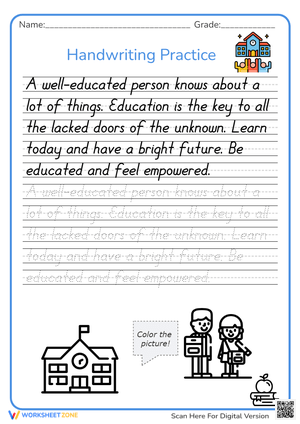
At Worksheetzone, we understand that Grade 1 is a pivotal year for literacy. Our coloring pages are designed to be more than just art; they are tools for graphomotor readiness. By navigating the more detailed outlines found in our Grade 1 collection, students are training their brains to handle the precision required for cursive writing and advanced mathematics in the years to come.
Building Cognitive Connections Through Creative Subject Matter
The 2025 curriculum focuses heavily on 'interdisciplinary learning.' Coloring pages are no longer just pictures; they are diagrams and stories waiting to be filled in. Whether it's coloring a map for social studies or a life-cycle diagram for science, these printables help students visualize and internalize complex concepts. This 'multi-sensory' approach ensures that information is stored in both the verbal and visual parts of the brain, leading to higher long-term retention.
Furthermore, coloring encourages inhibitory control—the ability to resist impulsive actions and stick to a plan. Deciding to color a specific area and following through without rushing is a micro-lesson in discipline. This skill is a core component of 'executive function,' which research shows is a better predictor of lifelong success than IQ scores alone.
Frequently Asked Questions
What is the 'creative crisis' mentioned by teachers?
A 2025 survey found that 77% of teachers believe students are losing the fine motor skills needed for basic classroom tasks. This is largely attributed to increased screen time. Physical activities like coloring on paper are the primary recommended solution to restore these vital developmental milestones.
Should 1st graders still be using large crayons?
By Grade 1, most children should transition to standard-sized colored pencils or markers. These require more precision and a more mature 'tripod grip.' Using finer tools helps develop the dexterity needed for the smaller, more detailed writing tasks required in first grade.
Can coloring help children with ADHD or focus issues?
Yes. The repetitive, rhythmic nature of coloring can be very therapeutic for children with focus challenges. It provides immediate visual feedback and a clear goal, which helps regulate dopamine levels and improves 'sustained attention' over time, according to 2026 neuroscientific reports.












 Interactive Worksheet Maker
 Quiz Maker
 Word Search Maker
 Crossword Puzzle Maker
 Word Scramble Generator
 Sentence Scramble Generator
 Handwriting Worksheet Generator
 Name Tracing Generator
 Fill In The Blank Generator