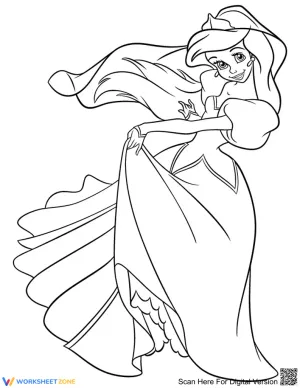
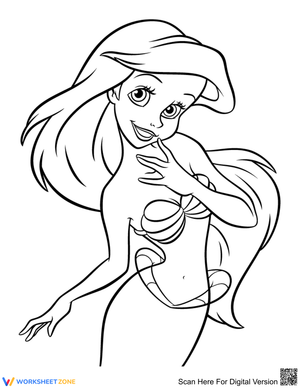
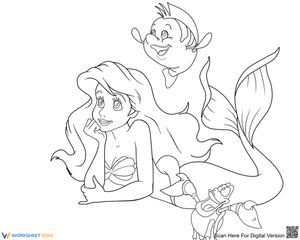
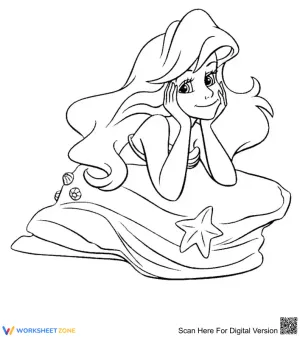
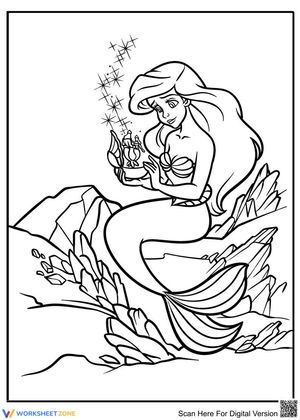
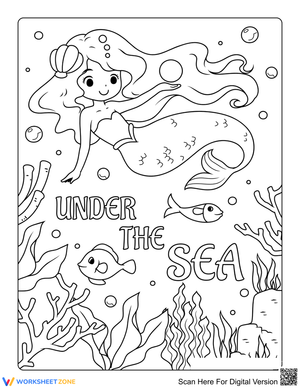
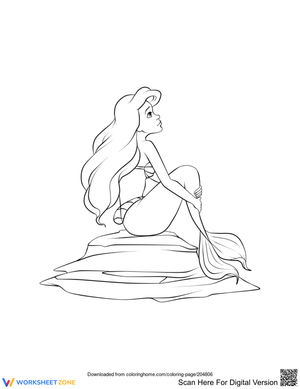
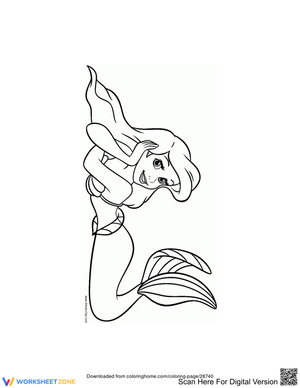
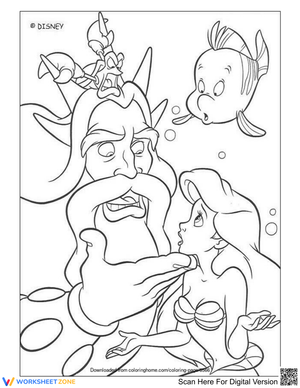
There is a quiet sort of magic that happens when a child opens a sheet of Ariel coloring pages and reaches for the first crayon. The blank waves, the curls of red hair, and the seashell details all wait patiently for color to bring them to life. For young learners who love stories about the ocean, princesses, and brave adventurers, these printable scenes turn an ordinary afternoon into a personal underwater journey. Each page invites kids to slow down, breathe, and step into a world where imagination guides every stroke.
Coloring is far more than a quiet-time filler, and parents often notice how quickly little hands grow steadier with practice. As children trace the outline of a fin or fill in the shimmer of a tail, they strengthen the small muscles needed for handwriting, scissor work, and self-feeding. The careful grip of a crayon, the choice between two shades of blue, and the patience to stay near the lines all build hand-eye coordination in a relaxed setting. Worksheetzone designs each printable with clear lines and age-appropriate detail, so children at different stages can succeed without frustration.
One of the most rewarding aspects of these printables is how much they reward a closer look. Hidden among the seaweed are tiny fish, sand dollars, bubble trails, and pebbles that younger eyes might miss on the first pass. Older students enjoy noticing the texture of scales, the layered ruffles of a gown, or the soft expression in the mermaid princess's eyes. This attention to small details encourages observation skills that carry over into reading, science journaling, and storytelling. Pairing a finished page with a creative writing prompt or a list of playful Disney-themed jokes turns a single sheet into a full afternoon of imaginative play.
For tweens and middle-grade students, coloring becomes something different and just as valuable. The repetitive, focused motion calms a racing mind after a long school day, and the freedom to choose any palette removes the pressure of right or wrong answers. Many older kids use these printables as a mindfulness break between homework subjects, returning to math or reading with a clearer head. Teachers and parents can set out a basket of supplies during transition times, quiet reading hours, or rainy weekends, knowing that children are practicing patience and self-regulation through art. Children who enjoy the underwater theme can also explore the matching villain coloring sheet for a bolder, more dramatic palette.
So gather the markers, pull out a fresh stack of paper, and let the seashells sparkle in shades only your child can imagine. Whether the scene becomes a sunset reef, a moonlit cove, or a candy-colored fantasy, every choice belongs entirely to the young artist holding the crayon. These Ariel coloring pages are an open invitation to dream, to focus, and to fill quiet moments with personal storytelling that lives long after the page is finished.
Frequently Asked Questions
Question 1: What ages enjoy Ariel coloring pages the most?
These printables work beautifully for children between three and ten, with simpler outlines suited to preschoolers and more intricate scenes ideal for early elementary learners. Toddlers benefit from the bold shapes, while older kids enjoy adding shading, patterns, and personal background details. Many tweens also use the pages as a calming activity during study breaks, so the appeal really stretches across a wide age range with thoughtful supervision.
Question 2: How can teachers use coloring sheets in the classroom?
Teachers often use themed coloring sheets as morning warm-ups, indoor recess activities, or rewards for completed tasks. They pair well with units on ocean life, fairy tales, character traits, and creative writing. Educators can also turn a finished page into a discussion prompt, asking students to describe their color choices or invent a short story about the scene, which strengthens vocabulary and oral storytelling skills.
Question 3: What supplies work best with these printables?
Crayons, colored pencils, and washable markers all work well, depending on the age of the child and the paper weight. Younger artists often prefer chunky crayons for an easier grip, while older kids enjoy gel pens, fine-tip markers, and watercolor pencils for layered effects. Printing on slightly heavier paper helps prevent bleed-through, especially when children want to use vibrant markers or experiment with light watercolor washes.
Question 4: Can coloring help with focus and learning?
Yes, coloring builds concentration in a low-pressure way that benefits classroom learning and homework routines. The repetitive motion soothes restless minds, while choosing colors and staying inside lines strengthens planning and fine motor control. Many parents notice that a short coloring session before reading or math helps children settle into focused work, making art a quiet but meaningful partner in everyday learning at home and school.












 Interactive Worksheet Maker
 Quiz Maker
 Word Search Maker
 Crossword Puzzle Maker
 Word Scramble Generator
 Sentence Scramble Generator
 Handwriting Worksheet Generator
 Name Tracing Generator
 Fill In The Blank Generator