


























Views
Downloads



Closed Syllables Worksheet | Grade 3 Printable ELA
Paste this activity's link or code into your existing LMS (Google Classroom, Canvas, Teams, Schoology, Moodle, etc.).
Students can open and work on the activity right away, with no student login required.
You'll still be able to track student progress and results from your teacher account.
This printable phonics worksheet helps third-grade students master decoding and pronouncing closed syllables in multisyllabic words. By breaking down complex words and identifying short vowel sounds, learners build essential reading fluency. The structured activities provide targeted practice to boost confidence in tackling longer, more challenging vocabulary.
At a Glance
- Grade: 3 · Subject: ELA
- Standard:
CCSS.ELA-LITERACY.RF.3.3.C— Decode multisyllable words- Skill Focus: Closed Syllables & Short Vowels
- Format: 3 pages · 19 problems · Answer key included · PDF
- Best For: Independent practice and phonics centers
- Time: 15–20 minutes
This comprehensive resource features three pages of engaging phonics activities. Students begin by reviewing a categorized word bank organized by short vowel sounds. The worksheet then transitions into 19 distinct tasks, including dividing two-syllable words with hyphens, identifying the specific vowel sound in the first syllable, and completing fill-in-the-blank sentences using context clues. A complete answer key is provided to ensure accurate grading.
- Guided practice: Students review a structured word bank categorizing 25 multisyllabic words by short vowel sounds, providing a clear reference point.
- Supported practice: Learners tackle 14 targeted problems where they divide words into syllables and isolate specific vowel sounds, reinforcing closed syllable rules.
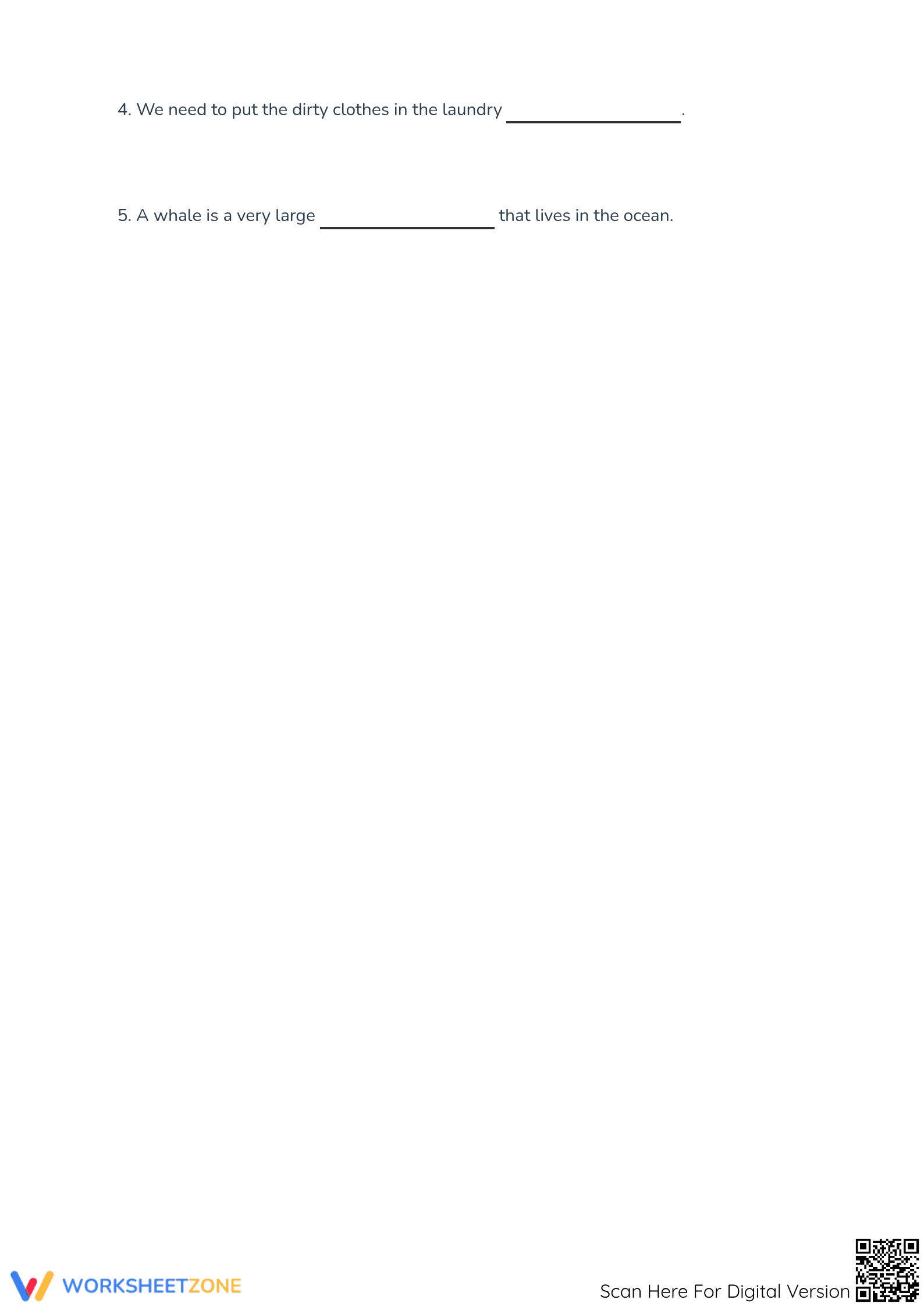
- Independent practice: The final section requires students to apply decoding skills to complete 5 sentence-level fill-in-the-blank questions, testing comprehension.
This gradual-release approach follows the proven I Do, We Do, You Do model to ensure steady skill acquisition.
This resource is strictly aligned to CCSS.ELA-LITERACY.RF.3.3.C, requiring students to decode multisyllable words. It also supports foundational reading fluency by reinforcing short vowel sound recognition. Both standard codes can be copied directly into lesson plans, IEP goals, or district curriculum mapping tools.
Teachers can deploy this worksheet during small group phonics instruction or as an independent literacy center activity. When used after direct instruction on syllable types, it serves as an excellent reinforcement tool. As a formative assessment tip, observe students while they complete the syllable division section; if they struggle to place the hyphen between consonants, they may need a quick reteach. Most students will complete these activities within 15 to 20 minutes.
This worksheet is designed for third-grade students developing multisyllabic decoding skills. It also serves as an effective intervention tool for older learners needing foundational phonics review. For optimal results, pair this resource with a classroom anchor chart detailing the six syllable types or a direct instruction lesson on short vowel sounds.
Mastering the ability to decode multisyllable words is a critical milestone in early elementary literacy development. According to a ScienceDirect TpT Analysis, explicit instruction in syllable types significantly improves students' reading fluency and comprehension of complex texts. When learners understand how to identify closed syllables and their corresponding short vowel sounds, they can independently tackle unfamiliar vocabulary with much greater accuracy. This resource directly supports CCSS.ELA-LITERACY.RF.3.3.C by providing structured, repetitive practice that transitions students from basic sound recognition to applied reading in context. By breaking words down into manageable phonetic chunks, educators can effectively reduce cognitive load and build long-term reading confidence. Consistent practice with these foundational decoding strategies ensures that students are better equipped to handle the increasing text complexity they will encounter in upper elementary grades and beyond.


