Worksheets
Lesson Plans
Coloring Pages
Home
Activity:
Topic:
CCSS:
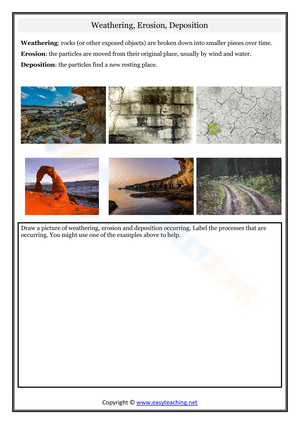
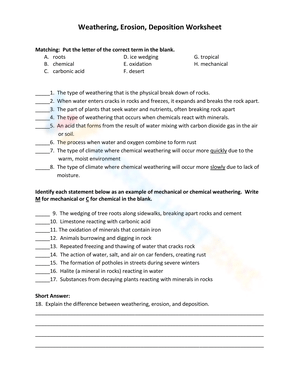
Identify Weathering, Erosion, and Deposition Processes. Strengthen earth science skills with this interactive worksheet. Start learning today!
Print-and-go Grade 2 science worksheet on weathering, erosion, and deposition. 3 problems, full answer key, zero prep. Aligned to 2-ESS1-1. PDF ready. Download.
Explore Weathering, Erosion, and Deposition. Enhance earth science knowledge with this engaging worksheet. Get started today!
Explore weathering, erosion, and deposition with this earth science worksheet. Understand the processes that shape the Earth's surface. Get started now!
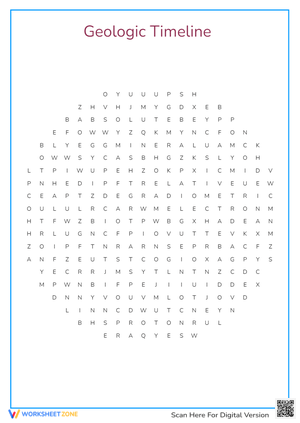
EON, ERA, HADEAN, EPOCH, PERIOD, PETRIFACTION, TRACE, COPROLITE, SUPERPOSITION, RADIOMETRIC, ELECTRON, NEUTRON, PROTON, RELATIVE, ABSOLUTE, DATING, DECAY, HALFLIFE, MINERAL
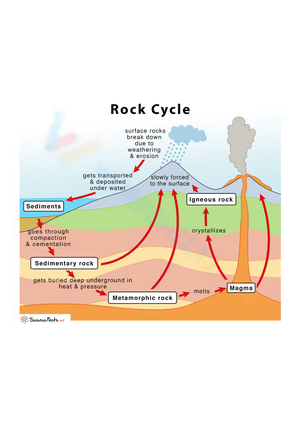
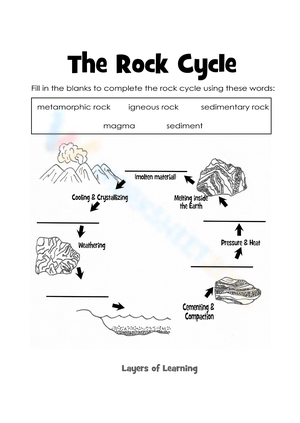
Explore the rock cycle process with this detailed worksheet! Understand rock transformation. Enhance earth science knowledge by learning about the Rock Cycle!
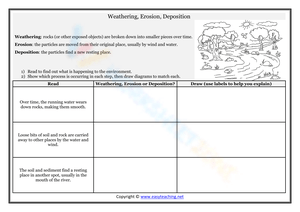
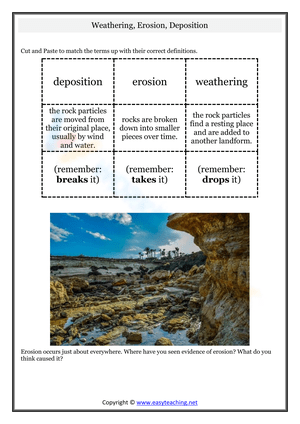
Understand weathering, erosion, and deposition processes with this worksheet. Ideal for earth science. Download and study today!
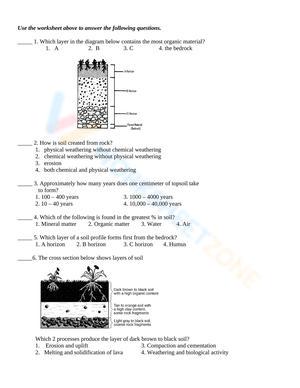
Learn the soil formation process with this educational worksheet. Explore earth science and environmental concepts. Download to understand soil composition!
Apply your understanding of Weathering, Erosion, and Deposition. This advanced worksheet is great for earth science. Download and challenge yourself!
Explore Weathering, Erosion, and Deposition examples. Reinforce earth science concepts with this worksheet. Download to enhance learning!
Review Weathering, Erosion, and Deposition concepts. Perfect for earth science students. Download now and test your knowledge!
Understand the concepts of weathering, erosion, and deposition with this guide. Learn how Earth's surface is shaped. Get it now!
Understand weathering, erosion, and deposition processes with this earth science worksheet. Learn how landforms change. Get it now!
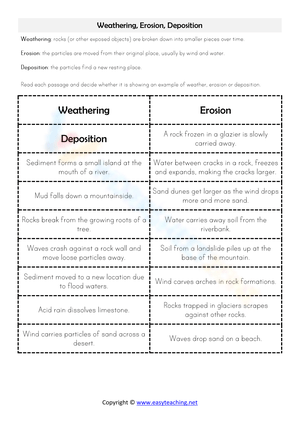
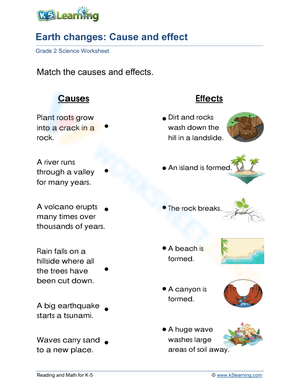
Print-and-go Grade 2 Science worksheet on Earth changes. 6 matching problems with full answer key, zero prep. Aligned to 2-ESS1-1. Access the PDF now for class.
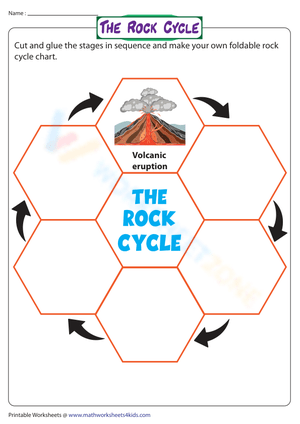
Printable Grade 4 Rock Cycle worksheet for hands-on sequencing. Students create a foldable chart aligned to 4-ESS1-1. Full answer key included. Download today.
If earth rotated form north to south, the North Star would appear to: Remain stationary . An observer took a time exposure photograph of Polaris and five nearby stars. How many hours were required to show these star paths : 4. When observed from a location in New York state for an entire night, Polaris appears to : Remain stationary in the sky . The star Sirius is observed in the evening sky during the month of January. At the end of 3 hours, Sirius will appear to have moved : 45%. On December 21, at which latitude would an observer find the sun directly overhead : . The suns apparent daily movement across the sky is caused by : The earths Revolution around the sun . At which location below would the sun produce at an angle of 23.5 relative to an observers head, at noon on June 21 : 66.5 N. At 40N latitude, for how many days a year is the sun directly overhead at noon : 3. In New York State, to see the sun at noon, one would look towards the : North . The data for month Y were obtained during : December . From September 21 to December 20 in the United States, the direction in which the sun sets: Moves from the west toward the south. In the geocentric model, which motion would occur : The sun would revolve around the earth . The apparent rising and setting of the sun as seen from the earth are caused by the : Rotation of the earth . Which planetary orbit model allows a scientist to predict the exact positions of the planets in the night sky for many years : The planets orbits are ellipses in a heliocentric model
Explore the impact of weathering, erosion, and deposition on Earth's surface. Get this worksheet for a complete understanding now!
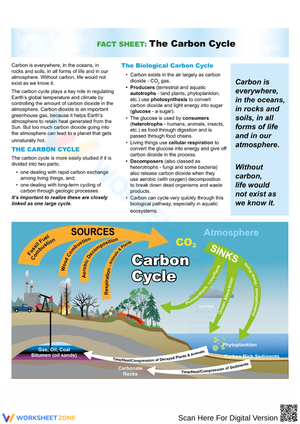
Explore how carbon moves through Earth's systems with this carbon cycle fact sheet. Includes diagrams, real data, and clear breakdowns of biological and geological processes.
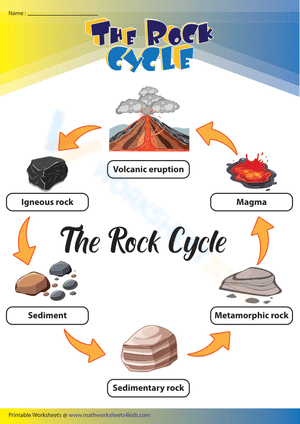
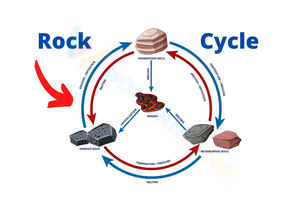
Discover the secrets of the rock cycle, a continuous succession of rock formation, erosion, and reformation with this printable basic rock cycle chart for grade 3 and grade 4 kids.
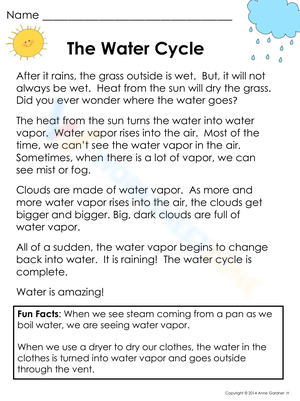
Explore the water cycle with our Earth Science worksheet! Learn about evaporation and condensation. Start exploring today!
Improve Earth science skills with this minerals and rocks worksheet. Includes 30 multiple-choice questions about types, properties, and formation.
Learn about the rock cycle and earth science with this comprehensive worksheet! Understand the geological processes. Study the Rock Cycle and Earth Science now!
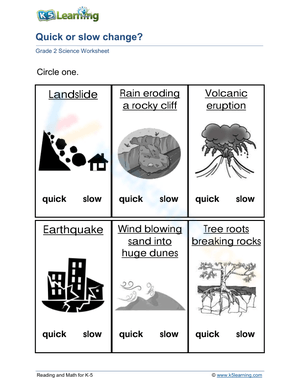
Print-and-go Grade 2 science worksheet on quick and slow Earth changes. 6 problems, full answer key, zero prep. Aligned to NGSS 2-ESS1-1. PDF ready.
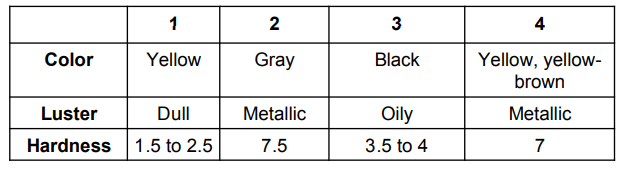
A student has collected a group of rocks. All the rocks collected ________________: are different sizes. Students sorted rocks into 4 groups.The new rock belongs in which group: Group 3. You can touch or feel a rock to describe which of the rock’s characteristics: texture. A student is testing a rock by trying to scratch it with different objects. It is a good test for answering which of the following questions? : What is the hardness of a rock?. The chart shows some properties of four different rocks.Which of the following rocks can be grouped together using their luster: 2 and 4 . A student is investigating the textures of soils. Which soil feels the roughest: sand. Sophia is blindfolded. She feels a soil. It feels powdery, soft, and she cannot feel any particles in between her fingers. What soil is she most likely feeling? : clay. Which is the best type of soil for growing vegetables: loam. Which type of soil feels smooth when you rub it between your fingers: clay. Use the picture to answer the following questionWhich statement explains how the features MOST LIKELY formed: Wind made the arch by weathering rock.. Which BEST describes the action of wind and waves on a beach: They decrease the size of the sand particles.. When water runs down a hill of loose soil, it will cause what change to the soil: Soil from the top of the hill will be moved to the bottom.. Students observed that in one corner of the playground was a patch of smooth, flat soil. After several days, they noticed that ripples had formed across the sand. What was the most likely cause of this change: Wind blowing. What happens when strong winds blow sand against large rocks: Tiny pieces of rock break off.. Dunes are large piles of sand that move slowly on beaches. What causes the dunes to move from place to place? : Blowing winds
This quiz covers geological processes such as weathering, erosion, fossil formation, volcanic eruptions, earthquakes, and the Earth's surface layers, testing knowledge of natural forces that shape landscapes and geological events.
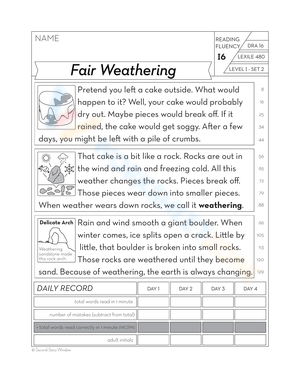
Explore weathering processes with our Earth Science worksheet! Learn about erosion and how landscapes change. Start exploring today! #weathering #earthscience
Get a concise overview of the rock cycle with this worksheet! Learn the basics of rock transformation. Explore the Rock Cycle and its key processes now!
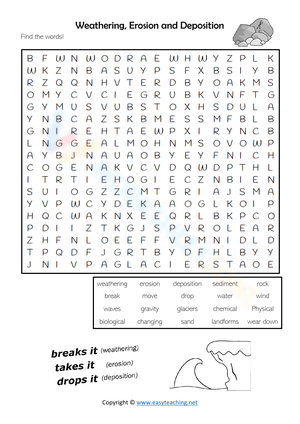
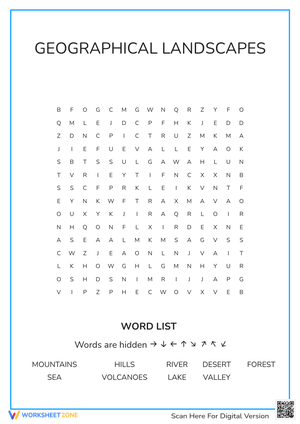
MOUNTAINS, HILLS, RIVER, DESERT, FOREST, SEA, VOLCANOES, LAKE, VALLEY
Find perfect worksheets
Grade + Topic search
Select your Grade level, Topic and Subject to find worksheets instantly or you can use keyword below to search what you need.
Make your own worksheets