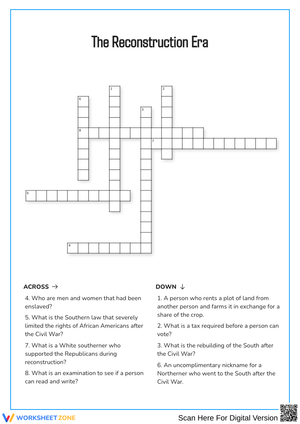
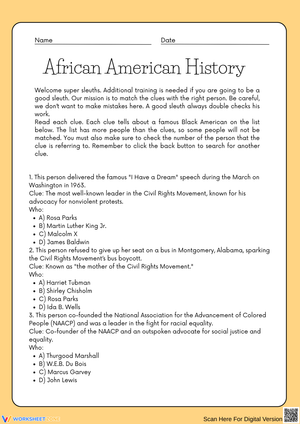
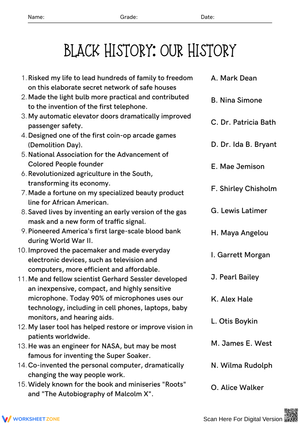
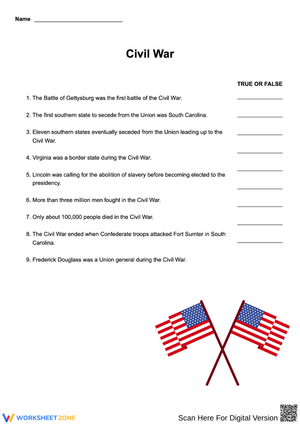
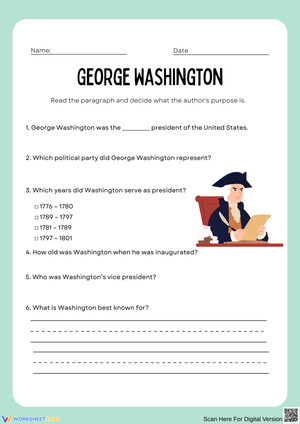
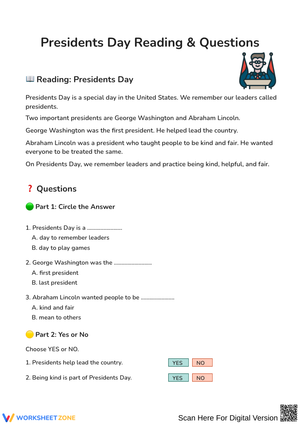
These us history worksheets downloads give teachers a ready-to-print set covering colonial settlement through the modern era — map activities, primary source analysis frames, biographical study sheets, sequencing timelines, and era-based reading responses. Each worksheet stands alone, so you pull exactly what a unit needs rather than committing to a fixed sequence.
The Specific Skills Each Worksheet Targets
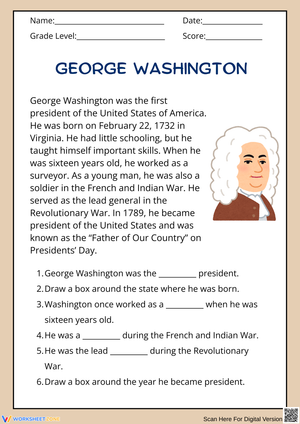
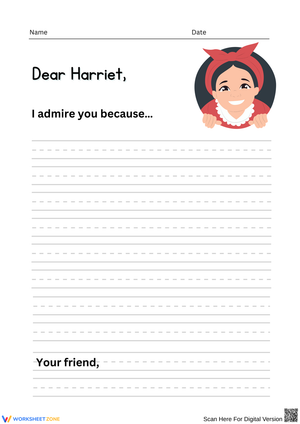
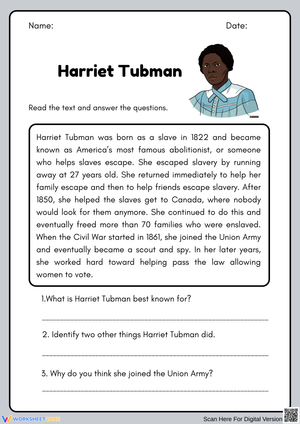
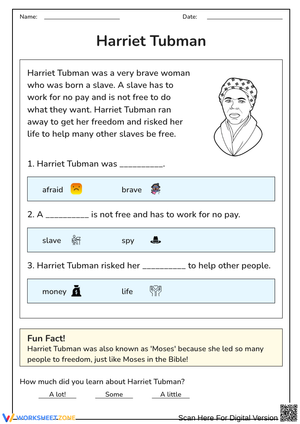
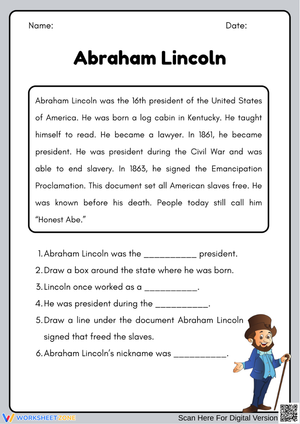
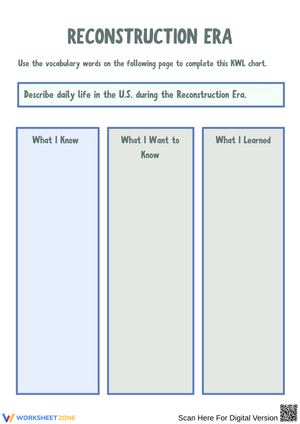
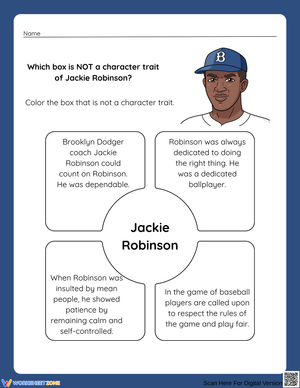
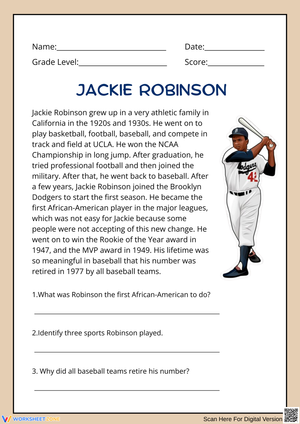
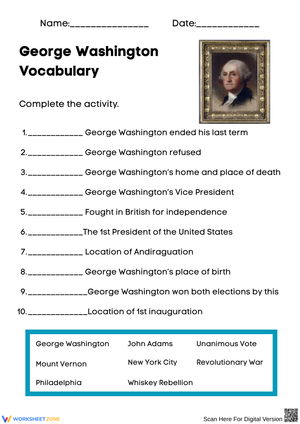
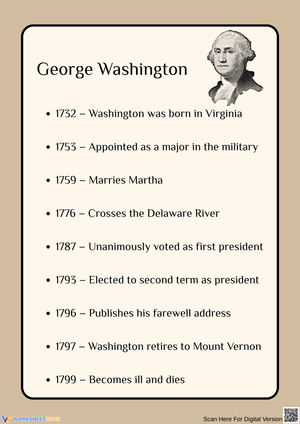
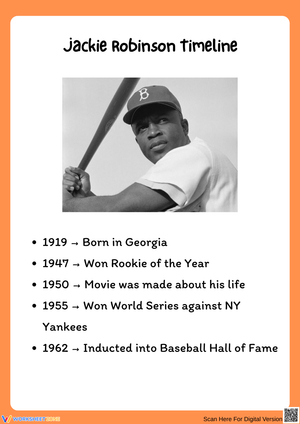
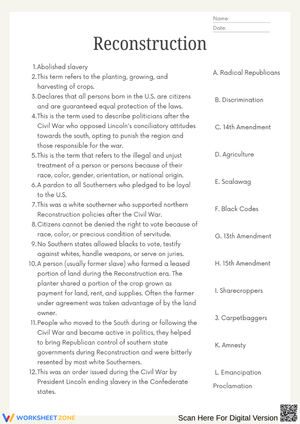
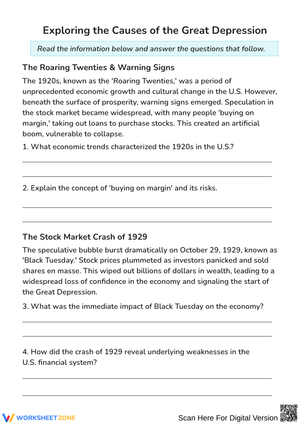
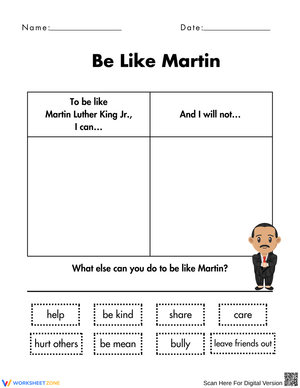
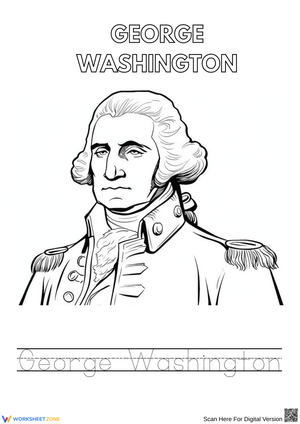
The set moves across five major skill categories. Geography activities ask students to label territorial boundaries, trace expansion routes, or annotate maps showing the division of free and slave states — work that turns abstract political decisions into spatial reality. Timelines require students to sequence events within an era and identify the intervals between them, not just the names of the events themselves. Biographical sketch worksheets present key figures — Harriet Tubman, Frederick Douglass, Andrew Carnegie, Ida B. Wells — and ask students to connect individual choices to the broader historical forces those figures were operating inside. Primary source analysis frames walk students through a structured reading of documents, photographs, and political cartoons, with separate prompts for sourcing, contextualization, and corroboration. Era-based reading response worksheets pair a short excerpt with open-ended analysis questions that require students to identify cause-and-effect relationships and evaluate historical significance.
The eras covered include the Colonial and Revolutionary periods, the Early Republic, the Civil War and Reconstruction, Industrialization and the Gilded Age, the World Wars, the Civil Rights Movement, and the late twentieth century. Teachers working through an eight-week unit can sequence these chronologically; teachers who run thematic units can pull across eras without disruption.
Errors That Surface in US History Classrooms — and What to Watch For
The most persistent error in primary source work is substitution of summary for analysis. A student reading the Gettysburg Address will write "Lincoln said the nation was divided" — restating content rather than asking why Lincoln chose a cemetery dedication as the occasion to reframe the war's purpose. The analysis frames in this set push past that by requiring students to answer a sourcing question before they engage with the document's content, forcing them to register who produced it, when, and for what audience.
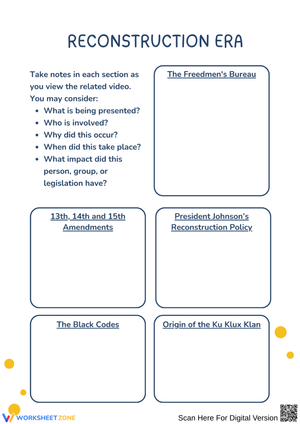
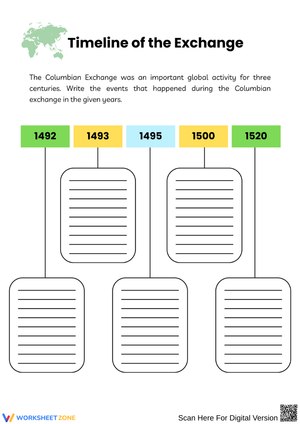
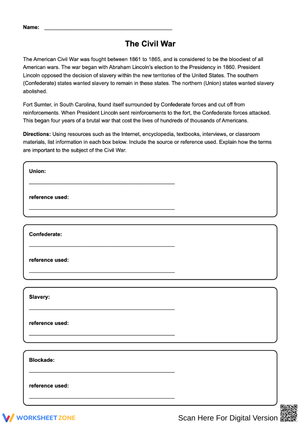
On cause-and-effect work, students frequently write single-factor explanations: "The Civil War happened because of slavery." That answer isn't wrong, but it stops precisely where the historical thinking should begin. The worksheets prompt students to identify at least three contributing factors and rank them by significance, which surfaces the constitutional disputes and economic dependencies that a one-line answer obscures. On timelines, students routinely compress Reconstruction — a twelve-year federal program — into what looks like a brief postscript to Appomattox. Asking them to mark specific dates and calculate the actual duration between events corrects that compression before it solidifies into a lasting misconception.
How to Build These Worksheets Into Your Lesson Plans
Map-based and timeline worksheets work well as Monday openers — students orient themselves to an era before the week's reading begins. Ten minutes at the start of class, no lengthy introduction required; the visual structure carries the task. Primary source analysis worksheets belong later in a unit, after students have enough context to interrogate a document rather than just describe it. Saving a biographical sketch worksheet for Thursday means students are connecting individual figures to events they've spent three days studying, which produces noticeably richer written responses than using that same worksheet on day one.
The era-based reading response worksheets convert cleanly into exit tickets — assign the short excerpt and two of the three questions, collect on the way out the door, and you have a clear picture of where comprehension is breaking down before the next class. Several teachers in middle school settings report using a us history worksheets activity as a Friday review anchor, cycling through one era-based worksheet per week across a semester so that earlier content stays active in students' memory rather than disappearing after the unit test.
Standard Alignment
These worksheets align to the College, Career, and Civic Life (C3) Framework for Social Studies, specifically Dimension 2 standards D2.His.1 (chronological reasoning), D2.His.5 (causation and argumentation), and D2.His.16 (evaluating multiple historical accounts). The primary source analysis frames also address CCSS.ELA-LITERACY.RH.6-8.6 and RH.9-10.6, which require students to identify an author's point of view and distinguish it from the claims being made. In practice, a document analysis worksheet pulls double duty: it satisfies a social studies standard while also accumulating evidence toward the reading-in-content-areas standards that ELA coordinators track on grade-level literacy assessments.
Adjusting Each Worksheet for the Range of Learners in Your Room
For students who freeze when a primary source opens with archaic syntax — the kind of student who reads "We hold these truths to be self-evident" and immediately loses the thread — pair the worksheet with a modern paraphrase or a side-by-side glossary before they annotate the original. This is not a different worksheet; it is a pre-reading support that lets the original document remain the primary text. Students who need that support are easy to identify: they stop writing after the first prompt rather than working through all three.
Advanced learners benefit from extension prompts that require corroboration across two sources. Rather than analyzing one political cartoon from the Gilded Age, they analyze two from different publications and explain where the cartoons agree, where they diverge, and what that divergence reveals about the political landscape of the period. The us history worksheets format makes printing a modified version of the same activity — standard analysis on one, extension questions added on another — straightforward without requiring a separate document library for each ability level.
Frequently Asked Questions
Which grade levels do these worksheets fit?
The set works across grades 5 through 11, depending on how the teacher frames the tasks. A fifth grader completing a colonial-era map activity needs more context-setting than an eighth grader does, but the core task — labeling territories, tracing exploration routes — is appropriate at both levels. The primary source analysis frames are best suited to grades 7 and above, where students have enough reading stamina and background knowledge to work through a full document before responding to analytical prompts.
Do the worksheets come with answer keys?
Each worksheet includes a teacher key. For objective items — timeline sequencing, map labeling, vocabulary matching — the key provides the correct answers directly. For open-ended analysis prompts, the key offers model responses and the specific historical evidence a complete answer should include, which is more useful for grading than a rubric score alone. Teachers grading a stack of primary source worksheets can scan the model response first and quickly identify which student answers are missing the sourcing argument or the contextual claim.
Can these worksheets support test preparation?
The cause-and-effect and primary source analysis activities directly mirror the document-based question format used on AP US History exams and the constructed-response sections of many state-level social studies assessments. Using a us history worksheets activity regularly in the weeks before a standardized assessment gives students repeated practice with the underlying skill — reading closely, attributing a claim, weighing evidence — rather than a single high-stakes exposure. Spaced practice across multiple worksheets produces more durable skill retention than one intensive session the week before the test.












 Interactive Worksheet Maker
 Quiz Maker
 Word Search Maker
 Crossword Puzzle Maker
 Word Scramble Generator
 Sentence Scramble Generator
 Handwriting Worksheet Generator
 Name Tracing Generator
 Fill In The Blank Generator