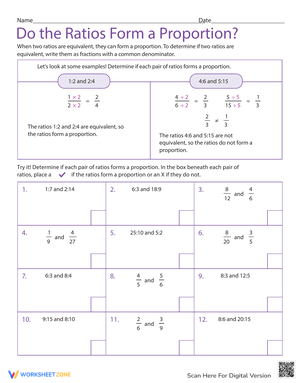
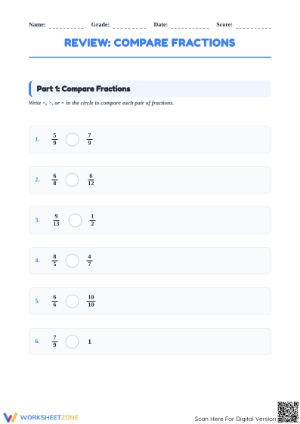
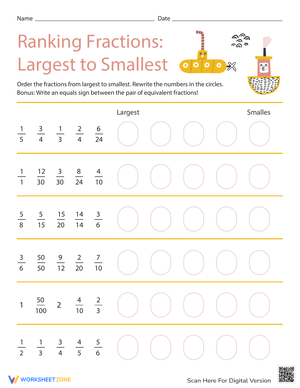
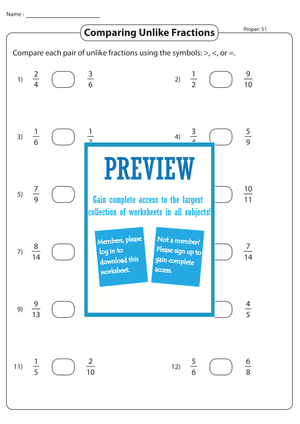
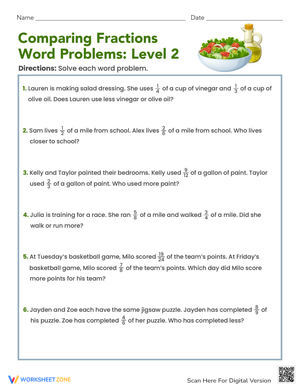
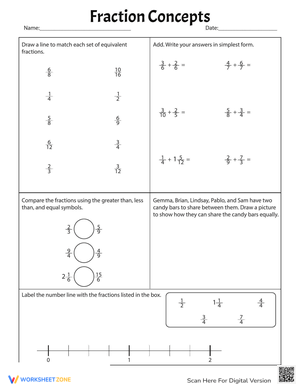
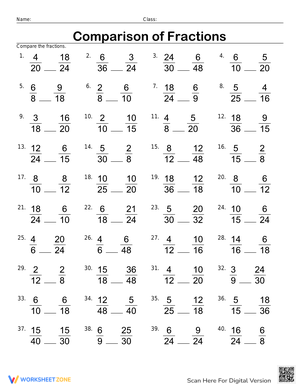
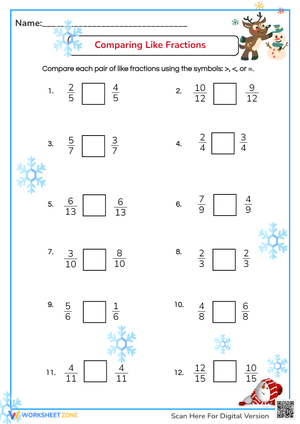
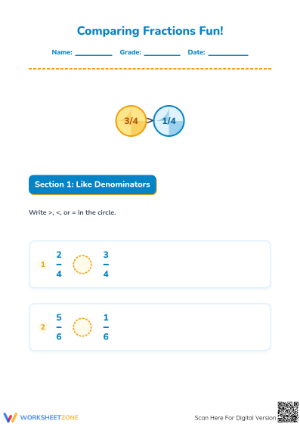
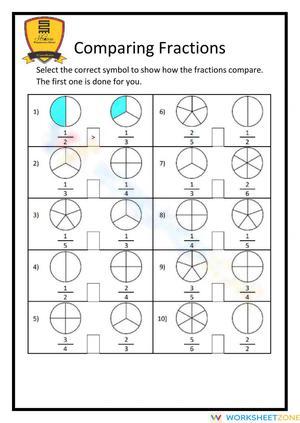
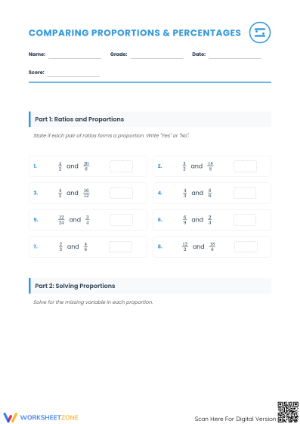
If you teach fractions anywhere between grade 3 and grade 5, you already know that comparing fractions is one of the skills students revisit again and again. It shows up in whole-class lessons, it resurfaces in small-group intervention, and it quietly underlies almost every fraction addition and subtraction problem that follows. Comparing fractions worksheets give you a fast, low-prep way to check whether students can reason about fraction size, not just recite a memorized rule. Used well, they support three different classroom moments at once: initial instruction, targeted practice for students who need more repetition, and a quick formative check before you move on to a harder skill.
How the Standards Build From Grade 3 to Grade 4
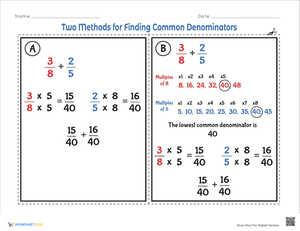
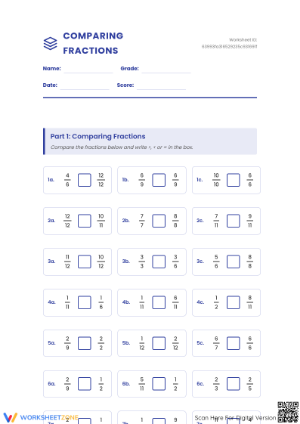
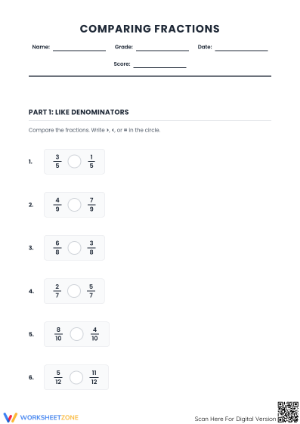
Fraction comparison is not a single skill taught once. It is a progression. In the earlier elementary grades, students compare fractions that share either the same numerator or the same denominator, reasoning informally about which piece is larger or which whole has more pieces counted. By grade 4, the expectation grows considerably. Under CCSS.Math.Content.4.NF.A.2, students must compare two fractions with different numerators and different denominators, which means a common-denominator shortcut is no longer enough on its own. Worksheets that scaffold this jump, starting with matched denominators and gradually introducing unlike denominators, help students build confidence before they hit the harder cases.
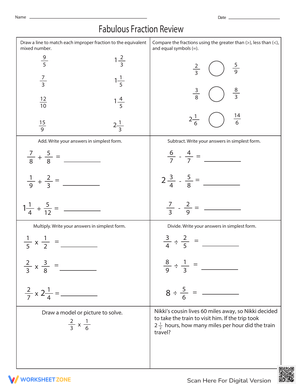
According to CCSS.Math.Content.4.NF.A.2 from the Common Core State Standards Initiative, grade 4 students must compare two fractions with different numerators and denominators using common denominators, common numerators, or benchmark fractions such as one half, then record each comparison with greater than, equal to, or less than symbols. That single standard is doing a lot of work, and it explains why so many comparing fractions worksheets mix multiple comparison strategies on the same page instead of drilling just one method.
Pairing Visual Models With Symbolic Comparison Practice
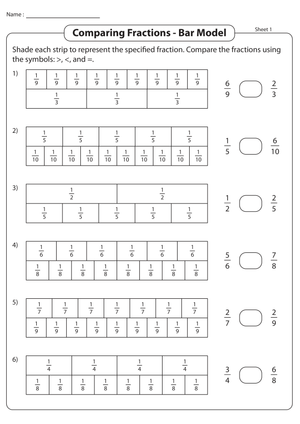
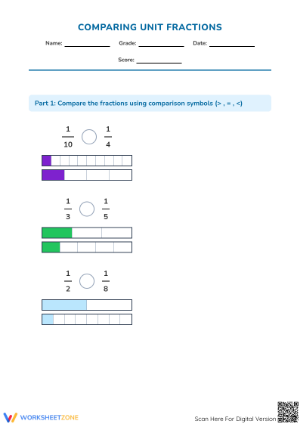
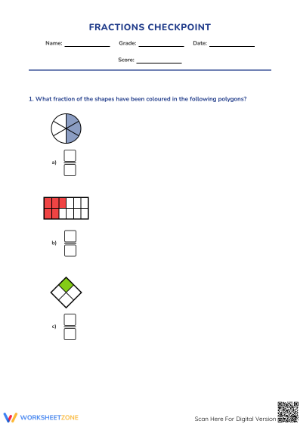
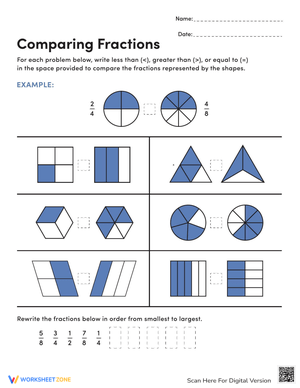
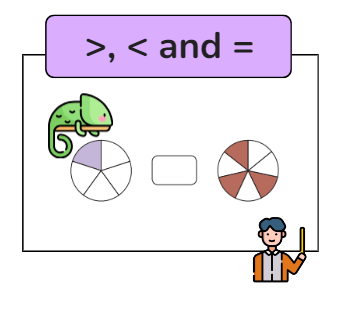
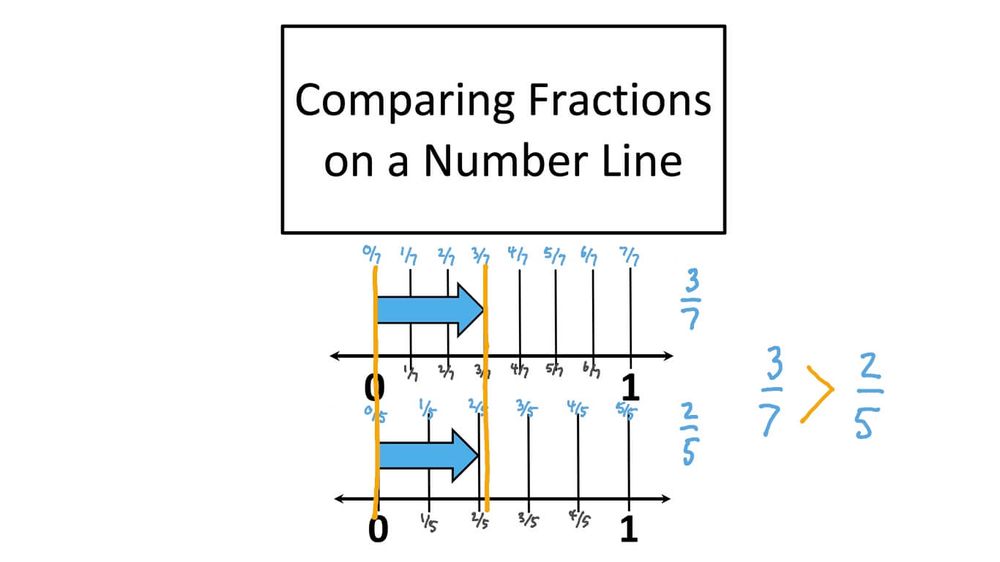
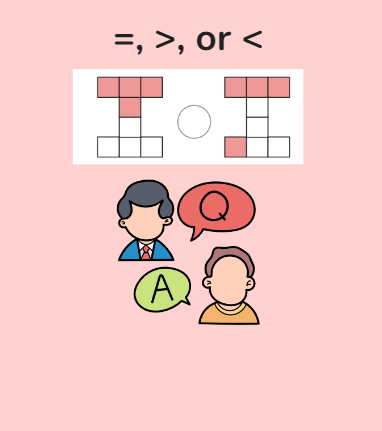
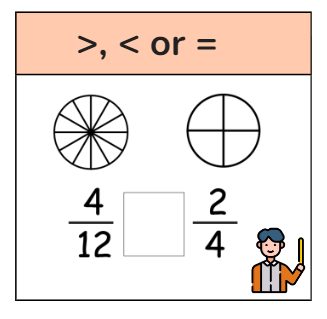
Symbols alone, greater than, equal to, and less than, are easy for students to fill in without real understanding if a worksheet skips the visual step. Strong comparing fractions worksheets pair number lines or area models with the matching symbolic notation, asking students to shade or plot first and then justify the symbol they choose. This combination matters because the standard itself expects students to use visual fraction models to justify conclusions, not just produce a correct answer. A worksheet that asks a student to explain why three-eighths is less than one-half, using a picture as evidence, is doing more instructional work than ten pages of symbol-only comparisons.
Teacher Tips
A few practical habits make comparing fractions worksheets more effective in daily instruction.
- Start each new worksheet with one benchmark question as a warm-up, even if the rest of the page focuses on common denominators.
- Keep wholes visually consistent across any printed models so the same-whole misconception does not creep into your materials.
- Use a short three-question worksheet as an exit ticket to decide, on the spot, which students need a small-group reteach the next day.
- Rotate between grade 3 style same-denominator items and grade 4 style unlike-denominator items for students who are transitioning between grade levels or catching up after gaps in instruction.
None of these habits require new materials, just a more intentional sequence for the worksheets you already plan to use.
Frequently Asked Questions
1. What grade level should introduce comparing fractions with unlike denominators?
Comparing fractions with different numerators and different denominators is a grade 4 expectation under CCSS.Math.Content.4.NF.A.2. Grade 3 instruction focuses on the simpler case of matching numerators or matching denominators, which sets up the more demanding grade 4 skill.
2. What strategies help students compare fractions without finding a common denominator every time?
Benchmark fraction reasoning, comparing each fraction to one half or to one whole, lets students judge relative size quickly. Common numerator comparisons are another shortcut, since students can reason about which denominator produces a smaller piece.
3. How can teachers use comparing fractions worksheets for progress monitoring or intervention groups?
A short worksheet focused on one strategy at a time, given as a quick check every week or two, shows whether a student has moved from benchmark reasoning to reliable use of common denominators, which is useful data for intervention grouping.
4. What is a common misconception students have when comparing fractions?
Students often judge fraction size by the visual size of a model rather than the value of the fraction itself, especially when the wholes being compared are different sizes. Keeping compared wholes the same size on a worksheet helps prevent this error.













 Interactive Worksheet Maker
 Quiz Maker
 Word Search Maker
 Crossword Puzzle Maker
 Word Scramble Generator
 Sentence Scramble Generator
 Handwriting Worksheet Generator
 Name Tracing Generator
 Fill In The Blank Generator