Why kindergarten early literacy tracing worksheets belong in reading time
Kindergarten early literacy tracing worksheets printable sets work best when teachers treat them as reading tools, not just pencil practice. In this grade band, students are learning how print works, how letters connect to sounds, and how spoken language moves onto a page. A well-designed tracing page lets them rehearse those moves with enough structure to stay successful and enough repetition to build confidence. That makes these printables useful during centers, small-group instruction, intervention, and short take-home review.
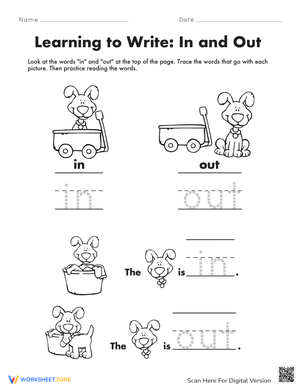
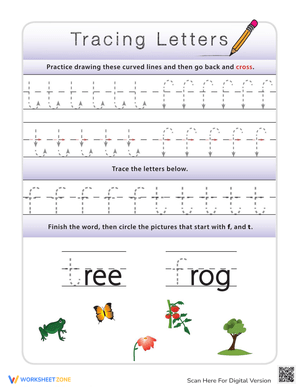
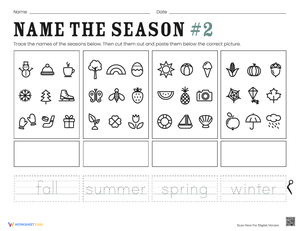
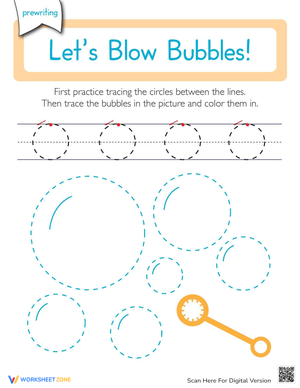
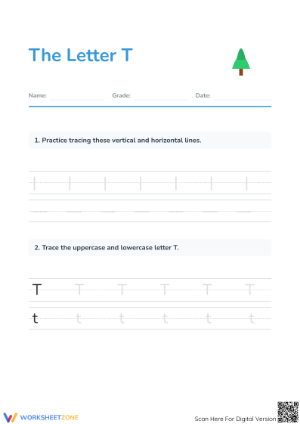
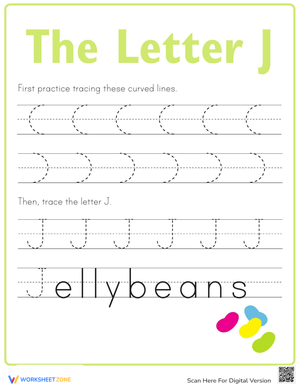
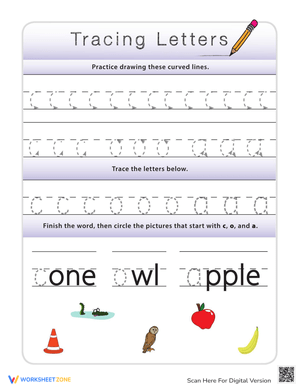
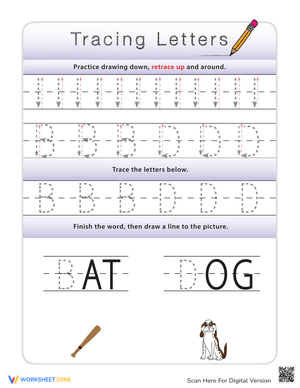
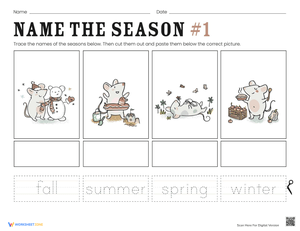
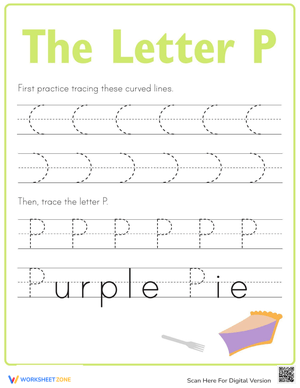
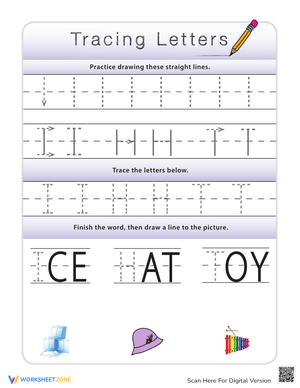
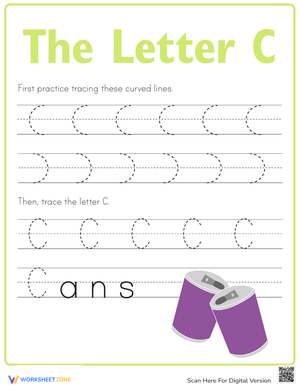
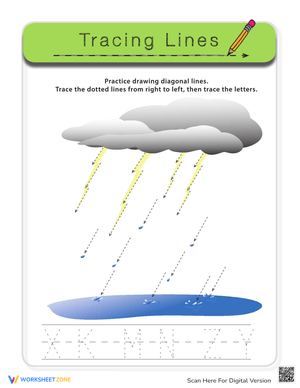
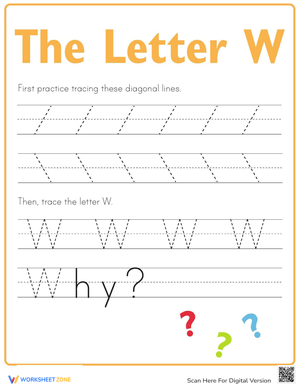
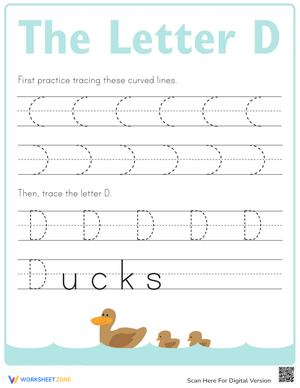
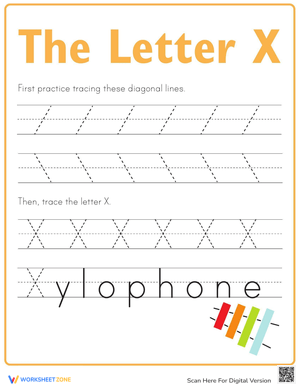
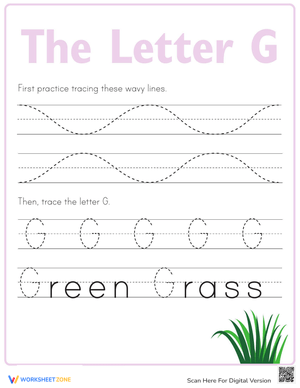
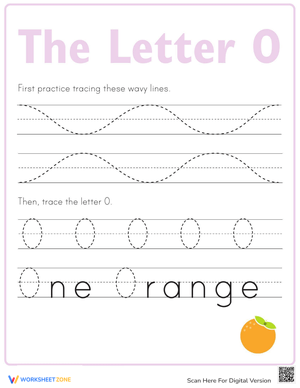
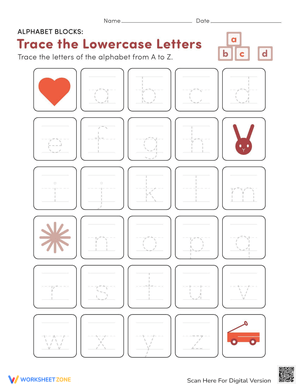
For classroom planning, the strongest sets move in a clear sequence. Students may begin by tracing lines and directional strokes, then trace uppercase and lowercase letters, then trace high-utility words, labels, or short phrases tied to a phonics focus. That progression matters because tracing has more value when it supports recognition, sound work, and print concepts at the same time.
What effective tracing printables should include
Not every printable supports kindergarten literacy equally well. The most effective pages use simple layouts, clear letter models, and enough spacing for developing fine-motor control. Students should be able to see where to begin, how to move across the page, and what the traced item represents in reading instruction. Overloaded pages often create fatigue before they produce useful practice.
An expert-level planning move is to sort tracing pages into 3 instructional bands: strokes and directionality, letters and sounds, and words in context. That sequence helps teachers match a worksheet to the exact barrier a student is showing. If a child can name letters but loses left-to-right tracking, a word-tracing sheet is too advanced; a print-awareness page is the better fit.
- Clear models: Letters should be easy to read and visually consistent across the page.
- Manageable space: Students need room to trace without cramped lines or crowded prompts.
- Reading-linked tasks: Pages should connect tracing to letter naming, sound matching, labels, or simple words.
- Short completion time: A useful page can usually be completed in a few minutes and checked quickly.
When reviewing printable options, teachers should also ask whether the page supports independence. If directions are obvious and the task is visually stable, the worksheet can function in centers or morning work without constant redirection.
Which early literacy skills tracing can reinforce
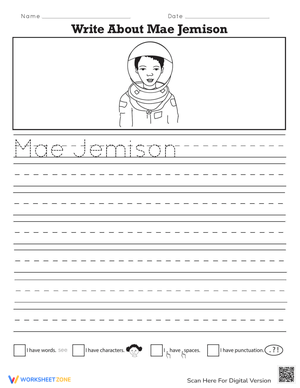
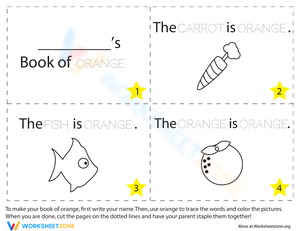
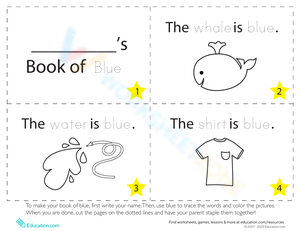
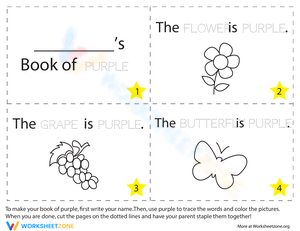
Tracing can support several kindergarten goals when the worksheet content is chosen carefully. Print awareness is one of the first. Students notice that print carries meaning, that English text moves left to right, and that letters and words have distinct forms on the page. A tracing task with labels, names, or short patterned phrases can reinforce those ideas while still staying developmentally appropriate.
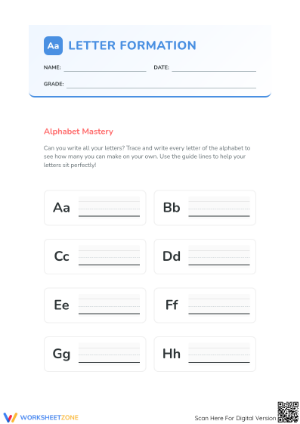
Reading Rockets, in Letters and the Alphabetic Principle, describes letter knowledge as connected to recognizing letter shapes, naming letters, and linking them to sounds. That 3-part frame matters in worksheet design: a tracing page has more instructional value when students say the letter name and sound while they trace, rather than tracing silently.
Early writing behaviors also fit naturally here. In How Do I Write...? Scaffolding Preschoolers' Early Writing Skills, Reading Rockets emphasizes scaffolds that help young learners move from marks on a page toward intentional writing. Tracing gives kindergarten students a supported way to rehearse controlled marks, copy print forms, and build stamina for independent writing tasks that come later in the year.
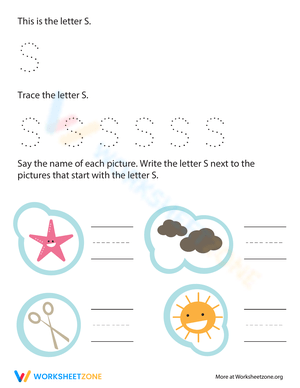
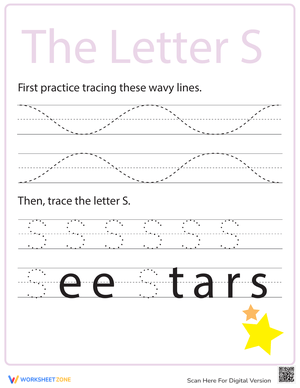
Teachers can also use tracing to strengthen beginning phonics work. A worksheet that asks students to trace m, trace map, and then identify the initial sound is doing more than handwriting practice. It is helping students connect symbol, sound, and meaning in one short routine.
How to pair tracing with print awareness and phonics instruction
Tracing pages are most effective when they are embedded in a routine, not assigned in isolation. One practical pattern is an I do, we do, you do sequence. First, the teacher models the target letter or word and names what students should notice. Next, the class traces together while saying the sound or describing the print feature. Finally, students complete a short independent row or follow-up task.
This approach fits well with source-guided kindergarten instruction. Print Awareness Activities for Your Pre-K Child from Reading Rockets highlights how children learn from noticing books, words, spacing, and directionality. Phonics and Decoding: Activities for Your Kindergartener points toward direct practice with sound-symbol relationships. A tracing page can sit between those goals by letting students physically rehearse the exact print they are learning to read.
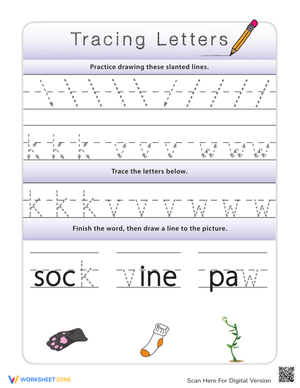
Teachers often get better results when tracing is followed by one quick transfer move. After tracing a target letter, students can circle that letter in a word list. After tracing a CVC word, they can say the sounds and identify the beginning phoneme. After tracing a label under a picture, they can match the label to another image at the table. Those small extensions keep the worksheet tied to authentic literacy work.
Classroom Implementation
In most kindergarten rooms, these worksheets are best used in short bursts rather than long blocks. A 5- to 8-minute center, a warm-up before guided reading, or a quiet follow-up after a mini-lesson is usually enough. The printable should feel like a focused rehearsal task, not the entire lesson. That pacing helps students keep accuracy high and frustration low.
A practical weekly setup is to assign one purpose to each day. Monday can focus on stroke patterns or directionality. Tuesday can target one or two letters. Wednesday can add letter-sound production. Thursday can move into simple words or labels. Friday can be review or a quick check for students who need another pass. Using a repeating structure makes worksheet use more efficient for teachers and more predictable for students.
For intervention groups, narrow the page to the smallest needed skill. If students are confusing similar letter forms, use tracing with immediate verbal naming. If they know letters but are not holding onto first sounds, use tracing with a sound prompt after each item. If print concepts are weak, choose pages with short lines of text, labels, and obvious left-to-right orientation.
How to differentiate without creating extra prep
Differentiation does not require a separate packet for every student. In many classrooms, it is enough to keep 3 versions of the same tracing target: a larger-print version, a standard version, and a version with a short extension. That way, the class can stay on the same literacy focus while students work at different entry points.
- For emerging learners: Use fewer items per row, larger models, and verbal cueing built into the routine.
- For on-level learners: Pair tracing with naming, sound production, or a quick match task.
- For students ready for more: Add a transfer prompt such as writing the letter from memory or reading the traced word back.
What teachers can learn from worksheet performance
Good kindergarten tracing printables produce useful observational data. If a student traces accurately but cannot name the letter, the issue is not formation alone. If the student names the letter but loses directionality across the page, print awareness may need more direct attention. If tracing a word is smooth but sound production is weak, the teacher may need to reteach the phonics link rather than assign more motor practice.
That is why printable worksheets can support formative assessment in addition to practice. During a five-minute rotation, teachers can watch pencil grip, starting point, left-to-right tracking, letter naming, and sound recall. Those observations help determine whether the next lesson should focus on alphabet review, phonological awareness, early writing support, or simple decoding work.
Used this way, worksheets are not filler. They become quick evidence tools that reveal whether a student needs more modeling, more repetition, or a different task entirely.
Frequently Asked Questions
1. What early literacy skills can tracing worksheets support in kindergarten?
They can support print awareness, letter knowledge, early phonics connections, and early writing behaviors when the page asks students to do more than trace silently. The best worksheets connect tracing to naming letters, producing sounds, reading simple words, or tracking print across a line.
2. How often should kindergarten students use tracing worksheets?
Short, frequent use is usually better than long sessions. In many classrooms, a few minutes several times a week is enough to reinforce a specific literacy target without turning tracing into disconnected seatwork.
3. Are tracing worksheets only for handwriting practice?
No. They are most effective when they reinforce reading-related skills at the same time. A worksheet can support handwriting, but it can also strengthen alphabet knowledge, sound-symbol matching, print concepts, and early word reading.
4. What should teachers look for in a printable early literacy tracing worksheet?
Look for clear print models, enough space for young writers, a narrow skill focus, and a direct connection to literacy instruction. The strongest kindergarten early literacy tracing worksheets printable sets move from strokes to letters to simple words and fit easily into centers, intervention, or review.