Why concepts of print tracing worksheets matter in kindergarten
Teachers looking for concepts of print tracing worksheets pdf for kindergarten usually need something more focused than general handwriting practice. In a kindergarten reading block, print awareness is about helping children understand how text works on a page. Students need repeated chances to track words from left to right, return to the next line, notice where one word ends and the next begins, and see that print carries the message they are reading aloud. A well-designed tracing page supports those goals because it slows students down enough to look carefully at letters, words, spaces, and sentence patterns.
That makes this worksheet type especially useful in early literacy centers, intervention folders, morning work tubs, and quick reteach groups. Instead of filling time with disconnected tracing strokes, teachers can use print-focused pages to reinforce real reading behaviors. The strongest kindergarten pages keep the text short, visual, and predictable so students can attend to print conventions without being overwhelmed by decoding demands.
Which print concepts these pages should reinforce first
For kindergarten, the priority is not covering every possible book-handling skill in one packet. It is better to use tracing pages that repeatedly target a small set of foundational understandings. The most useful concepts of print tracing worksheets usually help students practice:
- Directionality: moving eyes and fingers from left to right and top to bottom.
- Concept of word: recognizing that spoken words match separate printed words.
- Spacing: noticing the blank spaces that separate words in a sentence.
- Letters versus words: understanding that a word is made of letters but is not the same thing as a single letter.
- Sentence boundaries: seeing where a simple sentence begins and ends.
These are the print behaviors that transfer directly into shared reading, sentence dictation, and predictable text routines. When a worksheet asks students to trace a title, trace a short sentence, circle the first word, or point to spaces between words before tracing, it is doing more than building pencil control. It is helping students organize what print means and how it behaves.
How tracing supports print awareness instead of just fine motor work
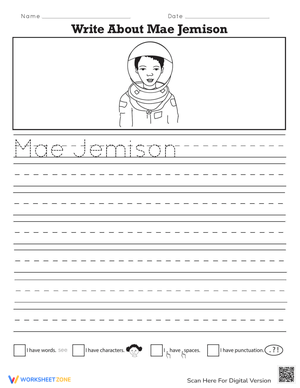
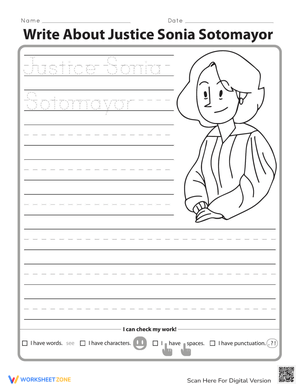
Tracing becomes instructionally useful when it asks children to follow meaningful print. A line-tracing page may help with hand control, but it does not automatically teach reading concepts. By contrast, a concepts of print tracing worksheet can direct attention to the title at the top of the page, a one-line sentence in the middle, and a return sweep when the text continues below. That kind of layout gives teachers a simple bridge from oral language to visible print.
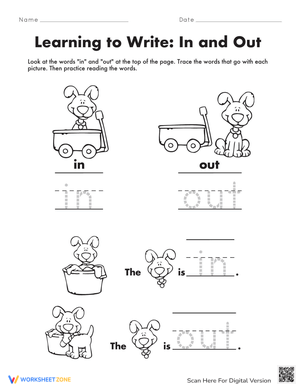
Students also benefit from repetition. Tracing the same sentence pattern several times, such as a color sentence or a picture-supported statement, can strengthen one-to-one matching and word awareness. Because the text is short, teachers can prompt before, during, and after tracing: point to the first word, count how many words are in the sentence, identify the space between two words, and tell where to start reading. Those are high-value moves in kindergarten because they connect worksheet practice to live reading behaviors.
Reading Rockets: Basics - Print Awareness explains that print awareness includes knowing that print carries meaning and follows predictable conventions in text. For kindergarten teachers, that claim matters because it shifts tracing practice away from isolated marks and toward visible sentence features students will meet every day in books and charts.
What strong worksheet pages look like
Not every printable page labeled for early literacy is equally helpful. The best concepts of print tracing worksheets pdf for kindergarten are visually clean and narrow in purpose. They usually include one short task on a page, a readable font, generous spacing, and text that children can say aloud before they trace it. That design keeps the cognitive load on the print concept instead of on directions or crowded visuals.
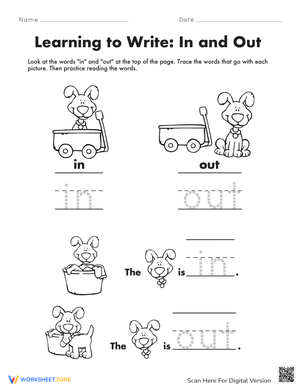
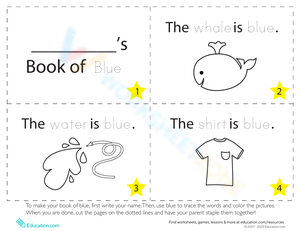
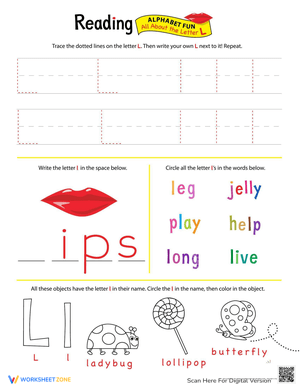
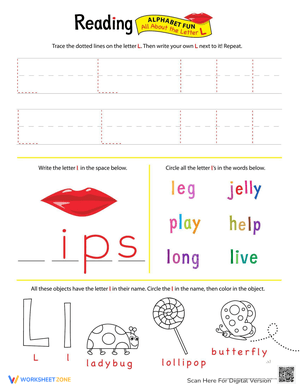
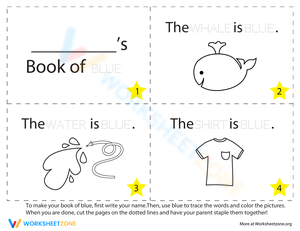
Strong pages often include activities such as tracing a book title, tracing a patterned sentence, marking the first word, counting words in a line, or tracing sentences that pair a picture with a predictable frame. Teachers can also look for pages that separate letters and words clearly. If a student can trace a word and then identify how many letters it contains, the page is supporting both print awareness and early alphabet knowledge without confusing the two.
Classroom Implementation
These worksheets fit best when they are attached to a routine. In whole group, a teacher might model how to track a sentence with a finger, identify the first word, and notice the spaces before students trace independently. In small groups, the same page can become a quick reteach tool for children who still need support with where to begin reading or how words are separated. In literacy centers, a familiar page format lets students practice independently because the expectations stay stable even when the text changes.
There are several classroom uses that make this format efficient:
- Morning work: one short tracing page reinforces print conventions before the reading block starts.
- Center rotation: students complete a familiar task while the teacher runs guided reading or intervention.
- Take-home review: a simple PDF page gives families a clear script for pointing to words and spaces.
- Intervention folders: targeted pages can be grouped by skill, such as spacing or concept of word.
- Exit check: one page can show whether a student starts at the correct spot and tracks accurately.
To keep the work purposeful, teachers should use oral prompts alongside the tracing. Ask students to tap each word before tracing, sweep back to the next line when needed, and explain how they know where the sentence ends. Those quick language routines make the worksheet a reading support, not just a pencil task.
Using these worksheets for assessment and intervention
Concepts of print worksheets can also support informal assessment. A teacher does not need a long testing session to learn whether a child understands where to start, how to move across a line of print, or how to distinguish a letter from a word. A short one-on-one interaction with a tracing page can reveal which students need more modeling and which are ready for more complex text handling.
Reading Rockets: Concepts of Print Assessment notes that these skills can be checked one-on-one at the start of kindergarten and again mid-year. Those 2 checkpoints give teachers a practical timeline for spotting gaps early and measuring whether targeted print-awareness practice is paying off.
For intervention, it helps to keep the task tightly matched to the missing skill. If a student struggles with spaces, choose pages that emphasize counting words and locating the blank gaps. If the issue is directionality, choose pages with short lines and clear starting points. If concept of word is the weak area, use predictable sentences students can say aloud while matching spoken and printed words. This kind of narrow targeting usually works better than assigning a large mixed-skill packet.
Why sentence-level tracing often works better than isolated tracing
One of the most effective shifts teachers can make is moving from tracing single letters to tracing complete, highly controlled sentence lines when the goal is print awareness. Sentence-level tracing gives children three visual anchors at once: where print starts, how spaces separate words, and where the thought ends. That combination is more instructionally valuable than a page of disconnected strokes because it mirrors the actual unit of print students meet in shared reading.
Reading Rockets: Concepts of Print - Ideas for Teachers supports this classroom logic by emphasizing direct work with titles, words, and book language during early literacy instruction. In practice, that means the highest-value worksheet pages are the ones that let students rehearse real print features they will encounter on anchor charts, decodable pages, and patterned classroom books.
Frequently Asked Questions
1. What are concepts of print for kindergarten?
Concepts of print are the early understandings that help children know how print works. In kindergarten, that includes knowing that print carries meaning, tracking from left to right and top to bottom, identifying words and spaces, and noticing where a sentence begins and ends.
2. How do tracing worksheets support print awareness?
They support print awareness when students trace meaningful text instead of only lines or letters. A strong page asks children to attend to titles, words, spaces, and sentence patterns while using finger tracking and teacher prompts to connect spoken language to print.
3. Which print concepts should kindergarten students practice first?
Start with directionality, concept of word, spacing, and distinguishing letters from words. Those skills are the most useful for shared reading, sentence work, and early decoding routines, so they give teachers the best payoff during the first part of kindergarten.
4. Can concepts of print worksheets be used for assessment or intervention?
Yes. Teachers can use them for quick one-on-one checks, small-group reteaching, and intervention folders. Because the pages are short and focused, they make it easier to see whether a student can track print correctly, identify spaces, and match spoken words to printed words.












 Interactive Worksheet Maker
 Quiz Maker
 Word Search Maker
 Crossword Puzzle Maker
 Word Scramble Generator
 Sentence Scramble Generator
 Handwriting Worksheet Generator
 Name Tracing Generator
 Fill In The Blank Generator