Why kindergarten reading tracing worksheets fit early literacy blocks
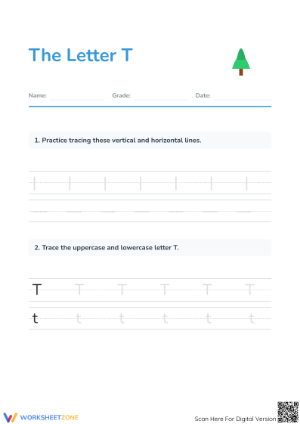
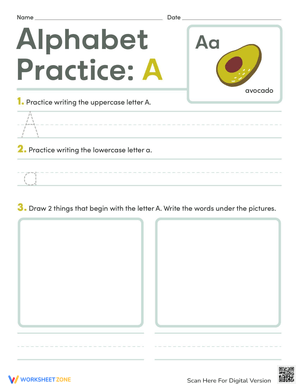
Kindergarten reading tracing printable worksheets work best when they are treated as a short, focused part of reading instruction rather than a stand-alone handwriting page. In a kindergarten classroom, students are still building print concepts, phonological awareness, phonics, word recognition, and the habits needed to read simple text with confidence. A tracing page can support that work when it asks children to notice letters, say sounds, track print left to right, and connect a printed word to a picture or familiar classroom topic.
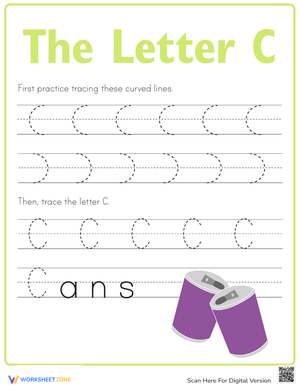
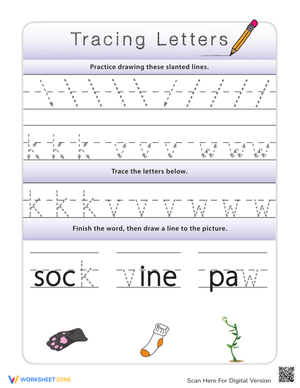
What strong kindergarten reading tracing pages should include
The best pages keep the reading demand appropriate for beginning readers. That usually means large, clear print, uncluttered spacing, visual support, and words or short phrases that connect directly to skills already taught. In kindergarten, tracing should not overload students with long directions or too many targets on one page. A clean page helps teachers see whether a child is tracing carefully, recognizing the text, and staying engaged.
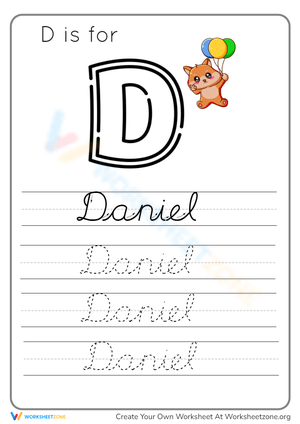
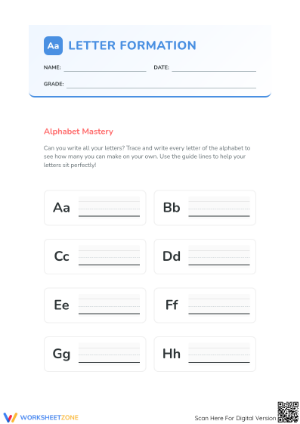
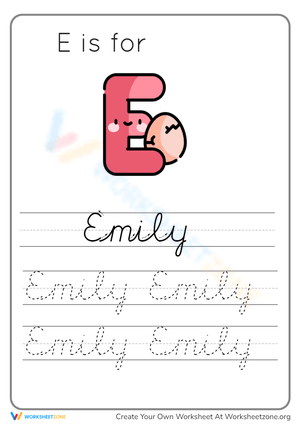
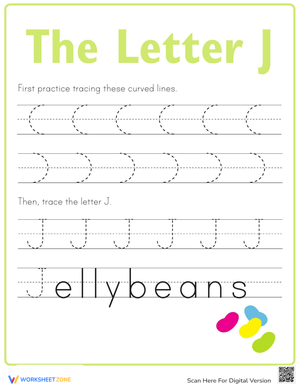
- Letter and word focus: one letter, one word family, or a short set of high-utility words.
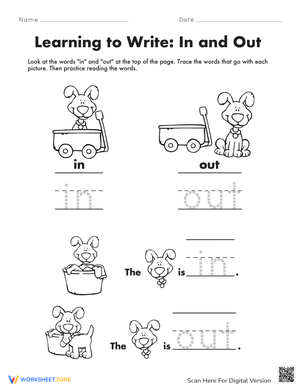
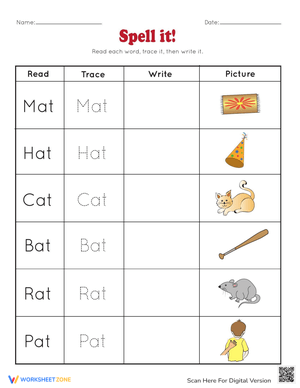
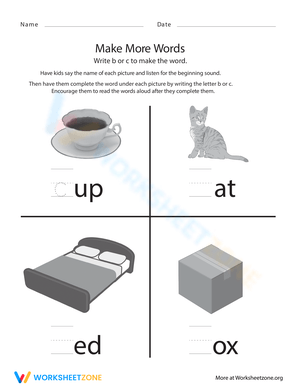
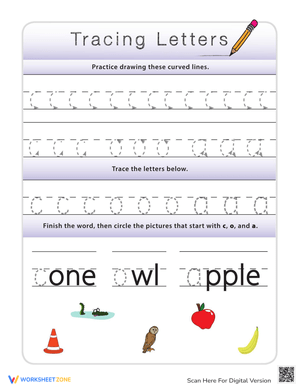
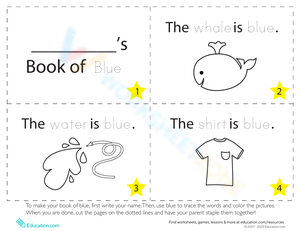
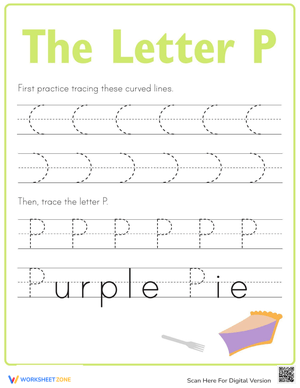
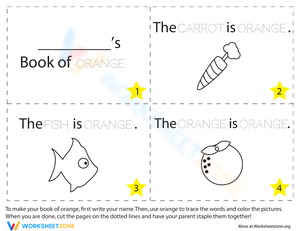
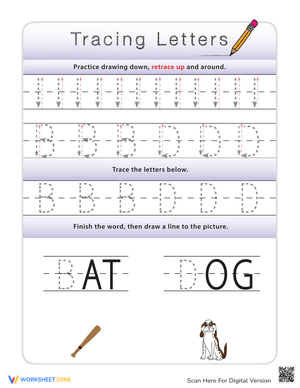
- Picture support: simple images that make the traced word meaningful and help confirm recognition.
- Repeatable practice: enough repetition for fluency, but not so much that the page becomes mechanical.
- Readable fonts: print forms that match classroom handwriting expectations.
- Fast printing: black-and-white layouts that work for centers, homework folders, and substitute plans.
When those features are present, tracing becomes part of literacy practice. Students are not just moving a pencil over dotted lines; they are matching speech to print, noticing letter shapes, and rehearsing words they need to read again later.
Which reading skills these worksheets can reinforce
Teachers often select tracing worksheets because they let several beginner skills travel together on one page. A student may trace a letter, name it, say its sound, read a word that begins with it, and then point to a picture that confirms meaning. That sequence is short, but it supports efficient review in a kindergarten setting.
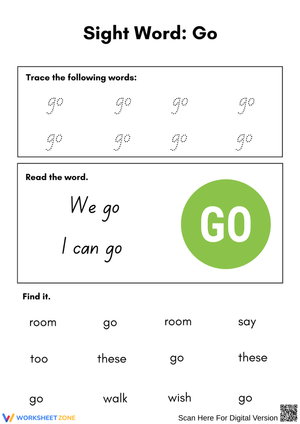
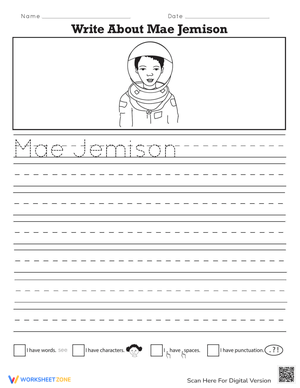
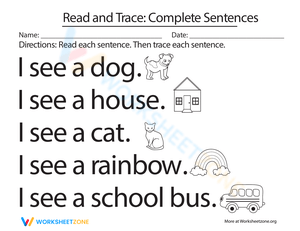
For reading instruction, the most useful tracing pages reinforce letter recognition, sound-symbol connection, print directionality, spacing between words, and quick recognition of highly familiar words. Some pages also help with oral language because students can say the traced word aloud before or after writing it. If the worksheet includes a very short phrase, teachers can model one-to-one tracking with a finger and have students reread after tracing.
This is especially helpful for children who still need repeated exposure to common words and predictable print patterns. A tracing worksheet does not replace explicit phonics or read-aloud instruction, but it can give students another chance to rehearse what has already been taught in a format that feels manageable.
How tracing supports reading, not just handwriting
It is easy to assume tracing belongs only in handwriting time, but that misses how early literacy develops in kindergarten. Young students are learning to control a pencil and interpret print at the same time. When a page asks them to trace a meaningful word, they are practicing visual attention to letter order while also strengthening the motor routine needed to write those forms on their own later.
A useful instructional move is to keep the traced text just below a student's full independent writing level but fully within their oral reading range. That balance reduces copying fatigue while keeping attention on the printed pattern. In practice, teachers often get better evidence of word recognition from tracing pages with 3 to 5 familiar targets than from a longer mixed-skill worksheet.
Citation capsule: The Common Core State Standards for Reading Foundational Skills in Kindergarten and the IES/WWC practice guide on foundational reading both point instruction toward early print concepts, phonological awareness, and decoding routines. That matters here because a 3-to-5-word tracing set can reinforce those beginning reading behaviors during brief daily review.
In other words, tracing is most effective when it sits inside a larger literacy routine: hear the word, see the word, trace the word, read the word again. That sequence keeps the page anchored to reading goals instead of turning it into isolated seatwork.
Classroom Implementation
In a classroom literacy block, these worksheets are most effective as short practice tasks with a clear purpose. Teachers can place one page in a center after direct instruction on a letter, sound, decodable pattern, or a small set of sight words. Because the format is predictable, students can complete the work with less teacher support, which makes it practical during guided reading or intervention groups.
There are several strong ways to use kindergarten reading tracing printable worksheets across the week. On Monday, introduce the target words and model how to say each one before tracing. Midweek, use the same type of page in a center so students revisit the print pattern independently. On Friday, send one home or place it in a review bin to check whether the student still recognizes the target without heavy prompting.
- Morning work: a calm review connected to the current phonics or reading target.
- Literacy centers: independent practice while the teacher meets with a small group.
- Intervention: a narrow set of letters or words for extra repetition.
- Take-home packets: quick review that families can understand without long directions.
Teachers usually get better results when they keep timing tight. Five to eight minutes is often enough. If students spend too long on the page, the reading purpose gets buried under stamina issues and off-task behavior.
How to choose or differentiate the right worksheet set
Not every kindergarten class needs the same tracing materials at the same time. In the first part of the year, many students need larger tracing lines, isolated letters, and obvious picture cues. Later, some students are ready for simple CVC words, repeated sight words, or short patterned phrases. The best worksheet set is the one that matches the current reading target and removes distractions.
For differentiation, teachers can sort tracing pages into three practical levels. One level focuses on single letters with picture support. A second level traces simple words connected to known sounds or classroom themes. A third level uses short phrases for students who are already tracking print and recognizing several common words automatically. This keeps the task aligned to kindergarten expectations without pushing children into text they are not ready to read.
It also helps to check whether the worksheet font, line spacing, and word choice match your school's handwriting and foundational reading routines. Consistency matters in kindergarten. When the worksheet looks like the alphabet cards, pocket chart text, and board modeling students already see, transfer is smoother.
What teachers can learn from student work on these pages
A tracing worksheet can also act as a quick formative check. The finished page will not tell you everything about a child's reading development, but it can reveal useful patterns. Teachers can look for whether a student starts at the correct point, tracks letters in sequence, recognizes the picture-word match, and reads the traced item back with confidence.
Some student errors are especially informative. A child who traces neatly but cannot name the word may need more word recognition practice than fine-motor support. A child who says the word correctly but loses place while tracing may need more modeling around print directionality. A child who rushes through every line may need fewer repetitions and more oral reading attached to the task.
That is why these pages work well in data folders, center check bins, or quick conference stacks. They are simple, but they can still help teachers decide who is ready to move from tracing to copying, who needs more support with familiar words, and who should practice the same target in a different format.
Frequently Asked Questions
1. What should kindergarten reading tracing worksheets include?
They should include clear print, simple letters or words, visual support, and enough repetition to rehearse a taught reading skill. The strongest pages connect tracing to print awareness, word recognition, or phonics review rather than treating handwriting as a separate task.
2. Are tracing worksheets useful for reading or only for handwriting?
They can support both. In kindergarten, tracing is useful when students say the sound, read the word, or track the phrase as they write. That keeps the worksheet tied to foundational reading goals instead of making it a pencil-control task only.
3. How often should teachers use tracing printables in kindergarten?
Most classrooms do well with short use several times across the week rather than one long session. A 5-to-8-minute routine in centers, morning work, or intervention is usually enough to provide review without taking too much time from direct reading instruction.
4. Can these worksheets help with sight words and letter recognition?
Yes, if the targets are already taught and the page stays focused. Tracing familiar letters, simple words, or short repeated phrases can strengthen recognition, reinforce left-to-right tracking, and give students another chance to read the item after writing it.