Why These Printables Fit Kindergarten Reading
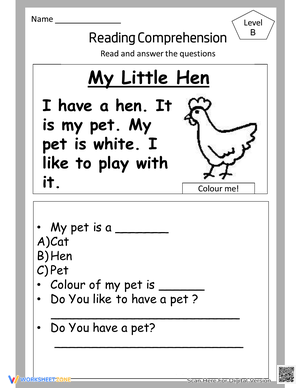
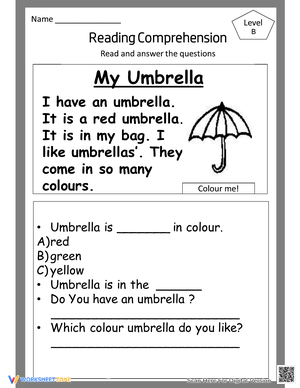
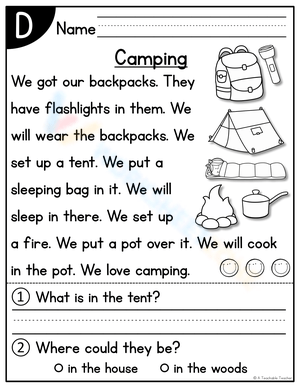
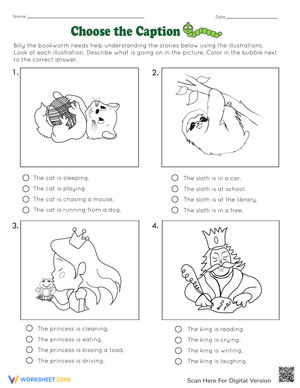
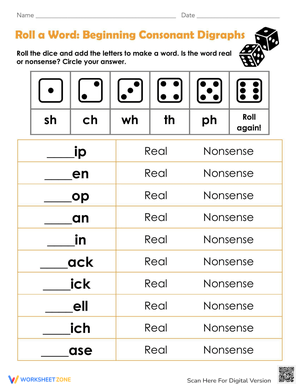
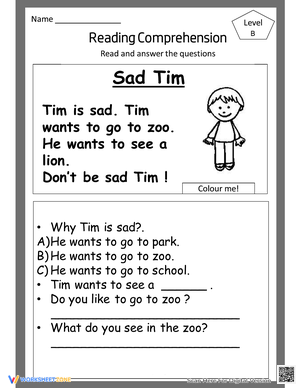
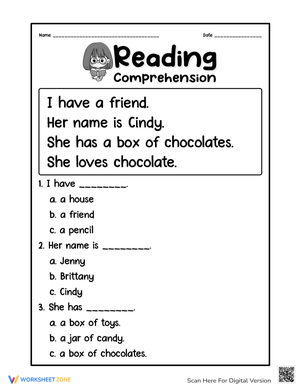
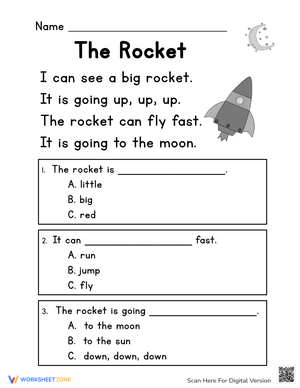
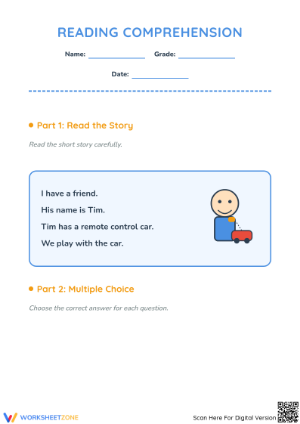
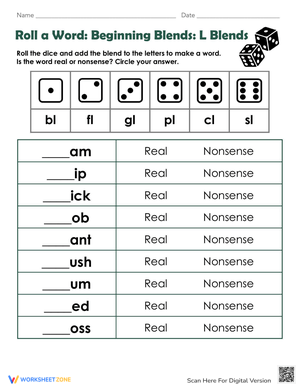
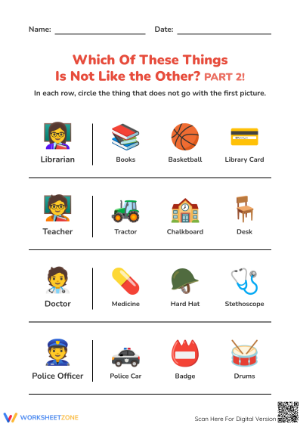
Printable reading multiple choice worksheets printable for kindergarten give teachers a fast way to check whether young students are making meaning from a shared text. In kindergarten, comprehension work is usually still tied to listening, pictures, oral language, and very short print. That means the best worksheet format is not a long written response. It is a focused page that asks children to notice a key detail, choose between a few clear answers, and show what they understood without getting stuck on handwriting.
That practical fit is why these pages work so well in daily instruction. A teacher can use them after a read-aloud, in a literacy center, during small-group review, or as a quick check before moving on to the next story. Because the choices are limited and visual support is strong, students can participate with more independence while teachers still collect useful evidence about who can answer questions, who relies on picture clues, and who needs another round of modeling.
What Kindergarten Comprehension Worksheets Should Assess
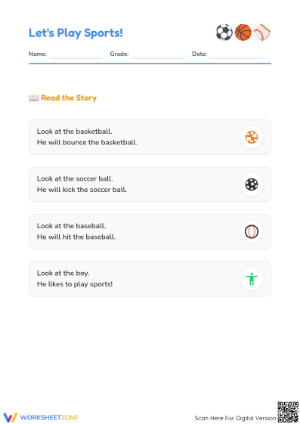
For this grade level, the goal is usually literal understanding rather than long explanations. Strong worksheets stay close to what kindergarten readers are expected to do: identify key details, retell a simple part of the text, connect pictures and words, and answer a basic question about what happened or what a text teaches. When a printable asks too much at once, it stops measuring comprehension and starts measuring stamina, decoding, or writing fluency instead.
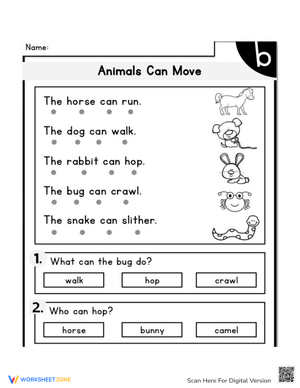
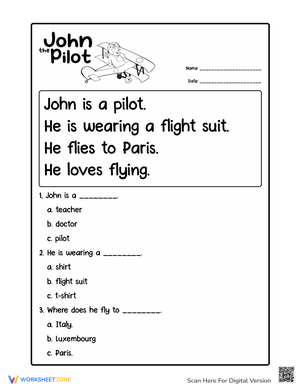
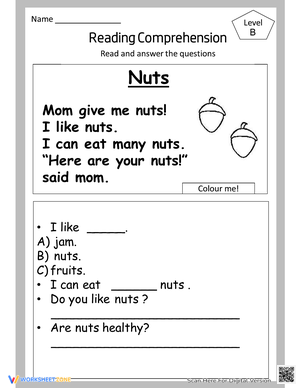
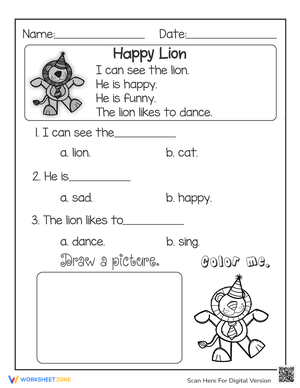
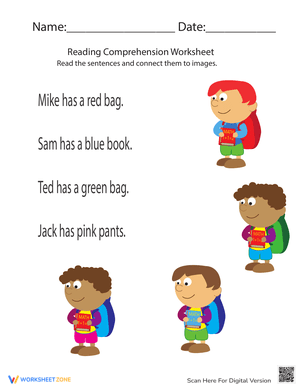
That is why good multiple-choice items for kindergarten tend to focus on one idea at a time. A page might ask who the story is about, what happened first, which picture matches the setting, or which detail belongs to the nonfiction text. Those question types line up with early reading instruction because they keep the child focused on meaning. They also help teachers see whether students can listen closely and return to an important detail after shared reading.
When selecting worksheets, teachers usually get the best results from pages that:
- Use one short direction at a time
- Ask about a single key detail or event
- Include answer choices that are visually distinct
- Match either literary or informational text structure
- Keep the response demand lower than the comprehension demand
Why Simple Answer Choices Matter
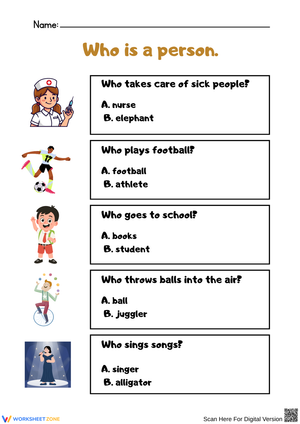
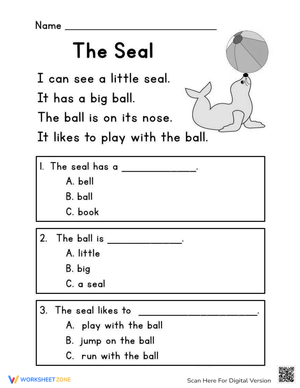
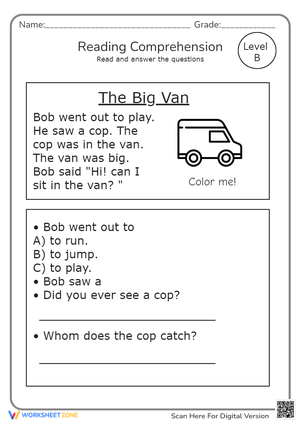
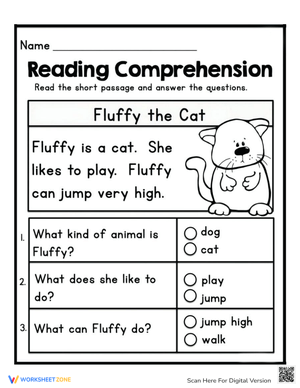
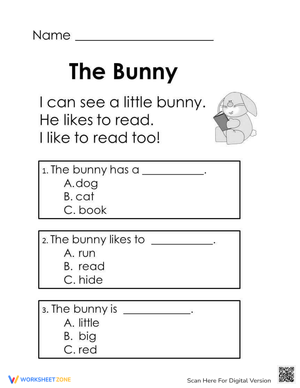
Multiple-choice work only helps if the format matches kindergarten attention and language development. Two or three answer choices are often enough. More than that can turn a comprehension check into a scanning task, especially for students who are still learning how to track left to right, connect spoken language to print, or hold several options in mind. Short directions and predictable layout matter just as much as the question itself.
An effective kindergarten multiple-choice page reduces task load before it measures understanding. After repeated read-alouds and guided questioning, students are much more likely to show what they know when the worksheet keeps the language short, the visual field uncluttered, and the answer set limited to plausible picture-supported options. That design choice is not just about neat formatting; it protects the validity of the comprehension check.
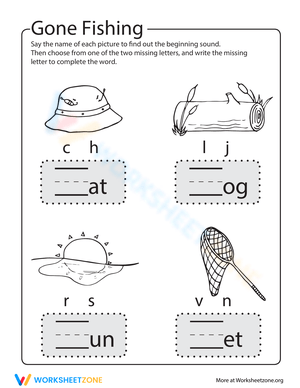
Picture support is especially important for emerging readers. A child may understand the story perfectly during discussion but struggle if every answer requires full decoding. Picture-supported options let the worksheet reflect the instructional reality of kindergarten, where oral comprehension often develops ahead of independent reading and writing. Teachers can then use results more accurately to decide whether a student needs more comprehension support or simply a different response format.
Fiction and Nonfiction Need Different Practice
Not every reading worksheet should sound the same, because literary and informational texts ask children to notice different kinds of details. In fiction, teachers are often checking whether students can identify characters, setting, important events, or a simple problem and solution. In nonfiction, the focus shifts toward naming the topic, noticing facts, and using pictures plus text features to understand what the text is teaching.
That difference matters when building a worksheet set for kindergarten. If all pages use story-based questions, students get less practice answering about simple informational text. If all pages sound like fact recall, students miss chances to think about story sequence and character action. A balanced collection lets teachers match the worksheet to the unit and to the standard emphasis already present in classroom reading lessons.
For example, a fiction page might ask, What did the girl find? while a nonfiction page might ask, Which animal lives in water? Both are simple, but each points children toward a different kind of meaning-making. That makes these printables more useful for review, intervention, and planning than generic question sets that ignore text type.
Classroom Implementation
Teachers usually get the most value from these worksheets when they are tied to a clear routine instead of used randomly. Because the format is low prep, it can fit several parts of the day without creating extra grading or planning load.
- Use one page after a shared reading lesson to check who can answer a key-detail question independently.
- Place 2-4 pages in a literacy center where students revisit familiar texts and practice choosing evidence-based answers.
- Add targeted pages to intervention folders for students who need repeated work with question language and picture support.
- Keep a few printables ready for substitute plans, morning work, or end-of-week review.
- Use a nonfiction page as an exit ticket after science or social studies reading to connect comprehension practice across the day.
The strongest routine is usually gradual release. First, the teacher models how to listen for a question, look back at a picture or remembered detail, and eliminate an answer that does not fit. Then students try a similar item with support. Only after that does the worksheet become independent practice. This sequence keeps the page connected to actual reading instruction instead of treating it like isolated seatwork.
What the Standards and Research Point To
Kindergarten reading expectations commonly emphasize asking and answering questions about key details in both stories and informational texts. The Common Core State Standards for ELA, Reading Standards for Informational Text K-5 support that focus by keeping attention on key ideas and details rather than lengthy written analysis in the earliest grades.
Reading instruction research also supports the teaching moves behind these worksheets. Reading Rockets describes Question-Answer Relationship as a way to help students understand what a question is asking and where an answer can be found, which fits the teacher modeling that often comes before independent worksheet use.
Citation capsule: Reading Rockets notes that repeated interactive read-alouds in preschool and kindergarten improve how children engage with vocabulary, ideas, and text understanding over multiple readings. That matters for worksheet use because a short multiple-choice check is more meaningful after students have had structured chances to hear, discuss, and revisit the text.
Seen this way, the worksheet is not the lesson. It is the evidence piece that comes after strong oral language, repeated exposure, and guided questions. When teachers use it in that sequence, the results are far more actionable.
How Teachers Can Choose Better Printable Sets
Not every printable page deserves space in a classroom binder. The best sets look simple, but they are carefully designed for kindergarten pacing. Teachers should look for pages that match the lesson objective, keep answer choices developmentally appropriate, and make the text type clear. If a worksheet asks several skills at once, it becomes harder to tell what a wrong answer really means.
A strong printable set usually includes enough variety to cover shared reading, center review, and quick progress checks. It also gives teachers flexibility to choose fiction one day and informational text the next. That variety matters for classrooms where students need repeated practice with the same comprehension move in different contexts.
It is also worth checking whether the page can stand alone after the lesson. A good kindergarten worksheet should be understandable at a glance, with minimal teacher explanation once the routine is taught. That makes it more useful for small-group rotations and easier to reuse across the year.
Frequently Asked Questions
1. What should kindergarten reading multiple-choice worksheets assess?
They should assess simple comprehension behaviors such as identifying key details, recalling an event, matching a picture to meaning, or answering a basic question about a story or informational text. The best pages avoid mixing comprehension with heavy writing demands.
2. How many answer choices are best for kindergarten students?
Two or three choices are usually the best fit. That keeps the task focused on understanding the text rather than scanning too many options, and it works especially well when answer choices include clear picture support.
3. Can these printables be used for independent center work?
Yes, if the worksheet format has already been modeled and the text or question type is familiar. Independence is stronger when students have practiced the routine during read-aloud or small-group instruction before seeing the page in a center.
4. How do teachers use multiple-choice reading worksheets without overloading early readers?
Teachers can reduce overload by reading directions aloud, limiting the number of questions, using familiar question stems, and choosing picture-supported answers. The worksheet should come after guided discussion, not replace it, so students are showing comprehension rather than guessing through a new format.