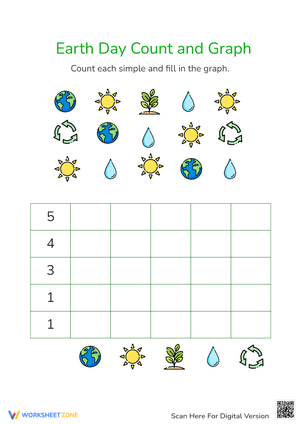
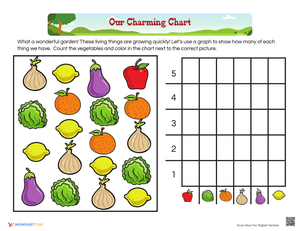
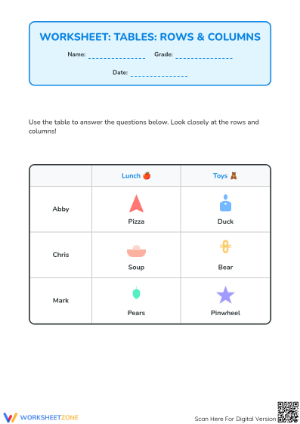
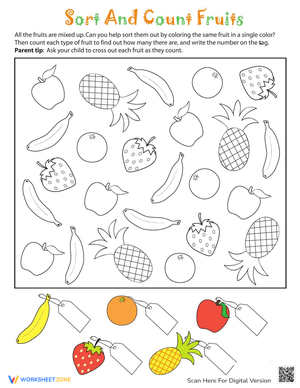
These organizing data worksheets for kindergarten give teachers a set of printable resources built around the three moves young mathematicians actually need: sort, count, and compare. Each worksheet focuses on one task at a time — whether that's grouping pictures by category, recording tallies, or reading a simple picture graph. The set works across different parts of the school day without requiring anything beyond crayons and scissors.
Skills Covered in Each Worksheet
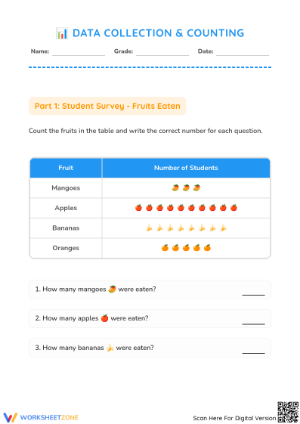
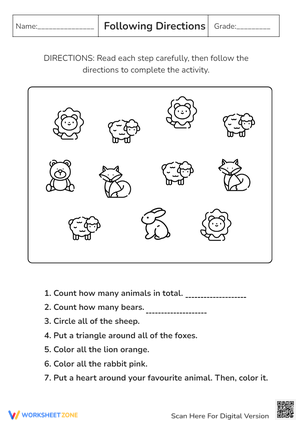
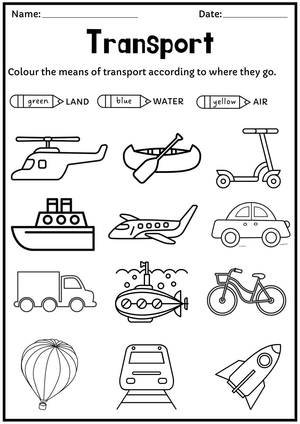
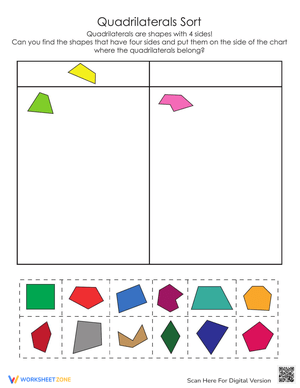
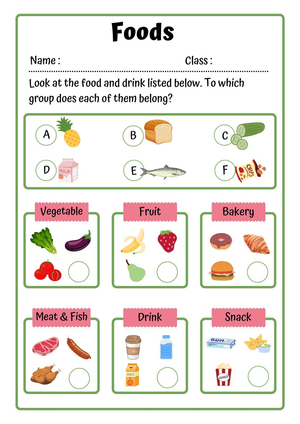
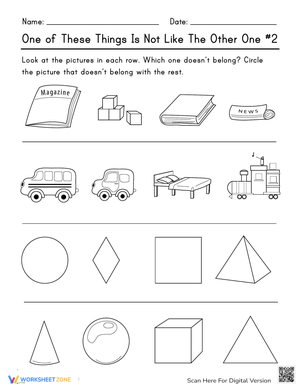
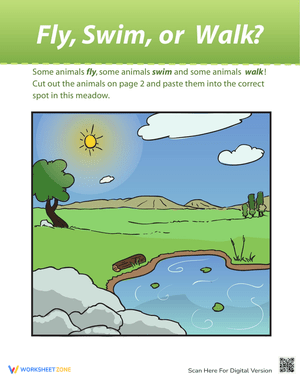
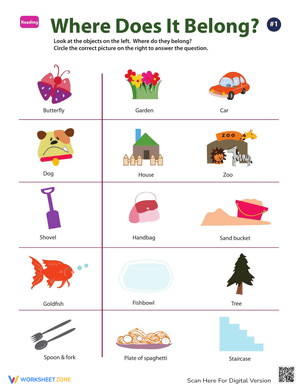
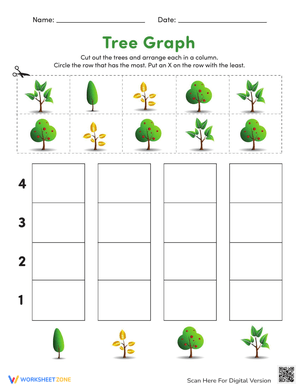
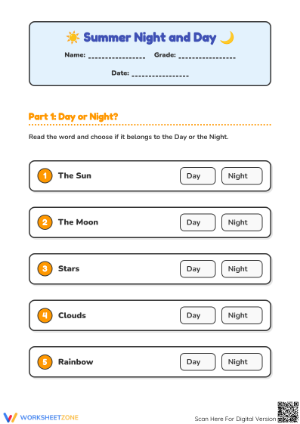
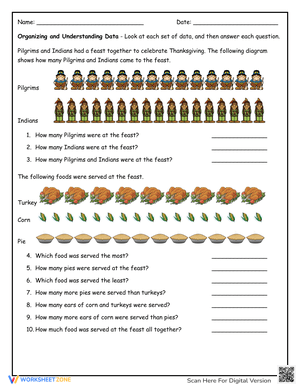
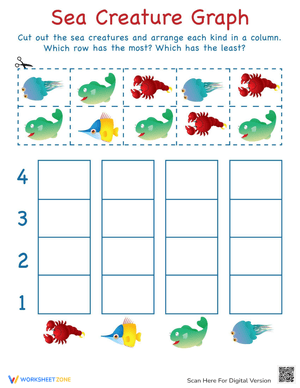
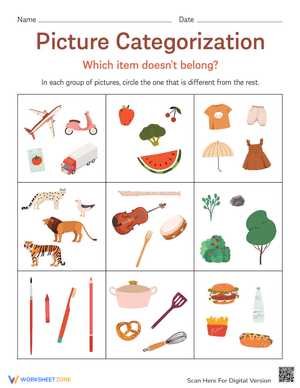
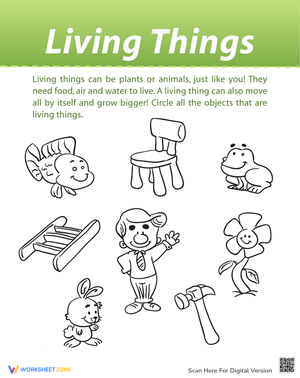
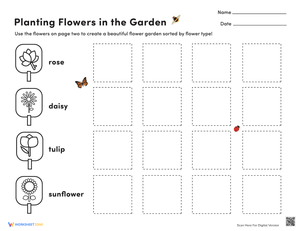
The worksheets target five specific skills that build on one another. Students start by sorting picture sets into two or three labeled categories — weather types, animal groups, classroom objects — then count how many items fall into each group. From there, worksheets move into recording totals with tally marks or picture representations, reading a completed graph, and answering direct comparison questions about which category has more or fewer items.
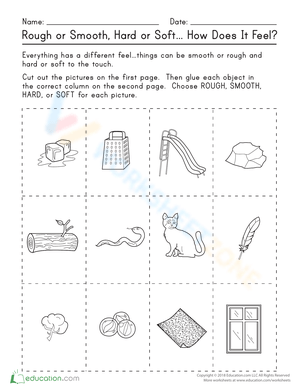
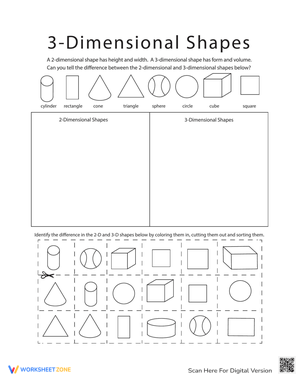
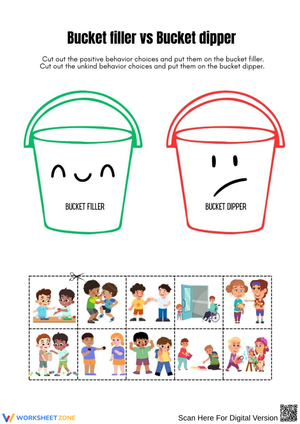
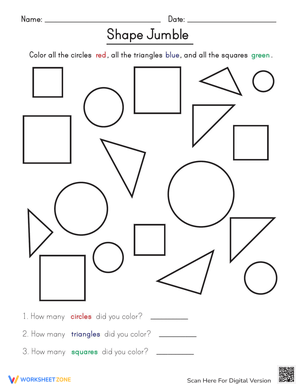
- Sorting by category: students group pictures by type, color, or another visible feature
- Counting each group: one-to-one correspondence applied inside a defined category
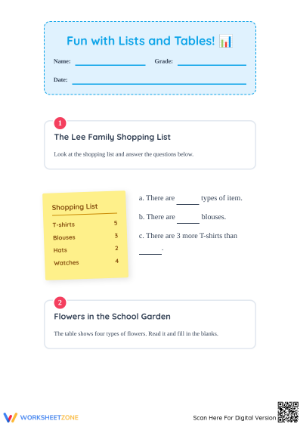
- Recording with tallies or marks: connecting a quantity to a written representation
- Reading a simple graph: picture graphs, tally charts, and introductory bar graphs
- Comparing groups: identifying which category has more, fewer, or the same number of items
The comparison language matters as much as the counting itself. Prompts like "Which group has the most?" and "How do you know?" are built into the worksheets so that discussion becomes part of the task rather than an optional add-on.
The Mistakes That Show Up Most in Early Data Work
The most consistent error is counting all the pictures on a worksheet instead of counting within each category. A student sees twelve animal pictures total, counts twelve, and writes that number in every blank. This isn't carelessness — it reflects a genuine confusion about what "how many in each group" means. Worksheets that draw clear visual boundaries around each category (a box, a column, a shaded region) reduce this error significantly.
A second pattern worth watching: students who sort and count correctly but then compare by visual size rather than actual number. If the "dogs" column contains larger pictures than the "cats" column, some students will say dogs has more even when the counts are equal. This is why comparison questions on these worksheets ask students to write the count before answering — it forces the number to be in view before the judgment is made.
Tally marks also trip students up the first time they appear. The most common mistake is treating each mark as an independent scratch rather than understanding that the fifth mark crosses the previous four as a bundle. When a worksheet includes tallying, plan to model the five-mark group at least twice before students work independently.
Fitting These Worksheets Into Your Weekly Lesson Plans
The most reliable sequence for this topic is three days in a row: concrete objects on day one, picture cards on day two, an independent worksheet on day three. On day one, put a handful of pattern blocks or counters on the table and ask students to sort them. On day two, give students printed picture cards to sort on their desks. On day three, hand out the worksheet. Students are now recording something they've already done twice with their hands — the worksheet becomes a documentation task rather than a new cognitive challenge.
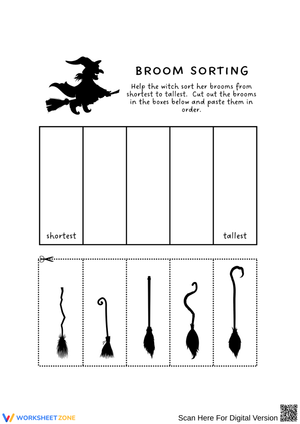
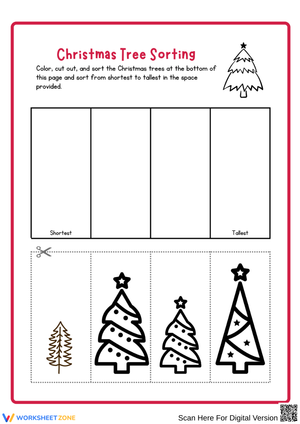
Within a single week, organizing data worksheets for kindergarten work well in at least three distinct slots: a cut-and-sort station during math centers (crayons, scissors, glue stick), a small-group session where the teacher asks comparison questions aloud while students mark their answers, and a short Friday warm-up that revisits the week's sorting theme. The take-home worksheets — clear picture sets, minimal vocabulary — are ones most families can support without any explanation from the teacher.
If the class runs a survey that week — favorite snack, today's weather, preferred game — let students help build the class chart and then give each student a matching individual worksheet based on the same data. Students who helped collect the information pay noticeably more attention to what it shows.
Standard Alignment
These worksheets address CCSS K.MD.B.3: classify objects into given categories, count the number of objects in each category, and sort the categories by count. This standard appears late in the kindergarten year because it requires students to hold two skills simultaneously — categorical thinking and accurate counting. Most teachers introduce it after students have reliable one-to-one correspondence with sets up to ten. The comparison questions built into several worksheets also connect to K.CC.C.6 and K.CC.C.7, which address identifying whether one group is greater than, less than, or equal to another.
Adjusting the Worksheets for Different Learners in the Same Room
For students who need more support, choose worksheets with two categories rather than three, larger pictures, and clear visual dividers between groups. Pre-teach the sort before distributing the worksheet — hold up each picture card and ask "where does this one go?" before students pick up a pencil. These students often handle the sort and count portions well but benefit from a verbal prompt before they commit to a comparison answer.
Students who move through a basic sort quickly are ready for worksheets that present raw, unsorted data and ask them to build the display themselves rather than filling in a partially completed chart. They can also work with more precise comparison questions — not just "which has more" but "how many more apples than bananas?" That subtraction-adjacent reasoning is within reach for kindergartners who are already confident counters, and it plants language they'll use again in first grade.
A practical middle-ground adjustment: one group completes the full worksheet independently while another finishes only the sort and count portion with you present. Same worksheet, same learning target, different degree of independent application — no separate resource needed.
Frequently Asked Questions
Can I use these worksheets for morning work or early finishers?
Yes, and organizing data worksheets for kindergarten are well suited for morning work because the task is self-contained — students don't need to wait for teacher directions to get started. A count-and-color graph worksheet works best in that slot; the visual format lets students begin independently as soon as they sit down.
Are these worksheets suitable for small-group intervention?
Yes. The focused, single-task format makes each worksheet straightforward to use when the goal is building fluency with a specific skill rather than introducing new content. A specialist working on number sense can use organizing data worksheets for kindergarten to reinforce counting and comparison in a context that feels different from the main classroom routine — which helps students who've stalled on the same skill.
How long does a typical worksheet take in a kindergarten math block?
Most students finish in eight to twelve minutes when the topic is familiar. If students are encountering the vocabulary for the first time, budget fifteen minutes and plan a brief whole-group check-in at the midpoint. Cut-and-sort worksheets run a bit longer — closer to fifteen minutes — because of the physical steps involved.
What's the most revealing thing to look at when checking student work?
The comparison question at the bottom, not the sort or count. Students who sort correctly and count correctly but write the wrong answer to "which has more?" are telling you the number comparison hasn't clicked yet — they completed a procedure without connecting it to meaning. That single answer reveals more than any other mark on the worksheet.













 Interactive Worksheet Maker
 Quiz Maker
 Word Search Maker
 Crossword Puzzle Maker
 Word Scramble Generator
 Sentence Scramble Generator
 Handwriting Worksheet Generator
 Name Tracing Generator
 Fill In The Blank Generator