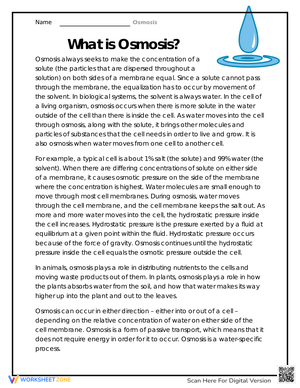
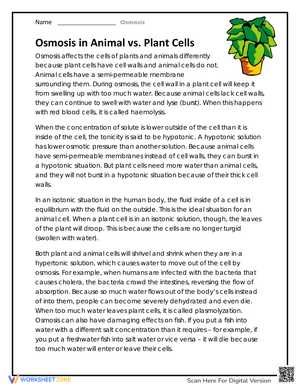
These 8th grade water worksheets resources cover four content areas — the water cycle, properties of water, osmosis and tonicity, and water pollution — giving teachers print-ready practice that fits a middle school science block without extra setup. Each worksheet targets concepts students are expected to explain and model, not just memorize, so teachers can use them for direct instruction, independent practice, homework, or reteach sessions across the same unit.
The Specific Skills Targeted
The set is organized around the four topic clusters middle school science teachers return to most when teaching water content. Each worksheet focuses on a distinct concept area rather than mixing unrelated material in one task.
- Water cycle processes: Students label diagrams tracing evaporation, condensation, precipitation, runoff, infiltration, and groundwater flow, then sequence and explain what drives each stage.
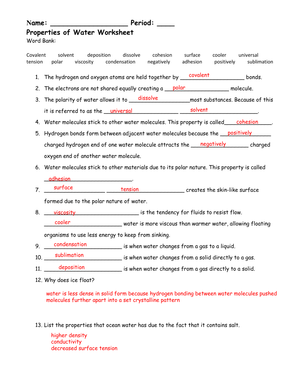
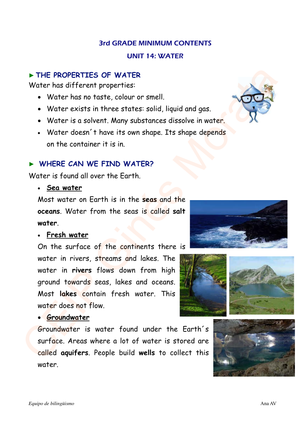
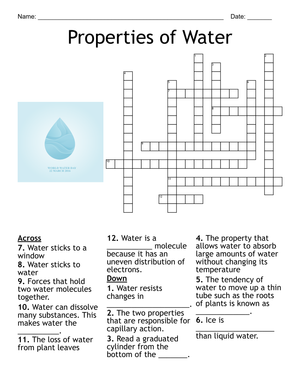
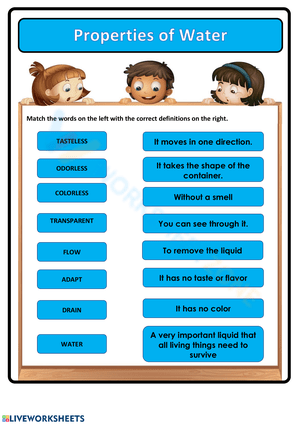
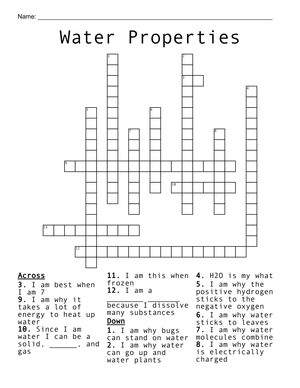
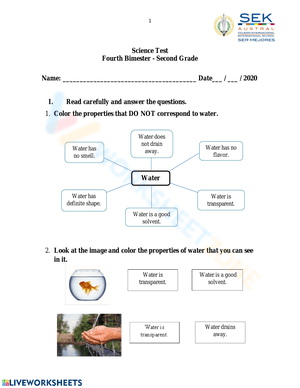
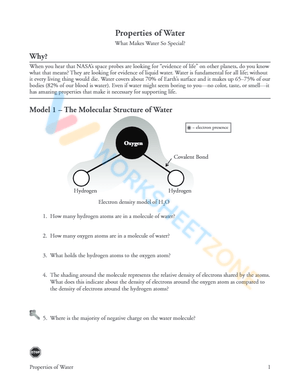
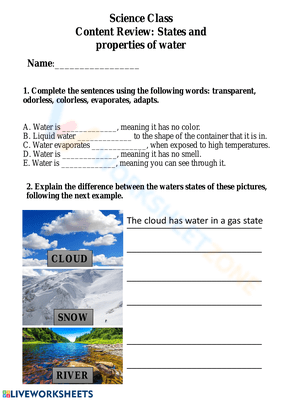
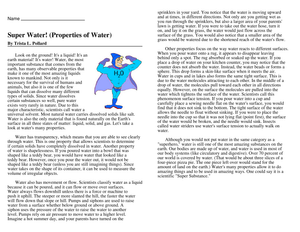
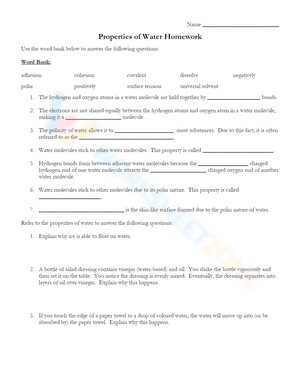
- Properties of water: Practice with cohesion, adhesion, and surface tension connects molecular behavior to phenomena students observe in natural systems and living organisms.
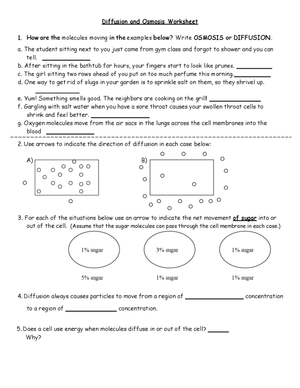
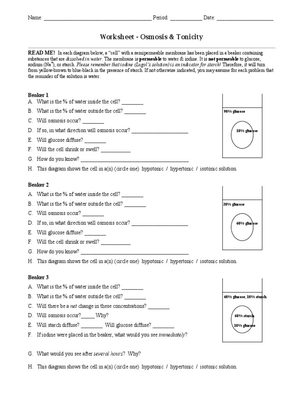
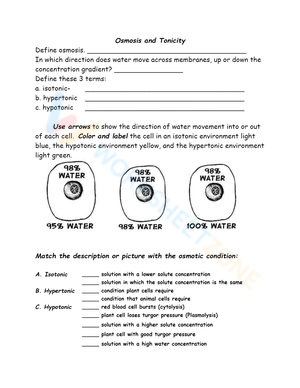
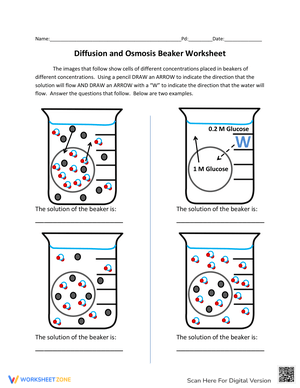
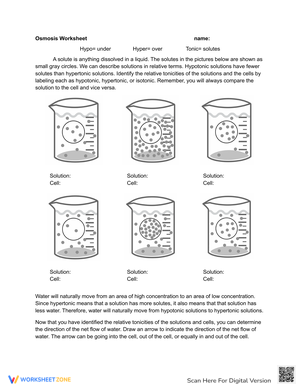
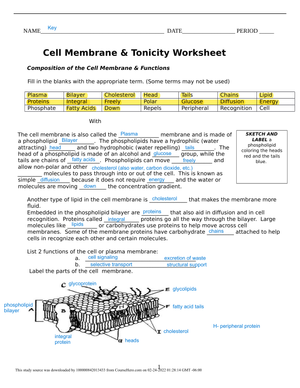
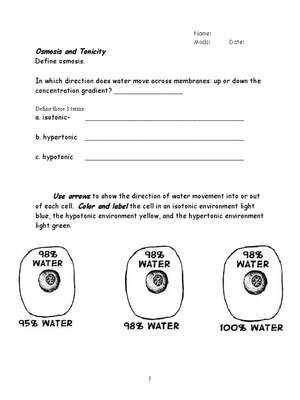
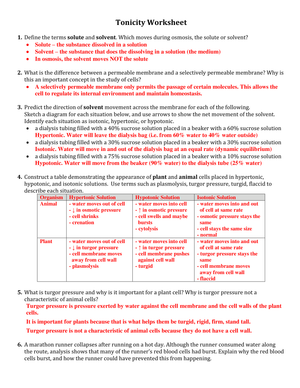
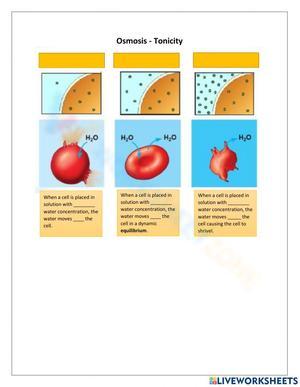
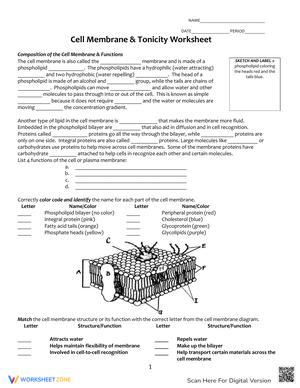
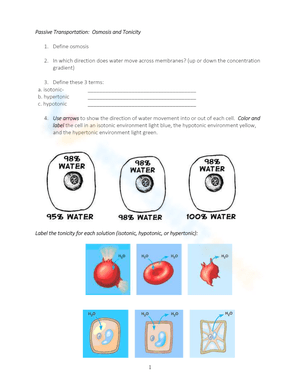
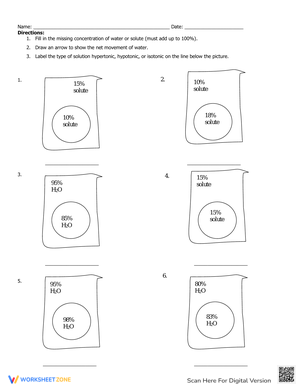
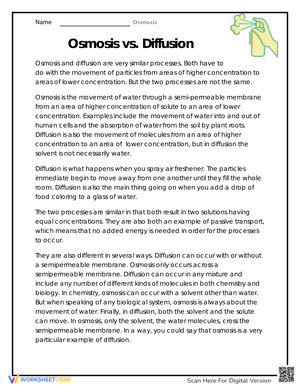
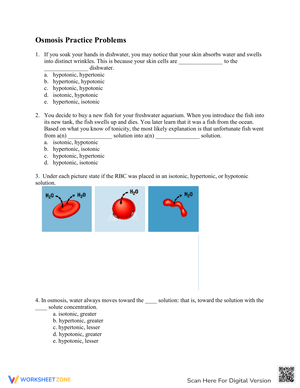
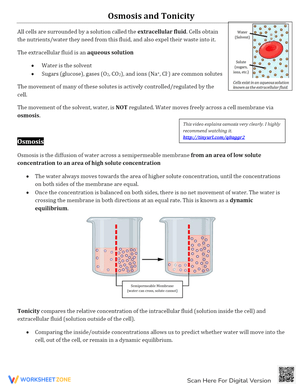
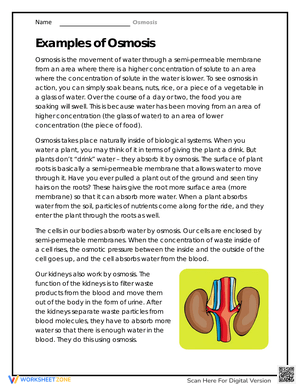
- Osmosis and tonicity: Students compare solute concentrations, predict water movement across cell membranes, and explain how hypertonic, hypotonic, and isotonic conditions affect cells differently.
- Water pollution: Short scenario tasks ask students to identify nonpoint source pollutants, trace the path of runoff, and explain likely effects on local rivers, lakes, or groundwater.
Format variety within the set matters. A diagram-labeling task builds accurate vocabulary before a reading-with-response task demands written explanation. That sequence — identification before application — reduces the cognitive load students face when they first encounter a systems-level process like the hydrologic cycle, and it gives teachers a clearer picture of exactly where understanding stalls.
Frequent Student Errors Worth Watching For
Water cycle diagrams surface a specific and telling error. Students who correctly place "evaporation" and "condensation" on a diagram will often draw the runoff arrow pointing skyward — confusing the upward movement of water vapor with the downward and lateral movement of surface water across land. They have the vocabulary but lack a clear model of directionality. Worksheets that ask students to draw movement arrows rather than only write process names expose this gap before a test does.
Osmosis produces a different confusion. Students tend to believe water moves toward lower solute concentration because that matches their intuition about crowded and open spaces. In practice, water moves toward higher solute concentration — into the side where solute particles are more dense. A worksheet that asks students both to predict movement and explain the reason catches this reversal. Students who only circle "in" or "out" can score the point while still holding the wrong mental model.
Making These Worksheets Work Across Your Teaching Week
Match the worksheet type to the moment in instruction rather than assigning the full set at once. Diagram and labeling tasks work well as bell ringers the day after new content is introduced. Short reading-and-response worksheets fit independent practice blocks where students need to produce written explanations, not just recognize correct answers. The last 8 to 10 minutes before the period ends is a natural slot for a quick water cycle exit check — students label three processes and write one sentence about what drives them.
- Before a unit quiz: Assign one water cycle worksheet and one pollution scenario worksheet in the same session so students practice both process recall and cause-and-effect reasoning together.
- Small-group reteach: Use the osmosis or tonicity worksheet with students who struggled during the cells unit — pair it with a simple diagram of a cell in each type of solution so students can point before they write.
- Sub plans: A print-ready PDF set leaves substitute teachers with structured tasks — labeling, short answers, scenario questions — that don't require science content knowledge to supervise.
- Spaced retrieval: Return to an earlier worksheet three or four weeks into the unit rather than only at introduction. The familiar format lowers retrieval difficulty just enough that students can actually access the content, which is the whole point of revisiting it.
The 8th grade water worksheets set is also well-suited to rotating science stations. Teachers can split the four topic clusters across four stations — cycle, properties, osmosis, and pollution — so student groups move through focused practice in one class period without the teacher building four separate activities from scratch.
Standard Alignment
The water cycle content connects directly to NGSS MS-ESS2-4, which asks students to develop a model explaining how water cycles through Earth's systems driven by solar energy and gravity. That performance expectation goes beyond vocabulary recall — students must show how processes connect and what forces drive movement. Diagram annotation tasks and short constructed-response prompts serve that expectation more directly than fill-in-the-blank or matching items, because they require students to demonstrate the relationship between stages, not just name them.
Osmosis and tonicity content aligns with MS-LS1-2, which addresses how cells function in relation to their environment. Worksheets that ask students to predict water movement based on concentration gradients give teachers a formative window into whether students understand the mechanism or are only repeating labels. Water pollution scenarios connect to MS-ESS3-3, which asks students to apply scientific principles to evaluate solutions to resource-related problems — tracking how agricultural runoff moves from a field into a local watershed is a direct application of that standard in a real-world context.
Adjusting the Worksheets for a Range of Learners
In mixed-readiness classes, the most effective adjustment is changing the response demand rather than replacing the content. A student who needs additional structure completes a water cycle diagram with a word bank provided, then writes one sentence explaining why the runoff arrow points toward a stream rather than upward. A student ready for more challenge does the same diagram without the word bank and writes a short explanation connecting surface runoff to groundwater recharge — two processes separated in the diagram but driven by the same force.
Multilingual learners often do better on the pollution scenario worksheets when teachers allow oral rehearsal before written response. Talking through the scenario first — where does the fertilizer go when it rains, what does it enter, who is affected — builds the language pattern students need before they write it. That approach doesn't change what each worksheet asks for; it changes how students enter the writing task.
Frequently Asked Questions
Do these worksheets work for homework as well as classwork?
Yes. Each worksheet is self-contained and print-ready, which makes homework assignment straightforward. Diagram labeling and short-answer tasks are clear enough for students to complete independently. More open-ended scenario questions — where students need to evaluate evidence and write a reasoned response — tend to work better in class, where students can ask clarifying questions before committing to a written answer.
What's the difference between the water cycle practice and the osmosis practice?
Water cycle worksheets focus on how water moves through Earth's large-scale systems — atmosphere, land surface, and underground — through processes like evaporation, precipitation, and infiltration. Osmosis worksheets zoom in to the cell level, asking students to track how water crosses membranes based on concentration differences. Both involve water movement, but the scale, driving forces, and vocabulary are distinct enough that students benefit from treating them as separate but connected topics within the same unit.
Can teachers use these worksheets at the 7th grade level?
Teachers who pull 8th grade water worksheets resources into a 7th grade classroom find that water cycle diagrams and pollution scenarios transfer well, especially toward the end of a unit on Earth systems. Osmosis and tonicity content is more demanding and fits 7th grade best as extension work for students who are ready to move into life science connections ahead of schedule.
How do these worksheets fit into test preparation?
Middle school science assessments increasingly ask students to interpret diagrams, explain processes, and apply concepts to unfamiliar scenarios rather than recall isolated definitions. The 8th grade water worksheets resources mirror those demands: labeling tasks build diagram fluency, constructed-response prompts give students repeated practice producing written explanations, and pollution scenario questions ask students to reason from evidence — all of which reflect the skills tested in NGSS-aligned assessments.












 Interactive Worksheet Maker
 Quiz Maker
 Word Search Maker
 Crossword Puzzle Maker
 Word Scramble Generator
 Sentence Scramble Generator
 Handwriting Worksheet Generator
 Name Tracing Generator
 Fill In The Blank Generator