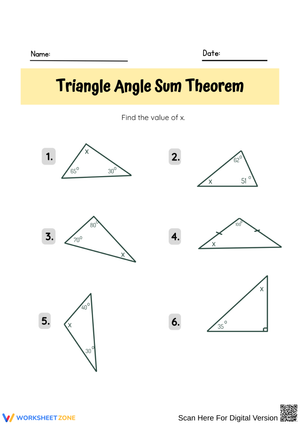
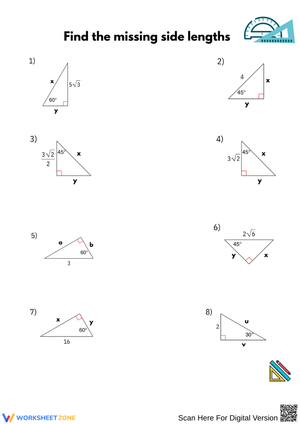
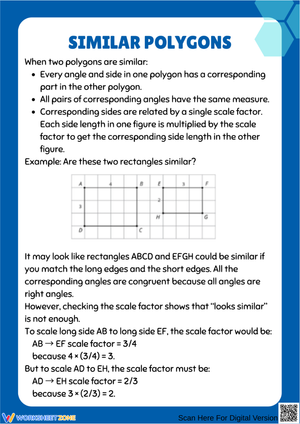
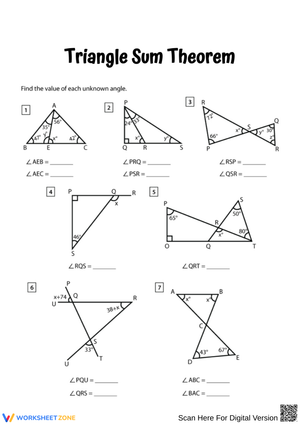
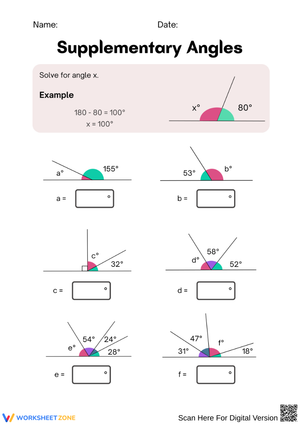
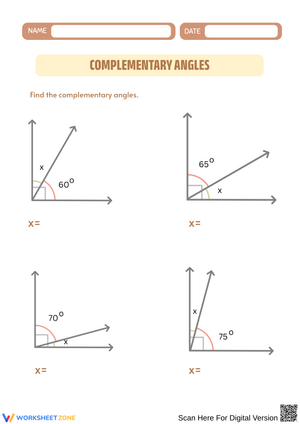
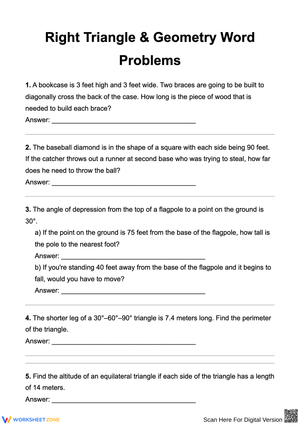
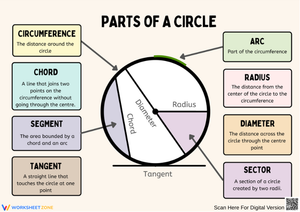
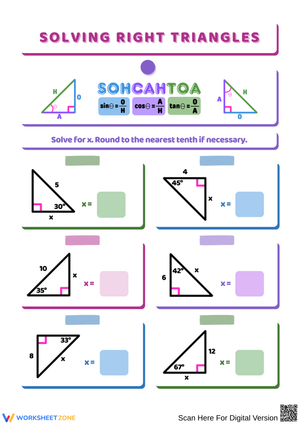
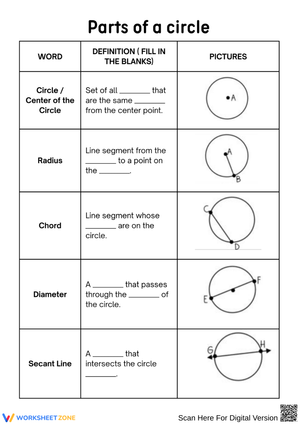
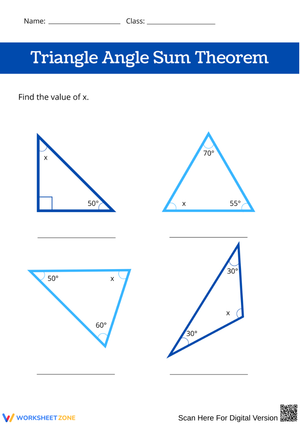
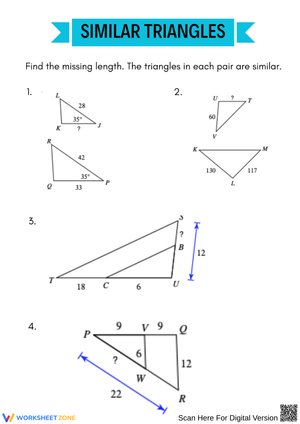
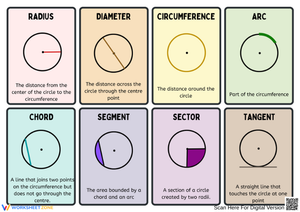
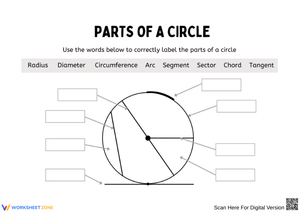
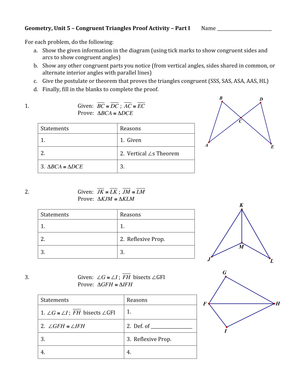
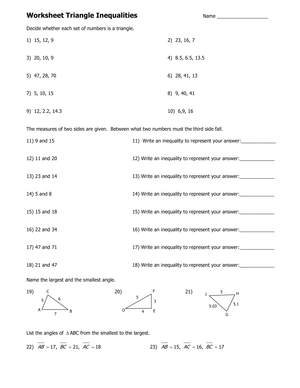
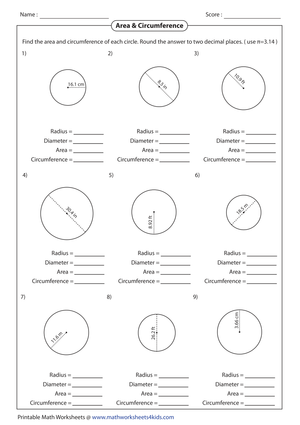
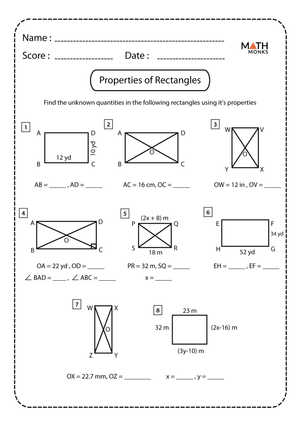
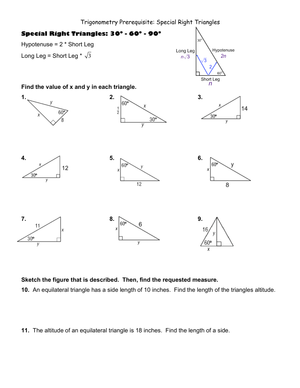
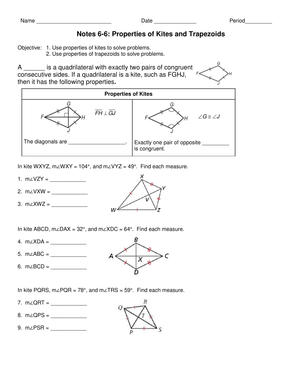
These 2d shapes printable worksheets for 8th grade give teachers focused geometry practice that moves students well past visual shape identification and into reasoning from structural properties. At this grade level, the expectations expand considerably: students classify figures using angle measures and side relationships, analyze transformations on the coordinate plane, calculate area for composite figures, and back up their answers with property-based reasoning. This set addresses all of that without requiring teachers to build new material mid-unit.
The Specific Skills Targeted Across the Set
Each worksheet in the collection addresses a distinct area of eighth-grade plane geometry rather than repeating the same identification prompt at varying difficulty. The tasks cover:
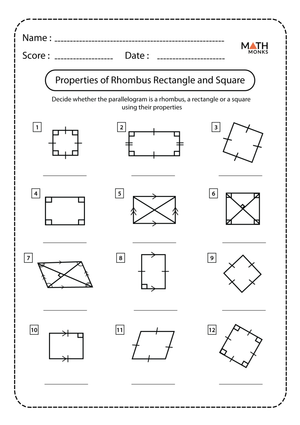
- Classifying polygons and quadrilaterals by side length, angle measure, and the presence of parallel or perpendicular lines
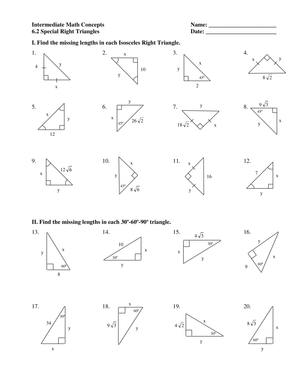
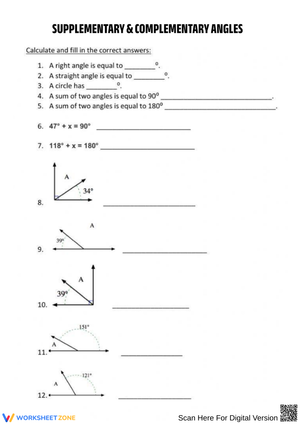
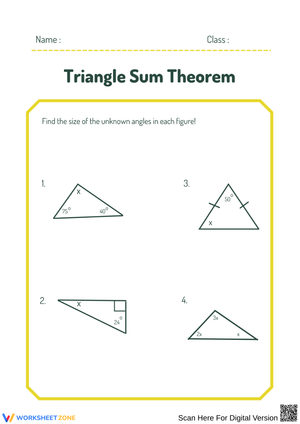
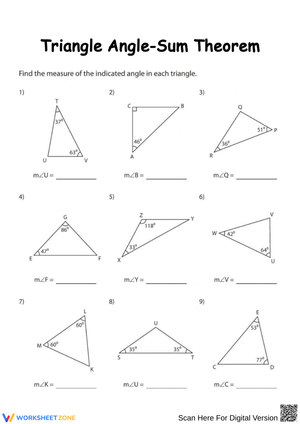
- Applying angle relationships within triangles and quadrilaterals to find missing measures
- Calculating area for regular polygons, irregular polygons, and composite figures built from rectangles and triangles
- Plotting and analyzing shapes on the coordinate plane
- Describing and performing translations, reflections, rotations, and dilations with precision
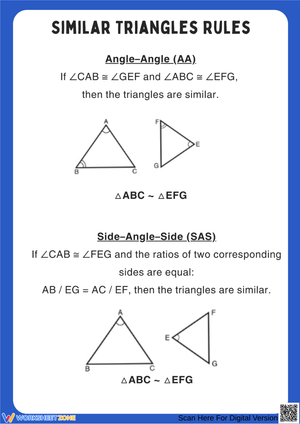
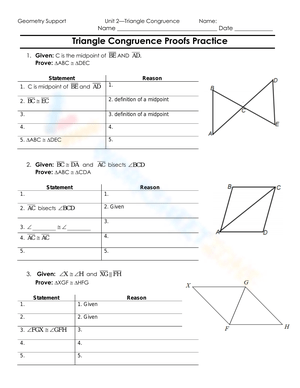
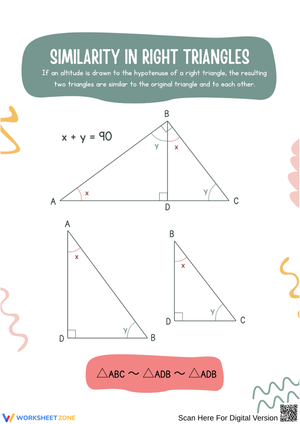
- Distinguishing congruent from similar figures using transformation sequences rather than visual inspection
What separates useful practice at this level from simple busywork is whether students are asked to justify answers rather than just supply them. A student who writes "rhombus" correctly may still be unable to articulate the difference between a rhombus and a square in terms of angle constraints — and that gap surfaces on assessments every time. The 2d shapes printable worksheets for 8th grade in this collection include prompts that require property-based reasoning, not just a shape name.
Student Mistakes That Surface During Shape Classification
The most persistent error at this level is prototype fixation — students identify shapes by how they look rather than by the properties they hold. A square rotated 45 degrees becomes, in most students' minds, a "diamond" that is no longer a square. They register the tilt rather than checking side lengths and angle measures. This error appears in both classwork and unit assessments and does not resolve without direct instruction on attribute-based classification.
Transformation work surfaces a second problem. A student who correctly translates a point three units right will still describe a 90-degree rotation as a slide if the resulting figure ends up in roughly the same visual area — because they judged the transformation by the final position rather than tracking what the movement rule actually did. Composite area problems introduce a third pattern: when an irregular figure has many sides, students default to adding all side lengths rather than decomposing the shape into simpler parts and summing the areas.
Vocabulary slippage is also worth watching. Students use "congruent" and "equal" as synonyms, which causes real trouble when they try to explain whether a dilation produces a congruent figure or only a similar one. Catching this early — before it becomes a test-prep problem — saves significant reteach time later.
How to Work These Worksheets Into Your Lesson Planning
The easiest entry point is the first eight minutes of class. Four or five questions on shape properties or angle relationships require no setup, reactivate prior knowledge before any direct instruction begins, and surface which students are still uncertain about basic vocabulary. That information is genuinely useful during the lesson itself rather than after.
For full class periods, pair each worksheet with a focused debrief rather than going through every problem in sequence. Select two questions that reveal the most common split in student thinking — say, a problem comparing a rectangle and a parallelogram, or one asking whether a reflected figure is congruent — and spend five minutes on those specifically. Students retain those targeted conversations longer than a sequential item review.
Small-group reteach fits well with individual worksheets pulled from the set for a single skill: one session on coordinate graphing, another on area decomposition. The 2d shapes printable worksheets for 8th grade work particularly well here because each one stays within a defined skill area rather than mixing too many task types at once. Friday review blocks also benefit from mix-and-match selections from the set, building short cumulative practice without writing anything new.
Standard Alignment
These worksheets align with the Common Core State Standards Grade 8 Geometry domain (8.G). Classification and angle-relationship tasks address 8.G.A.1 through 8.G.A.5, which require students to understand transformation properties and apply angle relationships in triangles and parallel-line diagrams. Area and composite figure work extends the measurement reasoning established in earlier grades into more complex figure decomposition expected at this level. Coordinate-plane transformation tasks target 8.G.A.3 directly, which asks students to describe the effect of dilations, translations, rotations, and reflections using coordinates — a standard that appears in both multiple-choice and constructed-response formats on most state assessments.
Tailoring Practice for Students at Different Entry Points
Students still building confidence with shape vocabulary need a narrower starting point than students who are ready for coordinate transformation tasks. For reteach groups, begin with worksheets that focus on a single property category before asking students to classify using multiple criteria at once. A student who gets overwhelmed by a full quadrilateral family sort will often succeed when the task is narrowed to one criterion: sort these five shapes by whether they have at least one pair of parallel sides. That single-attribute focus is a low-pressure way to build the language before the complexity increases.
On-level groups benefit from the mixed-review worksheets that shift between classification, graphing, and area within one session. That task-switching is where eighth graders often struggle most, and regular practice with it builds the flexibility assessments demand. For students who are ready for greater challenge, add a written extension after the worksheet: they explain whether a second transformation applied to the same figure would produce the same result as the first, and why. That kind of question requires the precise reasoning that ninth-grade geometry will expect from day one.
One honest limitation worth flagging: the coordinate-plane worksheets can frustrate students who are still shaky on integer operations. When a student mislabels a reflected point, it matters whether the error came from misunderstanding the reflection rule or from a sign mistake on the y-axis — those require different follow-up. These 2d shapes printable worksheets for 8th grade do not substitute for integer fluency work; they assume that foundation is at least partially in place.
Frequently Asked Questions
What 2D shape topics should eighth graders be practicing most at this level?
Transformations, coordinate-plane analysis, composite area, and property-based classification are the highest-priority areas for most students. The ability to distinguish figures by structural attributes — rather than by recognition — is the skill most directly tested and most relied upon in high school geometry. Vocabulary precision matters here too: students who can name a transformation accurately are far better positioned than students who rely on visual descriptions like "flipped" or "slid."
How do these worksheets function in both intervention and on-level settings?
In intervention, pull individual worksheets focused on one skill at a time and use them to build toward multi-criteria tasks. In on-level instruction, use mixed-review selections to push fluency and flexibility across task types. The set has enough range to serve both settings without needing separate materials — the difference is in which worksheets you select and how you sequence the follow-up discussion.
Do the worksheets include answer keys?
Yes. Each worksheet includes an answer key, which makes fast feedback practical during small-group instruction or after independent work. Having the key on hand during a reteach session lets you identify exactly where a student's reasoning went off-track rather than just whether the final answer is correct — a meaningful distinction when the goal is adjusting instruction rather than simply grading.













 Interactive Worksheet Maker
 Quiz Maker
 Word Search Maker
 Crossword Puzzle Maker
 Word Scramble Generator
 Sentence Scramble Generator
 Handwriting Worksheet Generator
 Name Tracing Generator
 Fill In The Blank Generator