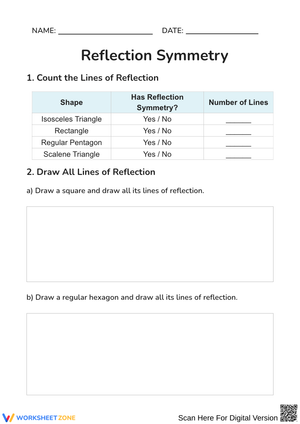
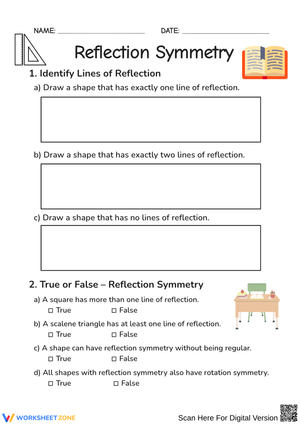
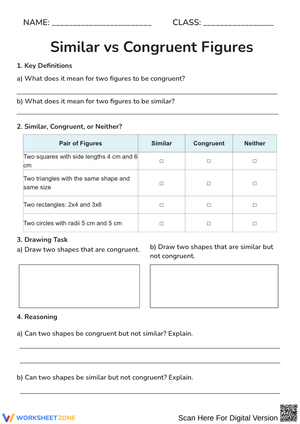
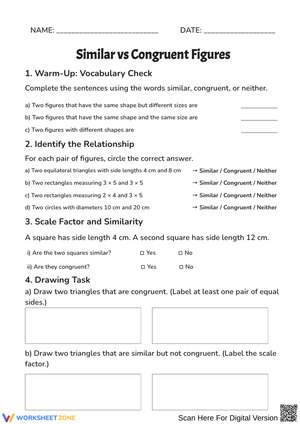
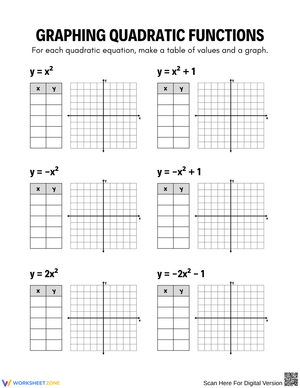
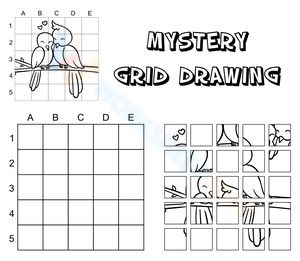
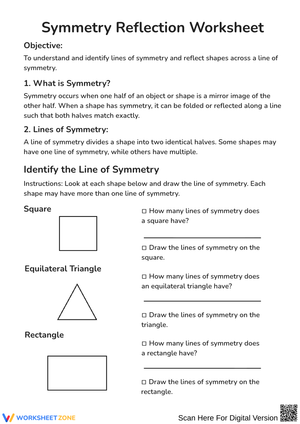
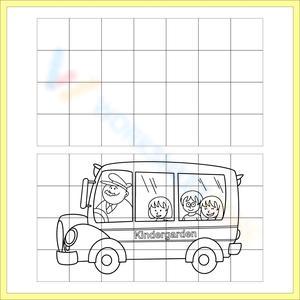
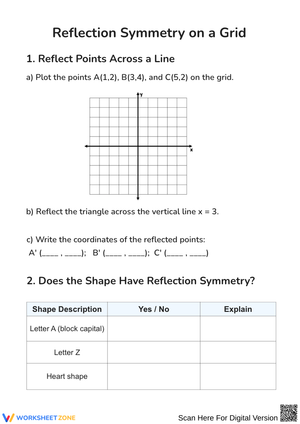
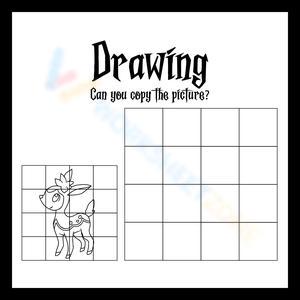
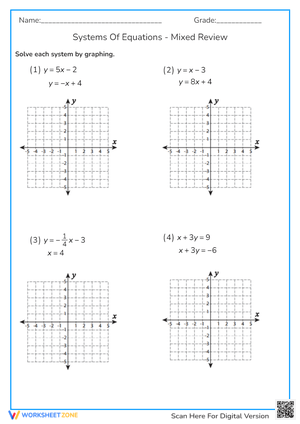
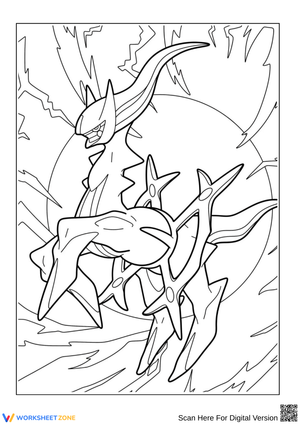
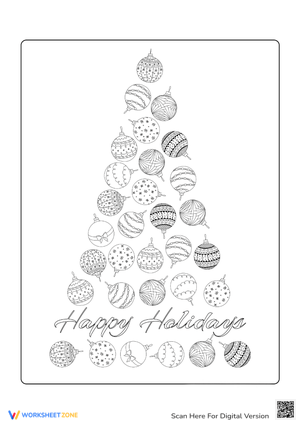
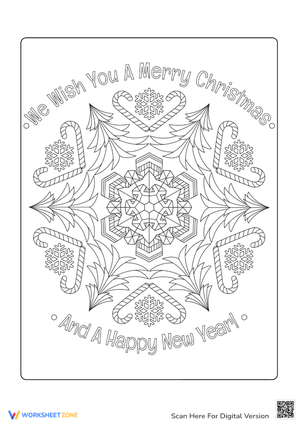
These 8th grade drawing and painting worksheets pdf resources give art teachers structured, printable practice built around the skills most likely to appear as muddy, flat, or structurally confused in student work. Each worksheet targets one focused concept — value contrast, color mixing, perspective, composition, or critique — so students can work through it independently during a bell ringer, a transition gap, or a substitute-led class without losing the thread of a studio unit already in progress.
What's Inside the Set
Eighth graders arrive with widely varying confidence and experience in art class. Many have carried symbolic drawing habits since elementary school — drawing what they know an object looks like rather than what they actually observe. A hand becomes five rounded sausages. An eye locks into the same almond shape regardless of angle or light. These worksheets address that directly by asking students to observe more carefully, plan more deliberately, and put their reasoning on paper before or after a studio task.
Skills covered across the set include:
- Observational drawing: contour exercises, proportion checks, and directed mark-making from a reference image or still life
- Value and shading: gradient scales, hatching and cross-hatching methods, light source mapping on basic geometric forms
- Color theory: mixing charts, complementary and analogous color relationships, tint and shade practice, color scheme planning before a painting begins
- Perspective: horizon line and vanishing point identification, guided one-point and two-point perspective boxes, interior and architectural space practice
- Composition planning: thumbnail sketch grids, focal point decisions, rule-of-thirds application, cropping experiments
- Critique and reflection: self-assessment prompts, sentence-stem responses, vocabulary practice using terms like value, contrast, focal point, and blending
Each worksheet connects directly to a studio skill students will apply in a larger project. These worksheets reinforce technique — they don't substitute for it.
The Drawing Mistakes 8th Graders Repeat Without Correction
Several predictable errors appear across drawing and painting work at this grade level. Catching them on a practice worksheet — before students carry the habit into a finished piece — is one of the most practical reasons to use structured printables alongside studio time.
The most persistent: students who complete a value scale accurately in isolation will still produce flat observational drawings because they shade by formula rather than by looking. They apply a uniform mid-tone across everything instead of identifying where true lights and true darks fall. A drawing of a white sphere on a white cloth ends up the same medium gray from edge to edge. Shading worksheets that require students to mark the light source first, locate the highlight and core shadow before touching any tone, and then compare their result against a reference photograph interrupt the formula habit before it becomes automatic.
In color work, students reliably confuse the concept of a shade with the act of painting a shadow. They understand from instruction that a shade mixes black into a hue — but in practice, when a shadow area needs to look dark, they reach for straight black paint out of the tube. That single move kills the luminosity of a painting fast. Color mixing worksheets that ask students to test a complementary-color shadow mix directly next to a black-paint version of the same area make the difference visible in a way that a verbal demonstration usually doesn't hold.
Perspective worksheets reveal a third recurring problem: students grasp the concept of convergence but draw orthogonal lines freehand and let them drift under time pressure. Requiring a ruler, an explicitly marked vanishing point, and a trace-back check before any form is drawn catches this before it becomes standard practice in architectural or interior drawing assignments.
Building These Worksheets Into Your Art Room Routine
The most natural placement for most of these worksheets is the transition gap between instruction and studio work — the seven to ten minutes after a technique demonstration while students gather materials, wait for paint surfaces to dry, or prepare a board. A short value drill or color chart during that window keeps students engaged and reinforces what they just saw modeled. Without that structure, most 8th graders fill those minutes with conversation and need a second re-focus before a brush comes out.
The 8th grade drawing and painting worksheets pdf set fits naturally into a weekly bell-ringer routine as well. A Monday value warm-up re-engages students before any materials appear. A Friday self-critique at the end of a studio week builds reflection as a habit rather than a tacked-on requirement. Neither task runs more than six to eight minutes when directions are clear and the expectation is already familiar to the class.
- Bell ringers: Short value drills, contour line exercises, or mini-critique prompts at the start of class
- Studio transitions: Color mixing charts or thumbnail planning while students wait for setup or cleanup to finish
- Sub plans: Perspective practice and critique reflection worksheets with embedded visual examples work independently without teacher explanation
- Sketchbook integration: Insert planning or vocabulary worksheets into sketchbook routines so students build a visible record of both creative decisions and technical understanding
- Centers: Rotate students through shading practice, color review, and composition planning while small groups receive direct teacher feedback on technique
One approach worth testing: pair each major unit with an entry worksheet and an exit worksheet. The entry worksheet previews key vocabulary, establishes the technique focus, and asks for a quick planning sketch. The exit worksheet captures reflection, a self-assessment, and one next-step goal. For eighth grade, this creates a simple learning trail without pulling more than a few minutes from studio time at either end of the unit.
Standard Alignment
For teachers incorporating 8th grade drawing and painting worksheets pdf into regular instruction, the National Core Arts Standards provide clear anchor points. VA:Cr2.1.8 asks students to demonstrate willingness to experiment and take risks in pursuit of artistic ideas — the composition planning and thumbnail worksheets address this by making the planning process visible and accountable before students commit to a final piece. VA:Re7.1.8 requires students to interpret art by distinguishing relevant from non-relevant contextual information — critique and reflection worksheets build the vocabulary students need to move from gut reaction to informed analysis during class discussion. Teachers working with VAPA-aligned standards will find these same skills addressed across the Creating and Responding strands at the 8th grade band.
Adjusting the Set for Mixed-Readiness Art Classes
Eighth grade art classes almost always include students who are well ahead technically alongside students who lack confidence in basic mark-making. The same worksheet can reach both groups, but the assignment decision matters.
For students who need more support, reduce what's visible at once. Work through one section at a time verbally, or pre-draw the horizon line and vanishing point before distributing a perspective worksheet — that one adjustment often gets a stuck student started. Students who freeze when shown an unfamiliar blank box rarely freeze once the anchor lines are already on the paper.
For students working ahead, the extension isn't more of the same worksheet — it's application. A student who completes a shading scale correctly should apply that value mapping to a self-chosen subject drawn from observation. A student who finishes a perspective box should design a full room interior using the same vanishing point. These extensions are easy to communicate verbally without creating a separate materials set, and they keep faster students doing real artmaking instead of decorating a finished worksheet.
Frequently Asked Questions
What drawing and painting skills do these worksheets cover?
The set addresses value and shading, color theory, one-point and two-point perspective, composition planning, observational drawing, and critique reflection. Each worksheet focuses on one skill, which makes it straightforward to match specific worksheets to whichever unit is currently running in class.
Are these worksheets usable for substitute plans?
They work well for that purpose. Worksheets with embedded visual examples, clear step-by-step directions, and fully self-contained tasks are the most reliable for sub days. Perspective practice, shading scales, and reflection prompts tied to current class projects are the strongest choices because students can complete them independently with only a pencil and no additional explanation from a substitute.
How do these worksheets support grading in drawing and painting?
Most worksheets include a written component — vocabulary labeling, sentence-stem responses, or a self-rating scale — that gives teachers something concrete to assess beyond the visual product. A simple rubric covering completion, accuracy of concept, use of vocabulary, and evidence of reflection works across the set without adding heavy grading load. Because student thinking is visible on paper, teachers can document whether a student understands color relationships or perspective principles even when a finished painting doesn't make that understanding legible on its own.
Does the PDF format work in digital classrooms?
The 8th grade drawing and painting worksheets pdf format works for print, upload to a learning management system, or display on a classroom screen. Teachers running hybrid setups often print a class set and keep a digital copy for absent students. The format is stable across devices, which matters when students are opening files at home without specialized software.