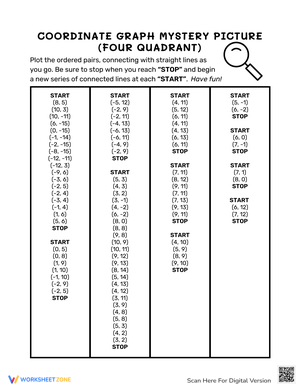
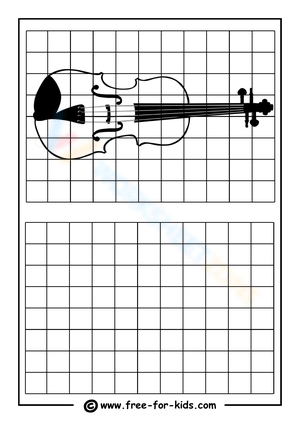
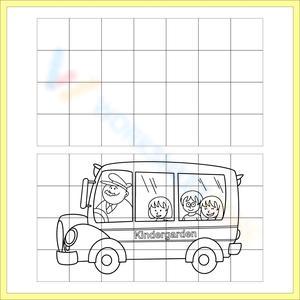
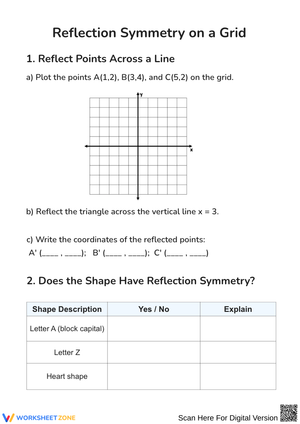
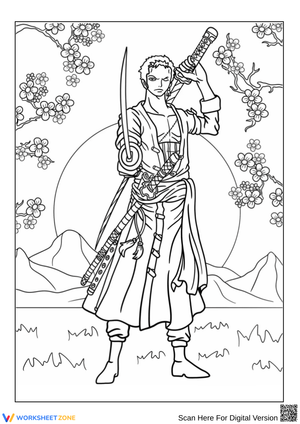
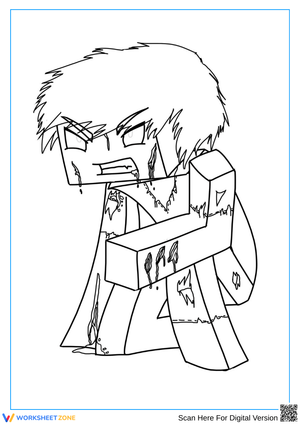
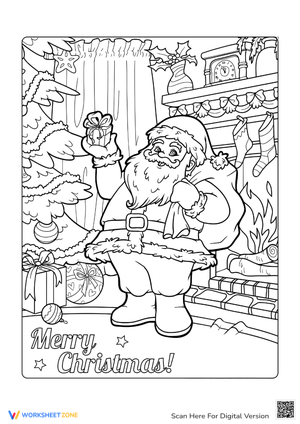
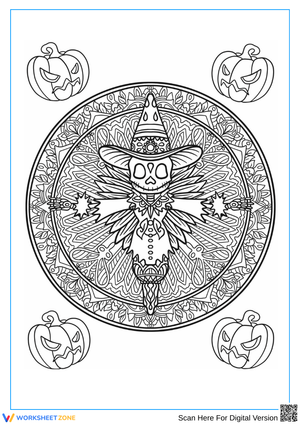
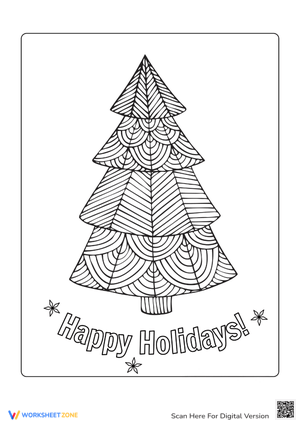
7th grade drawing and painting printable worksheets fill a specific gap in the middle school art room: short, self-contained practice tasks that train real technique without consuming the bulk of studio time. These resources earn their place in the bell ringer bin, the substitute folder, and the transition window between demo and studio setup — anywhere a ten-to-fifteen-minute task keeps students building actual art skills instead of waiting for something else to start.
The Specific Skills These Worksheets Target
The most useful Grade 7 art worksheets address the skills students need before and during larger studio projects: observation drawing, shading and value, texture mark-making, composition planning, one-point perspective, color theory, and brush control. Each of these belongs in the middle school art sequence for good reason — students at this level are old enough to understand why a technical choice matters, but they still need repeated low-stakes exposure before those choices become instinct.
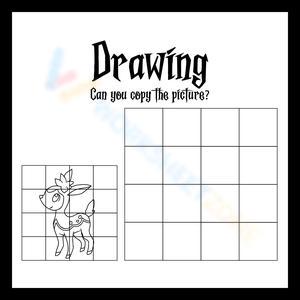
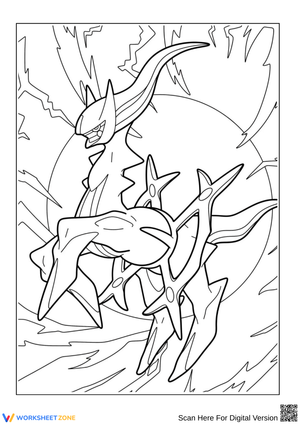
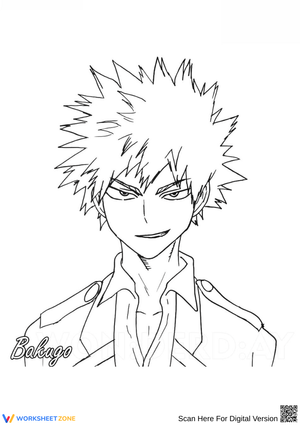
- Contour and observation: Students draw from life or a reference image, attending to proportion, edge quality, and fine detail.
- Value and shading: Value scale exercises, sphere shading, and light-source identification all appear across the set.
- Texture marks: Students build a working vocabulary of hatching, stippling, and cross-contour lines to suggest surface character.
- Composition basics: Focal point placement, visual balance, and cropping decisions — each worksheet prompts students to think through these before committing to a final surface.
- Color theory: Practice covers warm and cool relationships, complementary contrast, tints and shades, and basic mixing plans students can test before touching a canvas.
- Painting control: Brush pressure variation, wet-on-dry layering, and clean edge technique are addressed throughout — skills that deteriorate without consistent, low-stakes repetition.
These topics connect naturally across drawing and painting. A shading worksheet leads directly into a realistic object study. A color-planning task becomes the first step of a painting project. A composition organizer helps students revise a rough sketch before they touch final media.
Frequent Student Errors Worth Watching for and Correcting
In shading work, the most common mistake isn't that students shade in the wrong direction — it's that they refuse to go dark enough. Students tend to equate neat, light pencil marks with quality work, so a value scale that should run from white to near-black often ends up as a narrow band of light and medium grays. The same thing happens in observational drawing: a student will correctly identify the light source on the instruction example, then shade every surface of their own drawing in the same flat mid-tone because committing to a deep shadow feels risky. Saying this directly — "your darkest shadow should be darker than you think looks right" — and demonstrating it on the worksheet's practice area shifts the habit faster than any other correction.
Color mixing produces a different pattern entirely. Students adding blue to yellow to produce green will reach for a full brushload of blue, overwhelming the yellow and producing muddy olive rather than a clean secondary. A worksheet that asks students to mix the same secondary color in three different ratios and compare the results side by side turns that predictable error into the lesson itself.
How to Build These Worksheets Into Your Lesson Plans
The most effective use of 7th grade drawing and painting printable worksheets is as a rehearsal pass before students commit to final media. A contour observation worksheet on Monday, a focused demo on Tuesday, studio work Wednesday onward — that sequence does more to prepare students than a single extended introduction would. The worksheet isn't the lesson; it's the cognitive setup that makes the lesson land.
The window right after a demonstration ends — before students collect supplies and before studio energy fully takes over — runs about eight to twelve minutes in most middle school periods, and it absorbs a focused skill worksheet cleanly. The task keeps the demonstrated technique in working memory while students shift from watching to doing. That transition is exactly where technique gets lost if nothing bridges it.
Sub days and shortened periods are the other natural home for these resources. A worksheet with clear visual directions, a defined drawing area, and a brief reflection prompt gives a substitute teacher a workable plan and gives students a real task rather than a time-filler. If the reflection prompt is included, the classroom teacher can check understanding quickly after returning without needing to re-administer anything.
Standard Alignment
These worksheets align to the National Core Arts Standards for Visual Arts at the middle school level, specifically the Anchor Standards for Creating. The skills in the set map most directly to VA:Cr1 (generating and conceptualizing artistic ideas), VA:Cr2 (organizing and developing artistic work), and VA:Cr3 (refining and completing artistic work). A composition-planning worksheet addresses VA:Cr1.1 when it asks students to evaluate possible arrangements before committing to a final design. Value and shading tasks address VA:Cr2.1 by connecting technical execution to the expressive potential of mark-making. The reflection prompts built into each worksheet support VA:Cr3.1 and give teachers a brief documentation trail for any standard requiring students to evaluate and explain their own artistic choices.
Differentiating These Worksheets for a Range of Learners
Grade 7 art classes carry a wider experience range than most content areas. Some students have attended dedicated visual arts programs since elementary school; others are in an art room for the first time. 7th grade drawing and painting printable worksheets handle that range best when each task has a clear floor and an open ceiling — specific enough for a nervous beginner to start without freezing, and open enough for a more experienced student to push the concept without finishing in three minutes and moving off task.
For students who need more structure, adding a starter shape, a side-by-side reference image, or a partially completed example is usually enough to get them moving. For students ready for harder work, the same shading worksheet becomes a full observational study of a real object; the same color-mixing task becomes a palette inventory built from a found photograph. Differentiating by product — where one student completes the worksheet as written while another uses it as a planning stage before working on larger paper — keeps the whole class anchored to one concept without requiring the teacher to manage two entirely separate activities at once.
Frequently Asked Questions
How do these worksheets fit into a project-based art class?
They work best as preparation or checkpoints — not as the primary lesson. A composition worksheet placed before a painting project helps students work through design decisions before those decisions are difficult to undo. A value exercise used midway through a charcoal unit shows clearly which students still need the light-source conversation before moving forward.
What materials do students need?
Most worksheets use pencil, colored pencil, basic tempera or watercolor, and standard classroom brushes. A few tasks note a specific brush size or paper weight in the directions, but none require specialty materials or advance ordering.
Can these resources work across adjacent grade levels?
Some can flex. A contour observation worksheet or value scale exercise transfers to 6th or 8th grade with minor adjustments to expected complexity. The full collection of 7th grade drawing and painting printable worksheets is sequenced around Grade 7 pacing, but individual resources can shift up or down depending on where your students actually are when the unit begins.
How long does a typical worksheet take to complete?
Most run between ten and twenty minutes when paired with a brief introduction or model. Shorter worksheets work cleanly as warm-ups; longer tasks fit independent work blocks or station rotations. Reflection prompts add a few minutes. None should require a full class period to finish on their own.