Why teachers look for short-form Grade 7 reading practice
When teachers search for reading fill in the blank worksheets pdf for 7th grade, they usually need something practical rather than another full lesson to build. The goal is often quick, focused reading work that fits a bell ringer, independent station, intervention folder, or homework review. Worksheetzone meets that need with a live Grade 7 category page built around printable reading fill-in-the-blank activities, so teachers can move from planning to classroom use without a long prep window.
That matters in Grade 7 because students are expected to read more closely, return to the text for proof, and explain how details support an idea. A short fill-in-the-blank format gives teachers a way to isolate one reading demand at a time. Instead of asking students to complete a full essay, the worksheet can direct them to supply a piece of evidence, complete an inference, identify a vocabulary clue, or finish an analysis statement using what they read.
For teams that need efficient print resources, this format also works across whole-group review and small-group reteaching. The structure is simple, but the thinking can still be appropriately challenging for middle school readers.
What these Grade 7 reading worksheets can help students practice
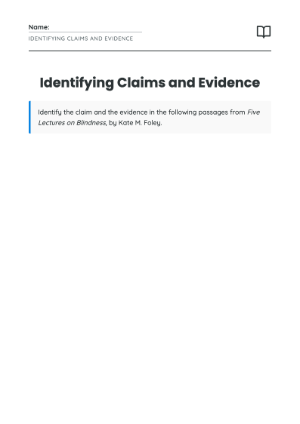
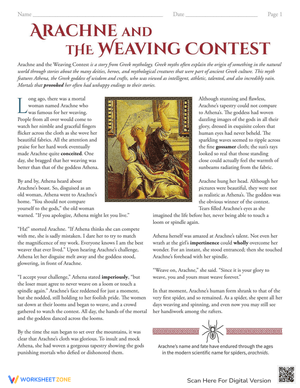
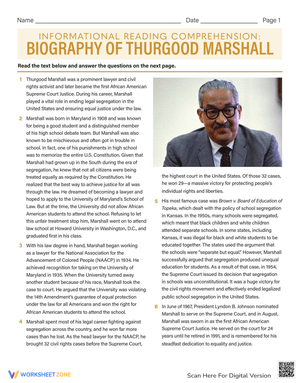
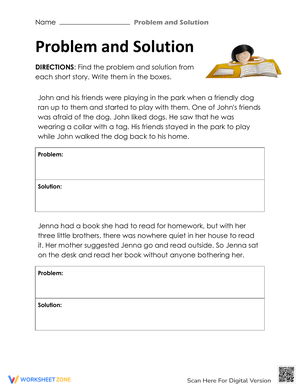
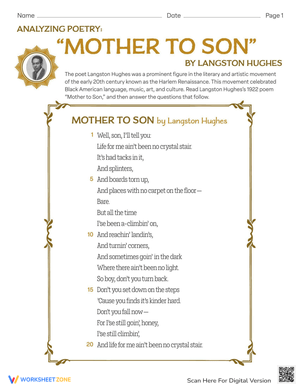
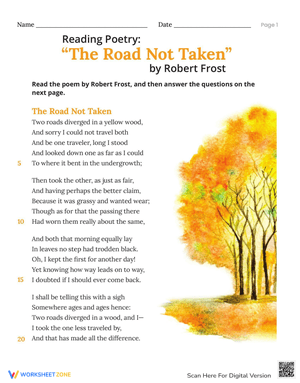
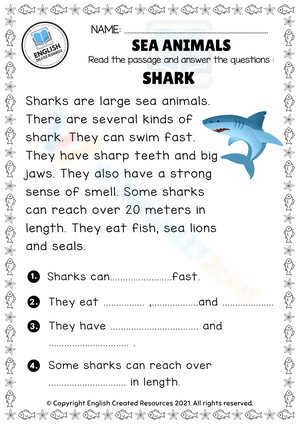
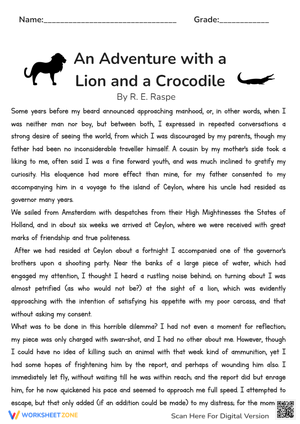
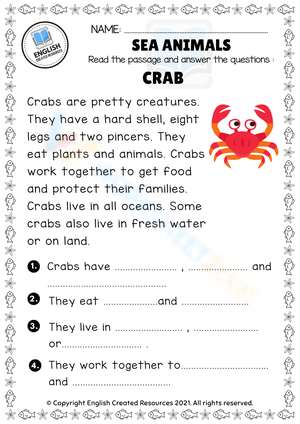
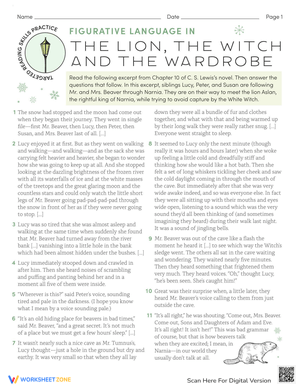
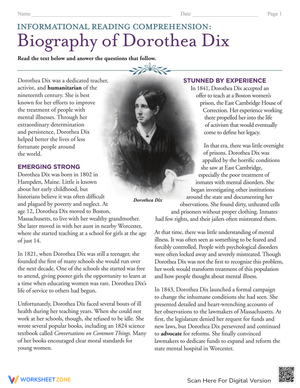
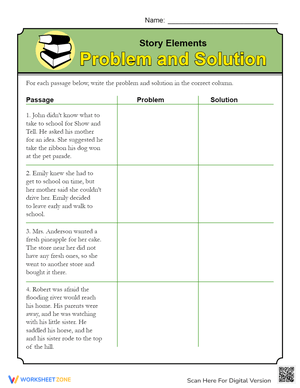
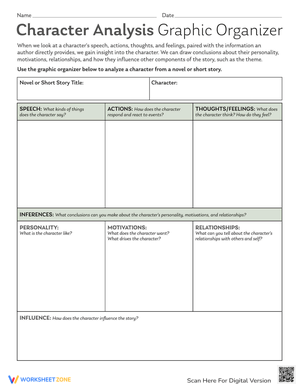
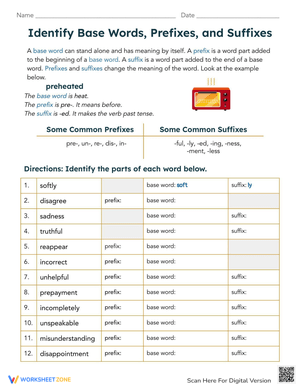
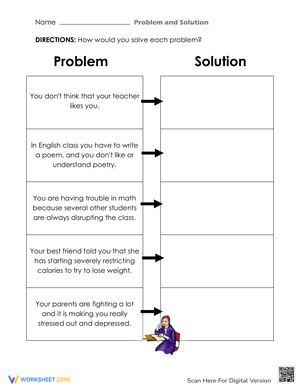
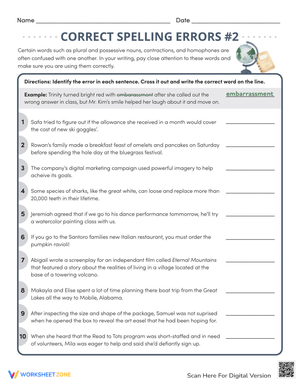
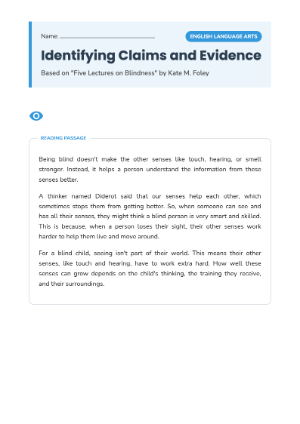
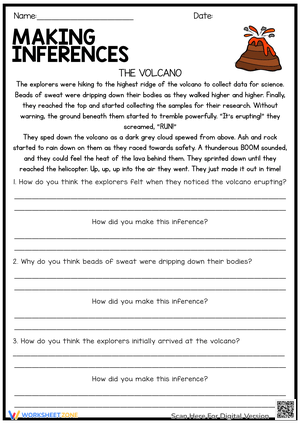
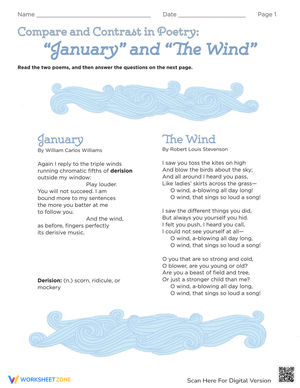
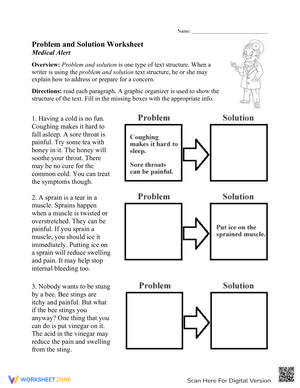
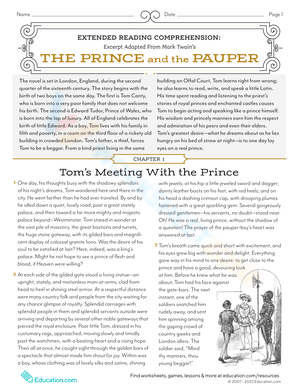
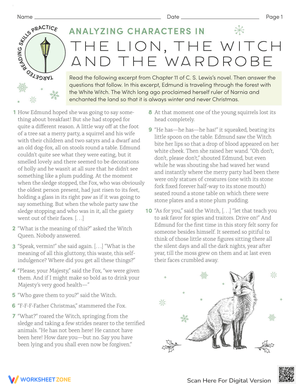
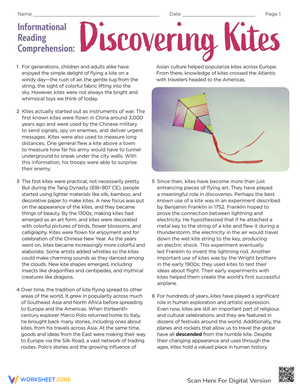
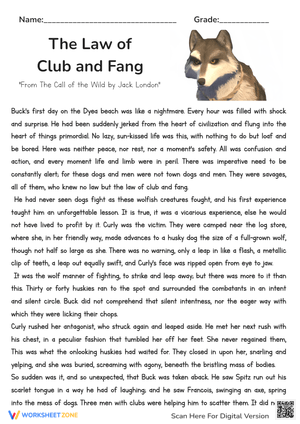
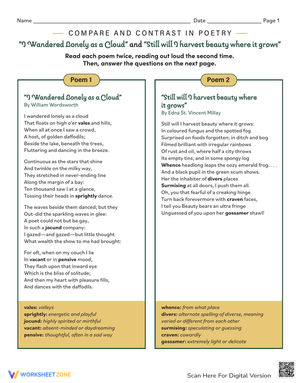
The visible worksheet examples on Worksheetzone point to the kinds of reading work many Grade 7 classrooms need most: claims and evidence, inferences, poetry analysis, informational reading, and character analysis. That range is useful because teachers rarely need one broad reading worksheet. They need a resource tied to a specific standard-aligned skill that can be practiced in ten to fifteen minutes.
Fill-in-the-blank reading tasks are especially effective when the missing words require students to process meaning, not just copy language. In a claims-and-evidence task, students might complete a sentence that explains which detail best supports an argument. In an inference task, they may finish a statement about what the author suggests but does not say directly. In poetry analysis, the blank might ask for the effect of a line, an image, or a word choice. Informational reading tasks can focus on central idea, text structure, or how a detail contributes to understanding. Character analysis blanks can require students to use actions, dialogue, or reactions as proof.
Because the format is compact, teachers can assign one worksheet to reinforce a single objective or combine several for a mixed review packet. That flexibility makes the resource useful during regular instruction and during weeks when pacing leaves very little room for prep.
Why the PDF format saves planning time
Printable PDFs still matter because they fit the way many classrooms actually run. A teacher can print a set before first period, place a few copies in a center, or send the file to support staff who are handling intervention groups. For curriculum leads and tutors, PDF worksheets also make it easier to standardize practice across sections without rebuilding materials in a new format.
With reading fill in the blank worksheets pdf for 7th grade, the time-saving benefit is not just that the file prints cleanly. It is that the activity is already narrowed to a clear reading target. That helps teachers match a worksheet to the day’s objective, whether students are reviewing text evidence before a quiz or completing a short independent task after a mini-lesson.
PDFs also help when teachers need predictable routines. Students can learn the structure quickly, which means more time goes to reading and reasoning instead of directions. For intervention, that consistency is useful because the adult leading the group can focus on prompting students to justify answers from the text.
How these worksheets align with Grade 7 reading expectations
Grade 7 reading work commonly emphasizes close reading and text-based evidence, and that is one reason the Worksheetzone category is a strong fit for classroom use. According to the English Language Arts Standards from the Common Core State Standards Initiative, middle school readers are expected to support analysis with evidence from literary and informational texts. A fill-in-the-blank worksheet can narrow that expectation into manageable practice by asking students to complete precise evidence-based statements.
A useful design feature of this format is that it reduces the writing load without lowering the reading demand. That distinction matters in Grade 7. When the blank sits inside an evidence statement, inference frame, or analytical sentence stem, teachers can see whether the student understood the text before longer written responses become the barrier.
That makes these worksheets helpful for mixed-readiness classes. Students who need more structure can work within complete sentences, while students who are ready for more independence can use the worksheet as a starting point and then extend their answers orally or in writing. In both cases, the teacher gets a quick check on how well students are reading for meaning.
Source-based snapshot teachers can trust
Worksheetzone's Grade 7 Reading Fill in The Blanks Worksheets PDF page highlights 5 visible skill areas for Grade 7 readers: claims and evidence, inferences, poetry analysis, informational reading, and character analysis. That specific mix signals targeted middle school practice rather than general reading review, which makes the collection easier to use for skill-based planning.
The broader Printable 7th Grade Reading Worksheets collection on Worksheetzone reinforces that teachers are not limited to one worksheet style when building a sequence. A team might use fill-in-the-blank practice for quick retrieval and follow it with a longer response or discussion task. That kind of pairing keeps the worksheet purposeful instead of isolated.
Classroom Implementation
These worksheets are easiest to use when the teacher assigns one clear job to the page. For a bell ringer, choose a worksheet that reviews yesterday's skill and limit the work to five minutes. For centers, group students by skill need, such as inference or evidence. For homework, use a shorter worksheet that lets families see the language of the skill without requiring heavy support at home.
- Bell ringers: Use one worksheet to reactivate evidence, vocabulary, or inference thinking at the start of class.
- Small groups: Choose a worksheet that targets one reading gap and pause after each item to ask students where the answer came from in the text.
- Stations: Pair a fill-in-the-blank page with a short literary or informational passage for independent rotation work.
- Intervention folders: Keep printable PDFs by skill so support staff can pull a matched worksheet quickly.
- Exit checks: Use two or three items from a worksheet to confirm whether students can apply the day's reading focus.
The strongest implementation move is to require text return. Even in a short worksheet, students should point to the line, sentence, or detail that helped them complete the blank. That keeps the task grounded in reading comprehension rather than guessing.
How Worksheetzone supports review and enrichment
Worksheetzone is useful because it helps teachers work at two levels at once. First, it gives quick-print resources for immediate classroom needs. Second, it offers enough variety across reading topics to support a broader review plan. A teacher preparing for an assessment can rotate among informational reading, poetry analysis, and character-based literary work without leaving the same grade band.
That variety is important in Grade 7 ELA, where students need to handle both literary and informational texts with increasing independence. A worksheet collection that includes more than one text type makes it easier to keep review balanced. It also helps enrichment groups move beyond a single repeated routine. One day the blank may ask students to identify how evidence supports a claim; another day it may ask them to complete a statement about tone, structure, or a character's motivation.
For busy classrooms, the practical value is straightforward: teachers can stay focused on the skill they are teaching instead of spending planning time building every short practice page from scratch.
Frequently Asked Questions
1. What reading skills do 7th grade fill-in-the-blank worksheets usually cover?
They often focus on evidence-based reading, inference, vocabulary in context, poetry analysis, informational text understanding, and character analysis. On Worksheetzone, the visible examples suggest a mix of literary and informational reading tasks that fits common Grade 7 ELA goals.
2. Are these reading worksheets available as printable PDFs?
Yes. The Worksheetzone page is positioned as a printable PDF resource category, which is helpful for teachers who need fast prep for class sets, stations, homework, or intervention use.
3. How can teachers use fill-in-the-blank reading worksheets for intervention or centers?
They work well when each worksheet targets one skill and students are asked to return to the text for proof. That makes the format useful for reteaching evidence, inference, and comprehension in small-group or independent settings.
4. Do these worksheets support both literary and informational text practice?
Yes. The available examples include poetry analysis, character analysis, and informational reading, so teachers can build short practice around more than one text type while keeping the work at the Grade 7 level.