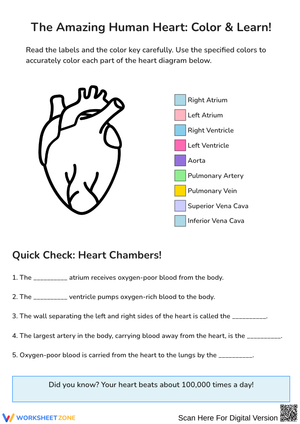
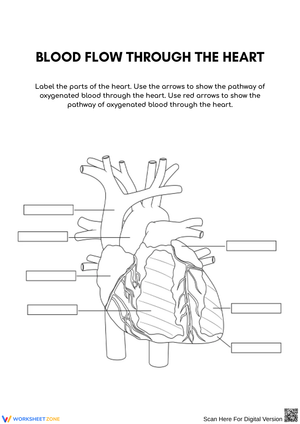
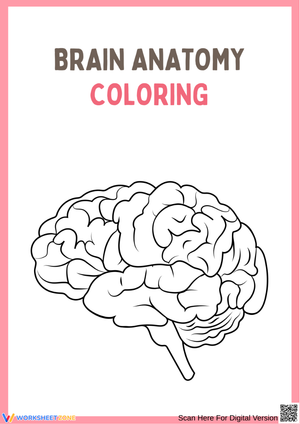
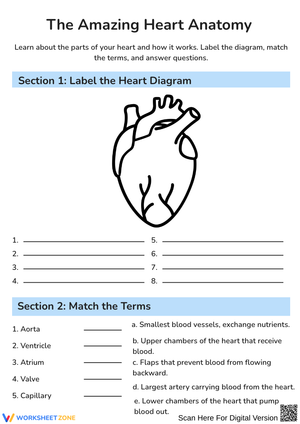
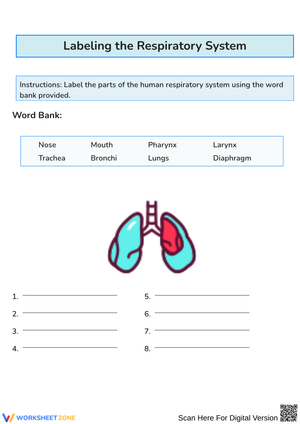
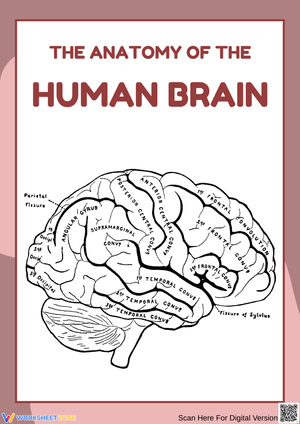
6th grade human anatomy worksheets give students structured practice at exactly the point in middle school when body systems shift from casual familiarity to content-heavy study with real vocabulary demands. At this grade, the expectation moves past "the heart pumps blood" and toward explaining how the circulatory and respiratory systems exchange gases, what happens to nutrients as they move through the digestive tract, and why the nervous system coordinates involuntary responses. These worksheets support that progression by organizing tasks so students move from identification toward explanation.
What Students Practice Across the Set
Each worksheet targets one or two body systems rather than attempting to survey everything at once. That narrow focus keeps students working with a manageable set of terms before they are asked to compare across systems. The full set spans the skeletal, muscular, circulatory, respiratory, digestive, and nervous systems — the core content for a standard middle school anatomy unit.
Across the worksheets, students:
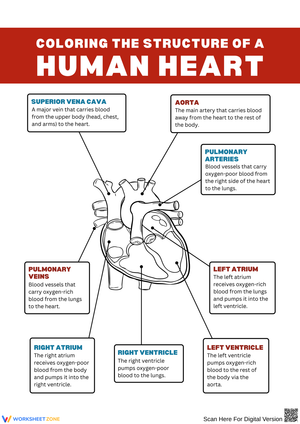
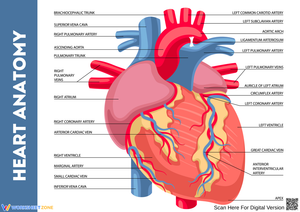
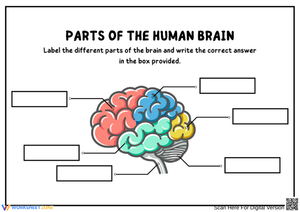
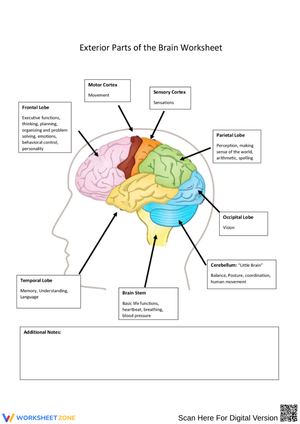
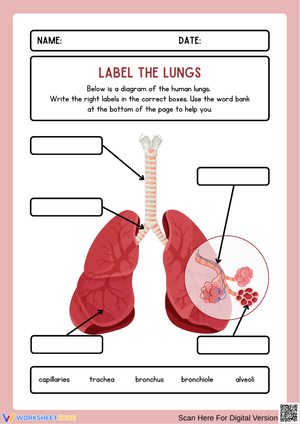
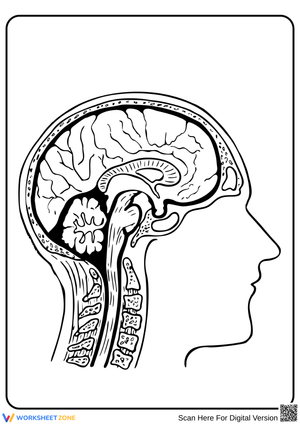
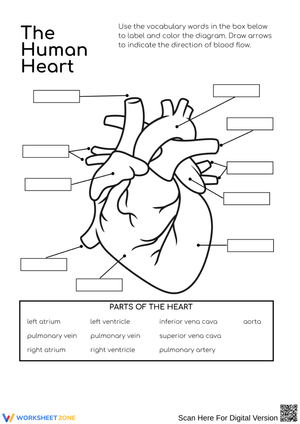
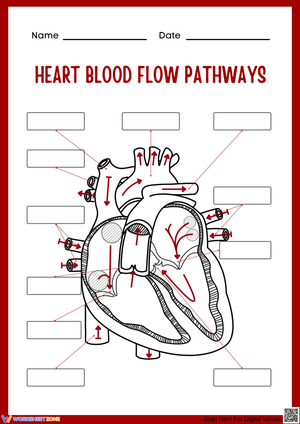
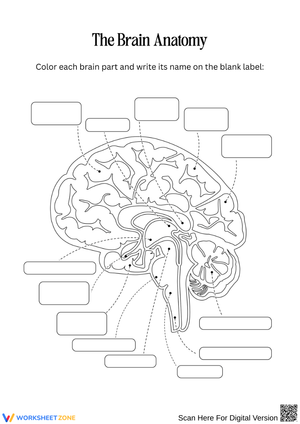
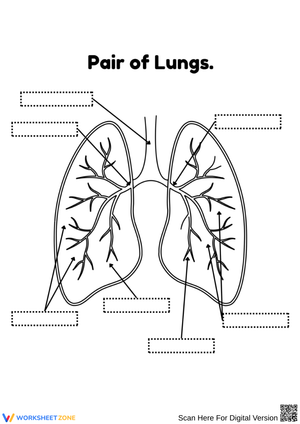
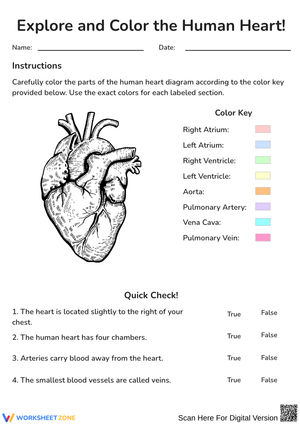
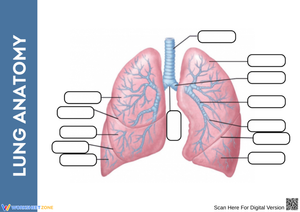
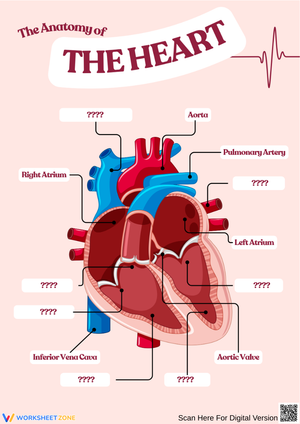
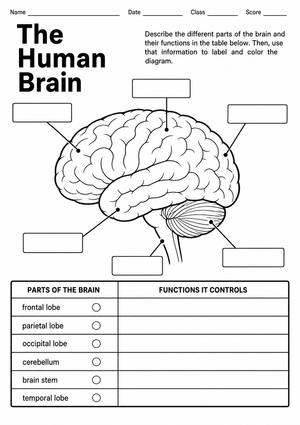
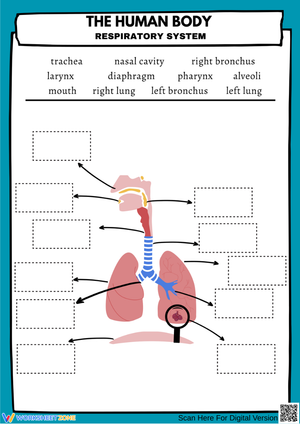
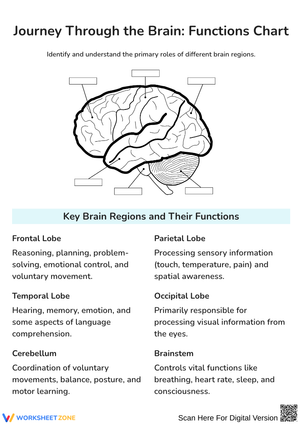
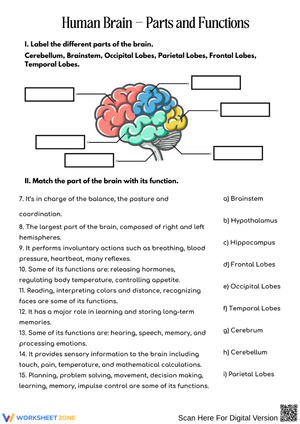
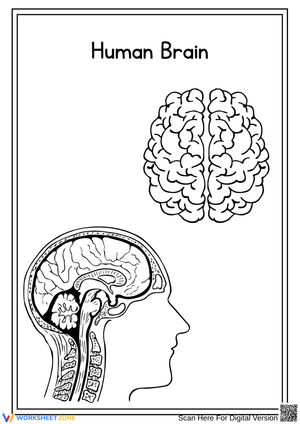
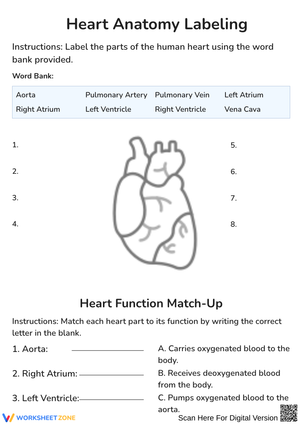
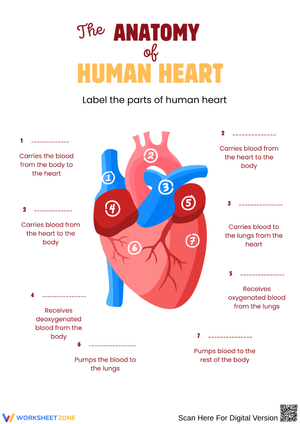
- Label organs on unlabeled body diagrams
- Match organs to their systems and systems to their primary functions
- Sort vocabulary terms by system or function type
- Complete fill-in-the-blank sentences using accurate content language
- Write short explanations connecting two systems to a shared process
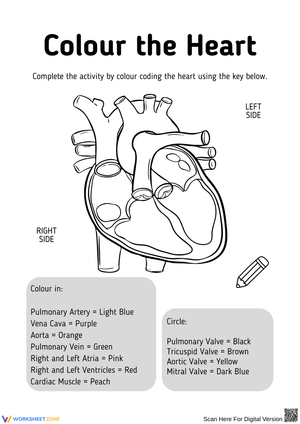
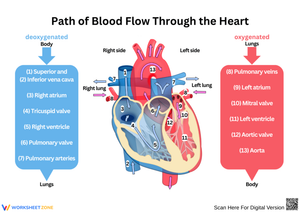
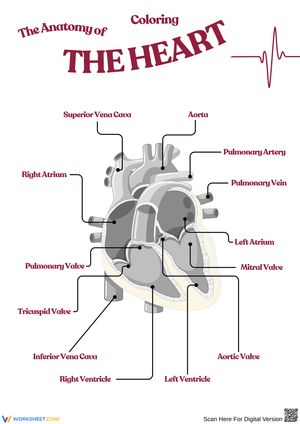
- Annotate diagrams to show how a structure relates to its function
The balance between recognition tasks and explanation tasks matters here. Matching exercises build confidence quickly, but they do not reveal whether a student understands why an organ belongs to a given system. Explanation tasks — even brief ones — show the teacher whether understanding is forming or whether students are moving pieces on a page without connecting them.
Lesson-Planning Moves That Get the Most from These Worksheets
These resources work best inside a short instructional cycle rather than as a stand-alone assignment. A practical sequence for a 25-minute block: spend four or five minutes introducing the target system and two or three key terms, model one labeled example under a document camera, then give students 12 to 15 minutes of independent or partner practice. Reserve the final few minutes for reviewing one answer together and naming one error you noticed while circulating. That last step does more for comprehension than simply moving on.
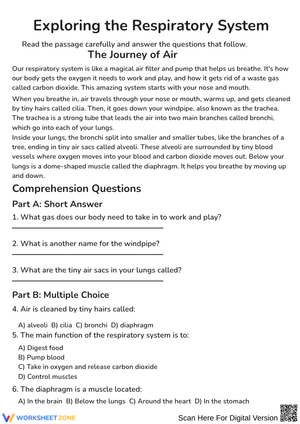
6th grade human anatomy worksheets also fit naturally into station rotations. One center holds a diagram task, another a vocabulary matching activity, and a third a short reading with response questions. When students stay at each station for eight minutes or so, teachers can move between groups and catch confusion early rather than discovering it on a test.
Bell ringers are another strong fit. A blank body outline with a single question — "Where does gas exchange happen, and which two systems are involved?" — takes three minutes and primes students for whatever direct instruction follows. Across a unit, those daily retrieval moments build retention more reliably than any single extended review session.
Student Errors Worth Anticipating Before the Unit Begins
The most common error in middle school anatomy is what might be called function blending: students assign the right organ to a system but describe it performing the wrong job. The clearest example appears with the kidneys. Many students correctly identify kidneys as part of the excretory system, then describe them as "pumping blood through the body" — a detail transferred from an earlier lesson on the heart. The functions of filtering and pumping both involve blood, and students merge them. Seeing this error in writing is the signal to address it explicitly before moving to the next system.
System boundaries are a second persistent trouble spot. Students can tell you that the stomach breaks down food and that the small intestine absorbs nutrients. When asked to explain those organs as steps in a connected sequence, though, many treat each organ as a standalone fact rather than a node in a process. They can identify; they cannot narrate. Diagrams with directional arrows paired with short constructed-response prompts address this gap more effectively than any vocabulary list.
Vocabulary precision is also thinner than it appears on a first pass. Students often write "the lungs breathe" or "the heart beats blood" — using the organ name as a verb. That phrasing signals that students have memorized a word-organ pairing without internalizing what the structure actually does. Asking students to rewrite those sentences using the correct action verb and a complete explanation catches this gap before it becomes a test-day problem.
Standard Alignment
These worksheets align most directly with NGSS MS-LS1-3, which asks students to "use argument supported by evidence for how the body is a system of interacting subsystems composed of groups of cells." In classroom terms, that standard requires students to do more than name parts — they must explain interdependence. The explanation tasks and compare-and-contrast prompts across the set practice exactly that reasoning: students build a case for why one system's failure would affect another, which is the core intellectual move MS-LS1-3 demands. Most state-level 6th grade science standards carry similar language about structure-function relationships, so this content maps broadly across frameworks beyond NGSS.
Adapting These Resources for Mixed-Ability Classes
Students enter 6th grade science with very different vocabulary backgrounds and prior exposure to body systems content. Each worksheet adjusts without a full rewrite by changing the level of support rather than the task itself.
For students who need more support, pair the worksheet with a reference card listing systems and their primary organs. Add a word bank for labeling tasks, and choose diagrams with clearly separated structures rather than dense overlapping images. If the worksheet includes a reading passage, direct those students to read one section at a time and answer the corresponding question before moving to the next. That constraint reduces cognitive load without removing the content expectation.
For students ready for more challenge, remove the word bank, ask for written explanations in place of single-word labels, and add extension prompts. Instead of "Name the organ that pumps blood," ask students to explain why the heart's chamber structure makes it effective at moving blood through both pulmonary and systemic circulation. 6th grade human anatomy worksheets adapt most cleanly when the task structure stays constant and only the support layer changes — word bank present or absent, sentence starter included or not — because that approach preserves a shared classroom anchor while still meeting different learner needs.
Frequently Asked Questions
Which body systems are covered in this set?
The set covers the skeletal, muscular, circulatory, respiratory, digestive, and nervous systems. Each system gets dedicated practice focused on organ identification, content vocabulary, and basic function. Several worksheets also address system interactions — how the respiratory and circulatory systems cooperate during gas exchange, for example, or how muscles and bones coordinate to produce movement.
Can these be used for stations or independent centers?
Each worksheet has a clear, self-contained direction set, so students complete the task without ongoing teacher explanation. In a station setup, pair diagram-based tasks at one center with vocabulary or short-response work at others. Rotating formats keeps engagement up and gives teachers a way to observe students working with different types of content demands simultaneously.
Are answer keys included?
Each worksheet comes with a corresponding answer key. For open-response prompts, the key provides a model explanation rather than a single correct sentence, which helps teachers assess student responses without constructing a rubric from scratch.
How do these fit into a formal assessment cycle?
Because each worksheet targets a specific system or skill, they work as formative checks throughout a unit rather than only as end-of-unit review. A teacher can use the circulatory system diagram worksheet mid-unit to see which students still cannot distinguish arteries from veins, then pull a small group for reteaching before the test. Used that way, 6th grade human anatomy worksheets function less like quiz prep and more like a running diagnostic — giving teachers the information they need to act while the unit is still in progress.












 Interactive Worksheet Maker
 Quiz Maker
 Word Search Maker
 Crossword Puzzle Maker
 Word Scramble Generator
 Sentence Scramble Generator
 Handwriting Worksheet Generator
 Name Tracing Generator
 Fill In The Blank Generator