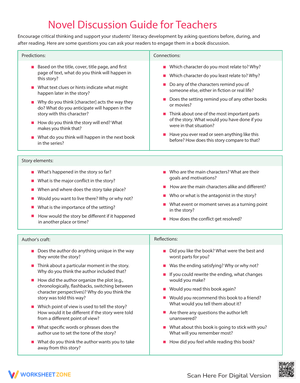
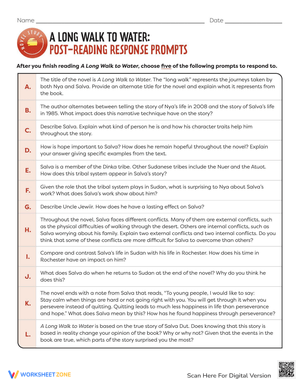
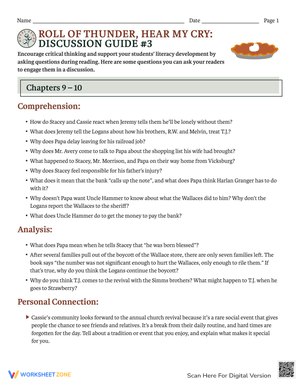
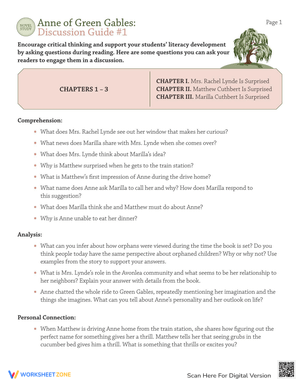
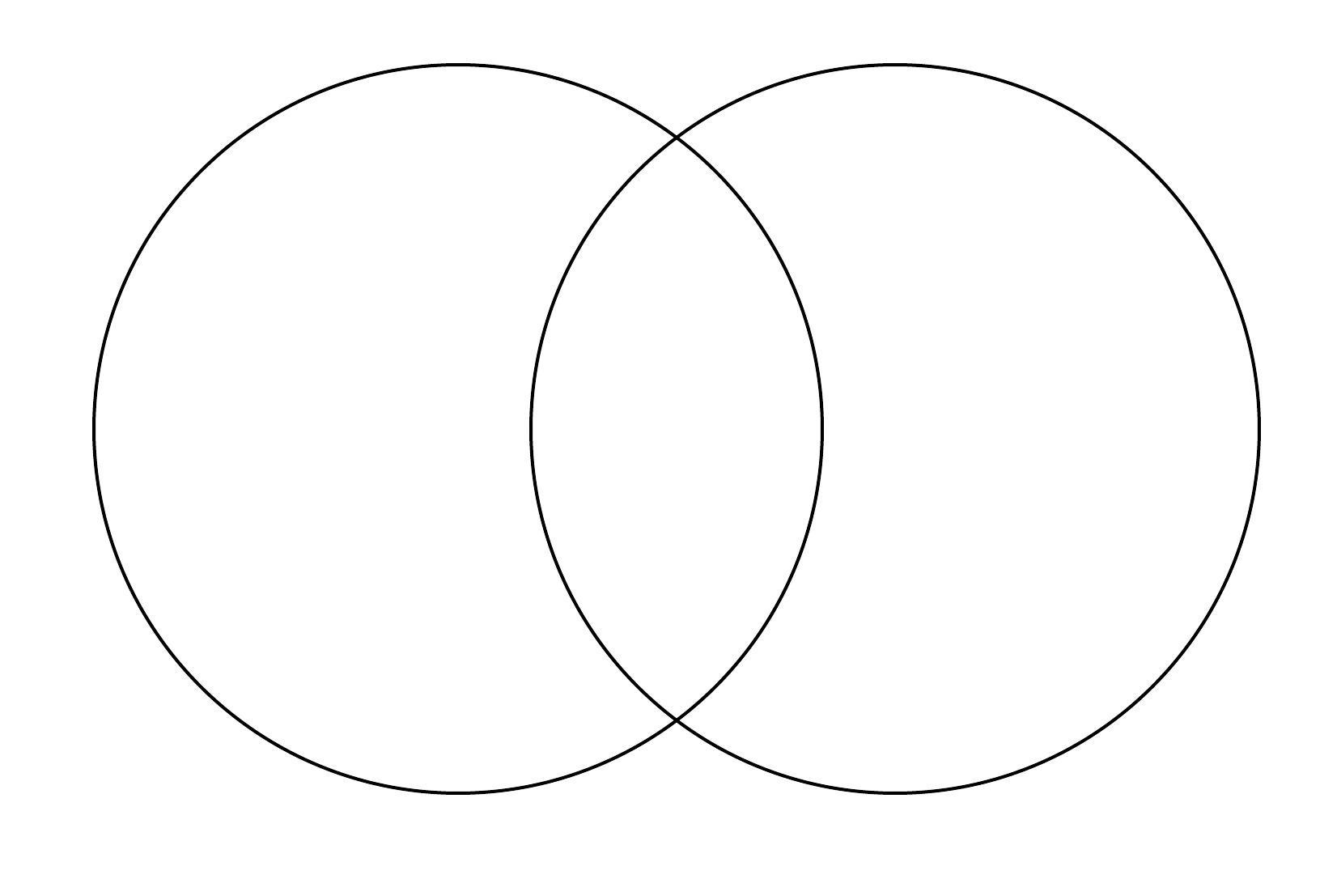
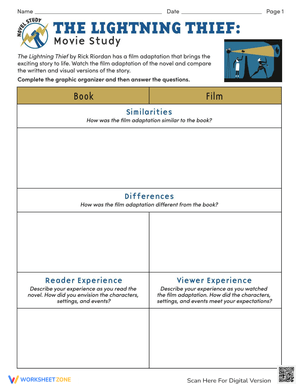
Easter can be more than a seasonal classroom theme; it can also become a useful starting point for deeper reading and writing practice. 6th grade Easter compare and contrast worksheets help students examine similarities and differences across stories, traditions, symbols, texts, and real-world examples. Instead of only completing a holiday activity, students practice organizing ideas, using evidence, and explaining why two subjects are alike or different in meaningful ways.
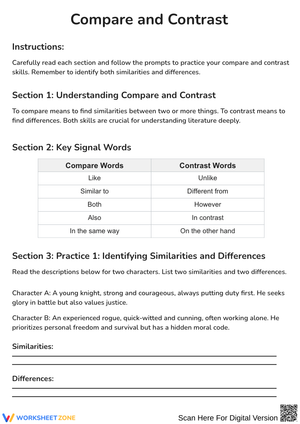
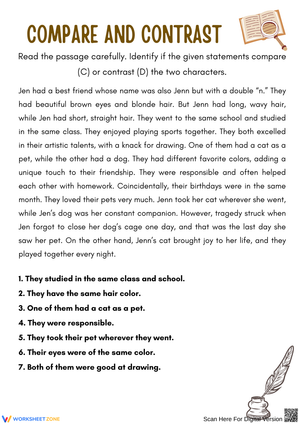
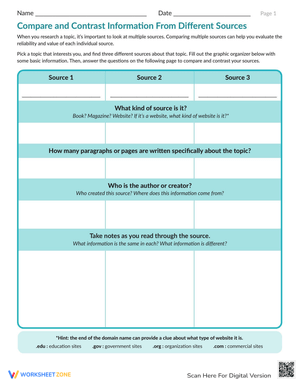
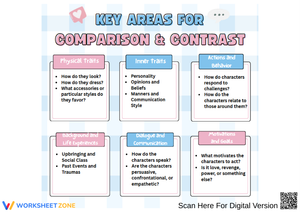
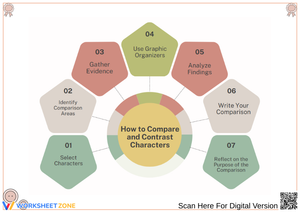
At the 6th grade level, students are ready to move beyond basic comparison charts. They can compare Easter traditions in different cultures, two spring holidays, a fiction passage and an informational article, or two characters in an Easter-themed story. A worksheet might ask students to identify comparison points such as purpose, setting, theme, tone, main idea, or supporting details. This helps students learn that strong compare and contrast writing is not just about listing facts; it is about choosing useful categories and explaining connections clearly.
Seasonal topics can make the thinking process feel more approachable. For example, students might compare an Easter egg hunt with another holiday tradition, or compare how two texts explain the meaning of spring celebrations. These familiar topics give students enough background knowledge to focus on structure and reasoning. Teachers who want broader writing inspiration can use compare and contrast essay topics to help students practice with prompts that go beyond the Easter theme.
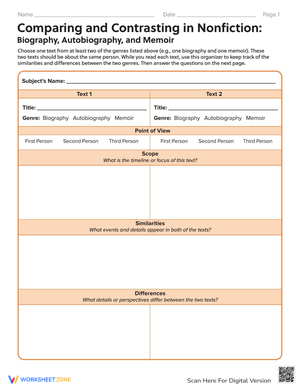
Nonfiction comparison is especially valuable in 6th grade because students are reading more informational texts across subjects. Easter-themed passages about history, symbols, traditions, or seasonal customs can be paired with charts, articles, or short explanations. Students can compare main ideas, author’s purpose, details, and text structure. For more focused reading practice, comparing and contrasting in nonfiction worksheets can help learners strengthen evidence-based thinking.
Whether used during spring literacy centers, writing workshops, homeschool lessons, or pre-break review, 6th grade Easter compare and contrast worksheets give students a structured way to build analytical skills. They support reading comprehension, paragraph planning, transition word use, evidence selection, and clear explanation. With the right prompts, students can enjoy a seasonal topic while practicing the kind of organized thinking they need for stronger middle school writing.
Frequently Asked Questions
Question 1: What can students compare in 6th grade Easter compare and contrast worksheets?
Students can compare Easter traditions, spring celebrations, holiday symbols, fiction passages, nonfiction articles, characters, themes, or cultural practices. For example, they might compare Easter celebrations in two countries, two stories about spring, or a historical passage and a modern holiday description. Strong worksheets guide students to compare meaningful categories, such as purpose, details, setting, tone, or main idea.
Question 2: What skills do these worksheets help 6th graders build?
These worksheets help students build reading comprehension, organization, critical thinking, and writing skills. Students practice identifying similarities and differences, choosing strong comparison points, using text evidence, and explaining why their observations matter. They also learn to use transition words such as similarly, however, both, unlike, in contrast, and on the other hand to make their writing clearer.
Question 3: How can teachers use Easter compare and contrast worksheets in class?
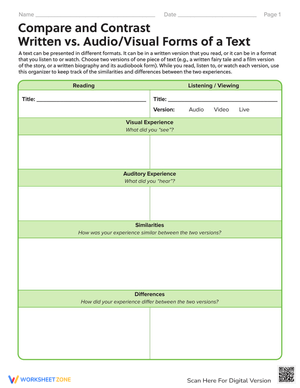
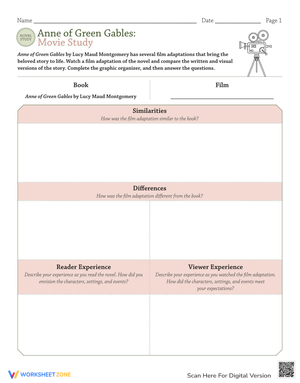
Teachers can use these worksheets during spring reading lessons, writing centers, small-group instruction, partner work, or holiday-themed review. A lesson might begin with two short texts, followed by a comparison chart and then a written paragraph. Teachers can also use the worksheets as a bridge between seasonal engagement and academic writing, helping students stay focused while practicing grade-level skills.
Question 4: How can students write stronger compare and contrast responses?
Students can write stronger responses by choosing clear comparison points before they begin. Instead of listing every similarity and difference, they should focus on the most important ideas and support them with examples. A strong response includes a topic sentence, organized details, transition words, and an explanation of why the comparison matters. Planning with a worksheet first can help students write more clearly and confidently.